Category: Guides

  • Solo Backpacking: Practical Tips for Beginners

    Solo Backpacking: Practical Tips for Beginners

    Solo Backpacking Tips: Your Friendly, No-Nonsense Guide to Going It Alone
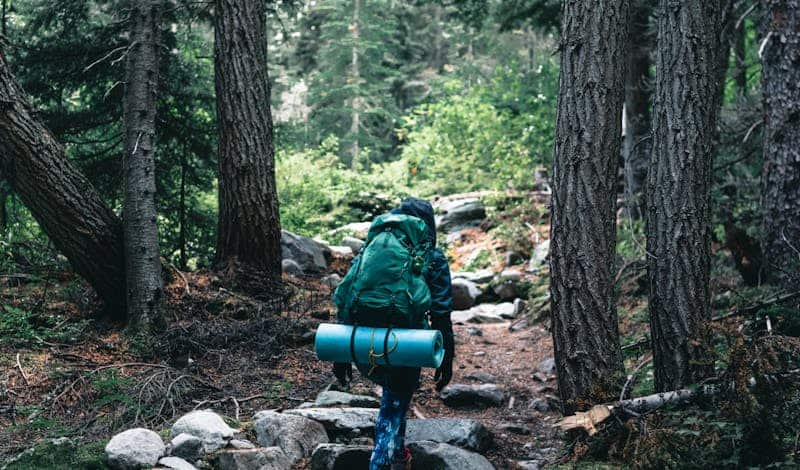
    A backpacker hiking through a lush Canadian forest, showcasing outdoor adventure in nature.
    Photo by Ali Kazal

    So you’re thinking about heading out on your own. Maybe it’s a quiet overnight on a trail near home. Maybe it’s a one-way ticket to somewhere you can’t quite pronounce. Either way, good for you. That little flutter in your stomach? That’s not a warning sign. That’s the start of something great.

    Here’s the truth nobody tells you up front: solo backpacking is one of the best things you can do for your confidence, your perspective, and your sanity. It’s also completely doable, as long as you prepare smart instead of just brave. And that’s exactly what we’re going to walk through together.

    This guide covers both flavors of going solo. There’s hitting the backcountry trail with a pack on your shoulders, and there’s backpacking the world with a hostel bed waiting at the end of the day. The mindset is the same. The gear list is a little different. Let’s get into it.


    First Things First: Why Solo Backpacking Is Worth It

    Let’s get the obvious question out of the way. Is doing this alone actually a good idea?

    Short answer: yes. And the research backs it up. Solo travel has gone from niche to mainstream, and it now makes up roughly 11% of all global travel and keeps climbing, according to Hotelagio’s 2025 solo travel data. You’re in very good company. A lot of people are discovering what you’re about to.

    But the real payoff isn’t the numbers. It’s what happens to you. Stepping outside your comfort zone, solving problems with nobody to lean on, builds genuine self-confidence and resilience. Hostelworld’s 2025 State of Solo Travel report found that nearly 78% of solo travelers say the experience boosts their confidence, their mental health, or both. And here’s the kicker: 63% of first-timers plan to travel more once they’ve done it. Turns out it’s a little addictive (in the good way).

    The other great thing? You go at your own pace. No waiting on the slowest person in the group. No compromising on the itinerary. You wake when you want, walk as far as you want, and linger at the pretty overlook for as long as your heart desires. That freedom is the whole point.


    Part 1: Solo Backpacking on the Trail
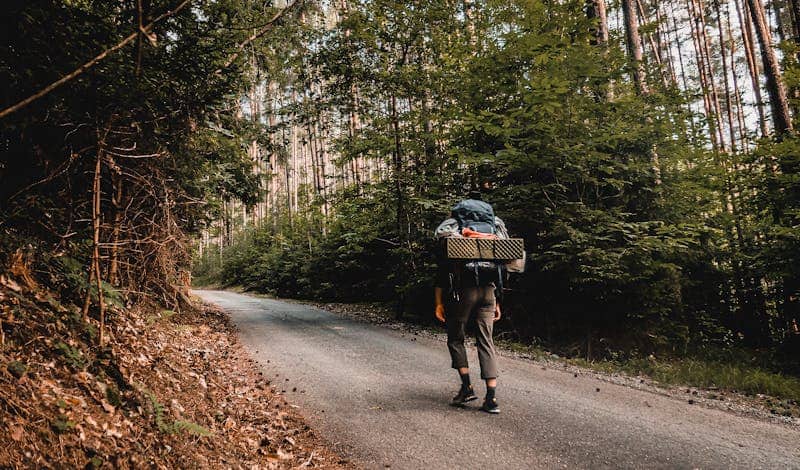
    Lone adventurer backpacking along a serene forest path, embracing nature and tranquility.
    Photo by Veronica Bertollo

    Start Small, Seriously

    Here’s the most important tip in this entire article, so I’m putting it right up top: don’t make your first solo trip a big trip.

    REI puts it bluntly in their How to Solo Backpack guide: backpacking alone is not for beginners. That’s not meant to scare you off. It’s meant to point you toward the smart on-ramp. Build your skill level in layers, like this:

    1. Solo day hikes first. A solo day hike on a familiar trail teaches you how it feels to make every decision yourself, with zero overnight commitment.
    2. Solo car camping next. REI suggests this exact step, because it lets you get comfortable sleeping alone without hiking miles into the wilderness.
    3. A short solo overnight. One or two nights on a popular trail close to home. Emphasis on popular, and more on that in a second.
    4. Then, the bigger adventures. Once you’ve got a few successful solo trips under your belt and can navigate confidently, the world opens up.

    There’s no rush. Building your own skills takes a little time, and that time is the whole foundation of doing this safely.

    Pick the Right Trail (Hint: Closer Is Better)

    For your first solo trip, resist the urge to go epic. The REI beginner backpacking guide recommends picking a spot close to home so you spend more time hiking than driving, and erring toward easy. A trail that’s too hard makes for a miserable first experience, and we want you to fall in love with this, not swear it off forever.

    A popular trail is your best friend on a first solo hike. Why? Because you’re rarely truly alone. There are other hikers around if something goes sideways, the route is well-marked, and the trail is a known quantity. Save the remote, off-grid wild places for when you’ve got more experience.

    Dreaming bigger? The Pacific Crest Trail and the Appalachian Trail are the legendary long-distance routes, and plenty of solo backpackers tackle them every year. Just know those are advanced undertakings, a goal to build toward rather than a starting line. Local trails first, the PCT later.

    Tell Someone Your Plan. Every. Single. Time.

    If you remember only one thing about safety, make it this. Every authority on the planet agrees on it.

    Before you go, leave a detailed itinerary with a trusted friend or family member: your exact route, where you’re parking, and when you expect to be back. REI recommends writing down who to contact and when, if you haven’t returned on time, and even leaving a note with your contact info under the front seat of your car. Pick an emergency contact and agree on a check-in time and what they should do if you miss it.

    This is the single cheapest, most powerful safety move you can make. It costs you two minutes and buys you enormous peace of mind.

    Pack the Ten Essentials (Your Safety Floor)

    You don’t need a closet full of fancy gear to start. But you do need the Ten Essentials, a packing list developed by The Mountaineers and endorsed by both REI and the National Park Service. Carry these even on a solo day hike:

    • Navigation: map, compass, and/or GPS
    • Sun protection: sunscreen, sunglasses, sun-protective clothing
    • Insulation: extra layers for weather that turns
    • Illumination: a headlamp, plus spare batteries
    • First-aid supplies
    • Fire: matches or a lighter and a fire starter
    • Repair kit and tools: knife or multi-tool, a little duct tape
    • Nutrition: an extra day’s worth of food
    • Hydration: water and a way to treat more
    • Emergency shelter: even just an emergency blanket

    This isn’t the ceiling, it’s the floor. But with the right gear in your pack, most worst-case-scenario situations become manageable inconveniences instead of emergencies.

    Don’t Bet Your Life on Your Cell Phone

    Here’s a hard truth about the backcountry: cell service is unreliable, and often nonexistent. The National Park Service warns hikers not to count on a cell phone, because there may be no coverage at all, and hunting for a signal drains your battery fast. Their tip: keep your phone in airplane mode until you actually need it.

    So how do you call for help when there are no bars? Two great options.

    Satellite communicators. The Garmin inReach Mini series is the gold standard: tiny, light, and able to send two-way texts and an SOS from almost anywhere on Earth via satellite. The Garmin inReach Mini 2 weighs about 3.5 ounces and connects to a 24/7 emergency response center. It does require a subscription, but for solo hikers who want to check in with someone at home, it’s hard to beat. (Heads up: Garmin launched newer Mini 3 models in late 2025, so check current pricing before you buy.)

    Personal locator beacons (PLBs). A personal locator beacon like the ACR ResQLink sends a distress signal over a government search-and-rescue satellite network, with no subscription required, ever. The trade-off is that it’s SOS-only, with no two-way texting. If you want a pure “get me out of here” button and no monthly fee, a PLB is a fantastic, cheaper-over-time option.

    Either way, carrying one of these is the most valuable upgrade a solo backpacker can make. It’s the difference between being stranded and being found.

    Water, Weight, and Other Practical Stuff

    A few quick wins that make a big difference:

    • Treat your water. Don’t drink straight from streams, no matter how clear. REI explains that a filter strains out the bacteria and protozoa (think Giardia) that are the main concern across the U.S. and Canada, and popular picks include the Sawyer Squeeze. Always pack a backup treatment method (purification tablets weigh almost nothing). Camp at least 200 feet from water sources, and never put soap in them.
    • Mind your pack weight. A heavy backpack turns a fun walk into a death march. Walking with a loaded pack is slower than day hiking, so plan shorter distances than you think you need.
    • Stay close to your own pace. This is the joy of solo hiking: there’s nobody to keep up with. Walk slow, take breaks, enjoy it.

    A Quick Word on Bear Country (and Other Wild Animals)

    If you’re heading into bear country, a little knowledge goes a long way, and it keeps both you and the bears safe.

    Store your food right. The National Park Service is direct about this: proper food storage can mean life or death for a bear. Stash all food, trash, and scented items (yes, including toiletries) in a bear canister, a bear locker, or a properly hung bag, and keep your sleeping area well away from where you cook and store food. Rules vary by park, so always check the local regulations before you go.

    Carry bear spray, and know it’s not the same as pepper spray. These are not interchangeable. Bear spray sprays a wide fog up to 30 to 40 feet and is EPA-regulated specifically for deterring bears. Pepper spray for self-defense against humans is weaker and sprays a narrow stream only about 10 feet, as Counter Assault explains. And does bear spray actually work? The landmark Smith and Herrero study of 20 years of Alaska encounters found it stopped unwanted bear behavior 92% of the time, and 98% of people carrying it walked away uninjured from close encounters. That’s a stat worth its weight in your pack.

    Know what to do if you actually see one. Per the NPS bear safety guidance: stay calm, talk so the bear knows you’re human, wave your arms slowly, and never run. The response to an attack is species-specific. With a brown or grizzly bear, play dead. With a black bear, fight back, aiming for the face. And if a bear comes after you in your tent? Always fight back. Carry your bear spray somewhere you can grab it fast, not buried at the bottom of your pack.

    Permits and National Parks

    Many national parks and popular routes require backcountry permits, and some have strict food-storage rules. The Pacific Crest Trail requires a free long-distance permit for big continuous hikes, released on specific dates each year. Don’t get caught off guard. Check the specific park or trail’s website before you go, because these rules change yearly.


    Part 2: Solo Backpacking Around the World

    Man with backpack observing Seoul cityscape from mountain peak.
    Photo by Stephen Leonardi

    Now let’s swap the bear canister for a passport. Backpacking as a solo traveler through new countries is a whole different kind of adventure, but a lot of the wisdom carries right over.

    Ease Into It

    Just like on the trail, start on easy mode. For your first international solo adventure, pick a safe, well-trodden travel destination where you know at least a little of the language. Practice your solo habits on a short, nearby trip before you commit to a months-long, around-the-world big trip. There’s no shame in starting small. It’s the smart play.

    Travel Insurance Is Not Optional

    Let me be the friend who tells you the unglamorous thing: buy travel insurance. Solo Traveler World treats it as a basic, non-negotiable cost of going abroad, because an accident can happen anywhere, and when you’re solo, there’s no travel buddy to handle the fallout.

    A few tips:

    • Buy it the day you book so you’re covered for pre-trip cancellations.
    • Prioritize emergency medical and evacuation coverage above all else.
    • Read the fine print on adventure activities. Scuba, climbing, and high-altitude trekking are often excluded.
    • Don’t assume your credit cards have you covered. They rarely offer enough medical or evacuation protection on their own.

    This one purchase buys an enormous amount of peace of mind. Get it.

    Stay Safe and Street-Smart

    You don’t need to be paranoid, just prepared. The greatest hits of solo traveler safety:

    • Share your itinerary and accommodation details with someone back home.
    • Tell hostel or hotel staff where you’re going and when you’ll be back.
    • Keep an eye on your drinks, and don’t overdo it.
    • Carry only what you need, concealed in a bag you can see. Keep a passport photocopy separate from the original.
    • Arrive in new places during daylight whenever you can.
    • If a stranger asks whether you’re traveling alone, it’s perfectly fine to say you’re meeting someone.

    U.S. citizens can also enroll in the State Department’s free Smart Traveler Enrollment Program (STEP), which registers your trip with the nearest embassy and sends safety alerts. Easy, free, and worth it.

    Travel Smart, Spend Less

    Solo travel can be wonderfully affordable when you know the moves:

    • Stay in hostels. A dorm bed is a fraction of a hotel room, and hostels are social goldmines (more on that next).
    • Go overland. Buses and train tickets are usually a much cheaper option than flying, and you actually see the country.
    • Cook sometimes. Shared hostel kitchens save serious cash.
    • Travel in shoulder season. Spring and autumn mean lower prices and thinner crowds at the best places.
    • Tell your bank your travel dates so your cards don’t get frozen, and always carry a backup card and a little cash.

    Making New Friends on the Road

    Worried about being lonely? Don’t be. Here’s the lovely irony of solo travel: you’ll likely meet more people than you would traveling with a companion.

    Hostels are the engine of it all. Look for ones with common areas, shared kitchens, and organized activities like walking tours or group dinners. Hostelworld’s 2025 research found that 71% of solo travelers actively seek connection, and 68% form meaningful friendships on the road. You’ll swap stories, share meals, and walk away with new friends scattered across the globe.

    Social media and travel apps are great for planning and meeting up. Just don’t spend your whole trip behind a screen. You came a long way to be here. Look up from the phone.

    Respect Local Customs

    This is where good travelers become great ones. Every place you visit has its own rhythm, and learning local customs before you arrive is both respectful and practical. As Solo Traveler World advises, take a step back and watch what the locals do before you wade into a public space.

    A few universal pointers, echoed by Remitly’s cultural etiquette guide:

    • Dress modestly at religious sites. A lightweight scarf is endlessly useful.
    • Learn a few basic phrases. “Hello,” “please,” and “thank you” go a long way.
    • Ask before photographing people.
    • Research tipping norms, dining etiquette, and local laws before you land.

    One backpacking-specific note: some countries restrict satellite communicators, so check the local regulations before you bring that Garmin inReach abroad.

    A Bucket-List Destination: Machu Picchu

    Dreaming of Machu Picchu? Fantastic choice, but know the rules. You can’t hike the classic Inca Trail independently; you must book through a licensed operator, and only a limited number of permits are released each day. They sell out monthsin advance for peak season (May to October), and the trail closes every February for maintenance. Book early, or consider a permit-free alternative route like Salkantay that still delivers you to the same jaw-dropping view.


    Part 3: The Mindset, Handling Fear and Finding Yourself
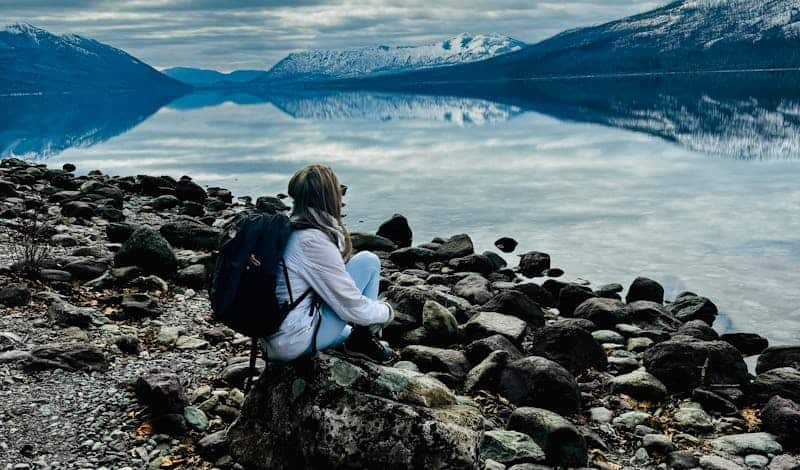
    A woman in warm clothing sits by a tranquil mountain lake, reflecting the surrounding landscape.
    Photo by Dana Wiggins, CPA

    Let’s talk about the thing that keeps a lot of people from ever starting: fear. Especially that 2 a.m. variety, when you’re alone in your tent and the forest is making noises.

    Here’s REI’s advice, and it’s gold: when you hear that twig snap in the middle of the night, take some deep breaths, bring yourself back to the present, and think logically. A forest makes all kinds of sounds at night, and the vast majority are completely harmless. Breathe through it. It passes.

    And here’s the flip side of staying calm: trust your gut. If a campsite or a situation just doesn’t feel right, listen to that. Experienced solo backpackers pack up and move, or head home, all the time. That’s not failure. That’s a skill.

    Worth remembering, too: statistically, the wilderness is one of the safer places you can be. The Washington Trails Association makes exactly this point, that the small risks of solo hiking are well worth taking for the life-changing rewards on the other side.

    Because that’s what’s really waiting out there. Not just a nice view. A version of you that’s a little braver, a little more capable, and a lot more sure of what you can handle. Solo backpacking has a way of teaching you that you’re more resilient than you ever gave yourself credit for. Whether you’re three miles up a familiar trail or three time zones from home, you’ll come back changed, in the best way.

    So tell someone your plan, pack the right gear, take that first step, and go. Your own solo adventure is waiting.


    Works Cited

    1. REI Co-op. “How to Solo Backpack.” REI Expert Advice. https://www.rei.com/learn/expert-advice/how-to-solo-backpack.html
    2. REI Co-op. “Backpacking Tips for Beginners: Getting Started.” REI Expert Advice.https://www.rei.com/learn/expert-advice/backpacking-beginners.html
    3. REI Co-op. “The Ten Essentials for Hiking & Camping.” REI Expert Advice. https://www.rei.com/learn/expert-advice/ten-essentials.html
    4. REI Co-op. “Sawyer Squeeze Water Filter System.” REI.com. https://www.rei.com/product/103050/sawyer-squeeze-water-filter-system
    5. U.S. National Park Service. “Staying Safe Around Bears.” https://www.nps.gov/subjects/bears/safety.htm
    6. U.S. National Park Service. “Storing Food: Bears.” https://www.nps.gov/subjects/bears/storingfood.htm
    7. Washington Trails Association. “On Unlearning Fear and Hiking Solo.” https://www.wta.org/news/magazine/features/on-unlearning-fear-and-hiking-solo
    8. Smith, Tom S., Stephen Herrero, et al. “Efficacy of Bear Deterrent Spray in Alaska.” Journal of Wildlife Management (via BearWise). https://bearwise.org/wp-content/uploads/2017/07/efficacy-of-bear-spray-smith-et-al.-2010.pdf
    9. Counter Assault. “Bear Spray vs. Pepper Spray.” https://counterassault.com/blogs/resources/bear-spray-vs-pepper-spray
    10. Garmin inReach Mini 2 (product listing). Amazon.com. https://www.amazon.com/Garmin-Lightweight-Satellite-Communicator-Handheld/dp/B09PSKG7C3
    11. Solo Traveler World. “Travel Insurance for Solo Travelers: Make Sure You’re Protected.” https://solotravelerworld.com/traveling-alone-travel-insurance-is-a-must/
    12. Solo Traveler World. “Conscious Travel: Tips for Respecting Local Cultures and Communities.” https://solotravelerworld.com/solo-travel-safety-cultural-respect/
    13. Remitly. “Key Cultural Etiquette Tips for International Travel.” https://www.remitly.com/blog/travel/cultural-etiquette-tips-for-international-travel/
    14. Hostelworld. “State of Solo Travel 2025.” https://www.hostelworld.com/state-of-solo-travel
    15. Hotelagio. “25+ Solo Travel Statistics and Trends (2025 Edition).” https://hotelagio.com/solo-travel-statistics/

    Note: Product pricing, model availability, permit rules, and statistics change over time. Verify current details with the source before relying on them.

  • The Complete Guide to Backpacking Tent Weight

    The Complete Guide to Backpacking Tent Weight

    The weight of your tent can make or break a backpacking adventure. As one of the heaviest items in your pack alongside food and water, your shelter choice influences everything from daily hiking performance to campsite comfort. In recent years, tent design has undergone a revolutionary transformation, driven by advances in material science and engineering innovation across the United States and globally.

    Modern backpackers face an unprecedented array of shelter options. Ultralight enthusiasts champion minimalist designs weighing mere ounces, while traditional tent manufacturers continue refining time-tested models for enhanced performance. This evolution in tent design has created both opportunities and challenges for outdoor enthusiasts seeking the perfect balance between weight and functionality.

    The impact of tent weight extends far beyond simple numbers on a scale. A lighter tent might allow you to hike farther or tackle more challenging terrain, while a slightly heavier shelter could provide superior protection in challenging weather conditions. Understanding these trade-offs, along with recent advances in durable materials and design principles, helps inform better decisions about this crucial piece of gear.

    Understanding Tent Weight Classifications

    Tent in desert after dusk
    Photo by Stephen Leonardi

    Navigating tent specifications requires understanding several distinct weight measurements that manufacturers use to describe their products. These classifications evolved to provide more transparent information about real-world tent weights, though they can initially seem confusing to newer backpackers.

    Trail Weight vs. Packed Weight

    Trail weight represents what most backpackers actually carry on the trail: the tent body, rainfly, and necessary poles for basic setup. This measurement provides the most realistic baseline for comparing different shelters, as it reflects the core components needed for functionality. However, trail weight doesn’t tell the complete story of what you’ll carry in your pack.

    Packed weight encompasses everything that comes in the box: the complete tent package including stuff sacks, stakes, guy lines, repair kits, and additional features like magnetic door toggles. This comprehensive measurement helps you understand the total investment in weight, though experienced backpackers often optimize their setups to carry less than the full packed weight.

    Minimum Weight and Real-World Considerations

    Minimum weight specifications often draw attention for their impressively low numbers, but this measurement deserves careful scrutiny. It typically represents a stripped-down configuration that might omit crucial components like stakes or guy lines. While appealing on paper, minimum weight setups rarely provide practical solutions for real-world camping conditions.

    Consider how these measurements translate to actual use. A typical lightweight tent might show significant variations across categories:

    Trail Weight: 2 pounds 8 ounces – The essential shelter components
    Packed Weight: 3 pounds 2 ounces – Everything included with purchase
    Minimum Weight: 2 pounds 4 ounces – Basic shelter without crucial extras

    Understanding these distinctions helps evaluate tents based on their actual impact on pack weight rather than marketing metrics. Most backpackers find their real-world carried weight falls between trail weight and packed weight, varying based on weather conditions, campsite requirements, and personal preferences.

    The Impact of Components on Overall Weight

    Each component of your tent setup contributes to the total weight in ways that might not be immediately obvious. Standard tent floors and bodies typically represent the bulk of a tent’s weight, while seemingly minor components like guy lines and stakes can add surprising ounces to your pack.

    Weather conditions and seasonal considerations further influence the weight you’ll actually carry. Shoulder seasons might require additional stakes for stability in high winds, while summer conditions might allow a minimalist setup. Understanding how these factors affect your total weight helps make more informed decisions about tent selection and configuration for specific trips.

    The relationship between base weight and tent choice becomes particularly crucial for long-distance hikers and weight-conscious backpackers. Every ounce saved on shelter weight contributes to reduced body weight stress over many miles of hiking. However, these savings must be balanced against the need for adequate protection and comfort in varying weather conditions.

    Materials and Construction: The Building Blocks of Modern Tents

    The evolution of tent materials represents one of the most significant advances in backpacking gear technology. From traditional polyester fabric to cutting-edge Dyneema composite fabrics, material selection influences not just weight, but durability, weather resistance, and long-term performance. Understanding these materials and their characteristics proves essential for informed tent selection.

    Traditional Materials and Their Evolution

    Modern nylon and polyester fabrics bear little resemblance to their predecessors. Advanced manufacturing techniques create stronger, lighter versions of these materials, while integrated ripstop patterns enhance durability without significant weight penalties. These conventional materials often provide the best balance of performance and value for most users.

    Tent floors face particularly demanding requirements, leading manufacturers to use higher denier materials in these high-stress areas. Standard tent floors typically feature reinforced weave patterns and robust waterproof coatings to ensure long-term reliability. While heavier than ultralight alternatives, these materials offer superior durability and generally better cost efficiency.

    Silicone-treated nylon (silnylon) represents a significant advancement in traditional material performance. This treatment enhances water resistance while maintaining fabric flexibility, though proper seam sealing remains crucial. Some manufacturers now apply double-sided silicone coatings, further improving durability and weather protection without excessive weight gain.

    Advanced Materials Technology

    Dyneema composite fabrics have revolutionized ultralight tent design, offering exceptional strength-to-weight ratios and built-in waterproofing. Unlike traditional nylon, these materials maintain consistent tension when wet, eliminating the sagging and stretching common in damp conditions. While their cost impacts tent pricing significantly, many ultralight enthusiasts find the performance benefits justify the investment.

    Key advantages of Dyneema include:

    • Natural waterproofing without additional treatment
    • Superior tear strength relative to weight
    • Enhanced UV resistance
    • Minimal stretch in varying conditions

    However, Dyneema shows distinct wear patterns, often developing stress points rather than gradual wear. Understanding these characteristics helps users manage long-term durability and maintenance requirements.

    Structural Elements and Support Systems

    Tent poles significantly influence both weight and performance. Modern aluminum alloys provide excellent strength-to-weight ratios at reasonable costs, while premium tents often utilize aerospace-grade aluminum for further weight reduction. Carbon fiber options push weight savings even further but require careful handling to prevent damage.

    Trekking pole shelters represent an innovative approach to weight reduction, eliminating dedicated poles entirely. While this design requires adaptation to different setup techniques, it can dramatically reduce packed weight for those already carrying trekking poles for hiking.

    Construction Techniques and Innovation

    Modern tent construction balances multiple competing demands through sophisticated engineering. Double-wall designs remain popular for their versatility and condensation management, though manufacturers now use lighter materials for inner tent bodies while maintaining durability in critical areas.

    Seam construction plays a vital role in tent performance. Advanced sewing techniques and strategic reinforcement create strong connections without excessive material overlap. Some ultralight designs utilize bonded seams alongside or instead of traditional sewing, further reducing weight while maintaining weather resistance.

    Ventilation systems demonstrate the sophistication of modern tent design. Peak vents provide essential airflow while adding minimal weight through careful material selection and placement. Double doors in two-person tents incorporate lighter materials and simplified designs without compromising functionality.

    Looking to the Future

    The tent industry continues advancing material technology. Hybrid materials combining traditional and ultralight fabric benefits show particular promise, potentially offering ultralight performance with improved durability and user-friendliness. Sustainable material development also gains importance, with manufacturers exploring recycled fabrics and environmentally conscious treatments that maintain high performance standards.

    This evolution in materials and construction techniques enables unprecedented choice in backpacking shelters. Understanding these elements helps users select tents that match their specific needs while maintaining appropriate weight and performance characteristics.

    Weight Categories and Analysis: Understanding Your Options

    tThe modern tent market spans three distinct weight categories, each representing different approaches to balancing performance and portability. From ultralight innovations to traditional designs, understanding these categories helps match your shelter choice to your specific needs and experience level.

    Ultralight Options (Under 2 Pounds)

    Ultralight tents represent the cutting edge of shelter design. Models like the Sub-12oz Plex Solo Lite demonstrate how advanced materials and innovative engineering can create remarkably capable shelters at previously impossible weights. These designs typically employ Dyneema composite fabrics and trekking pole support systems to minimize packed weight while maintaining essential protection.

    Rather than sacrificing all features for weight savings, modern ultralight designs incorporate thoughtful elements like storm doors and peak vents to manage condensation—particularly crucial in single-wall designs. The Duplex Lite exemplifies this evolution, creating functional living space while maintaining incredibly low weight. However, these shelters demand expertise in site selection and setup to perform optimally.

    Lightweight Designs (2-3 Pounds)

    The lightweight category offers perhaps the most versatile balance for most backpackers. Tents like the Big Agnes Tiger Wall and REI Co-op Half Dome SL showcase how modern engineering creates highly livable shelters without excessive weight. These double-wall tents excel in condensation management while offering more forgiving setup than their ultralight counterparts.

    Advanced pole structures and near-vertical walls maximize interior space without weight penalties. The Big Agnes Copper Spur series particularly demonstrates how free-standing designs can combine easy setup with reasonable weight through careful material selection. Strategic guy-out points and pole configurations ensure stability in challenging conditions without relying on heavy materials.

    Traditional Designs (3-4 Pounds)

    While heavier than ultralight options, modern traditional tents have evolved significantly from their predecessors. Contemporary materials and manufacturing techniques reduce weight while maintaining the robustness these shelters are known for. The extra ounces translate into enhanced weather protection, easier setup, and superior durability—qualities that many users find worthwhile, particularly in challenging conditions.

    Traditional designs typically feature higher denier fabrics throughout their construction, providing excellent puncture resistance and long-term durability. Multiple storage options and generous living space make these tents particularly valuable during extended trips or when weather keeps you tent-bound. For users prioritizing reliability and comfort over minimum weight, these shelters offer compelling advantages despite their additional ounces.

    Design Features and Benefits: Critical Elements of Modern Tents

    Tent under the stars with fire
    Photo by João Sampaio

    Modern tent design balances multiple competing factors to create functional, lightweight shelters. Each feature adds weight but potentially enhances performance, comfort, or durability. Understanding these trade-offs helps evaluate which features justify their weight for your specific needs.

    Support systems form the foundation of tent performance and stability. Traditional pole tents use sophisticated hub designs and lightweight materials to create stable structures while minimizing weight. Advanced aluminum alloys provide excellent strength-to-weight ratios, while carbon fiber options push weight savings even further. Trekking pole shelters eliminate dedicated poles entirely, though this weight saving requires adapting to different setup techniques.

    Door design significantly impacts both usability and weather protection. Magnetic door toggles represent a modern innovation that enhances convenience with minimal weight penalty. Double doors transform how two-person tents function, providing easy access and improved ventilation despite modest weight increase. Storm doors offer enhanced weather protection while maintaining accessibility, particularly valuable during shoulder seasons and challenging conditions.

    Ventilation systems prove crucial for comfort across varying conditions. Peak vents manage condensation effectively while adding minimal weight to the overall structure. Strategic placement of these vents, combined with thoughtful door design, creates effective airflow patterns that enhance comfort in diverse weather conditions. Double-wall tents particularly benefit from this systematic approach to ventilation, maintaining dry interiors even in challenging conditions.

    Floor design balances durability with weight savings. Standard tent floors use heavier materials in high-wear areas while reducing fabric weight elsewhere. Wide floor designs maximize usable space without proportional weight increase, while thoughtful geometry creates more livable space through vertical walls rather than additional material.

    Interior organization features enhance livability through careful design rather than pure addition of materials. Strategic pocket placement provides convenient storage without significant weight impact. Gear lofts and additional storage solutions help organize equipment while maintaining clean interior spaces. These features prove particularly valuable during extended trips or adverse weather when gear organization becomes crucial.

    Weatherproofing elements demonstrate how modern design achieves protection without excessive weight. Full-coverage rainflies provide superior weather resistance through careful cut and design rather than sheer material volume. Guy-out points enhance stability in high winds while adding minimal weight when properly engineered. MM z-line guy-lines offer exceptional strength at minimal weight, providing crucial stability in challenging conditions.

    Vestibule design transforms storage options and weather protection. Modern tents often incorporate vestibule space through clever geometry rather than additional material. Double vestibules in two-person tents provide convenient access and storage for both occupants while minimizing weight impact. These spaces prove particularly valuable for gear storage during wet conditions, keeping mud and moisture outside the main living space.

    Setup systems demonstrate significant evolution in tent design. Free-standing tents offer simplified setup while maintaining reasonable weight through innovative pole structures. Color-coded elements and intuitive designs reduce setup complexity without adding significant weight. Quick-clip attachments provide secure connections while facilitating rapid setup and breakdown.

    Seasonal adaptability features allow tents to perform across varying conditions. Removable layers and modular components provide flexibility without requiring users to carry unnecessary weight. Additional guy-out points and stake loops enable enhanced stability when needed while adding minimal base weight. These adaptable features prove particularly valuable during shoulder seasons when conditions vary significantly.

    Modern tents increasingly incorporate sustainability features without compromising performance. Recycled materials and environmentally conscious treatments demonstrate how innovation can enhance environmental responsibility while maintaining function. Durable designs that withstand long-term use ultimately reduce waste, though achieving this longevity often requires accepting some weight penalties.

    Each feature’s value depends heavily on intended use and personal preferences. Long distance hikers might prioritize different features than weekend backpackers or those frequently camping in challenging weather. The key lies in identifying which features enhance your specific camping experience enough to justify their weight impact.

    Weather Protection and Environmental Performance

    Wet Tent in Forest
    Photo by Darina Belonogova

    Modern tent design challenges traditional assumptions about the relationship between weight and weather protection. Advanced materials and innovative engineering enable remarkable weather resistance across all weight categories, proving that effective shelter depends more on thoughtful design than pure material mass.

    Rain Protection and Moisture Management

    Effective rain protection starts with tent geometry rather than material weight. Full-coverage rainflies direct water away from entry points and seams through careful design and strategic overlaps. High-quality tents across weight categories achieve superior weather protection through precise cut and assembly rather than excessive material.

    Condensation management represents one of the most significant challenges in tent design. Double-wall tents create an air barrier between interior and exterior layers, significantly reducing condensation buildup. While this design typically adds some weight compared to single-wall shelters, the improved moisture management often justifies the extra ounces, particularly in humid conditions or during shoulder seasons.

    Seam construction provides the final crucial element of weather protection. Factory-taped seams offer reliable waterproofing without field treatment, while some ultralight designs employ bonded seams to reduce weight. These construction methods prove particularly important during extended rain exposure, where repeated stress tests both materials and construction.

    Managing Wind and Stability

    Wind resistance depends heavily on tent geometry and setup options. Free-standing tents like the Big Agnes Tiger Wall achieve stability through strategic pole placement and integrated structure, while trekking pole shelters rely more on proper anchoring and site selection. Both designs can perform admirably in challenging conditions when properly deployed.

    Critical stability features include:

    • Multiple guy-out points for adaptable anchoring
    • MM z-line guy-lines offering superior strength at minimal weight
    • Reinforced attachment points in high-stress areas
    • Aerodynamic profiles that shed wind effectively

    The trade-off between interior space and wind performance requires careful consideration. Some designs incorporate low-angle walls for better wind shedding, while others maintain more vertical walls for livability. The best designs balance these competing demands through sophisticated geometry rather than additional material.

    Seasonal Adaptability

    Three-season tents dominate the backpacking market by balancing weather protection with weight efficiency. However, shoulder seasons demand additional consideration in tent selection and setup. Temperature variations increase condensation risk, while unstable weather patterns require more robust stability options.

    Peak vents play a crucial role in managing variable conditions. These carefully positioned openings help regulate temperature differences between inside and outside air, reducing condensation without compromising weather protection. Storm doors provide additional weather protection while maintaining access, particularly valuable during transitional seasons.

    Environmental Considerations

    Different environments create unique demands on tent performance:

    Alpine Settings High-altitude camping requires excellent wind resistance and condensation management. Free-standing tents typically offer advantages in exposed locations, while double-wall construction helps manage extreme temperature variations.

    Forest Environments Protected forest sites allow more focus on rain protection and ground moisture management. Robust tent floors and adequate ventilation take precedence over extreme wind resistance.

    Desert Conditions Hot, dry environments demand superior ventilation and UV protection. Single-wall designs might offer advantages through improved airflow, while material choice significantly impacts long-term durability under intense sun exposure.

    Long-Term Durability

    Environmental stresses affect tent materials differently over time. UV radiation poses a particular challenge, though modern fabrics incorporate better resistance. Polyester fabric generally maintains better performance under sustained UV exposure compared to nylon, sometimes justifying its slight weight penalty.

    Material choice influences long-term weather resistance:

    • Traditional nylon requires periodic waterproofing treatment
    • Dyneema maintains inherent waterproofing but shows different wear patterns
    • Polyester offers better UV resistance but may carry a small weight penalty
    • Modern coatings enhance durability but require proper care

    Understanding these long-term performance characteristics helps users select tents that maintain weather protection through extended use. While ultralight materials offer impressive initial performance, traditional materials often demonstrate better durability under sustained environmental stress.

    Space and Livability Considerations

    While tent weight often dominates purchasing decisions, interior space and livability ultimately determine long-term satisfaction with a shelter. Modern tent design creates functional living spaces through geometric efficiency rather than sheer volume, proving that comfort doesn’t always require additional weight.

    Interior Space Optimization

    Effective tent design starts with understanding how space actually functions in backcountry shelters. Simple floor space measurements tell only part of the story—wall angles, peak height, and interior volume all contribute to a tent’s practical livability. The Big Agnes Copper Spur exemplifies modern space optimization, using innovative pole structures to create near-vertical walls that maximize usable volume while maintaining reasonable weight.

    Height considerations significantly impact tent functionality. Strategic pole placement and tensioning systems create usable headroom for changing clothes and sitting upright, while thoughtful geometry ensures this space remains accessible throughout the tent’s interior. Modern designs achieve these benefits through careful engineering rather than additional material.

    Two-person tents demand particular attention to space efficiency. Wide floor designs provide adequate shoulder room for two sleepers, while the REI Co-op Half Dome SL demonstrates how careful design can create genuine two-person living space without excessive weight penalties. Symmetrical layouts ensure both occupants enjoy equal access to doors, storage, and headroom.

    Storage Solutions and Organization

    Modern tents transform storage capabilities through innovative design rather than added weight. Double vestibules provide dedicated storage space for each occupant in two-person tents, keeping wet gear outside while maintaining easy access. These spaces prove invaluable during extended trips or wet conditions, justifying their modest weight impact through enhanced functionality.

    Interior organization relies on strategic feature placement rather than extensive additions:

    • Mesh pockets positioned for easy access from sleeping areas
    • Gear lofts utilizing otherwise empty peak space
    • Strategic attachment points for customizable storage options
    • Thoughtful division of space between occupants

    Access and Movement

    Door design significantly influences daily tent life. Double doors eliminate the need for climbing over your partner, while magnetic door toggles enhance convenience during nighttime exits. These features add minimal weight while substantially improving usability, particularly during extended trips or challenging weather.

    Interior layout affects how easily occupants can move and organize gear. The best designs create natural paths for movement through thoughtful architecture rather than increased dimensions. Tent symmetry often proves more efficient for shared use, while single-person shelters might optimize space differently for solo occupants.

    Weather Impact on Living Space

    Weather conditions dramatically influence space requirements. Extended storm protection demands adequate interior space for waiting out bad weather, while vestibules create protected areas for cooking and gear organization. These considerations often justify slight weight increases, particularly for users frequently camping in challenging conditions.

    Ventilation design affects perceived spaciousness beyond simple air quality:

    • Peak vents reduce condensation while creating vertical space
    • Strategic airflow patterns improve comfort in confined areas
    • Double-wall construction manages moisture more effectively
    • Thoughtful door placement enables adjustable ventilation

    Long-Term Comfort Considerations

    Extended trips reveal the true value of thoughtful space design. Organization becomes increasingly important over time, while the ability to sit upright and move comfortably significantly impacts morale. Many long-distance hikers find that minimal weight savings don’t justify substantially reduced living space.

    Shoulder season camping presents additional space challenges:

    • Extra room needed for cold-weather gear storage
    • Increased importance of protected vestibule space
    • Greater need for internal organization options
    • Additional space for weather management

    Adaptability and Multiple Use

    Modern tents increasingly offer adaptable space solutions through modular design. Removable vestibules and adjustable ventilation systems provide flexibility without requiring users to carry unnecessary weight. Some designs incorporate optional groundsheets or modified setup options, allowing users to optimize their living space based on conditions and group size.

    This adaptability proves particularly valuable for users whose space needs vary between trips. Weekend adventures might allow minimal setups, while extended trips or challenging conditions might demand full-feature deployment. The best designs maintain reasonable weight while offering this versatility.

    Specialized Uses and Applications

    Tent on top of a mountain
    Photo by Luke Miller

    Different backpacking styles demand distinct approaches to shelter selection. From ultralight enthusiasts pursuing minimum weight to alpine campers requiring robust protection, understanding specialized needs helps identify appropriate trade-offs between weight, durability, and features.

    Long Distance Hiking

    Long-distance hiking presents unique challenges in tent selection. Base weight becomes crucial over extended trips, where every ounce impacts daily performance and fatigue levels. However, durability proves equally important, as equipment must maintain functionality through months of continuous use.

    Successful long-distance shelters balance multiple demands:

    • Minimal packed weight to reduce fatigue
    • Sufficient durability for extended use
    • Quick setup for efficient camp routines
    • Adequate space for gear organization
    • Reliable weather protection

    Many experienced distance hikers choose shelters like the Duplex Lite, which balances minimal weight with practical functionality. These designs typically employ trekking pole support and Dyneema composite fabrics to achieve remarkable weight savings. While such shelters require more setup expertise, the weight reduction proves invaluable over hundreds of trail miles.

    Alpine and High-Altitude Use

    High-altitude environments create exceptional demands on tent performance. Extreme weather, variable conditions, and exposed camping locations require shelters that prioritize stability and weather protection. The weight savings of ultralight designs must be carefully weighed against the need for reliable protection in challenging conditions.

    Critical features for alpine camping include:

    • Robust wind resistance through strategic pole placement
    • Multiple guy-out points for enhanced stability
    • Double-wall construction for condensation management
    • Adequate space for extended weather delays
    • Durable materials for rough terrain

    The Big Agnes Tiger Wall demonstrates how thoughtful design creates reliable alpine shelters without excessive weight. Free-standing tents typically offer advantages in exposed locations, providing stability through integrated structure rather than perfect staking conditions.

    Ultralight Backpacking

    Ultralight enthusiasts approach tent selection with weight as the primary consideration. The Sub-12oz Plex Solo Lite and similar designs push boundaries of weight reduction while maintaining essential protection. These users often accept more demanding setup requirements and less durability in exchange for significant weight savings.

    Successful ultralight shelter selection requires:

    • Understanding material limitations
    • Expertise in site selection
    • Advanced setup techniques
    • Careful maintenance practices
    • Acceptance of comfort trade-offs

    First principles of geometry guide ultralight tent design, creating stable structures with minimal material. These shelters reward users with dramatically reduced pack weight but demand more skill and attention in use.

    Group and Family Camping

    Shared tent use presents distinct challenges beyond solo backpacking. Two-person tents must balance adequate living space with reasonable pack weight, while considering ease of setup and durability for varying experience levels.

    Essential considerations for shared shelters:

    • Simplified setup for multiple users
    • Adequate space for gear and occupants
    • Multiple access points to reduce disruption
    • Enhanced durability for varied use
    • Reliable weather protection

    The REI Co-op Half Dome SL series exemplifies how designs can accommodate shared use while maintaining reasonable weight. Features like double doors and vestibules become more valuable in shared shelters, justifying their weight impact through improved functionality.

    Shoulder Season Camping

    Transitional seasons demand additional versatility from tent designs. Variable weather conditions increase the importance of adaptable features and reliable protection, often justifying slightly heavier but more robust shelter options.

    Key features for shoulder season use:

    • Enhanced ventilation control
    • Robust weather protection
    • Additional guy-out points
    • Adequate space for extra gear
    • Durable materials for varied conditions

    Peak vents and adjustable ventilation systems help manage varying conditions, while double-wall construction provides better condensation control. These features might add weight but prove invaluable when temperatures and conditions vary significantly.

    Desert and Hot Weather Camping

    Hot, arid environments create unique challenges for tent design and selection. Superior ventilation becomes crucial, while protection from intense sun exposure impacts both immediate comfort and long-term durability.

    Critical considerations include:

    • Maximum ventilation capability
    • UV-resistant materials
    • Dust protection features
    • Sturdy materials for abrasive conditions
    • Adequate shade options

    Some ultralight designs excel in these conditions, where minimum material allows maximum airflow. However, durability considerations often favor slightly heavier materials that better resist sun damage and abrasion.

    Making Your Decision: Choosing the Right Tent Weight

    Silhouette of Person Standing Near Camping Tent
    Photo by Cliford Mervil

    Selecting the optimal tent requires balancing multiple factors against your specific needs and experience level. While ultralight options might seem appealing, the best choice depends on a realistic assessment of your camping style, environmental challenges, and performance requirements.

    Evaluating Your Usage Pattern

    Start by analyzing your typical camping scenarios:

    Weekend Adventures Short trips allow more flexibility in tent selection. Weekend warriors might prioritize ease of use and comfort over minimum weight, making lightweight or traditional designs attractive options. The slight weight penalty of features like double doors or extra interior space often proves worthwhile for these users.

    Extended Backpacking Longer trips demand careful consideration of every ounce. Those planning thru-hikes or extended backcountry travel might justify the learning curve of ultralight shelters or trekking pole tents. However, durability becomes equally important, as equipment must maintain performance over many nights of use.

    Varied Conditions Consider your typical camping environment and seasonal usage. Protected forest sites allow different priorities than exposed alpine camps. If you frequently camp during shoulder seasons, weather variability might justify a slightly heavier but more adaptable shelter.

    Technical Considerations

    Experience Level Be honest about your technical camping expertise. Ultralight enthusiasts might comfortably use minimalist shelters that require careful setup and site selection, while occasional backpackers often benefit from more forgiving designs. Consider your comfort with:

    • Site selection requirements
    • Setup complexity
    • Condensation management
    • Weather adaptation techniques

    Environmental Demands Match your shelter to your most challenging expected conditions rather than average scenarios. A tent that performs poorly in demanding situations can compromise safety and comfort when you need protection most.

    Investment Considerations

    Initial Cost vs. Long-term Value While initial price often influences tent selection, consider the total cost of ownership. Higher-priced materials like Dyneema composite fabrics offer exceptional weight savings but command premium prices. Traditional materials typically cost less while providing excellent durability, potentially offering better value for some users.

    Durability and Replacement More durable materials might justify higher initial costs through extended lifespan, while ultralight materials often require more frequent replacement. Consider how much use your tent will receive and under what conditions. Some manufacturers offer discount codes seasonally, potentially making premium materials more accessible.

    Future Trends and Innovations in Tent Design

    The tent industry continues advancing through materials science and design innovation. Understanding emerging trends helps inform current purchasing decisions while anticipating future possibilities.

    Material Developments

    Hybrid Materials Research focuses on combining the benefits of traditional and ultralight fabrics. New composites promise to deliver ultralight performance with improved durability and user-friendliness. These developments might eventually bridge the gap between weight categories while maintaining reliable performance.

    Sustainable Innovation Environmental consciousness increasingly influences development, with manufacturers exploring:

    • Recycled fabric technologies
    • Environmentally conscious treatments
    • Sustainable manufacturing processes
    • Longer-lasting materials

    Design Evolution

    Advanced Engineering Computer-aided design and sophisticated testing methods enable more refined tent geometries. These tools help optimize designs for both weight and performance, suggesting future tents might achieve better space utilization while reducing material usage.

    Modular Approaches Manufacturers increasingly explore adaptable solutions for varying conditions. This might include:

    • Removable components for different seasons
    • Adjustable ventilation systems
    • Convertible designs for different group sizes
    • Interchangeable elements for specific conditions

    The Path Forward

    Future tent development likely focuses on refinement rather than revolution. Incremental improvements in materials and construction techniques will gradually reduce weight while enhancing durability and functionality. The best ultralight tents will become more accessible and user-friendly while maintaining their weight advantages.

    Conclusion: Finding Your Perfect Balance

    The ideal tent varies for each backpacker based on their unique needs and preferences. Understanding the relationships between weight, materials, design, and performance enables informed decisions that enhance your backcountry experience. Modern tent design offers unprecedented options, from ultralight shelters to refined traditional designs.

    Remember that the lightest option isn’t automatically the best choice for your adventures. Consider how you’ll actually use the tent, where you’ll take it, and what conditions you’ll face. Then choose a shelter that provides the optimal balance of weight, protection, and comfort for your specific needs. The perfect tent enhances your outdoor experience while providing reliable protection when you need it most.

  • Best Tripods for Backpacking (With Guide)

    Best Tripods for Backpacking (With Guide)

    Adding a full-sized tripod to your camera bag is one of those decisions that tests every backpacker’s commitment to photography. But for capturing those dawn-lit landscapes or star-filled skies, a sturdy tripod isn’t just nice to have—it’s essential. Unless you’ve somehow mastered the art of standing perfectly still like a statue for 30-second exposures, you’re going to need some help.

    The perfect lightweight tripod needs to check a lot of boxes. It should handle high winds at exposed summits, provide stability on uneven surfaces, and pack down small enough to fit comfortably in your camera bag. Whether you’re mounting mirrorless cameras for that perfect alpine glow or setting up DSLR cameras for long exposures of the Milky Way, stability in the backcountry is a big deal.

    But here’s the bottom line: finding the best travel tripod means striking a careful balance. Too flimsy, and your first encounter with challenging conditions turns your telephoto lenses into an expensive mistake. Too heavy a tripod, and that epic viewpoint might remain just out of reach.

    In this guide, we’ll walk you through the best ultralight tripods for backcountry photography. From carbon fiber tripods to more budget-friendly aluminum versions, we’ve tested these supports across traditional tripod territory and demanding wilderness conditions. Whether you’re considering the Peak Design tripod or exploring more affordable options, we’ll help you find that sweet spot between overall weight and real-world usability.

    The Complete Guide to Choosing a Backpacking Tripod

    Man in Gray Hoodie Sitting on Gray Stone With Dslr Camera Tripod
    Photo by Stefan Stefancik

    Before we dive into specific models, let’s break down what really matters in a backpacking tripod. After all, the last thing you want is to haul your chosen tripod to that perfect sunset spot, only to watch your expensive camera gear perform an unexpected base jumping demonstration.

    Weight and Material: The Foundation of Your Choice

    The eternal debate between carbon fiber and aluminum has plagued photographers since carbon fiber first entered the scene. While the weight difference might seem minimal on paper, those few ounces can feel like pounds after a long day on the trail. Understanding the pros and cons of each material will help you make the right choice for your needs and budget.

    Carbon Fiber vs. Aluminum

    Carbon fiber tripods typically offer the best strength-to-weight ratio, with high-end models weighing under 2.5 lbs. However, they come with some significant trade-offs that you’ll need to consider carefully:

    Carbon Fiber Pros:

    • Significantly lighter than aluminum
    • Better vibration dampening
    • More stable in cold weather
    • Generally more durable

    Carbon Fiber Cons:

    • Much more expensive
    • Can shatter under extreme impact
    • Repairs are difficult or impossible

    The aluminum alternative offers its own compelling set of advantages and disadvantages:

    Aluminum Pros:

    • More affordable
    • Survives drops better
    • Easier to repair
    • Good value for money

    Aluminum Cons:

    • Heavier (usually by 20-30%)
    • Colder to handle in winter
    • More prone to vibration

    For backpacking purposes, we strongly recommend keeping your overall tripod weight under 3 pounds. While carbon fiber is the premium choice for frequent backcountry use, don’t dismiss aluminum options – they can offer exceptional value for the occasional adventurer.

    Height Considerations: Finding Your Sweet Spot

    Height adjustment range might seem straightforward, but it’s one of the most misunderstood aspects of tripod selection. The perfect tripod should adapt to both your shooting style and the diverse scenarios you’ll encounter in the field.

    Maximum Height

    Finding the right maximum height is about more than just matching your eye level. Consider your shooting environment and typical subjects when evaluating this crucial measurement. While manufacturer specs might boast impressive numbers, remember that stability decreases as you extend your tripod to its limits.

    The ideal maximum height depends on several factors:

    • Eye level (recommended): Your height minus 4-6 inches
    • Typical range: 50-60 inches
    • Extended center column use: Best avoided in windy conditions

    Minimum Height

    Low-angle shooting capabilities often prove more valuable than photographers initially expect. The ability to get close to the ground can transform an ordinary landscape into something extraordinary. When evaluating minimum height, consider both the specified measurement and how the tripod achieves it.

    Key considerations for minimum height include:

    • Optimal range: 4-8 inches from ground
    • Ground level shooting: Look for legs that spread to 180 degrees
    • Remove center column: Some models allow this for ultra-low shots

    Stability Features: The Details That Matter

    Stability is the cornerstone of any good tripod, but in the backcountry, it becomes absolutely crucial. While marketing materials often focus on maximum height and weight capacity, the real measure of a tripod’s worth lies in its ability to keep your camera steady in less-than-ideal conditions. Understanding the various components that contribute to stability will help you make an informed decision.

    Leg Sections

    The number of leg sections in your tripod isn’t just about packed size – it’s a crucial factor in overall stability. Think of it like a climbing rope: the fewer points of connection, the more reliable the system. However, as with most aspects of backpacking gear, it’s all about finding the right balance.

    Traditional wisdom suggests:

    • 3 sections: Most stable, but longer when folded
    • 4 sections: Good balance of stability and packed size
    • 5 sections: Most compact, but requires more setup time

    Leg Locks

    The debate between twist locks and flip locks rivals the great carbon fiber vs. aluminum discussion. Each system has earned its loyal followers, and for good reason. Your choice here will affect not just setup speed but also long-term reliability and maintenance needs.

    Twist Locks: A favorite among nature photographers, twist locks offer several advantages:

    • Faster operation when properly maintained
    • Better weather sealing
    • More compact
    • Can be harder to use with gloves

    Flip Locks: Popular with landscape photographers who often shoot in challenging conditions:

    • Easy visual confirmation of lock status
    • Better in sandy/muddy conditions
    • Simpler maintenance
    • Slightly bulkier

    Center Column

    The center column is perhaps the most misunderstood component of a tripod’s stability system. While it’s tempting to think of it as just another way to gain height, its use (or removal) can dramatically affect your tripod’s performance.

    Consider these factors when evaluating center column design:

    • Raises minimum height when installed
    • Reduces stability when extended
    • Some models offer removable/reversible columns
    • Consider models with a short center column option

    Weather Resistance and Durability: Built for the Elements

    Anyone can make a tripod that works perfectly in a studio. The true test comes when you’re setting up in driving rain, on a windy ridge, or in freezing conditions. Weather resistance isn’t just about surviving the elements – it’s about performing reliably when you need it most.

    Environmental Considerations

    Different environments pose unique challenges to your equipment. The best tripod for desert photography might struggle in humid coastal conditions. Understanding these challenges helps you choose gear that won’t let you down when it matters most.

    Climate-specific features to consider:

    • Beach/Desert: Sealed leg locks to prevent sand ingress
    • Winter: Non-freezing leg locks and good grip texture
    • Wet conditions: Rust-resistant materials and sealed joints

    Maintenance Requirements

    A well-maintained tripod can last decades, while a neglected one might fail when you need it most. Different materials and designs require different levels of care, and understanding these requirements upfront can help you choose a tripod that fits your maintenance tolerance.

    Regular maintenance considerations:

    • Carbon fiber: Needs joint cleaning and occasional tightening
    • Aluminum: Requires lubrication and corrosion prevention
    • Leg locks: Regular cleaning and lubrication
    • Ball head: Periodic tension adjustment

    Additional Features: Beyond the Basics

    Silhouette of Man Standing on Rocks
    Photo by Venelin Dimitrov

    While the fundamental aspects of stability and weight are crucial, modern tripods offer features that can significantly enhance your shooting experience. These extras shouldn’t be the primary factor in your decision, but they can certainly tip the scales when choosing between similar models. Let’s explore which features actually add value in the field and which might just be marketing hype.

    Ball Head Quality

    The ball head is your tripod’s command center – the interface between your stable platform and creative vision. Many photographers make the mistake of focusing solely on the legs while overlooking this crucial component. A subpar ball head can transform an otherwise excellent tripod into a frustrating experience.

    Key aspects of a quality ball head include:

    • Smooth operation under load
    • Reliable friction control
    • Independent panning base
    • Quick-release compatibility

    When evaluating ball heads, pay special attention to the locking mechanism’s feel. It should inspire confidence with every adjustment, not anxiety about your gear’s safety. Remember that a good ball head often costs about one-third of your total tripod investment – and it’s worth every penny.

    Specialized Features

    Modern tripods often come with innovative features that can expand their versatility. While some of these might seem gimmicky at first glance, certain additions can genuinely enhance your shooting experience. The trick is identifying which ones align with your shooting style.

    Valuable features to consider:

    • Monopod conversion capability
    • Built-in phone mounts
    • Removable feet for spike/claw options
    • Bubble levels for precise alignment

    The key is to avoid being seduced by features you’ll rarely use. That built-in smartphone mount might seem clever, but if you’re primarily shooting with a DSLR, it’s just adding unnecessary weight to your pack.

    Packed Size Considerations

    In the excitement of comparing features and specifications, many photographers overlook a crucial real-world consideration: how will you actually carry this thing? Your tripod’s packed size affects not just portability but also your likelihood of bringing it along on any given adventure.

    Think about your typical carrying scenarios:

    • Standard backpack attachment: Under 20 inches ideal
    • Carry-on compatibility: Check airline restrictions
    • Internal pack storage: Consider folded diameter

    Remember, the best tripod in the world is useless if it’s sitting at home because it was too cumbersome to pack.

    Investment Considerations: The Long View

    A Tripod in the Bag
    Photo by Deybson Mallony

    Purchasing a tripod shouldn’t be viewed as a simple transaction but rather as a long-term investment in your photography. While it’s tempting to focus on the initial price tag, understanding the total cost of ownership will help you make a more informed decision that you won’t regret down the trail.

    Long-term Value

    The old adage “buy nice or buy twice” particularly applies to tripods. Many photographers can tell stories about working their way through several cheaper tripods before finally investing in the one they should have bought in the first place. Consider these price tiers and what they typically offer:

    Entry-level ($100-200):

    • Good for occasional use
    • Suitable for lighter camera setups
    • May need replacement sooner
    • Limited feature set

    Mid-range ($200-400):

    • Best value for regular users
    • Solid build quality
    • Good feature set
    • Reliable performance

    Premium ($400+):

    • Professional-grade materials
    • Exceptional stability
    • Lifetime warranty potential
    • Maximum weight savings

    Hidden Costs and Considerations

    The sticker price rarely tells the whole story. A complete tripod setup often requires additional investments that should factor into your budget planning.

    Potential additional expenses:

    • Quick release plates or L-brackets
    • Replacement feet for different terrain
    • Protective or carrying cases
    • Maintenance supplies and tools

    More importantly, consider these long-term factors:

    • Warranty coverage and service options
    • Availability of replacement parts
    • Brand reputation for customer support
    • Resale value potential

    Making the Final Decision

    At the end of the day, choosing a tripod is about balancing competing priorities: weight vs stability, packed size vs maximum height, features vs simplicity, and of course, price vs performance. The key is understanding which compromises you can live with and which ones will drive you crazy on the trail.

    Consider starting with these questions:

    1. What’s your most common shooting scenario?
    2. How far do you typically hike with your gear?
    3. What’s the heaviest lens you’ll realistically use?
    4. How often will you actually use this tripod?

    Your honest answers to these questions will guide you toward the right choice – one that you’ll actually use rather than leave at home because it’s too heavy, too cumbersome, or too precious to risk in the field.

    Product Reviews: The Best Tripods for Backpacking

    Finding the perfect balance between stability and portability is crucial when selecting a backpacking tripod. Through careful research and analysis of photographer experiences, we’ve identified the top contenders that excel in backcountry conditions. Each of these tripods offers unique advantages for different types of outdoor photographers.

    Peak Design Travel Tripod (Carbon Fiber)

    [lasso id=”5484″ link_id=”4910″ ref=”amzn-peak-design-travel-tripod-carbon-fiber-ultra-portable-stable-and-compact-professional-camera-tripod” title=”hide”]

    Peak Design’s entry into the tripod market marked a significant shift in travel tripod design. Their innovative approach challenges traditional tripod construction while addressing the core needs of outdoor photographers.

    Design and Build Quality

    The standout feature is the tripod’s revolutionary leg design. Instead of traditional cylindrical legs, Peak Design created a unique triangular profile that virtually eliminates dead space when folded. This results in a remarkably compact package about the diameter of a water bottle – a game-changer for backpackers with limited space.

    The carbon fiber construction exemplifies premium quality, from the smooth leg extensions to the precision-engineered joints. Every component feels purposeful, suggesting careful attention to durability and long-term reliability. Even the included bag demonstrates thoughtful design with its weatherproof construction and practical attachment points.

    Performance

    The tripod demonstrates remarkable stability despite its streamlined design. The integrated ball head provides smooth operation and reliable support for most camera setups. A particularly clever touch is the integrated phone mount stored within the center column – an increasingly valuable feature as mobile photography continues to evolve.

    Limitations and Considerations

    Innovation often comes with compromise. The unique design requires an adjustment period, and the proprietary quick-release system means you’re committed to Peak Design’s ecosystem. The premium price point also places it firmly in the investment category of photography gear.

    Who This Is For:

    • Photographers who prioritize packed size
    • Mirrorless and lighter DSLR users
    • Those willing to invest in premium gear
    • Photographers who appreciate innovative design

    Key Specifications:

    • Load Capacity: 20 lbs (9.1 kg)
    • Maximum Height: 60″ (152.4 cm)
    • Folded Length: 15.4″ (39.1 cm)
    • Weight: 2.81 lbs (1.27 kg)

    Manfrotto BeFree Advanced Carbon Fiber

    [lasso id=”5486″ link_id=”4911″ ref=”amzn-manfrotto-befree-advanced-4-section-carbon-fiber-travel-tripod-with-494-center-ball-head-black” title=”hide”]

    Manfrotto’s reputation for reliable camera support shines through in the BeFree Advanced. This tripod strikes an impressive balance between professional features and practical portability, making it a compelling option for serious outdoor photographers who want quality without breaking the bank.

    Design and Build Quality

    The BeFree Advanced showcases Manfrotto’s decades of tripod-building expertise. The carbon fiber legs feature a practical four-section design that balances packed size with stability. Each component reflects careful engineering, from the M-lock twisting leg locks to the precisely machined ball head mount.

    The tripod’s build inspires confidence without feeling overbuilt. The carbon fiber construction provides excellent vibration dampening – a crucial feature when shooting in variable outdoor conditions. The leg angle selectors are particularly well-designed, offering secure positioning without adding unnecessary bulk.

    Performance

    Where this tripod truly excels is in its stability-to-weight ratio. The legs deploy smoothly and lock securely, creating a reliable platform for both still photography and long exposures. The included ball head operates smoothly under load, with well-implemented friction control that makes fine adjustments predictable and precise.

    Limitations and Considerations

    The proprietary Quick Release system, while secure, means you’ll need to stick with Manfrotto plates or adapt other systems. Some photographers may find the maximum height slightly lower than competitors, though this rarely impacts real-world shooting.

    Who This Is For:

    • Enthusiast photographers seeking professional features
    • Those wanting carbon fiber benefits at a mid-range price
    • Photographers who value established brand reliability
    • Users who prioritize stability over minimum packed size

    Key Specifications:

    • Maximum Height: 59.1″ (150 cm)
    • Folded Length: 15.75″ (40 cm)
    • Weight: 2.75 lbs (1.25 kg)
    • Load Capacity: 17.6 lbs (8 kg)

    K&F Concept TM2515M1 Carbon Fiber

    [lasso id=”5487″ link_id=”4912″ ref=”amzn-kf-concept-68-inch-175cm-camera-tripodscompact-travel-tripod-with-monopod10kg-22lbs-load-capacity-360-panorama-ball-head-compatible-with-dslr-cameras-k255a4bh-28l-tm2515m1″ title=”hide”]

    The K&F Concept TM2515M1 challenges the notion that carbon fiber tripods must come with premium price tags. This tripod brings advanced materials and features to a more accessible price point, making it an intriguing option for photographers entering the world of carbon fiber support.

    Design and Build Quality

    For its price point, the TM2515M1 offers surprisingly refined construction. The carbon fiber legs feel substantial, and the aluminum components are well-machined. The convertible monopod feature – allowing one leg to be used independently – adds versatility that many higher-priced competitors don’t offer.

    The twist-lock leg mechanisms operate smoothly, though they require slightly more turns than premium models. The center column includes a spring-loaded weight hook, a thoughtful addition for adding stability in windy conditions. The included ball head features separate pan and ball locks, enabling more precise control over camera movements.

    Performance

    Where this tripod really shines is in its versatility. The legs adjust to multiple angles, allowing for very low-angle shooting, and the reversible center column enables macro work. The ball head’s movement is smooth, though it may require occasional tension adjustments with heavier setups.

    The load capacity proves more than adequate for most enthusiast setups, easily handling a full-frame camera with standard zoom lens. While it’s slightly heavier than premium options, the weight difference is less noticeable than the price difference might suggest.

    Limitations and Considerations

    The extra weight (3.3 lbs) might give ultralight enthusiasts pause, and the leg locks require more maintenance to maintain smooth operation. The included bag is functional but basic compared to premium offerings.

    Who This Is For:

    • Photographers wanting carbon fiber benefits on a budget
    • Those needing monopod functionality
    • Photographers who value versatility over minimum weight
    • Users willing to perform regular maintenance

    Key Specifications:

    • Maximum Height: 68″ (173 cm)
    • Folded Length: 20″ (51 cm)
    • Weight: 3.3 lbs (1.5 kg)
    • Load Capacity: 22 lbs (10 kg)

    HEIPI Carbon Fiber Tripod

    [lasso id=”5488″ link_id=”4913″ ref=”amzn-heipi-camera-tripod-3-in-1-travel-tripod-lightweight-tripod-camera-stand-with-universal-phone-holderprofessional-travel-dslr-tripods-compatible-with-cell-phonesprojectorwebcam-max-load-55-1lb” title=”hide”]

    HEIPI’s entry into the premium tripod market brings some unique innovations to the table, particularly for photographers who specialize in long exposures and night photography. While less well-known than some competitors, this tripod offers features that merit serious consideration.

    Design and Build Quality

    The standout feature is HEIPI’s innovative “subtripod” design, which adds stability through clever engineering rather than just bulk. The carbon fiber construction demonstrates excellent attention to detail, from the smooth leg extensions to the precisely machined joints.

    The tripod incorporates advanced vibration dampening features, suggesting particular attention to the needs of long-exposure photographers. The ball head design prioritizes precise adjustments, with separate controls for pan, tilt, and friction.

    Performance

    This tripod particularly excels in challenging shooting conditions. The stability features prove especially valuable for night photography and long exposures, where even minor vibrations can impact image quality. The leg lock system allows for quick deployment while maintaining security under load.

    The overall rigidity is impressive, with minimal vibration even in sub-optimal conditions. While specific height specifications aren’t widely published, the tripod offers competitive maximum height with other professional options in its class.

    Limitations and Considerations

    The innovative features come with a learning curve, and some photographers might find the specialized design more complex than necessary for general use. Availability can be limited compared to more established brands.

    Who This Is For:

    • Night photography enthusiasts
    • Long exposure specialists
    • Photographers who value innovative stability features
    • Those seeking professional-grade support for specialized shooting

    Key Specifications:

    • Weight: 2.65 lbs (1.2 kg)
    • Advanced stability features
    • Professional-grade ball head
    • Carbon fiber construction

    3 Legged Thing Leo 2.0

    [lasso id=”5489″ link_id=”4914″ ref=”amzn-3-legged-thing-leo-kit-2-0-carbon-fibre-travel-tripod-system-metallic-slate-grey-leokitgrey2″ title=”hide”]

    The 3 Legged Thing Leo 2.0 brings British innovation to the travel tripod market. With its distinctive design and impressive versatility, it stands out in a crowded field by offering features typically found only in more expensive models.

    Design and Build Quality

    The Leo 2.0’s design philosophy emphasizes adaptability. The carbon fiber legs feature a unique mounting system that allows for various configurations, including conversion to a monopod or boom arm. The distinctive bronze anodized hardware adds both style and durability to frequently handled components.

    The tripod’s build quality reflects serious attention to detail. The leg locks operate smoothly, and the adjustable friction controls allow users to fine-tune the response of moving parts. The included ball head offers separate pan control and an Arca-Swiss compatible plate system.

    Performance

    Where the Leo 2.0 truly impresses is its load capacity – rated at 66 pounds, it’s one of the strongest options in our roundup. This overbuilt nature provides exceptional stability for typical camera setups, with plenty of headroom for unusual configurations or heavy telephoto lenses.

    The minimum height of 4.7 inches enables dramatic low-angle shots, while the maximum height provides comfortable eye-level viewing for most photographers. The ability to spread the legs at multiple angles adds valuable flexibility when working on uneven terrain.

    Limitations and Considerations

    At 3.18 pounds, it’s not the lightest option available, though the weight feels justified given its versatility and load capacity. Some users might find the multiple adjustment points take time to master.

    Who This Is For:

    • Photographers needing exceptional load capacity
    • Those who value versatility and adaptability
    • Users who appreciate unique design aesthetics
    • Photographers working with varied camera configurations

    Key Specifications:

    • Maximum Height: 60.6″ (154 cm)
    • Minimum Height: 4.7″ (12 cm)
    • Weight: 3.18 lbs (1.44 kg)
    • Load Capacity: 66 lbs (30 kg)

    Choosing Your Perfect Backpacking Tripod: Final Thoughts

    After exploring the crucial elements of lightweight tripods—from carbon fiber construction to essential stability features—we’ve provided a detailed roadmap for selecting the perfect companion for your outdoor photography adventures. Our comprehensive guide walked through how maximum height, leg locks, center column design, and overall weight combine to create a tripod that’s both functional in windy conditions and practical for long treks with your camera gear.

    The art of landscape photography demands more than just good camera bodies and sharp lenses. When shooting in challenging backcountry conditions, having a sturdy tripod can mean the difference between a crisp, professional-quality image and a disappointing blur. Whether you’re working with mirrorless cameras or traditional DSLR cameras, the right support system is crucial for everything from long exposures to low-light situations.

    Understanding Real-World Application

    Through our research, we’ve seen how different tripod designs perform across various scenarios. From capturing dawn light on uneven surfaces to setting up your spotting scope for wildlife photography, each situation demands specific features. Ball head performance, friction control, and quick release mechanisms become particularly important when you’re working in challenging conditions or with telephoto lenses.

    Our Top Recommendations by Use Case

    After careful evaluation of folded length, minimum height, and load capacity across our reviewed models, here’s how they best serve different photographer needs:

    For Ultimate Portability and Travel:

    • Peak Design’s revolutionary compact design

    For Professional-Grade Stability:

    • Manfrotto BeFree’s excellent stability-to-weight ratio

    For Maximum Versatility:

    • 3 Legged Thing Leo 2.0’s impressive load capacity
    • HEIPI’s specialized features for challenging conditions

    For Budget-Conscious Photographers:

    • K&F Concept’s accessible carbon fiber option

    Looking to the Future

    As camera gear continues to evolve, with traditional tripods adapting to modern photography needs, we’re seeing exciting innovations in materials and design. From advanced carbon fiber versions to clever solutions for the smallest tripod footprint, manufacturers continue to push the boundaries of what’s possible in portable camera support.

    The best lightweight tripod for your backpacking adventures isn’t necessarily the most expensive or feature-laden option—it’s the one that reliably supports your creative vision while meeting your practical needs on the trail. Whether you’re prioritizing maximum stability for those crucial long exposures, seeking the perfect balance between load capacity and portability, or looking for the best value in a carbon fiber tripod, your choice should align with both your photography goals and your willingness to carry it.

    Remember: Great landscape photography happens when preparation meets opportunity. The right tripod isn’t just another piece of gear—it’s an investment in your creative potential, enabling you to capture those fleeting moments of perfect light that make outdoor photography so rewarding. Choose the tool that you’ll actually want to bring along on every adventure, and you’ll never miss those magical moments when stability matters most.

  • Firepot Dehydrated Meals for Backpacking

    Firepot Dehydrated Meals for Backpacking

    Picture this: You’re on top of the world. Well, maybe just a really big hill in the United Kingdom. Your legs feel like jelly, but your heart’s soaring. The sun’s painting the sky in Instagram-worthy hues, and your stomach’s growling louder than a bear. You reach for your pack, dreading another bland energy bar. But wait! What’s this?

    You pull out a yellow waterproof pouch that promises a gourmet meal in minutes. Nope, you’re not dreaming. Welcome to the world of Firepot – dehydrated meals that are revolutionizing trail cuisine.

    Gone are the days of choking down contrived camping food or textureless mush. Firepot foods are here to save your taste buds (and your morale). These aren’t just dehydrated rations; they’re complete meals, a real meal revolution in a pouch. We’re talking posh pork, chilli con carne, and even smoky tomato paella. Real food, real flavors, real game-changer.

    Steam over Pot on Campfire
    Photo by Bilal Furkan KOŞAR

    Imagine tucking into a steaming beef stew while stargazing. Or kickstarting your day with some spicy pork noodles before conquering that challenging trail. Fancy some vegan options? Their chilli non carne has got you covered. Sounds more like glamping than camping, right? But here’s the kicker – it’s all coming from a lightweight pouch in your backpack. Mind. Blown.

    Firepot, straight outta Denhay Lane, crafts these meals in small batches. They use top-notch ingredients like pearl barley, red kidney beans, and British pork. No freeze-dried ingredients or artificial nasties here. Just add the right amount of water (hot or cold), and you’ve got yourself a gourmet base camp food in minutes.

    In this guide, we’re diving deep into the Firepot world. We’ll unpack the magic behind these meals, walk you through the stupidly simple prep, and highlight some all-star dishes. From their firepot mini taster pack to their hearty main meal options, we’ve got the whole thing covered. Whether you’re a seasoned trail warrior, a family of first-time campers, or just someone who likes their outdoor eats to actually taste good, stick around.

    Oh, and for all you eco-warriors out there? Firepot’s got your back too. Their compostable bio bags mean you can enjoy top-notch trail food without the guilt. Plus, with free UK delivery on many orders, getting your hands on these goodies is a breeze.

    So, zip up those waterproof jackets, hoist that dry bag, and get ready for a flavor adventure. Firepot’s about to show you that “roughing it” doesn’t have to mean rough eating. Whether you’re craving a rice meal, dreaming of beef stroganoff, or just want a decent texture in your camp food, Firepot’s got you covered. Let’s dig in and discover why these aren’t your average dehydrated rations!

    Understanding Dehydrated Meals: A Backpacker’s Best Friend

    A Person Cooking Oatmeal
    Photo by Taryn Elliott

    When it comes to fueling your outdoor adventures, dehydrated meals have become a go-to choice for many backpackers, hikers, and outdoor enthusiasts. But what exactly are dehydrated meals, and why have they gained such popularity in the world of outdoor cuisine?

    What Are Dehydrated Meals?

    Dehydrated meals are pre-cooked foods with the moisture removed. It’s different from freeze-drying, where food is frozen then dried in a vacuum. Dehydration keeps the food good while making it super light—perfect for backpackers trying to save space and weight.

    Firepot does dehydration differently. Unlike freeze-dried meals that can turn to mush, Firepot’s process keeps the texture and flavor intact. The result? Food that actually feels and tastes like a home-cooked meal.

    The Science Behind Dehydration

    The principle behind food dehydration is simple yet effective. By removing water from food, you create an environment that’s inhospitable to the microorganisms that cause food spoilage. This process extends the shelf life of the food substantially, making it ideal for long trips or emergency supplies.

    Benefits of Dehydrated Meals for Backpacking

    1. Lightweight: With most of the water removed, dehydrated meals are significantly lighter than their fresh counterparts.
    2. Compact: Dehydrated foods take up less space in your pack, allowing you to carry more supplies or reduce your overall load.
    3. Long Shelf Life: Properly stored dehydrated meals can last for months or even years, making them perfect for long-term storage and emergency kits.
    4. Nutritional Value: Unlike some other preservation methods, dehydration retains much of the food’s original nutritional value.
    5. Variety: From hearty stews to vegetarian risottos, there’s a wide range of dehydrated meal options to suit various dietary needs and preferences.
    6. Easy Preparation: Most dehydrated meals only require the addition of hot water and a short waiting period before they’re ready to eat.

    Dehydrated vs. Freeze-Dried: Understanding the Difference

    While both dehydrated and freeze-dried foods are popular among outdoor enthusiasts, they have some key differences that can impact your trail dining experience.

    Preservation Process

    The most fundamental difference lies in their preservation processes. Dehydrated foods are dried using hot air, which slowly removes moisture, while freeze-dried foods are frozen and then dried in a vacuum, which sublimes the ice directly into vapor.

    Texture and Rehydration

    These different processes result in distinct textures and rehydration characteristics. Dehydrated foods often retain a denser texture, which many find more similar to fresh food. They typically take longer to rehydrate but often reward the patient outdoor chef with a more satisfying mouthfeel. Freeze-dried foods, on the other hand, tend to be lighter and crispier in their dry state and rehydrate more quickly, but some find the texture less appealing.

    Taste and Flavor

    When it comes to taste, this is where dehydrated meals, especially those made with high-quality ingredients like Firepot’s, often shine. The slow dehydration process can help concentrate flavors, resulting in meals that taste more like home-cooked food. This is particularly true when the meals are prepared in batches before dehydration, as Firepot does, rather than dehydrating individual ingredients separately.

    Considerations When Choosing Dehydrated Meals

    Selecting the right dehydrated meals for your outdoor adventures involves more than just picking flavors that appeal to you. It’s about finding the right balance of nutrition, convenience, and enjoyment to fuel your activities and satisfy your palate.

    Nutritional Content

    Nutritional content should be at the forefront of your decision-making process. Look for meals that provide a good balance of carbohydrates for energy, proteins for muscle repair, and fats for sustained fuel. For longer trips, pay attention to the calorie-to-weight ratio. Meals that pack more calories per ounce can help you maximize your food’s energy content while minimizing pack weight.

    Ingredient Quality

    Ingredient quality is another crucial factor. Opt for meals made with real, whole food ingredients rather than heavily processed components. This is where Firepot truly stands out, using locally sourced, natural ingredients in their recipes.

    Dietary Restrictions

    Don’t forget to consider any dietary restrictions you or your trail companions might have. Many brands now offer options catering to specific dietary needs, such as vegetarian, vegan, or gluten-free meals. It’s also wise to be aware of the sodium levels in dehydrated meals, as they can sometimes be high to enhance flavor and preservation.

    Preparation Requirements

    Lastly, think about the preparation requirements. Consider how the meals need to be prepared in the context of your trip. Do you need boiling water? How long do they need to rehydrate? Meals that align with your available resources and time constraints will enhance your outdoor dining experience.

    By keeping these factors in mind, you can choose dehydrated meals that not only fuel your body but also satisfy your taste buds, making your outdoor adventures all the more enjoyable.

    Essential Equipment and Preparation Tips for Dehydrated Meals

    Outdoor Cooking Tools on a Cliff of a Mountain
    Photo by Taryn Elliott

    While one of the main attractions of dehydrated meals like Firepot is their simplicity, having the right equipment and knowledge can elevate your outdoor dining experience from merely convenient to truly enjoyable. Let’s explore the essentials you’ll need and some tips to make the most of your trail cuisine.

    Key Equipment for Preparing Dehydrated Meals

    Camping Stove

    A reliable, lightweight camping stove is the cornerstone of your outdoor kitchen. When choosing a stove, consider factors like fuel type, weight, and simmer control. For most backpackers, a small canister stove that runs on isobutane-propane fuel offers a good balance of convenience and performance.

    MSR PocketRocket 2 Mini Stove Kit
    [lasso id=”5425″ link_id=”4845″ ref=”amzn-msr-pocketrocket-2-ultralight-camping-and-backpacking-mini-stove-kit” title=”hide”]

    The MSR PocketRocket 2 is a standout choice for ultralight backpackers. Weighing a mere 2.6 ounces, it’s incredibly portable without sacrificing performance. It can boil a liter of water in about 3.5 minutes, making it efficient for preparing Firepot meals. The stove’s excellent simmer control allows for versatile cooking beyond just boiling water. However, its performance can be affected in windy conditions, so consider your typical camping environment. Despite its compact size, the PocketRocket 2 features stable pot support arms, ensuring your Firepot meal stays put while cooking.

    Jetboil MiniMo Stove System
    [lasso id=”5426″ link_id=”4846″ ref=”amzn-jetboil-minimo-camping-and-backpacking-stove-cooking-system-with-adjustable-heat-control-adventure” title=”hide”]

    For those who prefer an integrated cooking system, the Jetboil MiniMo is worth considering. While heavier at 14 ounces, it offers impressive speed, boiling water in just 2-3 minutes. Its standout feature is the excellent simmer control, perfect for more gourmet trail meals. The intuitive setup and push-button igniter make it user-friendly, even for novice campers. The included measuring cup/bowl adds convenience, though note that it can’t fit a standard fuel canister inside when packed.

    Cookware

    You’ll need something to boil water in. Most backpackers go for titanium or light aluminum pots. They’re tough and won’t weigh you down. A 750ml to 1 liter pot usually does the trick for most meals. Remember, water is crucial for Firepot meals. A small measuring cup can be a game-changer. It’ll help you nail the perfect consistency every time.

    Sea to Summit Alpha Lightweight 1.9L Cook Pot
    [lasso id=”5428″ link_id=”4847″ ref=”amzn-sea-to-summit-alpha-lightweight-aluminum-camping-cook-pot-1-9-liter” title=”hide”]

    For group trips or those who prefer larger meals, the Sea to Summit Alpha 1.9 Liter Pot offers a good balance of capacity and weight. At 14.1 ounces, it’s heavier than titanium options but provides ample cooking space. Made from anodized aluminum, it’s both durable and conducts heat well. A standout feature is the strainer lid, adding versatility to your camp kitchen. This pot is ideal for preparing multiple Firepot meals at once or for boiling larger quantities of water.

    TOAKS Titanium 750ml Pot
    [lasso id=”5429″ link_id=”4848″ ref=”amzn-toaks-titanium-750ml-pot” title=”hide”]

    The Toaks Titanium 750ml Pot is an excellent choice for solo backpackers or those prioritizing ultralight gear. Weighing just 3.6 ounces, it’s incredibly light without compromising on durability. The pot features a foldable handle for easy packing and is compatible with most backpacking stoves and fuel canisters. Its 750ml capacity is perfect for preparing Firepot meals. However, be mindful that titanium can scratch more easily than other materials, so handle with care.

    Eating Utensils

    A long-handled spoon is invaluable for stirring your meal and eating directly from the pouch, minimizing dish cleanup. Some backpackers prefer a spork for its versatility.

    TOAKS Titanium Long Handle Spoon
    [lasso id=”5431″ link_id=”4849″ ref=”amzn-toaks-titanium-long-handle-spoon-with-polished-bowl” title=”hide”]

    The TOAKS Titanium Long Handle Spoon is a favorite among backpackers for good reason. Weighing a mere 0.5 ounces and measuring 8.5 inches in length, it’s perfect for reaching the bottom of Firepot pouches without getting food on your hands. The titanium construction ensures durability without adding unnecessary weight. Its only downside is that it can be easy to misplace among other gear due to its small size, so consider a brightly colored version or attaching it to a carabiner.

    Vargo Titanium Long Handle Spoon
    [lasso id=”5432″ link_id=”4850″ ref=”amzn-vargo-titanium-long-handle-spoon-ultralight-and-durable-0-5-ounces-14-grams” title=”hide”]

    Similar to the TOAKS spoon, the Vargo Titanium Long Handle Spoon is another excellent option. It also weighs 0.5 ounces but is slightly shorter at 7.5 inches. This length is still sufficient for most meal pouches while being a bit more packable. The Vargo spoon is known for its sturdy design, ensuring it won’t bend or break even with regular use. However, it may be less readily available than more popular brands, so plan your purchase accordingly.

    Water Treatment System

    Safe drinking and cooking water is crucial. Whether you choose a filter, purification tablets, or a UV purifier, ensure you have a reliable method to make water potable.

    MSR TrailShot Pocket-Sized Water Filter
    [lasso id=”5433″ link_id=”4851″ ref=”amzn-msr-trailshot-pocket-sized-backcountry-water-filter” title=”hide”]

    The MSR TrailShot Water Filter is a compact and efficient option for backpackers. Weighing 5.2 ounces, it’s lightweight enough for most trips. Its standout feature is the ability to drink directly from water sources or quickly fill containers with a flow rate of up to 1 liter per minute. This makes it ideal for preparing Firepot meals on the go. The filter is easy to clean and maintain in the field, a crucial factor for longer trips. However, it may require more effort when filtering from very turbid water sources, so consider your typical water conditions.

    Platypus Quickdraw Ultralight 1 Liter Water Filter
    [lasso id=”5434″ link_id=”4852″ ref=”amzn-platypus-quickdraw-ultralight-1-liter-backpacking-water-filter-system-connectcap-drinkcap” title=”hide”]

    The Platypus QuickDraw Water Filter System offers an impressive balance of weight and performance. At just 4 ounces, it’s one of the lighter options available. Its high flow rate of up to 3 liters per minute means you can quickly filter enough water for your Firepot meals and drinking needs. The system is compatible with standard water bottles and features an easy-to-use flip-top cap. One of its best features is the easy backflushing capability, which keeps maintenance simple even on longer trips. Some users find the attachment design a bit finicky with certain water bags, so test your setup before heading out.

    Preparation Tips for Delicious Dehydrated Meals

    Proper Water Measurement

    Getting the water right is key. Each Firepot meal tells you exactly how much you need. Most folks use hot water, but some like the cold soak method for certain meals. It’s handy when you don’t want to fire up the stove.

    Too little water? Dry and undercooked. Too much? Soup city. Many Firepot pouches have a fill line, but a small measuring cup can be a lifesaver for getting it just right.

    Insulation Techniques

    After adding hot water to your meal, wrapping the pouch in a clothing layer or using a dedicated cozy can help retain heat and ensure thorough rehydration. This is especially useful in cold weather conditions.

    Enhancing Flavors on the Trail

    While Firepot meals are delicious on their own, you can further elevate your trail cuisine by carrying small packets of olive oil, hot sauce, or dried herbs. A dash of these can add extra calories and personalize your meals to your taste.

    Leave No Trace Considerations

    As outdoor enthusiasts, it’s our responsibility to minimize our impact on the environment. When it comes to meal preparation, this means properly disposing of waste and being mindful of our actions.

    Waste Disposal

    Firepot offers meals in both regular and compostable packaging. If using the compostable options, remember that they still need proper composting facilities to break down – they shouldn’t be left in the wilderness. Pack out all your trash, including tea bags and any non-compostable packaging.

    Cleaning Up

    When cleaning your cookware, do so at least 200 feet away from water sources. Use biodegradable soap sparingly, if at all. Often, hot water and a scrubber are sufficient for cleaning.

    By having the right equipment and following these preparation tips, you can ensure that your Firepot meals are not just a convenient trail food, but a highlight of your outdoor adventure. With a little planning and care, you can enjoy gourmet meals that fuel your body and satisfy your taste buds, all while preserving the natural environments we love to explore.

    Top Firepot Products: Gourmet Meals for the Trail

    Firepot has revolutionized trail cuisine with their range of dehydrated meals that prioritize taste, nutrition, and convenience. Let’s explore some of their standout offerings that have garnered praise from outdoor enthusiasts.

    Banana Porridge

    [lasso id=”5440″ link_id=”4853″ ref=”amzn-firepot-toasted-banana-porridge-healthy-plant-based-dehydrated-camping-backpacking-meals-2-servings” title=”hide”]

    Flavor Profile: Naturally sweet with a creamy banana flavor 

    Key Ingredients: Oats, banana powder, possibly cinnamon or other natural sweeteners 

    Nutritional Highlights: Approximately 350 calories per serving, high in fiber

    Start your day right with Firepot’s Banana Porridge, a nutritious and sweet breakfast option designed to fuel your outdoor adventures. This meal offers a comforting way to kickstart your morning, whether you’re about to hit the trail or break camp.

    Preparation couldn’t be simpler – just add hot water, mix well, and let it rest for 5-10 minutes. The result is a creamy, satisfying porridge that’s ready to eat in no time. Reviewers consistently praise its smooth texture and the natural sweetness from the banana, which provides a comforting start to the day without being overly sugary.

    With around 350 calories per serving, this porridge offers a well-balanced combination of carbohydrates and fiber, providing sustained energy for your morning activities. It’s an excellent choice for those who want a quick, easy, and nutritious breakfast option that doesn’t sacrifice on taste.

    Firepot’s Banana Porridge is particularly favored for its ease of preparation and satisfying flavor, making it a go-to choice for breakfast on the trail. Whether you’re a seasoned backpacker or a casual camper, this meal offers a delicious way to fuel your outdoor experiences.

    Tuscan Stew

    [lasso id=”5439″ link_id=”4854″ ref=”amzn-firepot-tuscan-stew-healthy-plant-based-dehydrated-camping-backpacking-meals-2-servings” title=”hide”]

    Flavor Profile: Rich, savory with authentic Italian herbs 

    Key Ingredients: Tomatoes, carrots, beans, rosemary, thyme

    Nutritional Highlights: Approximately 500 calories per serving

    Firepot’s Tuscan Stew brings a taste of the Italian countryside to your outdoor adventures. This hearty, comforting meal is inspired by traditional Italian flavors, offering a satisfying option for those chilly evenings at base camp.

    Preparation is a breeze – simply add boiling water and let it sit for about 15 minutes. The result is a well-balanced stew that captures the essence of rustic Italian cooking. Reviewers often highlight the rich, savory flavor profile that feels like a warm hug after a long day on the trail.

    One of the standout features of this meal is its texture. The vegetables rehydrate well, providing a satisfying mouthfeel that truly feels like a home-cooked meal. With around 500 calories per serving, it’s an excellent option for energy replenishment during multi-day hikes or after strenuous outdoor activities.

    This Tuscan Stew is particularly appreciated for its comforting qualities, making it an ideal choice for those looking to enjoy a warm, hearty dish while surrounded by nature. It’s a testament to Firepot’s commitment to bringing gourmet flavors to the great outdoors.

    Dal and Rice with Spinach

    [lasso id=”5442″ link_id=”4855″ ref=”amzn-firepot-dal-and-rice-with-spinach-healthy-plant-based-dehydrated-camping-backpacking-meals-2-servings” title=”hide”]

    Flavor Profile: Mild Indian spices with earthy lentil notes 

    Key Ingredients: Yellow split peas, rice, spinach, cumin

    Nutritional Highlights: Approximately 500 calories per serving (extra-large option available)

    For those seeking a plant-based option, the Dal and Rice with Spinach offers a flavorful and nutritious choice. This meal combines the protein-rich goodness of yellow split peas with rice and spinach, seasoned with cumin and other traditional spices.

    While it may take slightly longer to fully hydrate compared to some other Firepot meals, the result is worth the wait. Initial reviews suggested that it could be a bit bland, but with proper seasoning, it becomes a delightful and comforting dish. The contrasting textures of the split peas and rice add interest to every bite.

    This meal is particularly appreciated for its comforting qualities, making it perfect for those cooler evenings in the great outdoors. For backpackers looking to add more plant-based options to their trail menu, this dal and rice combination is a satisfying choice.

    Porcini Mushroom Risotto

    [lasso id=”5437″ link_id=”4856″ ref=”amzn-firepot-porcini-mushroom-risotto-healthy-plant-based-dehydrated-camping-backpacking-meals-2-servings” title=”hide”]

    Flavor Profile: Rich, creamy, with an authentic Italian essence 

    Key Ingredients: Arborio rice, dried porcini mushrooms, fresh chestnut mushrooms, lemon juice, parsley 

    Nutritional Highlights: Approximately 500 calories per serving, vegan-friendly

    The Porcini Mushroom Risotto is a standout in Firepot’s lineup, bringing a touch of gourmet to your outdoor adventures. This creamy dish combines Arborio rice with two types of mushrooms – dried porcini and fresh chestnut – creating a depth of flavor that’s rare in trail food.

    Preparation is a breeze – simply add hot water and let it sit for 15 minutes. The result is a rich, creamy risotto that could rival those found in high-end restaurants. Reviewers have consistently highlighted its satisfying texture and the way the mushrooms rehydrate perfectly, creating a savory broth that enhances the overall flavor profile.

    Free from artificial preservatives and vegan-friendly, this risotto is a testament to Firepot’s commitment to using real, natural ingredients. It’s an ideal choice for those evenings when you want to elevate your camp dining experience and enjoy a truly comforting meal after a day of outdoor activities.

    Firepot Mac ‘n’ Greens

    [lasso id=”5446″ link_id=”4857″ ref=”amzn-firepot-macngreens-healthy-plant-based-dehydrated-camping-backpacking-meals-2-servings” title=”hide”]

    Flavor Profile: Classic cheesy comfort with a nutritious twist 

    Key Ingredients: Pasta, various green vegetables (spinach or kale) 

    Nutritional Highlights: Good balance of carbohydrates and vegetables

    Firepot’s Mac ‘n’ Greens takes a beloved comfort food and gives it a nutritious upgrade perfect for trail life. This meal combines classic macaroni with a variety of green vegetables, offering a balance of familiar flavors and added nutrition.

    Like other Firepot meals, preparation is simple – just add boiling water and wait. The result is a creamy, satisfying dish that provides the comfort of mac ‘n’ cheese with the added benefits of vegetables. While specific reviews may vary based on individual preferences for mac ‘n’ cheese flavors, it’s generally well-received for its creamy texture and balanced taste.

    This meal is an excellent choice for those looking to maintain some vegetable intake while enjoying a comforting, familiar dish on the trail. It’s particularly appealing to hikers who might be craving some home-style comfort food after a long day of outdoor activities.

    Vegan Orzo Bolognese

    [lasso id=”5438″ link_id=”4858″ ref=”amzn-firepot-vegan-orzo-bolognese-healthy-plant-based-dehydrated-camping-backpacking-meals-2-servings” title=”hide”]

    Flavor Profile: Rich tomato sauce with hearty plant-based protein 

    Key Ingredients: British soya, orzo pasta, tomato sauce, oregano, star anise 

    Nutritional Highlights: Approximately 500 calories per serving

    The Vegan Orzo Bolognese is Firepot’s plant-based take on the classic Italian dish, substituting British soya for beef. This meal showcases Firepot’s commitment to catering to various dietary needs without compromising on flavor or nutrition.

    Ready in just 15 minutes with the addition of hot water, this meal offers convenience without sacrificing taste. Reviewers have noted its satisfying texture and robust flavors, praising its ability to provide a filling and comforting meal at the end of a long day on the trail.

    With a calorie count similar to other meals in the Firepot range, the Vegan Orzo Bolognese ensures that plant-based eaters don’t miss out on the energy-dense meals needed for outdoor activities. It’s an excellent choice for vegans and vegetarians, or for anyone looking to incorporate more plant-based meals into their outdoor menu.

    Green Gumbo

    [lasso id=”5444″ link_id=”4859″ ref=”amzn-firepot-green-gumbo-healthy-plant-based-dehydrated-camping-backpacking-meals-2-servings” title=”hide”]

    Flavor Profile: Vibrant, herbaceous with a hint of Southern spice 

    Key Ingredients: Seven seasonal greens, basmati rice, Southern spices 

    Nutritional Highlights: 400-500 calories, rich in vitamins from greens

    Firepot’s Green Gumbo offers a unique and flavorful twist on trail food, inspired by the classic New Orleans gumbo z’herbes. This plant-based meal combines the nutritional power of seven seasonal greens with the satisfying texture of basmati rice, all seasoned with authentic Southern spices.

    Like other Firepot meals, preparation is straightforward – just add boiling water and let it stand for about 15 minutes. The result is a vibrant, flavorful dish that brings a taste of the Big Easy to your outdoor adventures. Reviewers often commend its fresh taste and the way the rice absorbs the spices, creating a satisfying texture that feels like a proper meal rather than typical trail food.

    Nutritionally, the Green Gumbo stands out for its vitamin-rich profile, thanks to the variety of greens used. With a calorie count typically between 400-500 per serving, it provides a good energy boost without weighing you down. This makes it an excellent choice for health-conscious backpackers or those looking to incorporate more plant-based options into their outdoor menu.

    The unique flavor profile of the Green Gumbo is particularly appreciated by those seeking to break away from more traditional trail meals. It’s a testament to Firepot’s commitment to providing diverse, nutritious, and tasty options for all types of outdoor enthusiasts.

    Each of these Firepot meals showcases the brand’s dedication to bringing gourmet flavors and nutritious options to the trail. Whether you’re craving the comfort of a Tuscan Stew, the energy boost of Banana Porridge, or the unique flavors of Green Gumbo, Firepot offers a range of choices to enhance your outdoor dining experience.

    Vegetable Tikka with Rice

    Flavor Profile: Aromatic Indian spices with a medley of vegetables 

    Key Ingredients: Various vegetables, tikka spices, rice 

    Nutritional Highlights: Vegetarian-friendly, varied vegetable content

    For those craving a taste of India on the trail, Firepot’s Vegetable Tikka with Rice delivers a flavorful punch. This meal features a variety of vegetables marinated in authentic tikka spices, served over a bed of fluffy rice.

    Like other Firepot meals, preparation is a breeze – just add hot water and wait for about 15 minutes. Reviewers appreciate the bold, aromatic flavors that transport them from the campsite to an Indian restaurant. While some find it less filling compared to meat-based options, it’s praised for its taste and the welcome variety it brings to trail menus.

    This dish is an excellent choice for vegetarians or anyone looking to incorporate more plant-based meals into their outdoor diet. It’s also a great option for those nights when you want to spice up your camp cuisine with some exotic flavors.

    Chicken and Rice

    Flavor Profile: Comforting and mild, with tender chicken pieces 

    Key Ingredients: Chicken, rice, assorted spices

    Nutritional Highlights: Balanced mix of protein and carbohydrates

    Firepot’s Chicken and Rice is a classic comfort food that’s been adapted perfectly for the trail. This meal combines tender pieces of chicken with seasoned rice, offering a familiar and satisfying option for outdoor enthusiasts.

    Preparation follows the standard Firepot method – add boiling water, wait for about 15 minutes, and enjoy. The result is a warm, comforting meal that’s especially appreciated on cooler evenings or after particularly strenuous days outdoors. While some reviewers note that it may benefit from additional seasoning to suit individual tastes, it’s generally well-received for its comforting qualities and tender chicken.

    This meal is ideal for those who enjoy traditional flavors and are looking for a reliable, satisfying option to include in their outdoor meal rotation. Its balanced mix of protein and carbohydrates makes it a solid choice for refueling after a day of hiking or camping.

    Quinoa and Black Beans

    Flavor Profile: Nutty quinoa with earthy black beans and a hint of spice 

    Key Ingredients: Quinoa, black beans, spices, possibly some vegetables 

    Nutritional Highlights: High in plant-based protein, fiber-rich

    Firepot’s Quinoa and Black Beans offers a nutritious, plant-based option that doesn’t skimp on flavor or satisfaction. This meal combines protein-packed quinoa with fiber-rich black beans, creating a nutritionally dense dish that’s perfect for health-conscious outdoor enthusiasts.

    As with other Firepot meals, preparation is straightforward – add boiling water, wait for about 15 minutes, and you’re ready to eat. Reviewers often praise this meal for its heartiness and the nutritional benefits it provides. The combination of quinoa and beans offers a complete protein source, making it an excellent choice for vegetarians and vegans.

    This dish is particularly appealing to those seeking healthy options while hiking or camping. It provides sustained energy from complex carbohydrates and plant-based proteins, making it ideal for long treks or multi-day adventures. The nutty flavor of quinoa paired with the earthy taste of black beans creates a satisfying meal that’s both nourishing and delicious.

    Pasta Bolognese

    Flavor Profile: Classic Italian meat sauce with hearty pasta 

    Key Ingredients: Durum wheat semolina pasta, British beef, tomato-based sauce 

    Nutritional Highlights: Approximately 600 calories per serving, good protein content

    Firepot’s Pasta Bolognese brings a taste of Italy to the trail with this classic comfort food. Combining pasta made from durum wheat semolina with premium British beef in a rich tomato-based sauce, this meal offers a satisfying and familiar flavor for your outdoor adventures.

    Preparation is quick and easy – simply add boiling water and wait for the magic to happen. In about 15 minutes, you’ll have a hearty meal ready to fuel your next hike. Reviewers have found this dish to be filling and comforting, though some note that it may benefit from additional seasoning to suit individual tastes.

    With around 600 calories per serving and a good protein content from the beef, this Pasta Bolognese is an excellent option for those looking for a substantial meal after a day of outdoor activities. It’s a reliable choice for backpackers who appreciate traditional flavors and need a energy-dense meal to replenish their reserves.

    New to Firepot or want to try a bit of everything? Check out their mini taster pack. It’s like a mini menu of their best hits. Try a few different meals before you commit to full sizes for your next big adventure. It’s the perfect way to find your trail food soulmate before you hit the wilderness.

    Conclusion: Elevating Your Outdoor Dining Experience with Firepot

    Alright, let’s wrap this up. We’ve taken a tasty tour through Firepot’s world, and let me tell you, this isn’t your grandpa’s trail mix. From the cozy Tuscan Stew to the wake-me-up Banana Porridge, Firepot’s changing the game.

    Think about it. You’re huddled in your tent, rain pitter-pattering on your waterproof jacket. Or maybe you’re perched on a rocky outcrop, watching the sun dip below the horizon. You unzip a pouch and boom – restaurant-quality eats in the middle of nowhere. That’s the Firepot magic.

    These aren’t just meals, they’re morale boosters. They’re the “oomph” you need after a grueling hike. The comfort of home when you’re miles from the nearest microwave. And let’s be real, they’re a heck of a lot tastier than those sad, squished energy bars at the bottom of your pack.

    Next time you’re gearing up for an adventure, toss some Firepot in your bag. Your taste buds (and your hiking buddies) will thank you. It’s like having a gourmet chef in your backpack, minus the extra weight.

    So, pack those person tents, lace up your boots, and get ready for a trail-side feast. With Firepot, every hike becomes a foodie adventure. Who says you can’t scale a mountain and eat like a king? Not us, that’s for sure.

    Remember, the best views come after the hardest climbs. And now, the best meals do too. Happy trails and bon appétit, adventurers!

  • The Best Instant Coffee for Backpacking

    The Best Instant Coffee for Backpacking

    For many outdoor enthusiasts, a good cup of coffee is more than just a luxury item—it’s an essential part of the backpacking experience. Whether you’re watching the sunrise from your campsite on the Pacific Crest Trail or need a pick-me-up after a long day of hiking, that perfect cup of joe can be a real morale booster. However, brewing coffee in the backcountry presents unique challenges. The days of lugging around a heavy coffee maker or dealing with messy coffee grounds are long gone. Enter instant coffee—a lightweight, convenient solution that’s come a long way in recent years.

    Gone are the days when instant coffee was synonymous with subpar flavor. Today’s instant coffee options cater to everyone from the casual sipper to the most discerning coffee connoisseur. Whether you prefer a light roast, a dark roast, or something in between, there’s a good instant coffee out there for you. From well-known brands you might find in any grocery store to specialty coffee roasters creating small-batch instant blends, the variety is impressive.

    This guide will help you navigate the world of instant coffee for backpacking, focusing on quality, convenience, and sustainability. We’ll explore what makes a great instant coffee, how to brew it on the trail, and compare it to other backpacking coffee methods. By the end, you’ll be equipped to choose the best instant coffee for your next outdoor adventure, ensuring you start each day with a well-balanced cup of coffee, no matter how far off the beaten path you’ve wandered.

    Understanding Instant Coffee

    Anonymous tourists preparing instant coffee during trip
    Photo by Erik Mclean

    What is Instant Coffee?

    Instant coffee is a type of coffee made from brewed coffee beans that have been processed into a powder or granules. When you add hot water, it dissolves quickly, giving you a cup of coffee in seconds. While instant coffee has historically had a bad reputation among coffee purists, modern production methods have greatly improved its quality and taste.

    How It’s Made

    There are two main methods for producing instant coffee:

    1. Freeze-drying: Coffee extract is frozen and then broken into small pieces. The frozen water in these pieces is removed through sublimation, leaving behind dehydrated coffee crystals.
    2. Spray-drying: Coffee extract is sprayed as a fine mist into hot air, causing the water to evaporate. The remaining coffee solids fall to the bottom of the spray tower and are collected.

    Advantages for Backpacking

    Instant coffee offers several benefits that make it ideal for backpacking:

    1. Weight: Instant coffee is incredibly lightweight, a crucial factor when every ounce counts in your pack.
    2. Convenience: With instant coffee, there’s no need for special equipment or time-consuming brewing processes. A single serving packet and a titanium mug are all you need for your morning brew.
    3. Waste reduction: Instant coffee packets are small and can be easily packed out, aligning with Leave No Trace principles. You can even use a small trash compactor bag to minimize space taken up by used packets.
    4. Versatility: It can be mixed with hot or cold water, making it suitable for various weather conditions and personal preferences. Whether you’re making a hot cup to start your day or a refreshing iced coffee for an afternoon pick-me-up, instant coffee has you covered.
    5. Consistency: Unlike traditional brewing methods that can be affected by factors like water temperature and brewing time, instant coffee provides a consistent taste every time.
    6. Variety: From light roast to dark roast, and even flavored options, there’s an instant coffee to suit every palate. Many specialty coffee roasters now offer high-quality instant versions of their best brews.

    By understanding what instant coffee is and how it’s made, you can better appreciate its convenience and suitability for backpacking. In the next section, we’ll dive into the criteria for selecting the best instant coffee for your outdoor adventures.

    Criteria for Selecting the Best Instant Coffee for Backpacking

    When choosing instant coffee for your backpacking trips, consider the following factors to ensure you get the best brew for your outdoor adventures:

    1. Flavor Profile and Quality

    The most important aspect of any coffee is its taste. Look for instant coffees that offer a flavor profile you enjoy, whether that’s a bold dark roast coffee, a smooth medium roast, or a bright light roast. Many modern instant coffees can rival the taste of freshly brewed coffee from a coffee shop.

    Consider these flavor aspects:

    • Roast level: Light, medium, or dark roast
    • Flavor notes: Look for descriptions like chocolatey, fruity, nutty, or caramel
    • Acidity: Some prefer a more acidic coffee, while others enjoy a smoother, less acidic brew
    • Body: This refers to the coffee’s mouthfeel – whether it’s light and tea-like or rich and full-bodied

    Remember, taste is subjective. What one coffee connoisseur considers the best coffee might not appeal to everyone. Don’t be afraid to try different brands to find your perfect cup.

    2. Packaging and Convenience

    Consider how the coffee is packaged:

    • Single-serving packets are convenient and help with portion control
    • Larger containers might be more cost-effective for longer trips
    • Look for packaging that’s durable and waterproof to protect the coffee from moisture

    3. Weight and Space Considerations

    Every gram counts when you’re carrying your home on your back. Opt for lightweight options that won’t take up much space in your pack. Single-serving packets are often the best option for backpacking, as they’re compact and you can bring exactly the number you need.

    4. Environmental Impact

    As outdoor enthusiasts, it’s crucial to consider the environmental impact of our choices:

    • Look for brands that use sustainable practices
    • Consider fair trade options that support ethical farming
    • Opt for eco-friendly packaging where possible
    • Remember to pack out all your used coffee packets to minimize your impact on the trail

    5. Price and Availability

    While premium instant coffees can offer superior taste, they often come with a higher price tag. Balance your budget with your taste preferences. Also consider availability – you might prefer a brand you can easily find at your local grocery store for last-minute trip preparations.

    6. Ease of Preparation

    The best instant coffee for backpacking should be easy to prepare:

    • It should dissolve quickly in both hot and cold water
    • Ideally, it shouldn’t require any special equipment beyond your camp mug and spoon

    7. Caffeine Content

    If you’re relying on your morning coffee for an energy boost on the trail, check the caffeine content. Some instant coffees are specifically designed to provide an extra kick for outdoor enthusiasts.

    By considering these factors, you can find an instant coffee that not only tastes great but also fits perfectly into your backpacking routine. In the next section, we’ll review some top brands that meet these criteria, helping you find your perfect trail companion.

    Sustainable Instant Coffee Brands for the Eco-Conscious Backpacker

    As stewards of the outdoors, choosing sustainable instant coffee brands is one way we can reduce our environmental impact while still enjoying a great cup of joe on the trail. Let’s explore some of the best eco-friendly instant coffee options for your next backpacking adventure:

    Mount Hagen Organic Instant Coffee

    [lasso id=”5391″ link_id=”4076″ ref=”amzn-mount-hagen-3-53oz-organic-freeze-dried-instant-coffee-2-pack-eco-friendly-coffee-made-from-organic-medium-roast-arabica-beans-fair-trade-coffee-instant-2-x-3-53oz-jar” title=”hide”]

    Company Overview: Mount Hagen, named after the town in Papua New Guinea, has been a pioneer in organic coffee since 1986. They were the first company to produce certified organic instant coffee.

    Flavor Profile: Smooth, rich, and full-bodied with low acidity, making it a versatile choice for various palates.

    Packaging: Available in convenient single-serve packets ideal for backpacking, as well as 3.53oz glass jars for at-home use.

    Environmental Commitment: Mount Hagen focuses on organic farming and fair trade practices. They work directly with smallholder farmers, ensuring sustainable cultivation methods and fair compensation.

    Starbucks VIA Instant Coffee

    [lasso id=”5392″ link_id=”4077″ ref=”amzn-starbucks-via-instant-coffee-medium-roast-coffee-pike-place-roast-100-arabica-1-box-50-packets” title=”hide”]

    Company Overview: Starbucks, founded in 1971 in Seattle, is the world’s largest coffeehouse chain. They introduced VIA Instant Coffee in 2009 to bring their coffee experience to on-the-go consumers.

    Flavor Profile: Smooth and well-balanced, with various flavor options that closely mimic the taste of freshly brewed coffee.

    Packaging: Single-serve packets that are lightweight and easy to pack.

    Environmental Commitment: Starbucks focuses on ethical sourcing through their Coffee and Farmer Equity (C.A.F.E.) Practices program. They’ve also committed to a 50% reduction in carbon emissions, water usage, and waste sent to landfills by 2030.

    Alpine Start Instant Coffee

    [lasso id=”5393″ link_id=”4078″ ref=”amzn-alpine-start-instant-coffee-medium-roast-original-blend-high-altitude-arabica-beans-enjoy-hot-or-cold-dairy-free-soy-free-0-11-oz-pack-of-24″ title=”hide”]

    Company Overview: Founded by professional climber Matt Segal in 2016, Alpine Start was born from a desire for better instant coffee in the outdoors. The company name refers to the alpine start mountaineers make for early summit attempts.

    Flavor Profile: Smooth and rich, with delightful tasting notes of caramel, chocolate, and Meyer lemon.

    Packaging: Available in single-serving packets and a 30-serving reusable jar.

    Environmental Commitment: Alpine Start emphasizes low-waste packaging with reusable containers and focuses on high-quality ingredients sourced responsibly. They’re also members of 1% for the Planet.

    Waka Instant Coffee

    [lasso id=”5394″ link_id=”4079″ ref=”amzn-waka-instant-coffee-medium-roast-100-arabica-colombian-beans-freeze-dried-granules-no-sugar-or-additives-bulk-bag-for-quick-hot-and-iced-coffees-up-to-35-cups-3-5oz” title=”hide”]

    Company Overview: Waka Coffee is a newer player in the instant coffee market, founded in 2018. They specialize in 100% Arabica, freeze-dried instant coffee.

    Flavor Profile: Smooth and well-balanced with pleasant citrus undertones.

    Packaging: Single-serve packets perfect for on-the-go brewing.

    Environmental Commitment: Waka uses recyclable packaging and supports clean water initiatives through their “Add Water, Give Water” program, donating 4% of profits to charity: water. They also emphasize working with farmers who use sustainable growing practices.

    Cafédirect

    [lasso id=”5396″ link_id=”4080″ ref=”amzn-cafedirect-fairtrade-classic-blend-instant-coffee-200g” title=”hide”]

    Company Overview: Cafédirect, established in 1991, was the UK’s first Fairtrade coffee company. They work directly with over 600,000 smallholder growers across 14 countries.

    Flavor Profile: Rich and full-bodied with dark chocolate overtones, perfect for those who like a robust cup.

    Packaging: Available in single-serve packets for backpacking and 100g jars for home use.

    Environmental Commitment: Cafédirect invests 50% of its profits back into grower communities. They’re also a certified B Corporation, balancing purpose and profit.

    Café Altura Organic Instant Coffee

    [lasso id=”5397″ link_id=”4081″ ref=”amzn-cafe-altura-freeze-dried-instant-organic-coffee-original-7-06-oz-pack-of-2″ title=”hide”]

    Company Overview: Café Altura has been producing organic coffee since 1980, making them one of the pioneers in the organic coffee movement.

    Flavor Profile: Known for high-quality beans, though specific taste notes aren’t available.

    Packaging: Single-serve packets ideal for travel.

    Environmental Commitment: Café Altura is committed to organic farming practices and environmental sustainability. They work with cooperatives of small farmers who use traditional, sustainable farming methods.

    Kickapoo Coffee

    Company Overview: Founded in 2005 in Viroqua, Wisconsin, Kickapoo Coffee (now rebranded as Wonderstate Coffee) is known for its commitment to quality and sustainability.

    Flavor Profile: Known for high-quality beans and complex flavors.

    Packaging: Single-serve packets suitable for backpacking.

    Environmental Commitment: Kickapoo emphasizes sustainable sourcing and supports small-scale farmers. They became the first solar-powered roastery in the United States in 2015.

    Swift Coffee

    Company Overview: Swift Coffee, founded by Nate Kaiser, specializes in specialty instant coffee. They use a unique freeze-drying process to preserve the nuanced flavors of their single-origin coffees.

    Flavor Profile: Varies by origin, but known for complex and nuanced flavors.

    Packaging: Available in single-serve packets.

    Environmental Commitment: Swift Coffee focuses on ethical sourcing and sustainable practices in their production process. They work directly with farmers to ensure fair compensation and environmentally friendly cultivation methods.

    Pura Vida Coffee

    Company Overview: Pura Vida Coffee, founded in 1998, operates as a social enterprise. Their mission combines providing high-quality coffee with supporting community development in coffee-growing regions.

    Flavor Profile: Known for high-quality beans, though specific taste notes aren’t available.

    Packaging: Single-serve packets suitable for backpacking.

    Environmental Commitment: Pura Vida emphasizes fair trade practices and supports various community development projects in coffee-growing regions, including education and healthcare initiatives.

    Conscious Coffees

    Company Overview: Established in 1996 in Boulder, Colorado, Conscious Coffees is dedicated to sustainable and ethical coffee production. They’ve been a certified B Corporation since 2012.

    Flavor Profile: Known for high-quality beans, though specific taste notes aren’t available.

    Packaging: Single-serve packets suitable for backpacking.

    Environmental Commitment: Conscious Coffees focuses on sustainability and ethical sourcing practices. They work directly with farmer cooperatives and prioritize organic and shade-grown coffee.

    Conclusion

    When choosing your instant coffee for backpacking, consider not just the taste and convenience, but also the environmental impact of your choice. These brands offer a great starting point for finding a sustainable instant coffee that meets your needs on the trail.

    Remember, the best coffee for your next backpacking trip is one that not only tastes great but also aligns with your values. Many of these brands are doing great things in terms of sustainability and ethical sourcing. By choosing these options, you’re not just getting your daily coffee fix—you’re also reducing your carbon footprint and supporting good practices in the coffee industry.

    Don’t be afraid to experiment with different brands and roasts. What works for one coffee lover might not work for another. Consider conducting your own blind taste test at home before hitting the trail. This can be a fun way to discover your top pick without any preconceived notions about brands or packaging influencing your choice.

    Lastly, always remember to practice Leave No Trace principles. Pack out your used instant coffee packets and dispose of them properly. Consider using a small trash compactor bag to minimize the space taken up by your waste.

    With the right instant coffee in your pack, you’re ready to rise with the sun, breathe in the crisp mountain air, and savor that perfect cup of joe as you prepare for another day of adventure. Here’s to many more mornings fueled by good coffee in the great outdoors!

  • The Best One Person Backpacking Tents

    The Best One Person Backpacking Tents

    When you’re miles from civilization, setting up camp as the sun dips below the horizon, having the right 1-person backpacking tent can make or break your solo adventure. Whether you’re a seasoned thru-hiker or planning your first backpacking trip, choosing the perfect shelter is crucial for comfort, safety, and enjoyment in the backcountry.

    In this comprehensive guide, we’ll explore top-tier 1-person tents, from ultralight options to more spacious designs. We’ll examine key factors that define a great solo tent: weight, interior space, weather protection, and ease of setup. Our analysis covers freestanding and semi-freestanding designs, innovative materials like ripstop nylon and OSMO fabric, and features such as vestibule design and ventilation systems.

    (more…)

    When you’re miles from civilization, setting up camp as the sun dips below the horizon, having the right 1-person backpacking tent can make or break your solo adventure. Whether you’re a seasoned thru-hiker or planning your first backpacking trip, choosing the perfect shelter is crucial for comfort, safety, and enjoyment in the backcountry.

    In this comprehensive guide, we’ll explore top-tier 1-person tents, from ultralight options to more spacious designs. We’ll examine key factors that define a great solo tent: weight, interior space, weather protection, and ease of setup. Our analysis covers freestanding and semi-freestanding designs, innovative materials like ripstop nylon and OSMO fabric, and features such as vestibule design and ventilation systems.

    (more…)
  • Best Campgrounds with Lodging in U.S.

    Best Campgrounds with Lodging in U.S.

    Imagine waking up to the gentle rustling of leaves, stepping out of your tent, cozy yurt, or rustic cabin, and breathing in the crisp morning air of the great outdoors. This is the magic of camping with comfortable lodging – a perfect blend of natural immersion and modern convenience that allows you to experience nature without completely sacrificing the comforts of home. Whether you’re a seasoned outdoor enthusiast, a family seeking new adventures, or a couple looking for a romantic getaway, campgrounds with diverse lodging options offer unique ways to enjoy the beauty of America’s natural landscapes.

    In this comprehensive guide, we’ll take you on a journey through 25 of the best campgrounds with lodging across the United States. From the enchanted forests of the Pacific Northwest to the sun-kissed shores of Florida, we’ve handpicked a diverse array of destinations that showcase the country’s stunning natural beauty. Each campground offers its own unique blend of amenities, activities, and breathtaking scenery, ensuring there’s a perfect spot for every type of traveler.

    Our curated list includes everything from primitive campsites in remote wilderness areas to luxurious lodges with all the comforts of home. We’ll explore options in iconic national parks, state forests, and private resorts, giving you a taste of the incredible variety of outdoor lodging experiences available across America. You’ll find information on tent camping, RV sites, yurts, cabins, and park lodges, allowing you to choose the level of comfort that suits your style. Along the way, we’ll share insider tips on the best times to visit, must-try activities, and how to make the most of your stay at each location.

    So, whether you’re dreaming of stargazing from a mountaintop campsite in the Rockies, roasting marshmallows with your family in a cozy yurt, or waking up to ocean views in a beachside lodge, this guide has you covered. Pack your sense of adventure and join us as we uncover the best places to create unforgettable memories in the great outdoors, all while enjoying a range of comfortable lodging options!

    Disney’s Fort Wilderness Resort & Campground

    (Lake Buena Vista, Florida)

    The sign for (and logo of) Disney's Fort Wilderness Resort and Campground in Walt Disney World; picture taken at night.
    Photo by Katie Rommel-Esham via WikiCommons

    Nestled in the heart of Walt Disney World, Disney’s Fort Wilderness Resort & Campground offers a magical blend of outdoor adventure and Disney enchantment. This 750-acre resort is a hidden gem that combines the rustic charm of cabin camping with the world-famous Disney experience. The centerpiece of Fort Wilderness is its collection of cozy, well-appointed cabins that sleep up to six adults comfortably, providing a perfect home base for your Disney adventure.

    These charming “Wilderness Cabins” offer a unique lodging experience, marrying the feel of a rustic retreat with modern comforts. Each cabin features a full kitchen, a living area with a television, a private bedroom, and a full bathroom. The cabins also boast a private patio or deck, complete with a picnic table, perfect for enjoying meals outdoors or simply relaxing after a day of excitement. Despite their rustic exterior, these cabins are fully climate-controlled, ensuring comfort regardless of the Florida weather.

    Amenities and Activities

    Fort Wilderness is more than just a place to stay; it’s a destination in itself. The resort boasts two heated swimming pools, including one with a corkscrew waterslide. Outdoor enthusiasts can enjoy activities such as horseback riding, archery, and canoeing on Bay Lake. For a unique experience, don’t miss the Hoop-Dee-Doo Musical Revue, a beloved dinner show that’s been entertaining guests for decades.

    The campground also features:

    • Chip ‘N Dale’s Campfire Sing-A-Long, a free nightly event
    • Bike rentals for exploring the resort’s scenic trails
    • Fishing excursions on Bay Lake
    • A beach area for sunbathing and volleyball
    • Nightly outdoor movies under the stars

    Nearby Attractions

    Of course, the main draw is the proximity to Walt Disney World’s theme parks. Complimentary boat transportation is available to Magic Kingdom, while buses connect you to other Disney parks and attractions. After a day of excitement, you can retreat to the tranquility of your cabin, offering the best of both worlds.

    Best Time to Visit

    While Fort Wilderness is magical year-round, consider visiting during the fall for milder temperatures and festive Halloween decorations, or during the winter holidays when the resort is beautifully adorned with Christmas lights.

    Insider Tips

    • Book well in advance, especially for peak seasons, as these cabins are in high demand.
    • Consider renting a golf cart to easily navigate the expansive resort grounds.
    • Don’t miss the Electrical Water Pageant, visible from the resort’s beach at night.

    Winding River Resort

    (Grand Lake, Colorado)

    Nestled in the heart of the Rocky Mountains, Winding River Resort offers a quintessential Colorado cabin camping experience. Located in close proximity to Rocky Mountain National Park and the charming town of Estes Park, this family-owned resort provides a perfect camping spot for the entire family.

    The park’s cozy cabins feature a mix of queen beds and bunk beds, comfortably accommodating groups of various sizes. With great amenities including propane fire pits and a heated pool, Winding River Resort ensures a memorable stay for both first-time campers and seasoned outdoor enthusiasts.

    Amenities and Activities

    Winding River Resort is a paradise for outdoor enthusiasts. The resort offers a wide range of activities that allow guests to fully immerse themselves in the beauty of the Colorado Rockies:

    • Horseback riding tours through scenic mountain trails
    • Fishing in the resort’s stocked pond or in nearby rivers
    • Hayrides and chuck wagon rides for a taste of the Old West
    • Animal farm where kids can interact with friendly farm animals
    • Hiking and wildlife viewing in the adjacent national forest

    The resort also features a general store for basic supplies and souvenirs, as well as laundry facilities for guest convenience.

    Nearby Attractions

    The prime location of Winding River Resort puts some of Colorado’s most stunning natural attractions right at your doorstep:

    • Rocky Mountain National Park, offering world-class hiking, wildlife viewing, and scenic drives
    • Grand Lake, Colorado’s largest and deepest natural lake, perfect for boating and fishing
    • The quaint mountain town of Grand Lake, with its charming shops and restaurants
    • Arapaho National Forest, providing additional opportunities for hiking, fishing, and wildlife spotting

    Best Time to Visit

    While Winding River Resort is open year-round, the best time to visit depends on your preferred activities:

    • Summer (June-August) is ideal for hiking, horseback riding, and water activities
    • Fall (September-October) offers stunning foliage and elk bugling in Rocky Mountain National Park
    • Winter (December-March) is perfect for snowshoeing, cross-country skiing, and cozy cabin evenings

    Insider Tips

    • Book your cabin well in advance, especially for summer and fall visits
    • Bring warm layers, as mountain weather can be unpredictable even in summer
    • Take advantage of the resort’s proximity to Rocky Mountain National Park by planning early morning visits to avoid crowds
    • Don’t miss the opportunity to stargaze – the clear mountain skies offer spectacular views of the Milky Way

    Tall Pines Campground and River Adventures

    (Bainbridge, New York)

    Nestled in the picturesque Catskill Mountains of upstate New York, Tall Pines Campground and River Adventures offers a perfect blend of outdoor recreation and comfortable accommodations. This family-friendly campground is situated along the banks of the Delaware River, providing guests with easy access to water activities and scenic beauty.

    Tall Pines features spacious RV sites and tent camping areas, allowing guests to enjoy the natural surroundings. Each site is uniquely positioned to provide privacy and stunning views of the surrounding forest and river.

    Amenities and Activities

    Tall Pines Campground is renowned for its array of on-site activities and amenities:

    • River tubing and kayaking adventures on the Delaware River
    • Spacious RV sites for those bringing their own accommodations
    • A well-stocked camp store for essentials and souvenirs
    • Playground and game room for family entertainment
    • Seasonal events and activities for guests of all ages
    • Fire rings at each site for evening campfires and s’mores

    Nearby Attractions

    The campground’s location in the Catskills offers easy access to numerous attractions:

    • Hiking trails in the nearby Catskill Forest Preserve
    • Fishing in the Delaware River, known for its excellent trout fishing
    • Scenic drives through the charming towns of the Catskills
    • Local farmers markets and artisan shops
    • Historical sites and museums showcasing the region’s rich history

    Best Time to Visit

    Tall Pines Campground is typically open from May through October:

    • Summer (June-August) is perfect for water activities and enjoying the lush greenery
    • Fall (September-October) offers spectacular foliage and cooler temperatures ideal for hiking
    • Spring (May) provides a peaceful experience with blooming wildflowers and fewer crowds

    Insider Tips

    • Book your cabin early for peak summer weekends and holiday periods
    • Bring water shoes for river activities, as the riverbed can be rocky
    • Check the campground’s event calendar for special activities during your stay
    • Consider a midweek visit for a quieter, more relaxed experience
    • Don’t forget your camera – the scenery is particularly photogenic during sunrise and sunset

    Big Sur Campground & Cabins

    (Big Sur, California)

    Big sur campground stream flowing through trees
    Big Sur Campground Stream, Photo by Brian Lopez via WikiCommons

    Nestled among towering redwoods along the banks of the Big Sur River, Big Sur Campground & Cabins offers a magical escape into one of California’s most iconic landscapes. This family-owned and operated campground provides a perfect blend of rustic charm and modern comfort, allowing guests to immerse themselves in the natural beauty of Big Sur while enjoying cozy accommodations.

    The campground features a variety of cabin options, from simple rustic cabins to more modern units with kitchenettes. Each cabin is thoughtfully positioned to provide privacy and easy access to the river and surrounding redwood groves, offering a true forest retreat experience.

    Amenities and Activities

    Big Sur Campground & Cabins offers a range of on-site activities and amenities:

    • River tubing and swimming in the Big Sur River
    • Playground and basketball court for family fun
    • Camp store stocked with essentials and local souvenirs
    • Laundry facilities for guest convenience
    • Free Wi-Fi in common areas
    • Seasonal activities including outdoor movies and nature talks

    Nearby Attractions

    The campground’s prime location in Big Sur provides easy access to numerous attractions:

    • Hiking trails in Pfeiffer Big Sur State Park
    • Scenic drives along the iconic Pacific Coast Highway
    • Beautiful beaches including Pfeiffer Beach and Andrew Molera State Beach
    • Point Sur Lighthouse tours
    • Local art galleries and unique dining experiences

    Best Time to Visit

    Big Sur Campground & Cabins is open year-round:

    • Summer (June-August) offers warm weather perfect for river activities
    • Fall (September-November) provides mild temperatures and fewer crowds
    • Winter (December-February) can be cool and rainy, but offers a serene, misty forest experience
    • Spring (March-May) brings wildflowers and comfortable hiking weather

    Insider Tips

    • Book well in advance, especially for summer months and holidays
    • Bring layers, as coastal weather can be changeable
    • Take advantage of the campground’s tubing rentals for a fun river experience
    • Don’t miss the opportunity to stargaze in the clear Big Sur night sky
    • Be prepared for limited cell phone service in the area

    Custer State Park Resort

    (Custer, South Dakota)

    Custer State Park Resort, located in the heart of the Black Hills of South Dakota, offers a truly unique cabin camping experience. This expansive resort, set within one of America’s largest state parks, provides visitors with the opportunity to immerse themselves in the rugged beauty of the Black Hills while enjoying comfortable accommodations and modern amenities.

    The resort features a variety of cabin options, from historic stone and wood cabins built by the Civilian Conservation Corps in the 1930s to more modern, spacious lodges. Each cabin type offers its own charm, with many providing stunning views of the surrounding forests, meadows, and wildlife.

    Amenities and Activities

    Custer State Park Resort offers a wealth of activities and amenities:

    • Four scenic lakes for fishing, swimming, and boating
    • Miles of hiking and biking trails
    • Horseback riding tours
    • Buffalo safari jeep tours
    • Rock climbing in the Needles area
    • On-site restaurants featuring local cuisine
    • Visitor centers with educational exhibits

    Nearby Attractions

    The resort’s location provides easy access to numerous Black Hills attractions:

    • Mount Rushmore National Memorial
    • Crazy Horse Memorial
    • Jewel Cave National Monument
    • Wind Cave National Park
    • Badlands National Park
    • Historic Deadwood

    Best Time to Visit

    Custer State Park Resort is open year-round, with each season offering unique experiences:

    • Summer (June-August) is perfect for outdoor activities and wildlife viewing
    • Fall (September-October) offers beautiful foliage and the annual Buffalo Roundup
    • Winter (December-February) provides opportunities for cross-country skiing and snowshoeing
    • Spring (April-May) brings wildflowers and newborn wildlife

    Insider Tips

    • Book your cabin well in advance, especially for summer and during the Sturgis Motorcycle Rally
    • Take the Wildlife Loop Road for the best chance to see bison, pronghorns, and other wildlife
    • Don’t miss the spectacular Needles Highway scenic drive
    • Bring binoculars for wildlife viewing and stargazing
    • Check the park’s event calendar for ranger-led programs and special events

    Yogi Bear’s Jellystone Park

    (Cave City, Kentucky)

    Statue of Yogi Bear greeting visitors at the entrance of Jellystone Park at Cave City, Kentucky,
    Photo by -stk, CC via WikiCommons

    Yogi Bear’s Jellystone Park in Cave City offers a family-friendly cabin camping experience with a fun, themed twist. The park’s water slides and splash areas provide endless fun for the whole family, making it a great place for first-time campers to experience the joy of outdoor adventures. Located near Mammoth Cave National Park, this campground combines the excitement of a theme park with the natural beauty of Kentucky’s cave country.

    The park offers a range of accommodation choices, from cozy cabins to full hook-up sites in the RV park, ensuring great experiences for all types of campers.

    Amenities and Activities

    • Water park with slides, pools, and splash areas
    • Mini-golf course and gem mining
    • Playground and jump pad
    • Outdoor movies and themed weekends
    • Camp store and snack bar
    • Pedal cart rentals and basketball court

    Nearby Attractions

    • Mammoth Cave National Park
    • Kentucky Action Park
    • National Corvette Museum
    • Dinosaur World
    • Kentucky Down Under Adventure Zoo

    Best Time to Visit

    • Summer (June-August) for peak water park fun
    • Spring and Fall for milder temperatures and themed events
    • Winter for a quieter experience and holiday-themed activities

    Insider Tips

    • Book early for themed weekends and holiday periods
    • Bring swimwear for the water park, even in cooler months
    • Check the activity schedule for special Yogi Bear appearances
    • Consider a cave tour package for the full Mammoth Cave experience

    Golden Gate Canyon State Park

    (Golden, Colorado)

    Golden Gate Canyon State Park offers a true Rocky Mountain cabin camping experience just 30 miles from Denver. Located within easy driving distance of both downtown Denver and Colorado Springs, this park offers a convenient escape to nature. The park features a variety of lodging options, including well-equipped cabins and tent sites, catering to different camping preferences.

    Facilities include vault toilets and water spigots throughout the grounds, ensuring a comfortable stay. Whether you’re planning an overnight stay or a longer vacation, Golden Gate Canyon State Park provides a beautiful setting for your outdoor adventure.

    Amenities and Activities

    • Over 35 miles of hiking trails
    • Fishing in stocked ponds
    • Rock climbing areas
    • Wildlife viewing opportunities
    • Visitor center with educational exhibits
    • Picnic areas and group facilities

    Nearby Attractions

    • Rocky Mountain National Park
    • City of Boulder
    • Red Rocks Park and Amphitheatre
    • Clear Creek History Park
    • Colorado Railroad Museum

    Best Time to Visit

    • Summer (June-August) for hiking and fishing
    • Fall (September-October) for stunning foliage
    • Winter (December-March) for cross-country skiing and snowshoeing
    • Spring (April-May) for wildflowers and wildlife viewing

    Insider Tips

    • Reserve cabins well in advance, especially for summer and fall weekends
    • Bring warm layers, as mountain weather can change quickly
    • Check for fire restrictions before planning campfires
    • Don’t miss the panoramic view from Panorama Point Scenic Overlook

    McArthur-Burney Falls Memorial State Park

    (Burney, California)

    McArthur-Burney Falls Memorial State Park is home to one of California’s most beautiful waterfalls and offers a serene cabin camping experience. The park’s cabins are nestled among ancient oaks and pines, providing a comfortable base for exploring this natural wonder.

    The cabins are rustic yet comfortable, offering a true wilderness experience with basic amenities to ensure a pleasant stay.

    Amenities and Activities

    • Hiking trails, including the waterfall overlook trail
    • Fishing in Lake Britton and Burney Creek
    • Swimming and boating on Lake Britton
    • Visitor center with interpretive displays
    • Camp store for supplies and souvenirs

    Nearby Attractions

    • Lassen Volcanic National Park
    • Subway Cave Lava Tubes
    • Hat Creek Rim Overlook
    • Ahjumawi Lava Springs State Park
    • Lava Beds National Monument

    Best Time to Visit

    • Summer (June-August) for warm weather and water activities
    • Spring (April-May) for peak waterfall flow and wildflowers
    • Fall (September-October) for fewer crowds and pleasant temperatures
    • Winter (November-March) for a quiet retreat and possible snow views

    Insider Tips

    • Book cabins early, especially for summer weekends
    • Bring a camera for stunning waterfall photography
    • Pack layers, as temperatures can vary significantly between day and night
    • Don’t miss the short hike to the base of Burney Falls

    Kring Point State Park

    (Redwood, New York)

    Photo by Lallint, CC0, via Wikimedia Commons

    Kring Point State Park, located in the heart of the Thousand Islands region, offers a unique cabin camping experience on a small peninsula jutting into the St. Lawrence River. The park’s waterfront cabins provide stunning views and easy access to water activities.

    These cozy cabins blend rustic charm with modern amenities, offering a comfortable retreat after days filled with outdoor adventures.

    Amenities and Activities

    • Sandy beach for swimming
    • Boat launch and docking facilities
    • Fishing opportunities
    • Picnic areas with grills
    • Playground and playing fields
    • Nature trails for hiking and wildlife viewing

    Nearby Attractions

    • Boldt Castle on Heart Island
    • Alexandria Bay for shopping and dining
    • Wellesley Island State Park
    • Antique Boat Museum in Clayton
    • Singer Castle on Dark Island

    Best Time to Visit

    • Summer (June-August) for peak water activities and warmest temperatures
    • Fall (September-October) for beautiful foliage and fewer crowds
    • Spring (May) for bird watching and emerging wildflowers

    Insider Tips

    • Reserve cabins well in advance, especially for summer months
    • Bring binoculars for bird watching and ship spotting
    • Consider renting a boat to fully explore the Thousand Islands
    • Don’t forget your passport if you plan to visit Canadian islands

    Big Arm State Park

    (Big Arm, Montana)

    Big Arm State Park, situated on the shores of Flathead Lake, offers a unique camping experience with its premium yurts. These circular, tent-like structures provide a cozy and memorable stay in one of Montana’s most scenic locations.

    The yurts at Big Arm are equipped with basic amenities and offer stunning views of the lake and the surrounding Mission Mountains. Each site includes a fire ring, perfect for evening gatherings. Big Arm is also a great site for larger groups, with a dedicated group site available for reservation, making it ideal for family reunions or group retreats.

    Amenities and Activities

    • Sandy beach for swimming and sunbathing
    • Boat ramp and marina
    • Hiking trails with scenic viewpoints
    • Fishing opportunities
    • Picnic areas and fire rings
    • Wildlife viewing, including osprey and bald eagles

    Nearby Attractions

    • Flathead Lake State Park units
    • National Bison Range
    • Glacier National Park
    • Bigfork Village for art galleries and dining
    • Wild Horse Island State Park

    Best Time to Visit

    • Summer (June-August) for warm weather and water activities
    • Fall (September-October) for beautiful colors and fewer crowds
    • Spring (May) for wildflowers and bird watching
    • Winter (December-February) for a serene, snow-covered landscape

    Insider Tips

    • Don’t miss the opportunity to visit Wild Horse Island by boat
    • Book yurts well in advance, especially for summer weekends
    • Bring warm sleeping bags, as nights can be cool even in summer
    • Consider renting kayaks or paddleboards to explore the lake

    Flowing Lake County Park

    (Snohomish, Washington)

    Flowing Lake County Park offers a classic Pacific Northwest camping experience in a tranquil forest setting. The park provides tent and RV sites that serve as a comfortable base for exploring the lake and surrounding woodland.

    These well-maintained sites offer a perfect blend of rustic charm and basic amenities, allowing visitors to enjoy nature without sacrificing too much comfort.

    Amenities and Activities

    • Fishing and boating on Flowing Lake
    • Hiking trails through lush forests
    • Playground and sports fields
    • Picnic areas and shelters
    • Boat launch and rentals
    • Wildlife viewing opportunities

    Nearby Attractions

    • Snohomish River Valley
    • Historic downtown Snohomish
    • Centennial Trail for biking and hiking
    • Seattle Premium Outlets in Tulalip
    • Wallace Falls State Park

    Best Time to Visit

    • Summer (July-August) for warmest temperatures and water activities
    • Fall (September-October) for beautiful foliage and fewer crowds
    • Spring (April-June) for wildflowers and bird watching
    • Winter (November-March) for a quiet retreat and possible snow activities

    Insider Tips

    • Reserve cabins early, especially for summer weekends
    • Bring binoculars for bird watching and wildlife spotting
    • Check out the park’s fishing pier for easy lake access
    • Don’t forget rain gear, as the Pacific Northwest can be wet year-round

    Acadia National Park

    (Mount Desert Island, Maine)

    Man on a large stone bridge in the woods in Acadia National Park, Maine
    Acadia National Park, Maine. Photo by Victoria Stauffenberg

    Acadia National Park offers a truly unique camping experience on the rugged coast of Maine. While the park itself doesn’t have cabin rentals, it provides several campgrounds that allow visitors to stay within the park’s boundaries. Additionally, there are numerous lodging options in the surrounding areas, providing easy access to the park’s stunning landscapes.

    These accommodations, ranging from rustic campsites to luxurious nearby hotels, offer a comfortable base for exploring the diverse ecosystems and dramatic coastline of Acadia.

    Amenities and Activities

    • Miles of hiking trails, including the famous Precipice Trail
    • Scenic Park Loop Road for driving tours
    • Sandy and rocky beaches for relaxation and exploration
    • Biking on historic carriage roads
    • Ranger-led programs and naturalist tours
    • Stargazing at one of the darkest sky locations on the East Coast

    Nearby Attractions

    • Bar Harbor for dining, shopping, and whale watching tours
    • Schoodic Peninsula for a less crowded park experience
    • Bass Harbor Head Lighthouse
    • Atlantic Brewing Company
    • Abbe Museum for Native American history and culture

    Best Time to Visit

    • Summer (June-August) for warmest temperatures and full access to park facilities
    • Fall (September-October) for spectacular foliage and fewer crowds
    • Spring (April-May) for wildflowers and bird migrations
    • Winter (December-March) for cross-country skiing and a serene, snow-covered landscape

    Insider Tips

    • Book accommodations well in advance, especially for summer and fall
    • Visit popular spots like Cadillac Mountain early in the morning to avoid crowds
    • Take advantage of the free Island Explorer shuttle bus to avoid parking issues
    • Don’t miss the opportunity to watch the sunrise from Cadillac Mountain

    Lake Wapello State Park

    (Drakesville, Iowa)

    Lake Wapello State Park offers a serene cabin camping experience in the rolling hills of southern Iowa. The park features modern, cedar-sided family cabins that provide a comfortable base for exploring the 289-acre lake and surrounding forest.

    These cabins blend seamlessly with the natural environment, offering modern amenities while maintaining a rustic charm that complements the park’s beauty.

    Amenities and Activities

    • Fishing in Lake Wapello, known for its trophy-sized bass
    • Sandy beach for swimming
    • Boat ramps and rentals
    • Hiking trails through diverse landscapes
    • Picnic areas and shelters
    • Playground for children

    Nearby Attractions

    • American Gothic House Center in Eldon
    • Lacey-Keosauqua State Park
    • Villages of Van Buren County
    • Davis County Courthouse
    • Honey Creek Resort State Park

    Best Time to Visit

    • Summer (June-August) for water activities and warmest temperatures
    • Fall (September-October) for beautiful foliage and comfortable hiking weather
    • Spring (April-May) for wildflowers and bird watching
    • Winter (December-February) for a quiet retreat and possible ice fishing

    Insider Tips

    • Reserve cabins early, especially for summer weekends and holidays
    • Bring fishing gear to take advantage of the excellent bass fishing
    • Check out the park’s naturalist programs for guided hikes and nature talks
    • Don’t miss the stunning sunsets over Lake Wapello

    Robert H. Treman State Park

    (Ithaca, New York)

    Robert H. Treman State Park, located in the Finger Lakes region, offers a unique cabin camping experience amidst stunning gorges and waterfalls. The park’s rustic cabins provide a minimalist retreat for those looking to connect closely with nature.

    These primitive cabins offer basic shelter in a spectacular setting, allowing campers to immerse themselves in the park’s natural beauty while enjoying some basic comforts.

    Amenities and Activities

    • Hiking trails featuring 12 waterfalls, including the 115-foot Lucifer Falls
    • Natural swimming area beneath a waterfall
    • Fishing in Enfield Creek
    • Picnic areas with grills
    • Nature programs and guided tours
    • Playground for children

    Nearby Attractions

    • Ithaca’s famous gorges and waterfalls
    • Cornell University and Ithaca College
    • Finger Lakes wine region
    • Buttermilk Falls State Park
    • Museum of the Earth

    Best Time to Visit

    • Summer (June-August) for swimming and warmest temperatures
    • Fall (September-October) for spectacular foliage and comfortable hiking
    • Spring (April-May) for rushing waterfalls and wildflowers
    • Winter (December-February) for a serene, snow-covered landscape (limited facilities)

    Insider Tips

    • Book cabins well in advance for summer and fall weekends
    • Bring appropriate footwear for hiking on potentially slippery trails
    • Take advantage of the park’s naturalist-led gorge tours
    • Don’t miss the opportunity to swim beneath a waterfall in the summer

    Zion National Park

    (Springdale, Utah)

    Angels Landing trail looking northward to the Narrows, Zion National Park, Utah, USA
    Angels Landing trail looking northward to Narrows, Zion National Park, Utah, USA; Photo by Tobias Alt, CC BY-SA 4.0 via Wikimedia Commons

    While Zion National Park itself doesn’t offer cabin rentals, the surrounding areas provide numerous options for cabin stays that serve as excellent basebases for exploring this stunning park. These cabins range from rustic retreats to luxury accommodations, all offering easy access to Zion’s iconic red rock landscapes.

    Staying in a cabin near Zion allows visitors to enjoy the comforts of home while being just minutes away from the park’s breathtaking scenery and outdoor adventures.

    Amenities and Activities

    • Hiking trails for all skill levels, including the famous Angels Landing and The Narrows
    • Scenic drives through towering sandstone cliffs
    • Rock climbing and canyoneering opportunities
    • Ranger-led programs and guided tours
    • Horseback riding trails
    • Stargazing in one of the darkest sky regions in the country

    Nearby Attractions

    • Bryce Canyon National Park
    • Grand Staircase-Escalante National Monument
    • Coral Pink Sand Dunes State Park
    • Grafton Ghost Town
    • Snow Canyon State Park

    Best Time to Visit

    • Spring (March-May) for mild temperatures and blooming wildflowers
    • Fall (September-November) for comfortable hiking weather and fewer crowds
    • Summer (June-August) for warmest temperatures and full access to all park areas
    • Winter (December-February) for a unique, snow-dusted landscape and solitude

    Insider Tips

    • Book accommodations well in advance, especially for spring and fall
    • Use the park’s shuttle system during peak seasons to avoid traffic and parking issues
    • Start hikes early in the morning to avoid heat and crowds
    • Don’t miss the scenic drive through Zion-Mount Carmel Highway and Tunnel

    Yosemite National Park

    (Yosemite Valley, California)

    Yosemite National Park, renowned for its granite cliffs, waterfalls, and diverse ecosystems, offers a range of accommodations both within the park and in nearby areas. These options provide comfortable lodging for visitors looking to explore one of America’s most iconic national parks.

    From rustic canvas-sided tent cabins to more luxurious lodges, Yosemite’s accommodations cater to a variety of preferences and budgets, all while offering easy access to the park’s natural wonders.

    Amenities and Activities

    • Miles of hiking trails for all skill levels, including the famous Half Dome hike
    • Rock climbing in world-class locations
    • Scenic drives, including Tioga Road and Glacier Point Road
    • Ranger-led programs and guided tours
    • Biking on paved trails in Yosemite Valley
    • Wildlife viewing and bird watching

    Nearby Attractions

    • Sequoia and Kings Canyon National Parks
    • Mono Lake
    • Bodie State Historic Park
    • Sierra Nevada Brewing Company
    • California State Mining and Mineral Museum

    Best Time to Visit

    • Spring (April-May) for gushing waterfalls and blooming wildflowers
    • Summer (June-August) for warmest temperatures and full access to all park areas
    • Fall (September-October) for fewer crowds and beautiful fall colors
    • Winter (November-March) for snow activities and a serene, less crowded experience

    Insider Tips

    • Reserve accommodations well in advance, especially for summer months
    • Use the park’s free shuttle system to avoid traffic and parking issues in Yosemite Valley
    • Visit popular spots early in the morning or later in the evening to avoid crowds
    • Don’t miss the opportunity to stargaze in Yosemite’s dark skies

    Olympic National Park

    (Port Angeles, Washington)

    Olympic National Park, known for its diverse ecosystems ranging from rugged coastline to temperate rainforests and alpine peaks, offers various lodging options in and around the park. These include campgrounds within the park and lodges that provide comfortable bases for exploring the park’s unique landscapes and abundant wildlife.

    From rustic campsites to cozy lodge rooms, Olympic’s lodging options allow visitors to immerse themselves in the park’s natural beauty while enjoying comfortable accommodations.

    Amenities and Activities

    • Hiking trails through rainforests, along beaches, and in alpine areas
    • Wildlife viewing, including Roosevelt elk and black bears
    • Tide pooling along the rugged coastline
    • Scenic drives, including Hurricane Ridge Road
    • Ranger-led programs and guided tours
    • Fishing in the park’s rivers and lakes

    Nearby Attractions

    • Sol Duc Hot Springs Resort
    • Lake Crescent
    • Hoh Rain Forest
    • Ruby Beach
    • Port Angeles and Forks for dining and supplies

    Best Time to Visit

    • Summer (July-August) for warmest and driest weather
    • Spring (April-June) for wildflowers and rushing waterfalls
    • Fall (September-October) for fewer crowds and fall colors
    • Winter (November-March) for storm watching on the coast and snow activities in the mountains

    Insider Tips

    • Book accommodations well in advance, especially for summer months
    • Bring rain gear, as the Olympic Peninsula can be wet year-round
    • Check road conditions before visiting, as some roads close seasonally
    • Don’t miss the opportunity to experience both the mountains and the coast

    Shenandoah National Park

    (Luray, Virginia)

    The view from Eaton Hollow Overlook looking west. Eaton Hollow Overlook is on the west side of Skyline drive at mile 70.3. Shenandoah National Park, Virginia.
    The view from Eaton Hollow Overlook on Skyline Drive in Shenandoah National Park; Photo by G. Edward Johnson via Wikimedia Commons

    Shenandoah National Park, stretching along the Blue Ridge Mountains, offers a variety of lodging accommodations both within the park and in nearby areas. These include rustic huts along the Appalachian Trail and more comfortable lodges, providing cozy retreats after days spent exploring the park’s scenic beauty and abundant wildlife.

    From historic lodges built in the 1930s to modern hotels in nearby towns, Shenandoah’s lodging options offer a range of experiences for visitors seeking to immerse themselves in the beauty of the Appalachian Mountains.

    Amenities and Activities

    • Over 500 miles of hiking trails, including a section of the Appalachian Trail
    • Scenic Skyline Drive for breathtaking views
    • Wildlife viewing, including black bears and white-tailed deer
    • Fishing in mountain streams
    • Ranger-led programs and guided tours
    • Horseback riding trails

    Nearby Attractions

    • Luray Caverns
    • Charlottesville and Monticello
    • Shenandoah River for canoeing and kayaking
    • Virginia wineries and cideries
    • New Market Battlefield State Historical Park

    Best Time to Visit

    • Spring (April-May) for wildflowers and flowing waterfalls
    • Summer (June-August) for warmest temperatures and full access to facilities
    • Fall (September-October) for spectacular fall foliage
    • Winter (November-March) for solitude and occasional snow-covered landscapes

    Insider Tips

    • Reserve cabins well in advance, especially for fall foliage season
    • Drive Skyline Drive early in the morning or late evening for the best wildlife viewing
    • Check for any trail closures or bear advisories before hiking
    • Don’t miss the opportunity to stargaze in the park’s dark skies

    Gatlinburg/Pigeon Forge KOA

    (Gatlinburg/Pigeon, Forge Tennessee)

    The Gatlinburg/Pigeon Forge KOA offers a family-friendly cabin camping experience in the heart of the Great Smoky Mountains. This campground provides a perfect blend of outdoor adventure and modern comfort, with easy access to popular attractions in Gatlinburg and Pigeon Forge.

    The KOA’s deluxe cabins offer a range of amenities, from basic camping cabins to fully-equipped deluxe cabins, catering to various preferences and budgets.

    Amenities and Activities

    • Swimming pool and hot tub
    • Playground and game room
    • Bike rentals
    • Camp store and snack bar
    • Pet-friendly accommodations available
    • Seasonal activities and events

    Nearby Attractions

    • Great Smoky Mountains National Park
    • Dollywood theme park
    • Ober Gatlinburg Amusement Park & Ski Area
    • Ripley’s Aquarium of the Smokies
    • Gatlinburg Space Needle

    Best Time to Visit

    • Summer (June-August) for warmest temperatures and full access to attractions
    • Fall (September-November) for spectacular foliage and fewer crowds
    • Spring (March-May) for wildflowers and mild temperatures
    • Winter (December-February) for holiday lights and potential snow activities

    Insider Tips

    • Book cabins well in advance, especially for summer and fall weekends
    • Take advantage of the KOA’s shuttle service to avoid parking hassles in Gatlinburg
    • Check the campground’s activity schedule for family-friendly events
    • Don’t miss the opportunity to explore Great Smoky Mountains National Park

    Hocking Hills State Park

    (Logan, Ohio)

    Hocking Hills State Park, known for its stunning rock formations, waterfalls, and dense forests, offers a variety of cabin rentals that provide a perfect base for exploring this natural wonderland. The park’s cabins range from rustic to luxurious, catering to different preferences and group sizes.

    These cozy cabins, nestled in the Hocking Hills region, offer visitors a chance to immerse themselves in nature while enjoying comfortable accommodations.

    Amenities and Activities

    • Miles of hiking trails showcasing unique geological features
    • Rock climbing and rappelling opportunities
    • Fishing and boating on Rose Lake
    • Archery range
    • Naturalist programs and guided hikes
    • Winter activities including ice fishing and cross-country skiing

    Nearby Attractions

    • Conkle’s Hollow State Nature Preserve
    • Hocking Valley Scenic Railway
    • Zipline canopy tours
    • Hocking Hills Winery
    • Athens for its vibrant college town atmosphere

    Best Time to Visit

    • Summer (June-August) for warmest temperatures and full access to activities
    • Fall (September-October) for spectacular foliage and comfortable hiking weather
    • Spring (April-May) for flowing waterfalls and blooming wildflowers
    • Winter (November-March) for a serene, potentially snow-covered landscape

    Insider Tips

    Don’t miss the opportunity to stargaze in the park’s dark skies

    Reserve cabins well in advance, especially for summer and fall weekends

    Visit popular sites like Old Man’s Cave early in the morning to avoid crowds

    Bring proper footwear for potentially slippery trails

    Red River Gorge Cabin Rentals

    (Slade, Kentucky)

    Red River Gorge, known for its stunning sandstone arches and rugged cliffs, offers a variety of cabin rentals that serve as perfect basecamps for outdoor adventures. These cabins range from cozy, rustic retreats to luxury accommodations with modern amenities, all nestled in the beautiful Daniel Boone National Forest.

    The cabin rentals provide a comfortable and scenic stay, allowing visitors to immerse themselves in the natural beauty of the Gorge while enjoying home-like comforts.

    Amenities and Activities

    • World-class rock climbing and bouldering
    • Miles of hiking trails, including the famous Natural Bridge
    • Scenic drives through the Daniel Boone National Forest
    • Kayaking and canoeing on the Red River
    • Zip line tours through the forest canopy
    • Wildlife viewing and bird watching

    Nearby Attractions

    • Natural Bridge State Resort Park
    • Kentucky Reptile Zoo
    • Nada Tunnel
    • Gladie Visitor Center
    • Miguel’s Pizza (a climber’s institution)

    Best Time to Visit

    • Spring (April-May) for wildflowers and comfortable temperatures
    • Fall (September-November) for spectacular foliage and ideal climbing weather
    • Summer (June-August) for warmest temperatures and water activities
    • Winter (December-March) for solitude and occasional snow-covered landscapes

    Insider Tips

    • Book cabins well in advance, especially for fall weekends
    • Bring proper footwear for potentially slippery trails
    • Check for any climbing restrictions or closures before your visit
    • Don’t miss the opportunity to watch the sunset from one of the many overlooks

    Letchworth State Park

    (Castile, New York)

    Letchworth State Park, often called the “Grand Canyon of the East,” offers modern cabin rentals that provide comfortable accommodations amidst stunning natural beauty. These cabins overlook the scenic Genesee River gorge, offering visitors a unique perspective on one of New York’s most impressive landscapes.

    The park’s cabins range from rustic to modern, providing options for various preferences and group sizes, all while maintaining easy access to the park’s many attractions.

    Amenities and Activities

    • Hiking trails with views of three major waterfalls
    • Whitewater rafting and kayaking (seasonal)
    • Hot air balloon rides for aerial views of the park
    • Winter activities including cross-country skiing and snow tubing
    • Nature center with educational programs
    • Guided tours and ranger programs

    Nearby Attractions

    • Mount Morris Dam and Recreation Area
    • Genesee Country Village & Museum
    • Finger Lakes Wine Country
    • Rochester for city amenities and cultural attractions
    • National Warplane Museum

    Best Time to Visit

    • Summer (June-August) for warmest temperatures and full access to activities
    • Fall (September-October) for spectacular foliage and comfortable hiking weather
    • Spring (April-May) for flowing waterfalls and emerging wildflowers
    • Winter (December-March) for snow activities and serene landscapes

    Insider Tips

    • Reserve cabins well in advance, especially for summer and fall weekends
    • Visit the Middle Falls at night to see it illuminated
    • Take advantage of the park’s shuttle service during peak seasons
    • Don’t miss the opportunity to view the park from the Portageville Bridge

    Cascadia State Park

    (Sweet Home, Oregon)

    Cascadia State Park, nestled in the foothills of the Cascade Mountains, offers a peaceful retreat in a lush, forested setting. While the park doesn’t offer cabins, it provides beautiful campsites that allow visitors to immerse themselves in nature.

    The park’s campsites offer a simple yet comfortable base for exploring the area’s natural beauty and rich history.

    Amenities and Activities

    • Hiking trails through old-growth forests
    • Fishing in the South Santiam River
    • Picnicking areas with scenic views
    • Interpretive trails highlighting the area’s geology and history
    • Wildlife viewing and bird watching
    • Nearby hot springs for relaxation

    Nearby Attractions

    • Willamette National Forest
    • Sweet Home for supplies and local culture
    • Santiam State Forest
    • Oregon Cascades Birding Trail
    • Waterfall scenic route along Highway 20

    Best Time to Visit

    • Summer (July-August) for warmest and driest weather
    • Spring (April-June) for wildflowers and flowing creeks
    • Fall (September-October) for fall colors and fewer crowds
    • Winter (November-March) for a quiet retreat and possible snow activities

    Insider Tips

    • Book cabins in advance, especially for summer weekends
    • Bring appropriate footwear for potentially muddy trails
    • Check for any trail closures or advisories before your visit
    • Don’t miss the short hike to Soda Creek Falls within the park

    Humboldt Redwoods State Park

    (Weott, California)

    Humboldt Redwoods State Park, southern Humboldt County, California, USA.
    Photo by Daderot, CC0, via Wikimedia Commons

    Humboldt Redwoods State Park, home to the largest remaining stand of virgin redwoods in the world, offers cabin rentals that provide a comfortable base for exploring this awe-inspiring forest. These cabins, nestled among the towering redwoods, offer a unique opportunity to stay in one of the most impressive natural settings in California.

    The park’s cabins range from rustic to more modern options, all providing easy access to the park’s numerous trails and attractions.

    Amenities and Activities

    • Miles of hiking trails through old-growth redwood forests
    • Avenue of the Giants scenic drive
    • Eel River for swimming, fishing, and kayaking
    • Visitor center with educational exhibits
    • Horseback riding trails
    • Biking along the Avenue of the Giants

    Nearby Attractions

    • Shrine Drive-Thru Tree
    • Rockefeller Forest, the world’s largest remaining contiguous old-growth redwood forest
    • Richardson Grove State Park
    • Benbow Lake State Recreation Area
    • Lost Coast Brewery in nearby Eureka

    Best Time to Visit

    • Summer (June-August) for warmest temperatures and full access to facilities
    • Fall (September-October) for fewer crowds and mild weather
    • Spring (April-May) for wildflowers and flowing streams
    • Winter (November-March) for a serene, misty forest experience

    Insider Tips

    • Reserve cabins well in advance, especially for summer months
    • Bring layers, as temperatures can be cool even in summer due to coastal influence
    • Take advantage of the park’s Junior Ranger programs if visiting with children
    • Don’t miss the opportunity to see Rockefeller Forest, home to some of the tallest trees on Earth

    Mount Rainier National Park

    (Ashford, Washington)

    While Mount Rainier National Park itself doesn’t offer cabin rentals, it provides campgrounds within the park and there are numerous options for stays in the surrounding areas, providing easy access to this iconic park. These range from rustic campsites to more luxurious lodges, all offering stunning views and proximity to the park’s many attractions.

    Staying near Mount Rainier allows visitors to enjoy comfortable accommodations while being just minutes away from the park’s breathtaking landscapes and outdoor adventures.

    Amenities and Activities

    • Extensive network of hiking trails, including the famous Wonderland Trail
    • Wildlife viewing opportunities, including black bears and mountain goats
    • Wildflower meadows in summer (Paradise and Sunrise areas)
    • Winter activities including snowshoeing and cross-country skiing
    • Ranger-led programs and guided tours
    • Mountain climbing for experienced mountaineers

    Nearby Attractions

    • Northwest Trek Wildlife Park
    • Mount St. Helens National Volcanic Monument
    • Grove of the Patriarchs
    • Gifford Pinchot National Forest
    • Sunrise Visitor Center for panoramic views

    Best Time to Visit

    • Summer (July-August) for warmest temperatures and wildflower blooms
    • Fall (September-October) for fall colors and fewer crowds
    • Winter (December-March) for snow activities and dramatic landscapes
    • Spring (April-June) for waterfalls and emerging wildlife

    Insider Tips

    • Don’t miss the opportunity to stargaze on clear nights – the park offers excellent dark sky viewing
    • Book accommodations well in advance, especially for summer weekends
    • Check road conditions and park alerts before your visit, as weather can be unpredictable
    • Visit popular areas like Paradise early in the morning to avoid crowds

    Conclusion: Your Perfect Outdoor Getaway Awaits

    As we’ve journeyed across the United States, from the magical realms of Disney’s Fort Wilderness to the towering redwoods of Humboldt, it’s clear that campgrounds with diverse lodging options offer an unparalleled blend of comfort and adventure. These 25 destinations represent just a fraction of the incredible outdoor experiences awaiting you in America’s great outdoors.

    Whether you’re seeking the tranquility of a lakeside retreat, the thrill of mountain adventures, or the wonder of our national parks, there’s a perfect lodging option out there for every type of traveler. From primitive campsites that bring you closer to nature, to luxurious lodges outfitted with modern amenities, the options are as diverse as the landscapes they inhabit.

    Remember, camping isn’t just about where you stay—it’s about the memories you create. It’s about gathering around a crackling campfire under a starry sky, waking up to the sound of birdsong, and having a comfortable base to return to after a day of exploration. It’s about disconnecting from the digital world and reconnecting with nature, your loved ones, and yourself.

    As you plan your next outdoor adventure, consider the unique experiences each of these locations offers. Will you be marveling at the giant sequoias in Yosemite from a canvas tent cabin, hiking the stunning trails of Zion while staying at a nearby lodge, or perhaps enjoying the family-friendly fun of a Jellystone Park in a fully-equipped RV? The choice is yours, and the possibilities are endless.

    So pack your bags, lace up your hiking boots, and get ready to create lasting memories in some of America’s most beautiful settings. Your perfect outdoor getaway is waiting for you—all you have to do is answer the call of the great outdoors. Whether you prefer the simplicity of tent camping, the comfort of a yurt, the convenience of an RV, or the coziness of a cabin, there’s a lodging option that will make your camping experience unforgettable. Happy camping!

  • Best Hatchets for Backpacking & Camping in [current_year]

    Best Hatchets for Backpacking & Camping in [current_year]

    Picture this: You’re deep in the backcountry, the sun is setting, and you need to quickly process some firewood for warmth and cooking. In your hand is a trusty hatchet – your outdoor companion for tackling everything from small trees to large pieces of wood. But which hatchet is the right tool for your adventure?

    Whether you’re a seasoned trail blazer looking to clear trails or a weekend warrior just starting to explore the great outdoors, having the best hatchet for your needs can make all the difference in your backpacking experience. It’s not just about chopping wood; a good hatchet can be your ticket to building emergency shelters, clearing paths, and even serving as a versatile outdoor axe for various camp tasks.

    The world of camping hatchets has evolved, offering a range of options from traditional designs with hickory handles to modern marvels with composite materials and multi-functional features. But with so many choices, how do you find the perfect balance of weight, size, and functionality to ensure you have the right tools for your journey?

    That’s where we come in. We’ve delved deep into the world of backpacking hatchets, conducting extensive research and comparing countless user experiences to bring you this comprehensive guide to the best backpacking hatchets. We’ve analyzed everything from head weight and handle length to blade material and overall performance. Whether you’re looking for a light hatchet for ultralight backpacking or a premium axe for serious bushcraft and tackling large pieces of wood, our research aims to point you in the right direction.

    In this review, we’ll explore ten of the most highly-rated camping axes on the market, ranging from compact powerhouses to full-sized champions. We’ll dive into the details of each tool, discussing their reported strengths, potential limitations, and ideal uses based on user feedback and expert opinions. You’ll learn about the importance of factors like head shape, cutting edge quality, and handle material, and how they can impact performance in the field, whether you’re splitting kindling or clearing trails.

    From the acclaimed sharpness of high-carbon steel blades to the praised durability of modern composites, we’ll help you navigate the world of hatchet materials. We’ll also touch on the ergonomics of each tool, because according to experienced users, a comfortable grip can be the difference between a productive day of camp chores and a hand full of blisters.

    So, whether you’re gearing up for a weekend camping trip or planning a long-distance thru-hike where you might need to clear trails, stick with us as we chop through the options and help you find the best hatchet for your next outdoor adventure. Our goal is to arm you with the knowledge to make an informed decision and ensure you have the right tools for whatever challenges the wilderness might throw your way. Let’s get started!

    Hatchet Buying Guide: Key Features to Consider

    Axe on a Tree Branch
    Photo by Eva Bronzini

    Head Weight and Shape

    The head of a hatchet is its business end, and its characteristics significantly impact the tool’s performance.

    Head Weight

    The weight of the hatchet head determines its chopping power and ease of use. Heavier heads offer more power but can be tiring to use for extended periods.

    • Light heads (1-1.25 lbs): Ideal for detailed work and processing smaller pieces of wood. They’re easier to control and less fatiguing during extended use, making them suitable for tasks like carving or preparing kindling.
    • Medium heads (1.25-1.75 lbs): These offer a balance between power and control. They’re versatile enough for most backpacking tasks, from chopping small trees to splitting moderately sized logs.
    • Heavy heads (1.75-2.25 lbs): Best for heavy-duty chopping and splitting larger logs. While they provide more power, they can be tiring to use for extended periods and add significant weight to your pack.

    Head Shape

    The shape of the hatchet head affects its cutting performance and versatility. Different shapes excel at various tasks, from felling to splitting.

    • Thin blade: A thinner profile excels at slicing through wood fibers, making it ideal for felling small trees or limbing branches. It requires less force to make cuts but may struggle with splitting tasks.
    • Wide blade: A wider blade profile is better suited for splitting wood. The increased surface area helps to separate wood fibers, making it easier to process firewood.
    • Beard: Some hatchets feature a “beard” or extended lower portion of the blade. This design allows for a longer cutting edge without increasing the overall weight of the head, and can provide more control for detailed work.

    Handle Length and Material

    The handle of a hatchet plays a critical role in its overall performance, affecting everything from power and control to fatigue and portability. When selecting a hatchet for camping or backpacking, understanding how different handle lengths and materials impact your experience can help you choose the best tool for the job.

    Handle Length

    The length of a hatchet’s handle directly influences its leverage, power, and ease of use. While longer handles offer more power and reach, they can be cumbersome to carry. Shorter handles, on the other hand, provide better control and portability but may sacrifice some chopping force. Your choice should balance between the types of tasks you’ll perform and how much weight you’re willing to carry.

    Short Handles (12-16 inches): These are ideal for precision tasks that require greater control, such as carving or shaping wood. Their compact size also makes them highly packable, fitting easily into most backpacks without taking up too much space. However, the shorter length may limit chopping power, making them less efficient for processing larger logs or felling small trees. For backpackers prioritizing portability and light woodwork, short-handled hatchets are a solid choice.

    Medium Handles (16-20 inches): A mid-length handle offers a balance between control and power, making it versatile for most outdoor tasks. Whether you’re processing firewood for a campfire or clearing small branches, a medium handle provides the necessary leverage without becoming too unwieldy to pack. This length is the most versatile for both camping and backpacking, allowing you to handle a wide range of tasks without compromising too much on portability.

    Long Handles (20-24 inches): Longer handles deliver the most power and are great for heavy-duty chopping, felling small trees, and splitting larger logs. They provide more leverage, making each swing more efficient. However, this added power comes at the cost of portability. Longer-handled hatchets are best suited for basecamp situations or trips where wood processing is a primary activity, rather than for lightweight backpacking.

    Handle Material

    The material of the handle significantly affects the durability, comfort, and shock absorption of the hatchet. Different materials have unique advantages and drawbacks, which should be considered based on your priorities, such as weight, durability, and maintenance needs.

    Wood (Hickory): A classic choice for hatchet handles, hickory wood is known for its excellent shock absorption, reducing the impact of repeated swings. This makes wooden handles particularly comfortable for extended use. However, wooden handles require regular maintenance to prevent drying, cracking, or splitting, especially in wet conditions. They are also replaceable in the field if damaged, making them a good choice for traditionalists and bushcraft enthusiasts who value self-sufficiency.

    Fiberglass: Fiberglass handles are durable, weather-resistant, and low-maintenance, making them ideal for backpackers who don’t want to worry about handle upkeep. While they may transmit more vibration than wooden handles, they are less likely to break under stress and offer reliable performance in a variety of conditions. Fiberglass handles are a great choice for those looking for a durable, no-fuss option that requires little maintenance.

    Metal (Full-Tang): Metal handles, typically found in full-tang designs, are virtually indestructible and offer maximum durability. While they can handle extreme use, metal handles tend to transmit more shock during each swing, which may lead to discomfort over long periods of use. Additionally, they can become cold to the touch in colder climates. For campers and backpackers seeking a nearly indestructible tool, metal-handled hatchets are a rugged, long-lasting option.

    Composite: Composite handles, often made from high-tech materials, offer a modern blend of durability, comfort, and ergonomic design. Many feature non-slip grips and are engineered to absorb vibration, reducing fatigue during extended use. They are also low-maintenance and highly weather-resistant, making them an excellent choice for those seeking both performance and comfort in challenging environments.

    Overall Length and Weight

    For backpackers, the total package of the hatchet is a critical consideration, balancing functionality with portability.

    Overall Length

    The overall length of the hatchet affects its versatility and how easily it can be packed. Longer hatchets offer more power but take up more space in your pack.

    • Compact (10-14 inches): Highly portable and easy to pack, but limited in chopping power. These are best for lightweight backpacking where every ounce counts.
    • Mid-size (14-18 inches): Offers a good balance for most backpackers. They provide decent versatility without excessive bulk or weight.
    • Full-size (18-22 inches): More versatile for various tasks but heavier to carry. These are better suited for basecamp scenarios or when wood processing is a primary activity.

    Total Weight

    The total weight of the hatchet impacts both its functionality and how much it will burden your pack. Heavier hatchets offer more capabilities but can be tiring to carry and use.

    • Lightweight (1-1.5 lbs): Ideal for ultralight backpacking or when a hatchet is a “just in case” item. They’re limited in power but won’t weigh you down.
    • Medium weight (1.5-2.5 lbs): A good compromise for most backpackers. These hatchets offer enough heft for most tasks without being burdensome.
    • Heavy (2.5-3.5 lbs): Provides the most power and versatility but at the cost of increased pack weight. Consider these only if wood processing is a major part of your trip.

    Blade Material and Edge


    The performance, durability, and maintenance of a hatchet are greatly influenced by the quality of its blade. The material used for the blade determines its edge retention, resistance to wear, and how easy it is to maintain in the field. Understanding the differences between blade materials and edge designs will help you choose the right hatchet for your specific needs and conditions.

    Blade Material

    The type of steel used in a hatchet blade affects how well it holds an edge, how often it needs sharpening, and how it stands up to harsh conditions. Here’s an overview of the most common blade materials:

    High-Carbon Steel: Known for its ability to hold a sharp edge, high-carbon steel is a favorite among outdoor enthusiasts who need reliable cutting performance. It’s also relatively easy to sharpen, making it convenient for field maintenance. However, high-carbon steel is prone to rust if not properly cared for. Regular oiling is necessary to prevent corrosion, but the excellent cutting ability makes it worth the extra care. High-carbon steel is ideal for users who prioritize edge sharpness and don’t mind a bit of maintenance.

    Stainless Steel: Resistant to corrosion, stainless steel blades are more forgiving in wet or humid environments, making them a good choice for users who don’t want to worry about rust. However, stainless steel doesn’t hold an edge as well as high-carbon steel, meaning you may need to sharpen it more frequently. It’s a great option for those camping in damp conditions or for users who want low-maintenance durability, especially if you’re prioritizing ease of care over ultra-sharp edge retention.

    Alloy Steels: Alloy steels are engineered to balance edge retention, toughness, and corrosion resistance. These premium materials can offer the best of both worlds, with high durability and solid edge-holding capabilities. Advanced alloy steels are often used in high-end hatchets, providing long-lasting performance in a range of conditions, although they can come at a higher price. If you’re seeking optimal performance with less frequent sharpening, alloy steels are worth considering.

    Edge Design

    In addition to the blade material, the edge design or “grind” of the blade plays a key role in its cutting performance and how easy it is to maintain. Different edge designs excel in specific tasks:

    Convex Grind: A convex edge is curved outward and combines durability with excellent cutting performance. This grind is ideal for splitting wood because it is less likely to get stuck in the material and distributes force efficiently. It’s also durable, making it less prone to chipping, even with repeated heavy use. For most general outdoor tasks, the convex grind offers a reliable balance of strength and cutting ability.

    Scandi Grind: The Scandi grind provides a single bevel that creates a sharp, thin edge, making it perfect for detailed tasks like carving and shaving wood. While it produces a very sharp edge, it may not be as durable for heavy chopping tasks. This grind is ideal for bushcraft enthusiasts who need a hatchet that excels in precision work but can also handle some light chopping.

    Flat Grind: The flat grind is a versatile edge design that strikes a balance between sharpness and durability. It’s suitable for general-purpose cutting and chopping, making it a good all-around option for campers who need their hatchet to perform well in a variety of situations. Additionally, flat grinds are easy to sharpen in the field, providing a good mix of performance and convenience.

    Why Blade Material and Edge Matter

    When choosing a hatchet, it’s important to consider both the material and the edge design together, as they work in tandem to deliver the performance you need. High-carbon steel with a convex grind might be the best choice for heavy-duty chopping and wood splitting, while a stainless steel blade with a Scandi grind is perfect for lighter, precision work in wet conditions. Ultimately, your environment and the types of tasks you plan to tackle should guide your decision.

    Ergonomics and Grip

    Comfort and control are essential for safe and effective use of a hatchet, especially during extended periods.

    Handle Ergonomics

    The shape and design of the handle affect comfort, control, and safety during use. Good ergonomics reduce fatigue and improve accuracy.

    • Shaped grip: Contoured handles that fit the natural curve of the hand reduce fatigue and improve control.
    • Palm swell: A slight bulge near the end of the handle helps prevent slipping and provides a secure grip.
    • Texture: Checkering, grooves, or textured materials on the handle enhance grip security, especially in wet conditions.

    Safety Features

    Additional design elements can improve the safety and security of the hatchet during use. These features help prevent accidents and improve overall control.

    • Lanyard hole: Allows for a wrist strap, providing additional security during use.
    • Flared base: Prevents the hand from slipping off the end of the handle during swinging motions.
    • Finger grooves: Can improve grip and hand placement consistency.

    Versatility

    A backpacking hatchet often needs to perform various tasks, from wood processing to campsite chores.

    Multi-functional Design

    Some hatchets incorporate additional features that increase their utility beyond just chopping. These features can reduce the number of tools you need to carry.

    • Hammer poll: A flat back of the head allows for hammering tasks, like driving tent stakes.
    • Nail puller: Some hatchets incorporate a nail-pulling notch, adding utility for gear repairs or improvised construction.
    • Integrated tools: Premium models might include additional features like a saw blade in the handle or a ferro rod for fire starting.

    Adaptability

    Features that allow the hatchet to be customized or used in different ways can increase its versatility. This adaptability can be particularly useful for backpackers facing varied conditions.

    • Removable sheath: A good sheath protects the blade and user during transport. Some designs allow the sheath to serve as a handle extension for increased leverage.
    • Modular systems: Some modern hatchets offer interchangeable heads or handles, allowing you to customize the tool for different trips or tasks.

    By carefully considering these detailed aspects of hatchet design, you’ll be well-equipped to choose the best tool for your backpacking adventures. In the following section, we’ll review some of the top hatchets on the market for 2024, helping you make an informed decision based on your specific needs and preferences.

    Types of Backpacking and Camping Trips

    Hatchet Struck in a Tree Trunk
    Photo by Daniel Reis

    The type of trip you’re planning plays a crucial role in determining which hatchet will best meet your needs. A hatchet that’s perfect for an extended backpacking adventure might not be ideal for a weekend camping trip at a well-established campsite. Below, we break down the most common types of backpacking and camping trips and how your choice of hatchet should align with the specific demands of each.

    Ultralight Backpacking

    Key Priorities: Portability, weight savings, versatility

    Ultralight backpacking is all about minimizing pack weight without sacrificing essential gear. In this context, every ounce matters. For ultralight trips, choose a compact hatchet with a short handle (10-14 inches) and a lightweight head (around 1-1.5 lbs). These hatchets are easy to pack and offer enough power for light camp tasks like cutting kindling or clearing small branches. However, ultralight backpackers should be prepared to sacrifice some chopping power in exchange for portability.

    Recommended Features:

    • Compact (10-14 inches)

    • Lightweight (under 1.5 lbs)

    • Versatile design with hammer or multi-use capabilities

    Weekend Camping Trips

    Key Priorities: Versatility, ease of use

    For short weekend camping trips, whether car camping or hiking to a nearby spot, your hatchet needs to strike a balance between functionality and convenience. A medium-length handle (14-18 inches) offers sufficient leverage for processing firewood and performing camp chores, while still being compact enough to carry without hassle. These trips allow you to carry a hatchet that’s slightly heavier, as you won’t be covering as much distance as a backpacking expedition.

    Recommended Features:

    • Medium-length (14-18 inches)

    • Moderate weight (1.5-2.5 lbs)

    • Multi-purpose design for chopping and splitting

    Extended Backpacking Expeditions

    Key Priorities: Durability, versatility, power-to-weight ratio

    On extended backpacking trips, you’ll need a hatchet that can handle a variety of tasks without weighing you down. A mid-sized hatchet (14-18 inches) with a medium head weight (1.5-2 lbs) is often the sweet spot, offering enough chopping power for firewood and camp setup while remaining packable. Consider hatchets with additional features like a hammer poll for driving tent stakes or a multi-functional design for greater utility over long trips.

    Recommended Features:

    • Mid-sized (14-18 inches)

    • Medium weight (1.5-2 lbs)

    • Durable materials (fiberglass or composite handles)

    • Additional tools such as a hammer poll or ferro rod

    Basecamp or Car Camping

    Key Priorities: Power, comfort, functionality

    For car camping or basecamp scenarios where you’re not as concerned about pack weight, a larger hatchet with a long handle (18-22 inches) is ideal. These hatchets provide extra power for chopping and splitting larger logs, making them great for heavy-duty firewood processing or clearing small trees. Since weight isn’t as much of a concern, you can prioritize comfort and durability with materials like hickory or metal handles, and features like leather grips or ergonomic designs.

    Recommended Features:

    • Full-sized (18-22 inches)

    • Heavier weight (2-3 lbs)

    • High chopping power for heavy-duty tasks

    • Durable handle materials like wood or metal

    Survival or Bushcraft Trips

    Key Priorities: Versatility, precision, durability

    Survival or bushcraft-focused trips require a highly versatile and durable hatchet that can perform detailed tasks like carving, as well as essential chores like chopping firewood. Hatchets for these trips should be well-balanced with a medium-length handle (14-18 inches) and a thinner blade for precise cuts. Look for a hatchet that includes survival features such as a hammerhead, nail puller, or integrated tools like a ferro rod for fire-starting.

    Recommended Features:

    • Mid-sized (14-18 inches)

    • High-quality blade steel for edge retention

    • Precision blade for detailed carving tasks

    • Survival features like a hammer poll or fire-starting capability

    Winter Camping

    Key Priorities: Durability, ease of use, shock absorption

    Winter camping introduces unique challenges, as cold temperatures can make metal handles uncomfortable to use and wood harder to process. A hatchet with a wooden or composite handle that absorbs shock well is essential for comfort. Additionally, ensure your hatchet has a well-balanced design that can chop through tougher, frozen wood. Corrosion-resistant materials like stainless steel or treated carbon steel are ideal for cold, wet environments.

    Recommended Features:

    • Medium to long handle (14-20 inches)

    • Cold-resistant materials like composite handles

    • Durable, corrosion-resistant blade

    By aligning your hatchet selection with the specific demands of your camping or backpacking trip, you can ensure that you’re prepared for any task without being overburdened. Whether you’re prioritizing ultralight efficiency or heavy-duty firewood processing, understanding the different requirements of each trip type will help you make the best choice.

    Hatchet Care and Maintenance: Keeping Your Tool Trail-Ready in 2024

    Axe placed on firewoods in forest
    Photo by Karolina Kaboompics

    Whether you’re a seasoned outdoor enthusiast or a beginner camper, proper care of your hatchet is crucial for safe and effective use on the trail. A well-maintained hatchet not only performs better but also lasts longer, giving you more value for your investment. Let’s dive into the essentials of hatchet care and maintenance for 2024.

    The Basics of Hatchet Upkeep

    Cleaning Your Hatchet

    After a day of chopping wood or clearing trails, your hatchet deserves some TLC. Here’s how to keep it clean:

    1. Wipe down the entire hatchet, including the head and handle, with a dry cloth to remove dirt and debris.
    2. For stubborn sap or resin, use a cloth dampened with mineral spirits.
    3. Dry the hatchet thoroughly, paying special attention to the area where the head meets the handle.

    Remember, a clean hatchet is less likely to rust and will provide a better grip, ensuring safer use during your outdoor adventures.

    Sharpening: Maintaining that Cutting Edge

    A sharp hatchet is not only more efficient but also safer to use. Here’s how to keep your blade in top shape:

    1. Use a file or whetstone to maintain the original angle of the cutting edge, typically between 20-30 degrees.
    2. Start with the coarser side of your sharpening tool and progress to finer grits for a razor-sharp edge.
    3. Always sharpen away from the edge to avoid injury.
    4. Finish by stropping the blade on a piece of leather to remove any burrs.

    Pro tip: A sharp blade requires less force to cut, reducing fatigue during those long days of campsite setup or trail maintenance.

    Handle Care: The Lifeline of Your Hatchet

    The handle is crucial for both the performance and safety of your hatchet. Here’s how to keep it in prime condition:

    1. For wooden handles, lightly sand any rough spots and apply a coat of boiled linseed oil to protect against moisture.
    2. Check regularly for cracks or splits, especially near the head.
    3. If the head feels loose, soak the top of the handle in water overnight, then drive in a wooden wedge to expand it.

    Remember, a secure handle is essential for safe hatchet use, particularly when tackling those larger trees or splitting tougher wood.

    Advanced Maintenance Tips

    Rust Prevention and Removal

    Rust is the enemy of any good hatchet. Here’s how to keep it at bay:

    1. After cleaning, apply a light coat of oil to the metal parts. Gun oil or specialized tool oil works well.
    2. Store your hatchet in a dry place, preferably in a leather sheath or oiled cloth.
    3. If rust appears, gently remove it with fine steel wool, then re-oil the surface.

    Storage Solutions

    Proper storage extends the life of your hatchet and ensures it’s ready for your next outdoor adventure:

    1. Always store your hatchet clean and dry.
    2. Use a sheath to protect the edge and prevent accidents.
    3. If possible, hang your hatchet rather than letting it rest on its blade.
    4. Avoid extreme temperatures and humidity, which can affect both the metal and the handle.

    Safety First: Pre-Use Checks

    Before each use, perform these quick safety checks:

    1. Ensure the head is securely attached to the handle.
    2. Check the handle for any cracks or damage.
    3. Verify the blade is sharp and free from significant nicks.
    4. Make sure the grip area provides a secure hold.

    Remember, a well-maintained hatchet is a safer hatchet, especially when you’re miles from civilization.

    Leave No Trace Considerations

    As outdoor enthusiasts, it’s our responsibility to minimize our impact on nature. When using your hatchet:

    1. Only collect downed wood for firewood, avoiding living trees.
    2. Use your hatchet responsibly to avoid unnecessary damage to surrounding vegetation.
    3. Pack out any wood shavings or debris created during use.

    By following these care and maintenance guidelines, you’ll ensure that your hatchet remains a reliable companion for all your 2024 backpacking adventures. Whether you’re dealing with small trees at your campsite or preparing kindling for your evening fire, a well-maintained hatchet will make your outdoor experience safer and more enjoyable.

    Top 10 Backpacking Hatchets for 2024: An In-Depth Review

    After extensive research and analysis based on our comprehensive buying guide, we’ve compiled reviews of 10 of the best hatchets for backpacking in 2024. Each of these tools has its own strengths and potential drawbacks, catering to different needs and preferences of outdoor enthusiasts. Let’s dive in and explore which one might be the perfect fit for your next adventure.

    Fiskars X7 Hatchet

    [lasso id=”5274″ link_id=”3924″ ref=”amzn-fiskars-78506935-14-x7-hatchet-black-orange” title=”hide”]

    The Fiskars X7 blends lightweight design with impressive chopping power, making it a reliable tool for both camping and backpacking.

    Head Weight and Shape: With a 1.38 lb head, the X7 features a convex blade grind that bites deep into wood without sticking.

    Handle: The 14-inch FiberComp handle balances control and power. The synthetic material is nearly unbreakable and absorbs shock well.

    Overall Length and Weight: At 16.5 inches and weighing just 1.41 lbs, the X7 is highly portable, making it perfect for camping trips and backpacking excursions.

    Blade Material: The hardened forged steel blade holds an edge well and is easy to sharpen on-site.

    Ergonomics: The non-slip grip and excellent balance ensure comfort during extended use.

    Versatility: Ideal for chopping and splitting small to medium logs, it’s not the best for detailed carving but is perfect for campsite tasks like firewood preparation.

    Best For: Campers and backpackers seeking a reliable, lightweight, and low-maintenance hatchet for general campsite tasks.

    Gerber Pack Hatchet

    [lasso id=”5275″ link_id=”3925″ ref=”amzn-gerber-gear-pack-hatchet-3-5-steel-blade-with-full-tang-camping-and-survival-hatchet-with-included-mountable-nylon-sheath-coyote-brown” title=”hide”]

    The Gerber Pack Hatchet is designed for minimalists, providing compact and essential functionality for camping and backpacking alike.

    Head Weight and Shape: The full-tang construction integrates seamlessly with the handle, and the 3.5-inch blade offers efficient chopping.

    Handle: At 9.46 inches, the rubber overmolded handle provides a secure grip in tight spaces, perfect for handling light camp tasks.

    Overall Length and Weight: With a length of just 9.46 inches and weighing only 20.8 oz, it’s one of the most compact and lightweight options for campers and backpackers.

    Blade Material: Made from 3Cr13 stainless steel, the blade offers good corrosion resistance but may require frequent sharpening.

    Ergonomics: The short handle is comfortable for small tasks but may feel cramped during extended use.

    Versatility: Though its chopping power is limited, it excels in light camp tasks and can double as a hammer, making it a great backup tool around the campsite.

    Best For: Ultralight backpackers and campers who need a compact, versatile hatchet for smaller camp chores.

    Estwing Sportsman’s Axe

    [lasso id=”5277″ link_id=”3926″ ref=”amzn-estwing-sportsmans-axe-14-camping-hatchet-with-forged-steel-construction-genuine-leather-grip-e24a” title=”hide”]

    The Estwing Sportsman’s Axe is a durable and versatile tool, equally suited for both camping and backpacking trips.

    Head Weight and Shape: Forged in one piece, the 3.25-inch cutting edge is ideal for chopping and splitting.

    Handle: The 14-inch handle, wrapped in stacked leather, adds comfort and traditional aesthetics, though it requires occasional maintenance.

    Overall Length and Weight: At 14 inches and 1.87 lbs, it balances portability with enough power for demanding campsite tasks.

    Blade Material: Made from drop-forged 1055 carbon steel, it holds an edge well and is easy to sharpen.

    Ergonomics: The stacked leather grip absorbs shock, becoming more comfortable over time, and the hatchet offers excellent balance.

    Versatility: This tool excels in chopping firewood, splitting logs, and performing finer carving tasks, making it useful for various camp activities.

    Best For: Campers and backpackers who appreciate a traditional, durable tool and are willing to carry a bit more weight for versatility and durability.

    Gränsfors Bruk Wildlife Hatchet

    [lasso id=”5280″ link_id=”3927″ ref=”amzn-gransfors-bruks-wildlife-hatchet-13-50-inch-axe-415″ title=”hide”]

    The Gränsfors Bruk Wildlife Hatchet is a premium tool that combines traditional craftsmanship with functionality, ideal for both camping and bushcraft.

    Head Weight and Shape: The hand-forged 1 lb head offers a sharp edge, perfect for both chopping and carving.

    Handle: The 13.5-inch hickory handle provides excellent shock absorption and a classic, comfortable feel.

    Overall Length and Weight: At 13.5 inches and 1.3 lbs, it’s compact yet functional, suited for both camping and backpacking.

    Blade Material: High-quality Swedish axe steel delivers excellent edge retention and is easy to sharpen.

    Ergonomics: The carved handle fits comfortably in the hand, with ideal balance for precision tasks.

    Versatility: This hatchet excels in a variety of tasks, from chopping small trees to performing detailed carving work, making it useful for serious campers and bushcraft enthusiasts.

    Best For: Serious campers and bushcrafters who appreciate premium craftsmanship and need a highly versatile tool.

    CRKT Chogan Hatchet

    [lasso id=”5281″ link_id=”3928″ ref=”amzn-crkt-black-woods-chogan-tomahawk-axe-rmj-t-hawk-lightweight-outdoor-camping-axe-with-hammerhead-forged-carbon-steel-blade-hickory-wooden-handle-includes-sheath-2730ks” title=”hide”]

    The CRKT Chogan Hatchet offers a blend of tomahawk-like versatility and portability, making it ideal for multi-tasking during camping trips.

    Head Weight and Shape: The hammer-forged 1055 carbon steel head has a 3.5-inch blade on one side and a hammerhead on the other.

    Handle: The 19-inch Tennessee hickory handle provides ample leverage for chopping.

    Overall Length and Weight: At 19 inches and weighing 2 lbs, this hatchet is larger but offers greater functionality.

    Blade Material: The 1055 carbon steel is easy to sharpen and holds an edge well.

    Ergonomics: The long handle allows for comfortable chopping, while the design is practical for both heavy and precise tasks.

    Versatility: The dual-purpose blade and hammer make it highly versatile for campsite tasks, from splitting firewood to hammering stakes.

    Best For: Campers who need a multi-functional tool and don’t mind carrying a larger hatchet for versatility.

    These reviews now reflect broader use cases for both camping and backpacking scenarios.

    Hults Bruk Jonaker

    [lasso id=”5283″ link_id=”3929″ ref=”amzn-hults-bruk-jonaker-hatchet” title=”hide”]

    The Hults Bruk Jonaker is a compact, premium Swedish-made hatchet that excels in both precision and portability, making it ideal for light camping and backpacking tasks.

    Head Weight and Shape: The hand-forged 1 lb head features a thin, sharp edge designed for detailed carving and precise cutting.

    Handle: The 9.5-inch American hickory handle provides good shock absorption while remaining compact enough for easy packing.

    Overall Length and Weight: At just 9.5 inches and weighing 1.1 lbs, it is one of the most portable options, making it great for campers and backpackers who prioritize weight savings.

    Blade Material: The high-quality Swedish axe steel offers exceptional edge retention and is easy to sharpen in the field.

    Ergonomics: Despite its small size, the handle is ergonomically designed for comfortable use during fine tasks.

    Versatility: This hatchet excels at precision tasks like carving and wood shaving but is limited in chopping power, making it best for smaller camp chores rather than heavy wood processing.

    Best For: Bushcraft enthusiasts and ultralight campers who value precision over power and are willing to invest in a top-tier tool.

    Husqvarna Wooden Handle Hatchet

    [lasso id=”5286″ link_id=”3930″ ref=”amzn-husqvarna-13-wooden-hatchet” title=”hide”]

    The Husqvarna Wooden Handle Hatchet strikes a balance between traditional design and modern performance, making it a solid option for general camping tasks.

    Head Weight and Shape: With a 1.32 lb head and a curved bit, this hatchet is optimized for efficient chopping and splitting.

    Handle: The 13-inch hickory handle offers a traditional feel and provides a good balance between control and power.

    Overall Length and Weight: At 13 inches and weighing 2.2 lbs, it’s compact yet substantial enough for general camp use.

    Blade Material: The Swedish steel head is durable and holds an edge well, offering reliability for campfire preparation and other tasks.

    Ergonomics: The traditional handle design is comfortable for extended use, though it requires occasional maintenance to prevent wear.

    Versatility: It handles a variety of camp tasks well, from chopping firewood to splitting small logs, making it a versatile tool for campers who value a traditional hatchet.

    Best For: Campers who prefer a traditional, no-nonsense design and are looking for a reliable hatchet for general camp tasks.

    SOG Survival Hawk

    [lasso id=”5287″ link_id=”3931″ ref=”amzn-sog-survival-hawk-specialty-outdoor-tactical-hatchet-fire-starter-nail-puller-hammer-multi-purpose-blade-with-reflective-paracord-wrapped-handle-sk1001-cpblack” title=”hide”]

    The SOG Survival Hawk is a multi-functional tool designed specifically for survival situations, offering a mix of practicality and portability for campers and backpackers.

    Head Weight and Shape: The 420 stainless steel head features a 3-inch blade on one side and a hammerhead and spike on the other, adding versatility.

    Handle: The 12.1-inch glass-reinforced nylon handle is wrapped in paracord, which can be unwrapped in an emergency.

    Overall Length and Weight: At 12.1 inches and weighing 19.5 oz, it’s compact and lightweight, making it easy to carry during camping or backpacking trips.

    Blade Material: The 420 stainless steel provides good corrosion resistance, though it may require more frequent sharpening compared to high-carbon steel.

    Ergonomics: The handle provides a secure grip, and the balance is well-suited for both light chopping and survival tasks.

    Versatility: The combination of blade, hammer, and spike makes this tool useful for a variety of tasks in survival and camp scenarios, such as firewood chopping, hammering tent stakes, and even prying.

    Best For: Campers and backpackers focused on survival and emergency preparedness who need a lightweight, multi-functional tool.

    Schrade SCAXE2 Survival Hatchet

    [lasso id=”5291″ link_id=”3932″ ref=”amzn-schrade-scaxe2-11-8in-stainless-steel-small-axe-with-3-8in-blade-and-glass-fiber-pa-and-tpr-rubber-handle-for-outdoor-survival-camping-and-everyday-tasks-grey” title=”hide”]

    The Schrade SCAXE2 is a budget-friendly, compact survival hatchet that packs in functionality without breaking the bank, making it a practical choice for camping and backpacking.

    Head Weight and Shape: The stainless steel head features a 3.8-inch blade along with an integrated hammer pommel for extra versatility.

    Handle: The 11.8-inch handle is made from glass fiber-filled PA6, wrapped in a TPR rubber grip for added comfort and stability.

    Overall Length and Weight: At 11.8 inches and weighing 1.37 lbs, it’s a compact and lightweight option for those looking to save space in their camping or backpacking gear.

    Blade Material: The 3Cr13 stainless steel offers good corrosion resistance but may require more frequent sharpening compared to high-carbon steel alternatives.

    Ergonomics: The rubberized grip offers a secure hold, and the overall balance is well-suited for its compact size.

    Versatility: This hatchet handles light chopping and hammering tasks well, and it even includes a fire-starting ferro rod for added survival functionality, making it a useful addition to a camping or backpacking kit.

    Best For: Budget-conscious campers and backpackers looking for a compact survival hatchet with added functionality for light camp tasks and emergency use.

    Kershaw Deschutes Hatchet

    [lasso id=”5289″ link_id=”3933″ ref=”amzn-kershaw-deschutes-hatchet-camp-ax-full-tang-stainless-steel-1075″ title=”hide”]

    The Kershaw Deschutes Hatchet is a compact, modern tool designed for light camping and backpacking tasks, prioritizing portability and simplicity.

    Head Weight and Shape: The full-tang construction features a 3.1-inch blade with a tall grind, making it efficient for smaller chopping tasks.

    Handle: The 9.5-inch handle is made from glass-filled nylon with a rubberized overmold for a comfortable, non-slip grip.

    Overall Length and Weight: At 9.5 inches and weighing 18.9 oz, it’s one of the most compact and lightweight options, ideal for ultralight camping or backpacking.

    Blade Material: The 3Cr13 stainless steel offers corrosion resistance, though it may require more frequent sharpening than high-carbon options.

    Ergonomics: The compact size and rubberized grip make it comfortable to use for light camp tasks, but it may lack the power needed for more substantial chopping.

    Versatility: While limited in chopping power, the Kershaw Deschutes excels in light camp chores, such as cutting kindling or small branches, and can serve as a backup tool for backpackers or campers who need something lightweight and easy to carry.

    Best For: Ultralight campers and backpackers who need a compact, no-fuss hatchet for light tasks and minimal weight.

    Conclusion: Cutting to the Chase

    As we’ve chopped our way through this guide, it’s clear that the world of best camping hatchets is as diverse as the outdoor activities they’re designed for. From the high-quality craftsmanship of traditional hatchets like the Gränsfors Bruk Wildlife Hatchet to the modern versatility of the CRKT Chogan Hatchet, there’s a perfect tool out there for every outdoor enthusiast.

    Remember, the best hatchet for you depends on your specific needs and the nature of your outdoor activities. Are you an ultralight backpacker who counts every ounce but still demands high quality? The compact Gerber Pack Hatchet might be your trail companion. Planning on some serious bushcraft that requires a traditional hatchet with a good handle? The Hults Bruk Jonaker could be your go-to tool. For those who appreciate versatility in their outdoor activities and want a balance of high quality and modern design, the Fiskars X7 offers a good handle and excellent performance.

    Whichever of these best camping hatchets you choose, it’s sure to become an indispensable part of your outdoor kit. A good hatchet isn’t just a tool—it’s a high-quality, trusty sidekick with a good handle that’ll enhance your outdoor activities, whether you’re splitting kindling, building shelters, or maintaining trails.

    But why stop at hatchets? Your journey into the world of high-quality outdoor gear is just beginning. If you’ve enjoyed this deep dive into the best camping hatchets, you’ll love what else we have in store. Our website is a treasure trove of expert advice, in-depth reviews, and insider tips on everything from the best camping gear to hidden hiking trails.

    Ready to take your outdoor experience to the next level? Check out our other gear guides, trail recommendations, and outdoor skills articles. Who knows? You might just discover your next must-have piece of high-quality equipment or your new favorite camping destination.

    So go ahead, sharpen your outdoor skills, gear up with confidence, and make your next adventure the best one yet. Whether you’re a fan of traditional hatchets with a good handle or cutting-edge designs that prioritize high quality, we’ve got you covered. The wilderness is calling—and now you’re prepared to answer with the right high-quality tools in hand!

    Happy trails, and safe hatchet handling!

  • Best Hiking Trails in Poway California

    Best Hiking Trails in Poway California

    Poway, California, nestled in San Diego County, offers a diverse array of hiking trails waiting to be explored. Known as “The City in the Country,” Poway boasts over 55 miles of trails suitable for various skill levels, from casual weekend hikers to experienced trekkers. Let’s discover why Poway deserves a spot on your list of best hikes in Southern California.

    Poway: Where Urban Meets Wild

    Before we explore the trails, let’s get acquainted with Poway. This 39.4-square-mile area balances urban conveniences with natural beauty. Home to around 50,000 residents, this community has worked diligently to preserve its open spaces, creating an ideal setting for outdoor enthusiasts.

    The City of Poway’s landscape features rolling hills covered in chaparral, valleys dotted with oak trees, and peaks offering panoramic views from the Pacific Ocean to the desert. The area is home to diverse wildlife, including mule deer, coyotes, and various bird species.

    Now, let’s explore some of Poway’s notable trails.

    Top Hiking Trails in Poway

    1. Iron Mountain Trail: Poway’s Premier Hiking Experience

    Black Mountain Summit Views of Iron Mountain Trail
    Photo by The Fun Chronicles

    The Iron Mountain Trail is often considered the standout hiking experience in Poway, offering a good balance of challenge and reward.

    Trail Stats:

    • Distance: 5.7 miles round trip
    • Elevation Gain: 1,030 feet
    • Difficulty: Moderate
    • Average Time: 2.5 to 3 hours

    The trail begins at a spacious parking area with restroom facilities. It starts wide and gradually narrows and steepens as you ascend. Along the way, you’ll encounter diverse vegetation typical of Southern California’s chaparral ecosystem, including manzanita, sage, and occasionally wild lilac. Be cautious of poison oak, which can be found along some sections of the trail.

    The final half-mile to the summit presents the greatest challenge, with steep hills and rocky sections. However, the scenic views from the top make the effort worthwhile. On a clear day, hikers can see from the Pacific Ocean to the Cuyamaca Mountains, and even catch a glimpse of downtown San Diego.

    Tips for Iron Mountain:

    1. An early start is recommended to avoid midday heat, especially during the summer months.
    2. Bring ample water – there are no water sources along the trail.
    3. Wear sturdy hiking shoes with good traction for the rocky sections.
    4. Consider using trekking poles for the steeper parts of the trail.

    2. Mount Woodson Trail: Home of the Famous Potato Chip Rock

    Potato Chip Rock
    Photo by Hpolaris

    The Mt. Woodson Trail has gained popularity in recent years, thanks in part to the unique photo opportunities at the famous Potato Chip Rock.

    Trail Stats:

    • Distance: 7.5 miles round trip (from Lake Poway)
    • Elevation Gain: 2,000 feet
    • Difficulty: Challenging
    • Average Time: 4 to 5 hours

    Starting from Lake Poway, this trail presents a significant challenge with its relentless incline. The path offers a variety of terrains, including dirt trails, granite stairs, and boulder-strewn sections. As you ascend, take time to appreciate the changing vegetation and expanding views.

    Near the summit, you’ll reach Potato Chip Rock, a thin sliver of granite that juts out from the mountain, creating a popular photo spot.

    Important Notes for Mount Woodson:

    1. This trail can get crowded, especially on weekends and holidays. Mount Woodson crowds can be significant, so for a quieter experience, consider hiking on weekdays or early mornings.
    2. Bring more water than you think you’ll need – the constant uphill climb can be dehydrating.
    3. Be prepared for a wait at Potato Chip Rock if you want to take photos.
    4. Exercise caution when posing on Potato Chip Rock – while it’s sturdier than it appears, it’s still a natural formation with inherent risks.
    5. There’s little shade on this trail, so sun protection is crucial.

    3. Lake Poway Loop: A Family-Friendly Option

    Lake Poway
    Photo by Byron Hetrick

    For those seeking a more relaxed hiking experience or a family-friendly option, the Lake Poway Loop Trail offers a good blend of scenic beauty and accessibility.

    Trail Basics:

    • Distance: 2.8 miles
    • Elevation Gain: 425 feet
    • Difficulty: Easy to Moderate
    • Average Time: 1 to 1.5 hours

    The Lake Poway Trail circles the picturesque Lake Poway, offering pleasant views and opportunities for wildlife spotting. This trail is suitable for beginners, families with children, or anyone looking for a peaceful nature walk without too much exertion.

    As you circle the lake, you’ll encounter a mix of paved and single-track trail sections, with some gently rolling hills. The western side of the lake offers shade from oak trees, making it a good spot for a picnic area or a rest stop.

    Highlights of the Lake Poway Loop:

    1. Fishing: Lake Poway is stocked with trout and bass, making it popular among anglers.
    2. Picnic Areas: There are several picnic spots around the shore of the lake.
    3. Paddling: Rental boats are available for those who want to explore the lake from the water.
    4. Wildlife Viewing: Besides birds, you might spot rabbits, squirrels, and occasionally mule deer.

    4. Blue Sky Ecological Reserve: A Diverse Habitat Experience

    Main entrance trail at the Blue Sky Ecological Reserve
    Photo by Stickpen

    While not as well-known as some of Poway’s other trails, the Blue Sky Ecological Reserve offers a unique hiking experience through a lush riparian habitat.

    Trail Details:

    • Distance: Various trails, ranging from 1 to 5 miles
    • Elevation Gain: Varies, generally minimal
    • Difficulty: Easy to Moderate
    • Average Time: 1 to 3 hours, depending on the trail

    The Blue Sky Ecological Reserve is a 700-acre natural area featuring several interconnected trails that wind through oak and sycamore groves, alongside seasonal creeks, and through open grasslands. The reserve is home to a diverse array of plant and animal species, making it a favorite spot for nature enthusiasts and birdwatchers.

    One popular route is the trail to Lake Ramona, a 5-mile out-and-back hike that offers a good mix of shade and open areas. The trail gradually climbs to Lake Ramona, providing beautiful views of the surrounding hills along the way.

    What Makes Blue Sky Special:

    1. Diverse Ecosystems: Experience multiple habitats in one hike.
    2. Wildlife Viewing: Keep an eye out for mule deer, coyotes, and various bird species.
    3. Educational Opportunities: The reserve often hosts guided nature walks and educational programs.
    4. Seasonal Beauty: Visit in spring to see wildflowers in bloom, or in fall to witness the changing colors of the deciduous trees.

    5. Twin Peaks: A Quick Summit with Rewarding Views

    For those short on time but still wanting to get their heart rate up and enjoy some panoramic views, the Twin Peaks trail is an excellent option.

    Trail Info:

    • Distance: 1.2 miles round trip
    • Elevation Gain: 500 feet
    • Difficulty: Moderate
    • Average Time: 45 minutes to 1 hour

    The Twin Peaks trail is short but steep, quickly climbing to the summit of one of Poway’s most recognizable landmarks. Despite its short distance, this hike offers a good workout and rewards hikers with 360-degree views of Poway and beyond.

    The trail begins behind Silverset Park and quickly begins to climb. The path is well-defined but can be rocky in places, so sturdy shoes are recommended. As you ascend, you’ll be treated to increasingly expansive views of the surrounding area.

    At the summit, take time to enjoy the panoramic vistas. On clear days, you can see all the way to the ocean to the west and the Cuyamaca Mountains to the east.

    Twin Peaks Tips:

    1. This trail is particularly beautiful at sunset, but bring a flashlight for the descent if you stay for twilight views.
    2. There’s no shade on this trail, so bring sun protection and avoid hiking during the hottest parts of the day in warm weather.
    3. The park gates close at sunset, so if you’re planning an evening hike, park outside the park to avoid getting locked in.

    6. Goodan Ranch and Sycamore Canyon Preserve: A Tranquil Wilderness Experience

    For those seeking a more secluded hiking experience, the Goodan Ranch and Sycamore Canyon Preserve offers a network of trails through a beautiful, protected natural area.

    Trail Details:

    • Distance: Various trails, ranging from 2 to 10 miles
    • Elevation Gain: Varies, generally moderate
    • Difficulty: Easy to Moderate
    • Average Time: 1 to 5 hours, depending on the trail

    The preserve spans over 2,200 acres of diverse habitats, including riparian areas, oak woodlands, and coastal sage scrub. Hikers can choose from several trails, each offering a unique perspective on this beautiful wilderness area.

    One popular route is the Cardiac Hill Trail, a challenging 2.5-mile one-way trail that climbs from the valley floor to the ridgeline, offering sweeping views of the preserve. For a longer adventure, consider the Martha’s Grove Trail, which leads to a picturesque grove of coast live oaks.

    Highlights of Goodan Ranch and Sycamore Canyon:

    1. Historical Sites: Visit the ruins of the old Goodan Ranch house and learn about the area’s ranching history.
    2. Wildlife Viewing: The preserve is home to numerous animal species, including mule deer, coyotes, and various raptors.
    3. Mountain Biking: Many trails in the preserve are open to mountain bikes, offering great opportunities for off-road cycling.
    4. Guided Hikes: The preserve regularly offers ranger-led hikes, providing detailed information about the area’s ecology and history.

    Notable Hiking Areas Near Poway

    While Poway itself offers an abundance of excellent hiking trails, the surrounding areas also boast some noteworthy paths that are worth exploring. Here are some notable hiking areas near Poway that offer unique experiences and stunning views:

    1. Green Valley Truck Trail

    Located just southwest of Poway, the Green Valley Truck Trail is a popular route for both hikers and mountain bikers.

    Trail Details:

    • Distance: Varies, up to 10 miles out-and-back
    • Elevation Gain: Approximately 1,000 feet
    • Difficulty: Moderate

    The Green Valley Truck Trail offers a less crowded alternative to some of Poway’s more popular hikes. This wide, well-maintained trail winds through the hills, providing beautiful views of the surrounding valleys and mountains. The trail is particularly lovely in spring when wildflowers bloom along the path.

    What makes it special:

    • Diverse landscapes, from chaparral-covered hills to oak-lined creeks
    • Opportunities for wildlife spotting, including birds of prey and deer
    • Connects to other trails in the area, allowing for longer hikes or loop options

    Tips:

    • The trail has little shade, so bring sun protection and plenty of water
    • Mountain bikers also use this trail, so be aware and share the path

    2. Cowles Mountain

    Cowles Mountain over Lake Murray
    Photo by Bill Rand

    While not in Poway itself, Cowles Mountain is a nearby landmark that’s visible from many Poway trails and offers a rewarding hiking experience.

    Trail Details:

    • Distance: 3 miles round trip (main trail)
    • Elevation Gain: 950 feet
    • Difficulty: Moderate to Challenging

    Cowles Mountain is the highest point within the city limits of San Diego, standing at 1,593 feet. The hike to the summit is steep but relatively short, rewarding hikers with panoramic views of San Diego County, including views of Poway to the north.

    What makes it special:

    • 360-degree views from the summit, including the ocean on clear days
    • Illuminated trail markers for early morning or twilight hikes
    • Multiple trail options to the summit, varying in difficulty

    Tips:

    • This is a very popular trail, so expect crowds, especially on weekends
    • Start early to avoid the heat and the busiest times
    • Bring water and sun protection, as there’s very little shade on the trail

    3. Fry-Koegel Trail

    The Fry-Koegel Trail is part of the San Dieguito River Park, offering a more secluded hiking experience not far from Poway.

    Trail Details:

    • Distance: Approximately 3 miles one-way
    • Elevation Gain: Minimal, mostly flat
    • Difficulty: Easy to Moderate

    This trail follows an old ranch road through a beautiful oak woodland along Santa Maria Creek. It’s a less-traveled path that offers a peaceful escape into nature.

    What makes it special:

    • Shaded path through mature oak trees, providing relief on hot days
    • Opportunities for bird watching and wildlife viewing
    • Historical significance, passing by the site of the old Fry-Koegel homestead

    Tips:

    • The trail can be muddy after rains, so check conditions before you go
    • Bring insect repellent, especially during warmer months
    • Consider combining this trail with others in the San Dieguito River Park for a longer hike

    Seasonal Considerations for Hiking in Poway

    Fall landscape in the Adirondack Mountains New York.
    Adirondack Mountains in NY, Photo by Amy Sabattis

    Poway’s Mediterranean climate makes hiking enjoyable year-round, but each season brings unique challenges and rewards. Whether you’re chasing wildflower blooms in spring or seeking cooler winter hikes, knowing what to expect in each season will help you make the most of your adventure.

    Spring (March to May)

    Spring is one of the most beautiful times to hike in Poway. Mild temperatures, lush green hills, and a blanket of wildflowers transform the trails into a natural paradise. The rolling hills of Iron Mountain and Lake Poway become even more scenic with vibrant blooms of California poppies and lupine. Be prepared for occasional muddy trails after winter rains, but the reward is well worth the minor inconvenience.

    Pro Tip: Start early in the day to enjoy cooler temperatures, and don’t forget your camera to capture the stunning wildflower displays.

    Summer (June to August)

    Summer hiking in Poway can be intense, with temperatures soaring into the high 90s and minimal shade on many trails. While the long daylight hours are tempting, it’s best to hit the trails early in the morning or late in the afternoon to avoid the worst heat. For a refreshing break, the shaded areas along the Blue Sky Ecological Reserve offer a great escape from the sun.

    Pro Tip: Bring more water than you think you’ll need, and opt for trails like Lake Poway Loop or Blue Sky Ecological Reserve for shorter, shaded hikes during the hottest months.

    Fall (September to November)

    As temperatures begin to cool, fall offers some of the most comfortable hiking weather in Poway. The trails are less crowded, and the golden light of the season makes the views even more stunning, especially at sunset. However, this season also brings the risk of dry conditions and Santa Ana winds, which can create dusty trails and increase the fire hazard.

    Pro Tip: Check the weather forecast and local fire warnings before hitting the trail. Carry extra layers for cooler morning hikes, and enjoy the tranquility of less crowded trails like Twin Peaks.

    Winter (December to February)

    Winter is one of the most underrated hiking seasons in Poway. After a good rain, the hills transform into a lush green landscape, and cool temperatures make even the steepest climbs more bearable. Trails like Mount Woodson and Iron Mountain are ideal for winter hikes, offering clear, crisp views after rainfall.

    Pro Tip: Some trails can get muddy after heavy rains, so wear sturdy shoes with good traction. Keep an eye out for seasonal waterfalls and streams, especially in the Blue Sky Ecological Reserve.

    Essential Hiking Tips for Poway Trails

    Mount Woodson Trail in Poway, California.
    Photo by chrisinphilly5448

    To ensure a safe and enjoyable hiking experience in Poway, proper preparation is key. Whether you’re tackling the challenging climb to Potato Chip Rock or enjoying a leisurely loop around Lake Poway, following these tips will help you make the most of your adventure.

    Stay Hydrated

    Poway’s trails can be deceivingly dry, and many lack natural water sources. Always bring more water than you think you’ll need, especially during summer hikes. A good rule of thumb is to carry at least 2 liters for moderate hikes like Iron Mountain and even more for longer, exposed trails like Mount Woodson.

    Pro Tip: For summer hikes, freeze a water bottle overnight so you’ll have cool water throughout the hike.

    Protect Yourself from the Sun

    Poway’s trails offer minimal shade, so sun protection is crucial. Sunscreen, a wide-brimmed hat, and UV-protective clothing are essential. Even in cooler months, the sun can be intense at higher elevations, like the summit of Iron Mountain or Twin Peaks.

    Pro Tip: Wear lightweight, moisture-wicking clothing to stay cool and comfortable, especially during those summer hikes.

    Start Early

    Especially in the warmer months, starting your hike early in the morning will help you avoid the worst of the heat and the crowds. Trails like Mount Woodson and Iron Mountain get busy, particularly on weekends, so an early start also guarantees better parking and a quieter hike.

    Pro Tip: Aim to start before sunrise during the summer to catch the cooler part of the day and enjoy the early morning light.

    Wear the Right Footwear

    Poway’s trails vary from smooth, easy paths like the Lake Poway Loop to rocky, steep ascents like Mount Woodson. Sturdy hiking shoes with good traction are a must for handling rocky sections, especially on trails with significant elevation gain.

    Pro Tip: If you plan on tackling some of Poway’s steeper trails, consider using trekking poles to help with balance and reduce strain on your knees.

    Check Trail Conditions

    Before you head out, check for any trail closures or special conditions. Seasonal rains can cause some trails to become muddy or slippery, and fire risks in the fall can lead to temporary closures.

    Pro Tip: Always check the local visitor center or parks department website for up-to-date trail information and any potential weather hazards.

    Conservation Efforts and Responsible Hiking

    Light painted letters LNT in front of boulders and desert night sky.
    Photo by Joshua Tree National Park

    Preserving Poway’s stunning trails and natural spaces isn’t just the responsibility of local organizations—it’s something every hiker plays a role in. By practicing responsible hiking and supporting conservation efforts, you can help ensure that these beautiful areas remain untouched for future generations to enjoy. Here’s how you can be a steward of the land while making the most of your time on the trails.

    Volunteer for Trail Preservation

    Local organizations like the San Dieguito River Valley Conservancy and Friends of Los Peñasquitos Canyon Preserve are leading the charge in trail maintenance and habitat restoration efforts. These groups often organize volunteer events where you can get hands-on experience in preserving the trails you love. Whether it’s clearing debris, repairing trail erosion, or planting native vegetation, volunteering is a rewarding way to give back.

    Pro Tip: Volunteering is a great way to meet fellow outdoor enthusiasts and learn more about the ecosystems that make Poway special. Check out local parks’ websites or community boards for upcoming volunteer events.

    Support Local Conservation Efforts

    You don’t need to be out on the trail with a shovel to make a difference. Supporting conservation organizations through donations or memberships is an easy way to contribute to ongoing preservation work. Even small contributions help fund critical projects that maintain and protect these natural areas.

    Pro Tip: Consider donating to or becoming a member of organizations like The San Dieguito River Park JPA or The Nature Conservancy to directly support conservation in the Poway area.

    Practice Leave No Trace

    Every step you take on Poway’s trails impacts the environment. By following the Leave No Trace principles, you can minimize your footprint and help keep the trails pristine. Always pack out what you pack in, stay on designated trails to avoid damaging vegetation, and give wildlife the space they need to thrive.

    Pro Tip: Bring a small trash bag with you to help pick up litter along the way, leaving the trail even cleaner than you found it.

    Spread Awareness of Responsible Hiking

    Educating others about the importance of responsible hiking can have a ripple effect in protecting these trails. Whether it’s sharing your knowledge of Leave No Trace principles or encouraging friends to volunteer, you can play a pivotal role in fostering a culture of conservation.

    Pro Tip: Use your social media platforms to share conservation tips and your experiences volunteering or hiking responsibly. A quick post about a volunteer event or a reminder to pack out trash can inspire others to do the same.

    Report Trail Issues

    If you encounter any problems on the trails—such as excessive litter, trail damage, or safety hazards—be sure to report these issues to the local parks department. Timely reporting allows for quicker response and helps prevent small issues from becoming larger problems. Most parks and reserves have online portals or visitor centers where you can easily submit reports.

    Pro Tip: Save the contact information of local parks and trail management on your phone before your hike so you can quickly report any issues you come across.

    Stay Informed on Conservation News

    Keeping up with local conservation news is one of the most impactful ways to support long-term preservation efforts. Understanding the challenges facing the area’s natural habitats, such as drought or wildfire risks, can help you make informed choices as a hiker and advocate for better land use policies. Attend community meetings, follow local conservation groups online, and participate in discussions about environmental policies that affect Poway’s open spaces.

    Pro Tip: Sign up for newsletters from local conservation organizations to stay updated on important initiatives, upcoming events, and opportunities to get involved.

    Final Thoughts: Protect What You Love

    Every time you step onto a trail, you’re part of a larger community of hikers and outdoor enthusiasts who share a responsibility to protect these natural spaces. Whether it’s through volunteering, educating others, or simply practicing Leave No Trace principles, your actions help preserve Poway’s trails for future generations. By being mindful stewards of the environment, we ensure that these beautiful landscapes remain a source of inspiration and adventure for years to come.

    So next time you hit the trail, remember: the small steps you take toward conservation today will leave a lasting impact on the Poway trails we all love.

    Conclusion: Embracing Poway’s Natural Wonders

    Poway’s trail system is a living testament to the community’s commitment to preserving natural beauty while making outdoor adventure accessible to all. From the steep climbs of Iron Mountain to the tranquil paths of the Blue Sky Ecological Reserve, each trail offers a glimpse into Southern California’s diverse ecosystems and a chance to immerse yourself in the rugged beauty that defines the area.

    As you explore these trails, you’ll discover more than just panoramic views and wildlife encounters. You’ll experience a deep connection to the land, a sense of personal achievement, and perhaps an enhanced appreciation for the delicate balance between nature and development. While Potato Chip Rock may attract the crowds and Instagram-worthy moments, it’s often the quieter experiences—a mule deer at dawn, the breeze through the oaks, or a burst of wildflowers in spring—that leave the most profound, lasting impressions.

    Whether you’re a seasoned hiker seeking your next challenge or a family in search of a peaceful weekend outing, Poway’s trails have something for everyone. Each step you take on these paths brings you closer to the heart of the land, weaving your own story into the rich tapestry of Poway’s natural and cultural history. As you hike, remember that you are more than just a visitor—you are a steward of these beautiful spaces, helping to protect them for future generations.

    So lace up your boots, pack your essentials, and set off on your own Poway adventure. The trails are calling, offering discovery, serenity, and the pure joy of connecting with nature. Who knows? Your next favorite hike could be just a turn away on one of Poway’s unforgettable trails. Happy hiking, and may your journeys through Poway’s wild landscapes be filled with wonder, respect, and memories to cherish.

  • Easy Camping Lunch Ideas

    Easy Camping Lunch Ideas

    There’s nothing quite like the thrill of embarking on a camping adventure—the crisp morning air, the scent of pine trees, the crackle of a campfire, and the endless possibilities that the great outdoors offer. Amidst all the excitement of hiking rugged trails, paddling across serene lakes, or simply soaking in the beauty of nature, one thing is certain: you’ll need a satisfying lunch to keep your energy levels up. But planning meals away from the comforts of a kitchen can seem daunting. Fear not! With a sprinkle of creativity and some easy-to-pack ingredients, crafting delicious and hearty lunches can be one of the most enjoyable parts of your camping experience.

    Imagine biting into a juicy grilled sandwich filled with melted cheese and fresh veggies, all prepared over an open flame. Or perhaps assembling colorful wraps brimming with your favorite proteins and crisp greens, enjoyed while overlooking a breathtaking vista. Maybe a zesty pasta salad or a warm, comforting bowl of campfire chili is more your style. Whether you’re a fan of classic sandwiches, love the convenience of wraps, crave the freshness of salads, or desire something more substantial to refuel after a morning of adventure, there’s a wealth of options at your fingertips.

    Key Takeaways

    • Creative sandwiches like Turkey and Avocado Wraps and Grilled Cheese Sandwiches are easy and tasty options for camping lunches.
    • Quick and easy wraps such as Chicken Caesar Wraps and Breakfast Burrito Wraps are perfect for on-the-go meals.
    • Quesadillas, including Cheese and Chicken Quesadillas, are simple to make and can be customized with various fillings.
    • Healthy salads like Greek Salad and Taco Salad offer refreshing and nutritious lunch options.
    • Hearty soups and stews, such as Chili and Chicken Noodle Soup, can be prepared ahead of time and reheated at camp.
    • Foil packet meals, like Foil Packet Nachos and Shrimp Boil Foil Packets, are convenient and require minimal cleanup.
    • Classic hot dog recipes, including Pigs in a Blanket and Chili Cheese Dogs, are fun and easy to prepare.
    • No-cook options like Cold Cut Sandwiches and Hummus and Veggies are perfect for quick and effortless lunches.

    Creative Sandwich Ideas for Camping Lunches

    Turkey and Avocado Wraps

    Turkey and avocado wrap on a wooden table outdoors.

    Turkey and avocado wraps are a healthy and easy meal option! Start by laying out a tortilla and spreading a thin layer of mayo and/or mustard. Layer on slices of turkey, then add a few slices of avocado (or pre-made guacamole). Add lettuce, tomato, and sliced cheese, and sprinkle on some salt and pepper. Roll up the tortilla tightly, tucking in the sides as you go, and cut it in half.

    Pesto Chicken Sandwiches

    Pesto chicken sandwich with vibrant ingredients on rustic bread.

    Pesto chicken sandwiches are a delicious and easy camping lunch. Mix canned chicken with a little bit of mayo and pesto. Season with salt and pepper. Put it onto the bread, add a slice of cheese, and enjoy. For an extra treat, butter the bread and grill it until the cheese melts and the bread is crispy.

    BBQ Chicken Sandwiches

    BBQ chicken sandwich by a campfire outdoors.

    For another easy camping lunch, buy tubs of already-cooked BBQ chicken that you can reheat over a stove and then spoon into hamburger buns. Pair with side items like corn on the cob or pasta salad for a complete meal.

    Grilled Cheese Sandwiches

    Grilled cheese sandwich cooking over a campfire in a skillet.

    Grilled cheese sandwiches are a classic camping lunch. Heat them over your camp stove or campfire. They are especially delicious for a chilly camping trip. Keep in mind, this isn’t an ideal plan if you’re feeding a crowd and can only make a couple of sandwiches at a time.

    Meat, Cheese, and Veggie Sandwiches

    This is as simple as it sounds, but stack those toppings high and it’ll be a deluxe camping lunch. Slice all the veggies at home, and don’t skimp! Onion, peppers, lettuce, tomato, cucumber, and black olives all make great additions.

    Peanut Butter and Jelly Sandwiches

    A classic and ever so delicious. Peanut butter and jelly sandwiches are easy to make and perfect for a quick camping lunch. They require no refrigeration and can be made in a matter of minutes.

    Delicious and Simple Quesadillas

    Quesadillas are a fantastic camping lunch option because they are quick, easy, and versatile. You can prepare most of the ingredients at home, making assembly at the campsite a breeze. Here are some delicious and simple quesadilla ideas to try on your next camping trip.

    Cheese Quesadillas

    Cheese quesadillas are the simplest and most classic version. Just heat a tortilla on a skillet, sprinkle a generous amount of cheddar cheese on one half, and fold the tortilla over. Cook until the cheese is melted and the tortilla is golden brown. Serve with salsa or sour cream for dipping.

    Chicken Quesadillas

    Delicious quesadillas with fresh veggies at a campsite.

    For a heartier option, add cooked chicken to your cheese quesadilla. You can use leftover grilled chicken or even canned chicken for convenience. Add the chicken along with the cheese, and cook until everything is heated through and the cheese is melted. This is the perfect way to use up any leftover chicken from dinner.

    Veggie Quesadillas

    Veggie quesadillas are a great way to pack in some extra nutrients. Fill your quesadilla with a mix of sautéed vegetables like bell peppers, onions, and mushrooms, along with your favorite cheese. Cook until the veggies are tender and the cheese is melted. Serve with a side of sour cream or guacamole.

    Black Bean Quesadillas

    Black bean quesadillas are a tasty and protein-packed option. Spread some black beans on one half of the tortilla, sprinkle with cheddar cheese, and fold over. Cook until the cheese is melted and the tortilla is crispy. These are great served with salsa and a dollop of sour cream.

    Breakfast Quesadillas

    Breakfast quesadilla with eggs, cheese, and bacon.

    Breakfast quesadillas are a fun twist on a morning meal. Fill your tortilla with scrambled eggs, cheddar cheese, and any other breakfast favorites like bacon or sausage. Cook until the cheese is melted and the tortilla is golden brown. Serve with a side of salsa for a delicious breakfast treat.

    Shrimp Quesadillas

    For a seafood twist, try shrimp quesadillas. Sauté shrimp with some garlic and spices, then add them to your quesadilla along with cheddar cheese. Cook until the shrimp are heated through and the cheese is melted. These are delicious served with a squeeze of lime and a side of sour cream.

    Healthy Salad Options for Camping Lunches

    Salads are a fantastic way to enjoy a healthy and refreshing meal while camping. They are easy to prepare, require minimal cooking, and can be packed with nutrients. Here are some delicious and healthy salad options to consider for your next camping trip.

    Mediterranean Pasta Salad

    Mediterranean Pasta Salad with fresh vegetables and feta cheese.

    This hearty salad combines cooked pasta with a variety of fresh ingredients like cherry tomatoes, cucumbers, olives, red onions, and feta cheese. Tossed in a light dressing of olive oil, lemon juice, garlic, and herbs like oregano and basil, it offers a burst of Mediterranean flavors. Easy to prepare ahead of time, it stores well in a cooler and provides a satisfying mix of carbohydrates and vegetables to keep you energized during your camping activities.

    Quinoa and Black Bean Salad

    Packed with protein and fiber, this salad features fluffy quinoa mixed with black beans, corn kernels, diced bell peppers, and chopped cilantro. Dressed with a zesty lime and cumin vinaigrette, it delivers a refreshing and filling meal that’s also vegetarian-friendly. Quinoa cooks quickly and can be prepared at the campsite or in advance, making this salad a convenient option for a nutritious lunch or dinner in the great outdoors.

    Grilled Chicken Caesar Salad

    Grilled Chicken Caesar Salad with lettuce, chicken, and dressing.

    For a classic option with a camping twist, try a Grilled Chicken Caesar Salad. Grill chicken breasts over the campfire, then slice them over a bed of crisp romaine lettuce. Add shaved Parmesan cheese, crunchy croutons, and drizzle with Caesar dressing (which can be store-bought for convenience). This salad offers a satisfying combination of flavors and textures, and the grilled chicken adds a hearty element that makes it a complete meal ideal for refueling after a day of adventure.

    Hearty and Filling Soups and Stews

    When camping, a warm bowl of soup or stew can be incredibly comforting and satisfying. These hearty options are perfect for feeding a large group or enjoying a cozy meal by the campfire. They are easy to prepare and can be made ahead of time for convenience.

    Campfire Chilli

    Campfire Chili in a Dutch oven over a campfire.

    A camping classic, Campfire Chili is a hearty stew packed with ground beef (or a meat substitute), kidney beans, tomatoes, and a blend of spices like cumin and chili powder. Cooked slowly over an open flame, this chili develops a rich, smoky flavor that’s both warming and satisfying. It’s easy to prepare in one pot and can be customized with toppings like shredded cheese, sour cream, or chopped green onions. Plus, leftovers taste even better the next day, making it a convenient option for multi-day trips.

    Hearty Vegetable Stew

    This robust stew is loaded with a variety of fresh vegetables such as carrots, potatoes, celery, and tomatoes, simmered together in a savory broth seasoned with herbs like thyme and bay leaves. For added protein and fiber, you can toss in some lentils or beans. It’s a one-pot wonder that’s not only nutritious but also deeply satisfying, providing the energy you need for your outdoor adventures.

    Chicken and Wild Rice Soup

    Chicken and Wild Rice Soup in a Dutch oven over campfire.

    Combining tender chunks of chicken with earthy wild rice, this soup is both comforting and filling. It’s enriched with mushrooms, carrots, and celery, all simmered in a flavorful broth. A touch of cream can be added for extra richness. This soup is easy to make ahead of time and reheat over the campfire, offering a warm, homey meal that feels gourmet despite the rustic setting.

    Beef and Barley Stew

    This stew features succulent pieces of beef slow-cooked with barley, onions, and root vegetables like parsnips and turnips. The barley adds a delightful texture and helps thicken the stew, making it extra hearty. Seasoned with rosemary and a splash of red wine (optional), this dish develops deep, robust flavors as it cooks. It’s an ideal meal to prepare in a Dutch oven over the fire, filling the campsite with an irresistible aroma.

    Tasty and Convenient Foil Packet Meals

    Foil packet meals are a fantastic option for camping lunches. They are easy to prepare, require minimal cleanup, and can be customized to suit everyone’s tastes. Just assemble, wrap, cook, and you’re all set. Here are some delicious foil packet meal ideas to try on your next camping trip.

    Foil Packet Nachos

    Foil packet nachos are a fun and easy meal that everyone will love. Simply layer tortilla chips, cheese, cooked ground beef or chicken, and your favorite nacho toppings in a foil packet. Seal the packet and cook over the campfire or on a grill until the cheese is melted and bubbly. Serve with salsa, sour cream, and guacamole for a tasty treat.

    Chicken and Veggie Foil Packets

    Chicken and veggie foil packets are a healthy and delicious option for camping lunches. Combine chicken breasts, sliced vegetables (such as bell peppers, zucchini, and onions), and your favorite seasonings in a foil packet. Cook over the campfire or on a grill until the chicken is cooked through and the vegetables are tender. This meal is not only tasty but also packed with nutrients.

    Shrimp Boil Foil Packets

    Shrimp boil foil packets bring the flavors of a classic shrimp boil to your campsite. In each foil packet, combine shrimp, sliced sausage, corn on the cob pieces, and baby potatoes. Add a sprinkle of Old Bay seasoning and a pat of butter. Cook over the campfire or on a grill until the shrimp is pink and the potatoes are tender. This meal is sure to be a hit with seafood lovers.

    Steak and Potato Foil Packets

    Steak and potato foil packets are a hearty and satisfying meal for camping. Combine cubed steak, diced potatoes, and your favorite vegetables (such as carrots and green beans) in a foil packet. Season with salt, pepper, and garlic powder. Cook over the campfire or on a grill until the steak is cooked to your liking and the potatoes are tender. This meal is perfect for meat lovers.

    BBQ Chicken Foil Packets

    BBQ chicken foil packets are a flavorful and easy meal for camping. Combine chicken breasts, your favorite BBQ sauce, and sliced vegetables (such as bell peppers and onions) in a foil packet. Cook over the campfire or on a grill until the chicken is cooked through and the vegetables are tender. Serve with a side of coleslaw for a complete meal.

    Sausage and Pepper Foil Packets

    Sausage and pepper foil packets are a simple and tasty meal for camping. Combine sliced sausage, bell peppers, onions, and your favorite seasonings in a foil packet. Cook over the campfire or on a grill until the sausage is cooked through and the vegetables are tender. This meal is quick to prepare and full of flavor.

    Foil packet meals are a great way to enjoy delicious and convenient meals while camping. With a little preparation, you can have a variety of tasty meals ready to cook over the campfire or on a grill. Just remember to bring along some heavy-duty foil and a pie iron for the best results.

    Classic and Fun Hot Dog Recipes

    Hot dogs are a classic car camping meal that brings joy to both kids and adults. There’s something timeless about gathering around a campfire, roasting hot dogs on sticks, and enjoying them under the open sky. The simplicity of grilling a juicy hot dog over an open flame and topping it with the standard ketchup, mustard, and relish combo makes for an easy and satisfying meal that everyone loves. The familiar flavors and the hands-on experience of cooking together add a touch of nostalgia and fun to any camping trip.

    But why stop at the basics when you can elevate this camping staple with some delicious twists? If you’re looking to add more flavor and excitement to your campfire cuisine, consider trying these two mouthwatering hot dog recipes: Campfire Chili Cheese Dogs and Bacon-Wrapped Hotdogs with Caramelized Onions. These options take the humble hot dog to the next level, making your camping meals even more memorable.

    Campfire Chili Cheese Dogs

    Campfire chili cheese dog with toppings in a bun.

    Give your traditional hotdogs a hearty upgrade with Campfire Chili Cheese Dogs. Start by roasting your hotdogs over the campfire until they’re nicely browned. Warm up a pot of chili—either canned or pre-made at home—in a skillet over the fire. Place each hotdog in a bun, spoon generous amounts of warm chili over it, and sprinkle shredded cheddar cheese on top. For added flavor, you can include diced onions, jalapeños, or a dollop of sour cream. This meal is not only delicious but also incredibly satisfying after a day of outdoor activities.

    Bacon-Wrapped Hotdogs with Caramelized Onions

    Add a smoky twist to your campfire meal with Bacon-Wrapped Hotdogs. Wrap each hotdog with a strip of bacon, securing it with toothpicks if needed. Grill them over the fire, turning frequently to ensure the bacon cooks evenly without burning. In a cast-iron skillet, caramelize sliced onions with a bit of butter or oil until they’re golden and tender. Once the hotdogs are ready, place them in buns and top with the caramelized onions. You can also add your favorite condiments like mustard, ketchup, or barbecue sauce. The combination of crispy bacon and sweet onions makes this a campsite favorite.

    No-Cook Camping Lunch Ideas

    When you’re out in the wild, sometimes you need lunch fast. These easy camping lunch ideas require no cooking, making them perfect for your next camping trip. Whether you’re on a family camping trip or enjoying solo outdoor activities, these options will keep you fueled and ready for adventure.

    Cold Cut Sandwiches

    Cold cut sandwiches are a classic and simple camping lunch. Just pack your favorite deli meats, cheeses, and some fresh bread. Add some lettuce, tomatoes, and condiments for a quick and satisfying meal.

    Hummus and Veggies

    Hummus served with fresh sliced vegetables.

    Hummus and veggies are a healthy and refreshing option. Pack a container of hummus and a variety of sliced vegetables like carrots, cucumbers, and bell peppers. This is a great way to get your veggies in while enjoying a tasty snack.

    Cheese and Crackers

    Cheese and crackers are an easy and portable option. Bring a selection of your favorite cheeses and some crackers. This is a great snack to enjoy while taking a break from your outdoor activities.

    Fruit and Nut Mix

    A fruit and nut mix is a perfect no-cook option. Combine your favorite nuts, dried fruits, and maybe even some chocolate chips for a sweet and salty treat. This mix is easy to pack and provides a quick energy boost.

    Peanut Butter and Banana Sandwiches

    Peanut butter and banana sandwiches are a delicious and filling option. Spread peanut butter on slices of bread and add banana slices. This combination is not only tasty but also provides a good amount of energy for your camping adventures.

    Bagels with Cream Cheese

    Toasted bagels with cream cheese and smoked salmon.

    Bagels with cream cheese are a simple and satisfying option. Pack some bagels and a tub of cream cheese. You can also add some smoked salmon or sliced tomatoes for extra flavor.

    These no-cook camping lunch ideas are perfect for those moments when you need a quick and easy meal. They are simple to prepare and require minimal effort, allowing you to spend more time enjoying your camping experience.

    Remember, these easy camping recipes are designed to make your camping trip more enjoyable and less stressful. So, pack these easy camping meals and enjoy your time in the great outdoors!

    Simple and Tasty Pasta Dishes

    Spaghetti with Marinara

    Spaghetti with marinara sauce on a camping plate.

    Spaghetti with marinara is a classic and easy camping lunch. Cook the spaghetti noodles at home and store them in a container. At camp, heat up your favorite marinara sauce and mix it with the noodles. Top with parmesan cheese for extra flavor.

    Pesto Pasta

    Pesto pasta is a flavorful and simple dish. Prepare the pasta at home and toss it with pesto sauce. Add cherry tomatoes and kalamata olives for a Mediterranean twist. This dish can be enjoyed cold or heated up at camp.

    Mac and Cheese

    Mac and cheese is a favorite among kids and adults. You can use a boxed version or make it from scratch. For a camping twist, cook the pasta at home and mix it with cheese sauce. At camp, heat it up and enjoy a comforting meal.

    Chicken Alfredo

    Creamy Chicken Alfredo pasta on a camping table.

    Chicken Alfredo is a rich and satisfying dish. Cook the pasta and chicken at home. At camp, heat up the Alfredo sauce and mix it with the pasta and chicken. Sprinkle with parmesan cheese for a delicious finish.

    Pasta Primavera

    Pasta Primavera is a healthy and colorful option. Cook the pasta and chop the veggies at home. At camp, sauté the veggies and mix them with the pasta. Add a light sauce or olive oil for a fresh and tasty meal.

    Tuna Pasta Salad

    Tuna pasta salad is a great no-cook option. Mix cooked pasta with canned tuna, cherry tomatoes, and a light dressing. This dish is perfect for a quick and easy camping lunch.

    Grilled Delights for Camping Lunches

    When you’re out in the great outdoors, nothing beats the taste of food cooked over an open fire. Here are some grilled delights that are perfect for your next camping lunch.

    Grilled Veggies

    Grilled vegetables are a healthy and delicious option for a camping lunch. Simply slice your favorite veggies like bell peppers, zucchini, and mushrooms, toss them in olive oil, and season with salt and pepper. Grill them over the campfire until they are tender and slightly charred.

    Grilled Bánh Mì

    Grilled Bánh Mì sandwich with pork and pickled veggies.

    Prep all the ingredients ahead of time, and you’ll be amazed at how easy it is to make Grilled Bánh Mì Sandwiches at camp! This recipe uses a sweet and salty marinade for the pork and includes pickled veggies for that zesty crunch. Just grill the pork at camp (or cook it on a cast iron griddle on the stove) and assemble on sandwich rolls.

    Grilled Cheese Sandwiches

    Grilled cheese sandwiches are a camping classic! Butter one side of each bread slice and place a meltable cheese (like cheddar or American) in between, buttered sides facing out. Heat a cast iron skillet or griddle over your campfire or camp stove on low heat. Carefully place the sandwich in the skillet and cook until the bread turns golden brown, then flip and cook the other side. Once the cheese is melted and both sides are crispy, your grilled cheese is ready to enjoy!

    Grilled Halloumi Tacos

    Grilled halloumi tacos with fresh veggies and lime.

    Grilled Halloumi Tacos are a unique and tasty option for a camping lunch. Slice the halloumi cheese and grill it until it has nice grill marks. Serve it in warm tortillas with fresh veggies and a squeeze of lime for a refreshing and satisfying meal.

    Grilled Chicken Sandwiches

    Grilled chicken sandwiches are a hearty and filling option for a camping lunch. Marinate chicken breasts in your favorite sauce, then grill them over the campfire until they are cooked through. Serve on a bun with lettuce, tomato, and your favorite condiments.

    Grilled Fish Tacos

    Grilled fish tacos are a light and flavorful option for a camping lunch. Season fish fillets with a blend of spices, then grill them over the campfire until they are flaky and cooked through. Serve in tortillas with a fresh slaw and a squeeze of lime for a delicious meal.

    Hearty and Satisfying Burger Ideas

    Classic Beef Burgers

    Classic beef burger with fresh toppings on a wooden table.

    Nothing beats the classic beef burger when you’re out camping. Homemade burger patties will make your campout feel extra-special. Season your ground beef with salt, pepper, and any other spices you like. Cook the patties over your campfire or portable grill until they reach your desired doneness. Top with lettuce, tomato, and red onion for a simple yet delicious meal.

    Veggie Burgers

    Veggie burgers are a healthy vegetarian lunch option! Prepare your favorite veggie burger patties ahead of time or bring store-bought ones for convenience. Heat a skillet, griddle, or grill grate over your campfire or camp stove on medium heat. Cook the veggie patties for about 4-6 minutes per side, or until heated through and slightly crispy on the outside. Toast your burger buns lightly over the fire or stove, then assemble your veggie burgers with lettuce, tomato, onion, and your favorite condiments.

    Chicken Burgers

    Grilled chicken burger with fresh toppings on a wooden table.

    Chicken burgers are a great alternative to beef. Use ground chicken to form patties and season them with your favorite spices. Cook them over the campfire or on a portable grill until they are fully cooked. Add some fresh lettuce, tomato, and a slice of cheese for a tasty and healthy meal.

    Turkey Burgers

    Turkey burgers are another healthy option. Use ground turkey to make your patties and season them well. Cook them over the campfire or on a portable grill until they are done. Top with avocado slices, lettuce, and tomato for a delicious and nutritious meal.

    BBQ Jackfruit Burgers

    BBQ jackfruit burger with coleslaw and sweet potato fries.

    For a unique twist, try BBQ jackfruit burgers. Jackfruit has a texture similar to pulled pork and is a great meat substitute. Cook the jackfruit with your favorite BBQ sauce and serve it on a bun with coleslaw for a flavorful and satisfying meal.

    Cheese-Stuffed Burgers

    Cheese-stuffed burgers are a fun and delicious option. Form your ground beef into patties and place a piece of cheese in the center before sealing it up. Cook the patties over the campfire or on a portable grill until they are done and the cheese is melted. Serve with your favorite toppings for a gooey and tasty treat.

    Preparing your burger patties at home and bringing them to the campsite is a good idea. This way, you can simply reheat and enjoy them without much hassle.

    Creative and Fun Pizza Recipes

    Campfire Pizza

    Pizza in a cast iron skillet, perfect for camping.

    Campfire pizza is a must-try for any camping trip. Start by prepping your ingredients at home. Use mini pizza crusts and individual packets of pizza sauce for convenience. Heat your cast iron skillet and lid, assemble your pizza with your favorite toppings, and cook for about 10-15 minutes over low heat. This method ensures a crispy crust and melty cheese, making it a favorite recipe for many campers.

    Grilled Pizza

    Grilled pizza is another fantastic option. Preheat your grill and place the pizza dough directly on the grates. Once the bottom is cooked, flip it and add your toppings. Close the grill lid to melt the cheese and heat the toppings. This method gives your pizza a smoky flavor that’s hard to beat.

    Flatbread Pizza

    Flatbread pizza with colorful toppings in a camping setting.

    Flatbread pizza is perfect for a quick and easy meal. Use store-bought flatbreads, spread on some tomato sauce, and add your favorite toppings. Cook them on a grill or in a skillet until the cheese is melted and bubbly. It’s a simple yet delicious option for any camping lunch.

    Breakfast Pizza

    Breakfast pizza with eggs, bacon, and cheese outdoors.

    Why not start your day with a breakfast pizza? Use a pre-made pizza crust, spread a layer of scrambled eggs, and top with bacon, cheese, and any other breakfast favorites. Cook it over the campfire or on a portable stove for a hearty and satisfying meal.

    Veggie Lovers Pizza

    For a healthier option, try a veggie lovers pizza. Load your pizza crust with a variety of fresh vegetables like bell peppers, onions, mushrooms, and spinach. Add a sprinkle of cheese and cook until the veggies are tender and the cheese is melted. It’s a nutritious and delicious choice for any camper.

    Pepperoni and Cheese Pizza

    You can’t go wrong with a classic pepperoni and cheese pizza. Use a pre-made crust, spread on some tomato sauce, and layer with pepperoni slices and mozzarella cheese. Cook it over the campfire or on a portable stove until the cheese is melted and bubbly. It’s a simple and satisfying meal that everyone will love.

    Nutritious and Filling Grain Bowls

    Quinoa and Veggie Bowl

    Quinoa and veggie bowl with colorful vegetables and feta.

    Quinoa is a healthy whole grain loaded with protein, making it a great base for a filling bowl. Cook quinoa at home and mix it with chopped veggies like tomatoes, lightly sautéed zucchini, thinly sliced carrots, bell peppers, fresh parsley, or chopped kalamata olives. Toss with a lemony vinaigrette. This bowl is great cold and even better with some crumbled feta or freshly grated parmesan cheese!

    Chicken and Rice Bowl

    A chicken and rice bowl is a simple yet hearty option. Cook some rice and top it with grilled chicken, steamed broccoli, and a sprinkle of sesame seeds. Drizzle with a bit of soy sauce or teriyaki sauce for added flavor. This meal is both satisfying and nutritious.

    Beef and Barley Bowl

    Beef and barley bowl with vegetables in a rustic setting.

    For a more robust option, try a beef and barley bowl. Cook barley according to package instructions and mix it with sautéed beef strips, mushrooms, and onions. Add a handful of spinach and a dash of balsamic vinegar for a tasty and filling meal.

    Mediterranean Couscous Bowl

    Couscous is quick to prepare and pairs well with Mediterranean flavors. Combine cooked couscous with cherry tomatoes, cucumber, red onion, and feta cheese. Add a few olives and a drizzle of olive oil and lemon juice. This bowl is light yet filling.

    Taco Rice Bowl

    Colorful taco rice bowl with toppings in a rustic setting.

    A taco rice bowl is a fun and flavorful option. Start with a base of rice and add seasoned ground beef or turkey, black beans, corn, and diced tomatoes. Top with shredded cheese, avocado slices, and a dollop of sour cream. Customize it for the family by adding your favorite taco toppings.

    Sweet Potato and Black Bean Bowl

    This is a hearty bowl that will leave you feeling amazing and healthy! Roast sweet potato cubes and mix them with black beans, quinoa, and a handful of spinach. Drizzle with a creamy chipotle dressing for a delicious and nutritious meal.

    Grain bowls are a versatile and easy option for camping lunches. They can be made ahead of time and customized to suit your taste preferences. Don’t forget to pack some granola bars for a quick and easy snack!

    Fun and Interactive DIY Lunches

    Picnic with pre-made lunches on a checkered blanket.

    Camping is a great time to get creative with your meals. DIY lunches are not only fun but also allow everyone to customize their food just the way they like it. Here are some exciting ideas to try on your next camping trip.

    Cracker Stackers

    Create your own version of Lunchables with a variety of crackers, cheeses, and meats. Include some nuts, dried fruits, and maybe even some chocolate for a sweet treat. This is a great way to keep things simple and tasty.

    DIY Sandwich Bar

    Set up a sandwich bar with different types of bread, meats, cheeses, and veggies. Don’t forget the condiments like mustard, mayo, and hummus. Everyone can build their perfect sandwich, making it a hit for all ages.

    DIY Taco Bar

    DIY taco bar with colorful toppings at a campsite.

    A taco bar is a fun and interactive way to enjoy lunch. Provide tortillas, seasoned meat or beans, cheese, lettuce, tomatoes, and salsa. Let everyone assemble their tacos just the way they like them.

    DIY Salad Bar

    For a healthier option, set up a salad bar. Include a variety of greens, veggies, proteins like grilled chicken or tofu, and a selection of dressings. This is a great way to ensure everyone gets their veggies in a fun and engaging way.

    DIY Wrap Station

    Similar to the sandwich bar, a wrap station allows for endless creativity. Provide tortillas, a variety of fillings like turkey, avocado, and hummus, and let everyone roll their own wraps. It’s a simple and delicious option.

    DIY Pizza Station

    DIY pizza station with toppings at a campsite.

    Who doesn’t love pizza? Set up a pizza station with mini pizza crusts, tomato sauce, cheese, and various toppings. Cook them over the campfire or on a portable grill for a fun and tasty lunch.

    Setting up a DIY lunch station is a great way to make meal prep easy and enjoyable. It allows everyone to participate and ensures that there’s something for everyone to enjoy.

    Conclusion

    As your journey through the great outdoors comes full circle, remember that crafting delightful meals can be as rewarding as the adventures themselves. With a bit of foresight and a handful of simple ingredients, you can whip up tasty and satisfying lunches that keep everyone energized and excited for what lies ahead. From the comforting layers of a classic sandwich to the inventive flair of creative wraps and the wholesome goodness of hearty salads, there’s something to tantalize every camper’s taste buds.

    So, as you lace up your hiking boots and set your sights on the horizon, let these easy camping lunch ideas elevate your outdoor dining experience. Embrace the joy of cooking amidst nature’s backdrop, turning every meal into a memorable feast. Here’s to delicious food, unforgettable adventures, and the stories you’ll share around the campfire. Happy camping and happy eating!

    Frequently Asked Questions

    What are some easy camping lunch ideas?

    Some easy camping lunch ideas include sandwiches, wraps, quesadillas, salads, soups, foil packet meals, hot dogs, skillet meals, no-cook options, pasta dishes, grilled foods, snacks, tacos, smoothies, burgers, one-pot meals, pizzas, grain bowls, stir-fries, pre-made lunches, DIY lunches, and cold lunches.

    How do I make a turkey and avocado wrap?

    To make a turkey and avocado wrap, lay out a tortilla and spread a thin layer of mayo or mustard. Add slices of turkey, avocado, lettuce, tomato, and cheese. Sprinkle with salt and pepper, then roll up the tortilla tightly and cut it in half.

    Can I prepare camping lunches ahead of time?

    Yes, many camping lunches can be prepared ahead of time. For example, you can pre-make sandwiches, salads, and wraps, or cook and freeze meals like soups and stews. This makes it easier to have quick and delicious meals while camping.

    What are some no-cook camping lunch ideas?

    No-cook camping lunch ideas include cold cut sandwiches, hummus and veggies, cheese and crackers, fruit and nut mix, peanut butter and banana sandwiches, and bagels with cream cheese.

    How can I make grilled cheese sandwiches while camping?

    To make grilled cheese sandwiches while camping, heat a skillet over your campfire or camp stove. Butter the outside of the bread slices, place cheese between them, and cook in the skillet until the bread is golden brown and the cheese is melted.

    What are some healthy salad options for camping lunches?

    Healthy salad options for camping lunches include Greek salad, chicken Caesar salad, quinoa salad, pasta salad, Caprese salad, and taco salad.

    How do I make foil packet meals for camping?

    To make foil packet meals, lay out a sheet of heavy-duty aluminum foil and add your ingredients, such as meat, veggies, and seasonings. Fold the foil over the ingredients and seal the edges tightly. Cook the packets over a campfire or grill until everything is cooked through.

    What are some easy and flavorful skillet meals for camping?

    Easy and flavorful skillet meals for camping include ramen noodle stir-fry, chicken and rice skillet, beef and broccoli skillet, shrimp and grits skillet, sausage and potato skillet, and veggie stir-fry skillet.

    Can I make pasta dishes while camping?

    Yes, you can make pasta dishes while camping. Some easy options include spaghetti with marinara, pesto pasta, mac and cheese, chicken Alfredo, pasta primavera, and tuna pasta salad.

    What are some fun and interactive DIY lunch ideas for camping?

    Fun and interactive DIY lunch ideas for camping include cracker stackers, DIY sandwich bar, DIY taco bar, DIY salad bar, DIY wrap station, and DIY pizza station.

    How do I make a simple quesadilla for camping?

    To make a simple quesadilla for camping, place a tortilla in a heated skillet, sprinkle cheese and your choice of fillings (like cooked chicken or veggies) on one half, fold the tortilla over, and cook until the cheese is melted and the tortilla is golden brown.

    What are some refreshing and nutritious smoothie ideas for camping?

    Refreshing and nutritious smoothie ideas for camping include berry blast smoothie, green detox smoothie, tropical mango smoothie, peanut butter banana smoothie, chocolate protein smoothie, and strawberry oat smoothie.