
The Best Bug Sprays for Backpacking
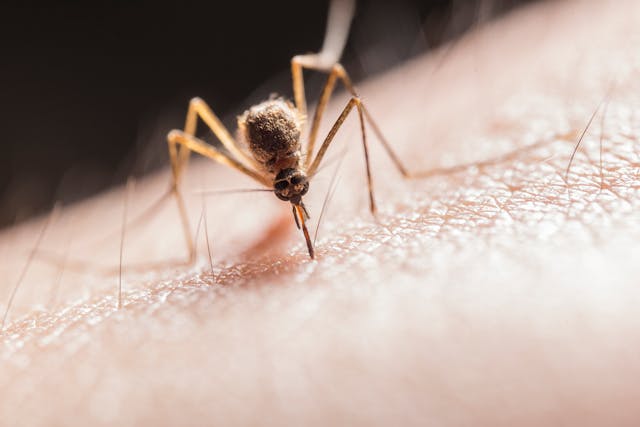
If there is one thing guaranteed to ruin a quiet moment in the woods, it is bug bites. You can set up camp beside a beautiful lake, enjoy a hot summer evening, and still find pesky mosquitoes lining up for a chance at your arms and ankles. Whether you are dealing with black flies in New Hampshire, mosquito bites on a humid trail in the Midwest, or biting insects in the backcountry, choosing the best way to protect yourself makes all the difference.
After reviewing scientific studies, independent tests, outdoor expert opinions and thousands of real-world user experiences, the best bug sprays and long-lasting protection strategies start to stand out. With the right active ingredient, proper application methods and a few smart habits, your next camping trip can be a much better experience with far fewer mosquitoes and almost no bug bites at all.
Why Bug Protection Matters More Than You Think
Avoiding pests is not just about comfort. In many parts of the United States, biting insects carry legitimate health risks. Ticks can spread Lyme disease. Mosquitoes are capable of transmitting West Nile. Rocky Mountain spotted fever appears in more states every year. When you are spending time outdoors, especially in tall grass or wooded areas, protecting yourself becomes a big part of staying healthy.
There is also the outdoor adventure experience itself. Many family members lose enthusiasm for camping simply because the bugs were overwhelming. No one wants to sit at the picnic table all evening while swatting mosquitoes. The good thing is that with the best mosquito repellents, proper clothing and a few environmental adjustments, you can dramatically cut down on insect bites and enjoy the moment instead of reacting to it.
Understanding Your Bug Spray Options: The Complete Guide
Not all bug repellent products work the same way, and the active ingredient makes the biggest difference. Here are the most reliable options on store shelves today.
DEET
DEET remains a popular option because it has been used for a long time and holds EPA approval. It is effective across a wide range of biting insects, and percent DEET mainly affects the hours of protection rather than the strength. A moderate deet formula such as twenty five percent might last around eight hours, while high concentrations can last much longer. The drawback is that DEET can leave a strong smell, may cause skin irritation for some people and can damage synthetic fabrics, synthetic materials and gear if it makes skin contact with clothing.
Picaridin
Picaridin insect repellent is considered the best insect repellent by many hikers because it performs as well as DEET but feels far more comfortable. Percent picaridin formulas typically range from five to twenty percent. Higher concentrations provide long-lasting protection that can stretch up to fourteen hours. It is odorless, safe on gear, gentle on sensitive skin and ideal for multi-day hikes. Sawyer Products and Sawyer’s Picaridin Lotion are among the most popular options in this category.
Oil of Lemon Eucalyptus
Oil of Lemon Eucalyptus is the strongest natural insect repellent supported by scientific research. It contains PMD, the main ingredient that actually repels mosquitoes. It is the only option among natural products that major organizations such as the World Health Organization recommend. As long as age restrictions are followed, it is a good choice for families seeking effective alternatives to chemical repellents. Just remember that natural repellents like this tend to last around six hours and may require more frequent reapplication.
Essential Oils
Essential oils such as peppermint oil and citronella fall under natural products, but they are not in the same category as oil of lemon eucalyptus. They smell nice but provide very short windows of protection. Herbal Armor and similar blends can work close to home or for outdoor activities in mild conditions, but they are not the best way to handle serious insect pressure in the backcountry.
Application Methods: Finding Your Perfect Match
How you apply your repellent chemical matters almost as much as which one you choose.
Aerosol Sprays
Aerosol sprays cover large areas quickly and help reach your back and legs. They are good for short overnight backpacking trips, but they add extra weight and can waste product. They also release more chemical sprays into the air, which is not ideal for sensitive skin.
Pump Spray
Pump spray bottles give you precise coverage without overspray. They pack easily and have minimal environmental impact. They are a popular option for hikers because you control the exact amount of bug repellent used.
Repellent Lotions
Repellent lotions stay on longer than sprays and provide consistent coverage. They work well for people with sensitive skin and are less likely to wash off from sweat. Sawyer’s Picaridin Lotion is a great option for long days on the trail.
The Best Bug Sprays for Backpacking
Based on performance, comfort and reliability, these are the best bug sprays to consider for your next camping trip.
Sawyer Products 20% Picaridin
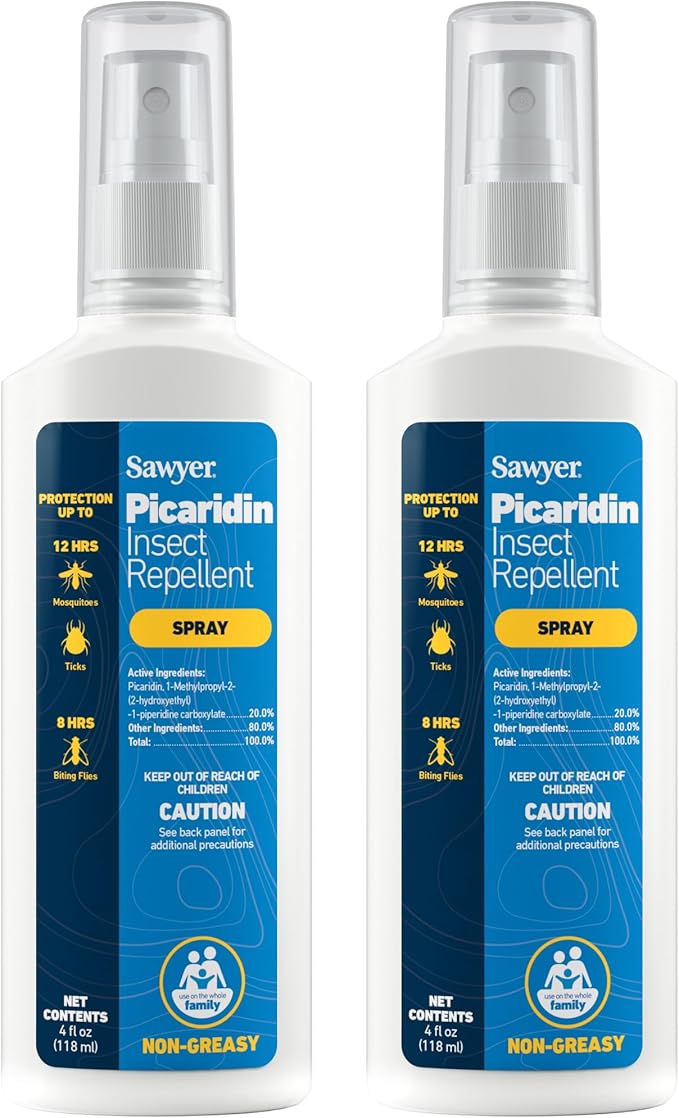
Based on extensive research across multiple expert reviews and consumer tests, this consistently ranks as the best insect repellent available. The 20% Picaridin formula provides up to 14 hours of protection without any of DEET’s baggage. It won’t damage your gear, has virtually no odor, and reviews consistently praise how good it feels on skin.
What sets Sawyer apart according to testing organizations is consistency. Whether you’re sweating through a steep climb or sitting still at camp, it keeps working. It’s safe for the whole family (including kids 6+ months), won’t irritate sensitive skin, and comes in both spray and lotion forms. The lotion version receives particularly high marks—it goes on smooth, absorbs quickly, and doesn’t leave that sticky feeling.
Consumer reports and field tests show this outperforms many DEET-based formulas while being more pleasant to use. That’s why it tops our research-based recommendations.
Cutter Backwoods Dry

If you’re a DEET product loyalist or heading somewhere with disease-carrying bugs, this 25% DEET aerosol consistently receives top marks for reliable protection without the typical grease-fest. The “dry” technology actually works according to reviews—it doesn’t feel oily, which is almost miraculous for a DEET spray.
The locking cap is a small but crucial feature that prevents pack disasters. This formula provides 10 solid hours of protection according to manufacturer testing and consumer feedback, perfect for those all-day adventures where reapplication isn’t convenient.
Best for: Traditional backpackers who trust DEET’s long track record, areas with high disease risk, or when you need guaranteed protection and don’t mind the chemical smell.
Ben’s 100 Max

Sometimes you need to bring out the big guns. With up to 100% DEET, this is widely recommended for clouds of biting insects that laugh at weaker formulas. We’re talking about those situations where bugs are so thick you can barely see through them—Alaska in June, the Everglades, anywhere with stagnant water during peak season.
The compact 1.25 oz bottle is TSA-friendly and packs enough punch for a week-long trip if used sparingly. Yes, high concentrations like this can cause skin irritation in some people, and yes, it will destroy your synthetic materials if you’re not careful. But when bugs are genuinely unbearable, experts consistently point to this as the solution.
Pro tip from experienced hikers: Apply this to your clothes’ cuffs and collar rather than directly on skin when possible. You’ll get protection without as much skin contact.
Natrapel Lemon Eucalyptus
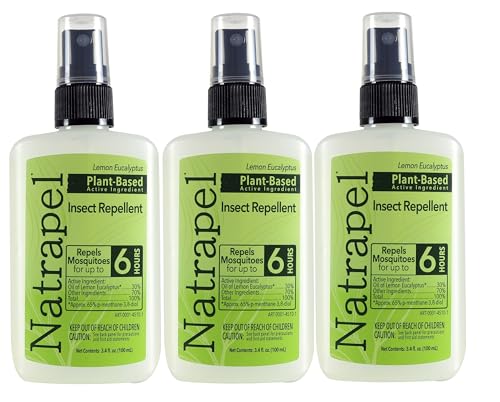
For those seeking effective alternatives to chemical sprays, this CDC-recommended formula delivers legitimate protection according to independent testing. With 30% OLE, you get 6 hours of protection that actually works, not just wishful thinking like most natural insect repellent options.
Reviews consistently mention the pleasant lemony scent without being overpowering. It’s safe for kids 3 and up, making it an excellent option for families who want to avoid synthetics. The pump spray applies evenly and doesn’t leave a residue according to user feedback.
Reality check: Testing shows you’ll need to reapply more often than with Picaridin or DEET, but for many people, that’s a worthwhile trade-off for using a plant-based product.
Ranger Ready Picaridin 20%

Think of this as Sawyer’s upscale cousin. Same 20% Picaridin effectiveness, but with some nice extras according to reviews. The trigger spray provides better coverage than a pump, and the “Scent Zero” option is truly unscented—perfect if you’re hunting or wildlife watching.
The bottle design is more ergonomic, though less packable than Sawyer’s. Where Ranger Ready shines according to user reports is consistency—the formula seems to stay put better during heavy sweating. For long time days on the trail, that matters.
Proven Insect Repellent
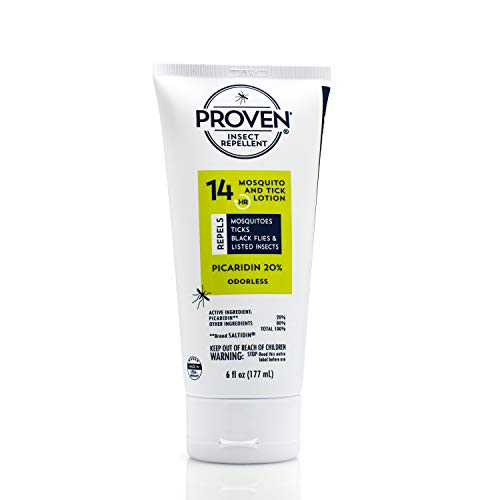
This under-the-radar brand uses 20% Picaridin in what reviewers call the most truly odorless formula available. If you’re sensitive to smells or just hate that “I’m wearing bug spray” feeling, research suggests this is your answer. Multiple reviews mention it’s like wearing nothing at all, except bugs leave you alone.
Beyond Bug Spray: Additional Strategies That Work
Permethrin-Treated Clothing
Sawyer Permethrin makes permethrin-treated clothing one of the most effective tools against ticks and mosquitoes. This treatment kills insects on contact and keeps working for several washes. It is a great option for multi-day hikes and anyone who wants fewer mosquitoes around their clothing.
Physical Barriers
Covering up makes a big difference. Long sleeves, long pants and long-sleeved shirts reduce exposed skin and keep biting insects from reaching you. A long sleeve shirt made from a tight weave will block more insect bites than thin athletic layers. A bug net or head net can be a lifesaver in areas filled with black flies or pesky mosquitoes.
Picking the Right Campsite
Avoid stagnant water and low, damp areas. Choosing breezy locations or elevated ground results in fewer mosquitoes around the campsite. Many trail forums point out that even a short distance from water can dramatically reduce bug pressure.
Area Protection
Thermacell products and similar mosquito repellent devices create protective zones using repellent mats. A Thermacell device helps a lot around a picnic table or cooking area. These devices add extra weight, so they are most practical for car camping rather than backpacking.
Matching Your Setup to Your Trip
- Short overnight backpacking trips: Picaridin spray, light clothing, and a simple bug net for backup.
- Multi-day hikes: Permethrin-treated clothing, repellent lotions for exposed areas, and a reliable picaridin insect repellent.
- Family camping: Use natural products like oil of lemon eucalyptus for kids, set up a repellant device near the picnic table and bring long sleeves for everyone.
- Extreme bug conditions: Combine chemical repellents with bug shelters, a head net and permethrin-treated clothing for the best way to stay comfortable.
Natural Repellents vs Chemical Sprays
Natural repellents can be a good choice for mild insect activity, but chemical repellents like DEET and Picaridin offer the most reliable long-lasting protection during peak bug season. Each approach has its own environmental impact and personal preference factors, so choose the option that helps you stay comfortable for a long time.
The Bottom Line
The best bug sprays use strong active ingredients backed by research. Combine them with long sleeves, long pants, permethrin-treated clothing and smart campsite selection for the most complete protection. Your next camping trip does not have to be defined by biting insects or constant swatting. With the right bug repellent and a few proven strategies, you can enjoy quiet moments outside without pests taking over.

Steve Wilde is the current owner of TakeOutdoors and an outdoors lover who believes everyone can benefit from fresh air and open spaces. His experience comes from years of hiking and camping, including a month living on the beach in a tent, a backpacking trip across Puerto Rico, and countless childhood adventures under the stars. His mission is simple. Help people enjoy the outdoors, feel confident exploring, and reconnect with nature in a way that feels real and accessible. When he is not working on TakeOutdoors, you can usually find him out on a trail enjoying the quiet.


