Category: Cooking

  • Boil Bags for Backpacking (Guide and Reviews)

    Boil Bags for Backpacking (Guide and Reviews)

    The sun is setting on your hard-earned miles, and a cold night approaches as you make camp. Your legs are weary from a full day of hiking, your hiking partners are hungry, and the thought of scrubbing crusty pots in freezing mountain water makes you cringe. Sound familiar? That’s exactly why boil bag cooking, also known as freezer bag cooking (FBC), has become increasingly popular among backpackers seeking simpler ways to enjoy hot meals on the trail.

    This isn’t just another camping hack – it’s a complete trail cooking system that transforms how you eat in the wilderness. Imagine: no more scrubbing pots in the dark, no more wasting precious fuel, and no more sacrificing hot meals for convenience. By simply adding boiling water to prepared ingredients in durable bags, you can enjoy everything from instant rice to gourmet dehydrated meals while cutting your camp cooking time in half.

    In this article, we’ll provide everything you need to know about boil bag cooking through two comprehensive sections. First, our detailed guide will walk you through the fundamentals of the FBC method, from basic techniques to advanced tips. Then, we’ll review some of the best boil bag products on the market, helping you choose the right option for your specific needs. Whether you’re new to backpacking or looking to streamline your trail cooking setup, you’ll find the information you need to make informed decisions about this innovative cooking method.

    The Complete Guide to Boil Bag Cooking for Backpackers: Hot Meals Made Simple on the Trail

    Pot Hanging over Bonfire on Camping
    Photo by Elina Volkova

    Understanding Boil Bag Cooking: The Basics

    At its core, boil bag cooking is remarkably straightforward. You place food in a specialized plastic bag or pouch, add boiling water, and wait for your meal to rehydrate. This simple process has revolutionized trail cooking, making it possible to enjoy everything from instant oatmeal to gourmet backpacking meals without the hassle of traditional pot cooking.

    The foundation of this method lies in using the right equipment. While many hikers start with plastic freezer bags from their local grocery store, there’s actually a wide range of purpose-built options available. The key is selecting bags rated for high temperatures that can safely contain hot water without leaching chemicals or risking failure during meal preparation.

    Think of boil bag cooking as a backcountry version of sous-vide cooking, minus the precise temperature control. The method works through heat transfer from the boiling water to your dry ingredients, slowly rehydrating and warming them to create a satisfying hot meal. This process is particularly effective for items like instant rice, ramen noodles, and dehydrated vegetables, which readily absorb hot water to reach their intended consistency.

    Choosing Your Bags: A Critical Decision

    When it comes to selecting bags for your trail meals, not all options are created equal. The market offers various choices, from basic Ziploc brand freezer bags to specialized vacuum bags designed specifically for outdoor use. Here’s what you need to know about your options:

    Plastic Freezer Bags

    The most accessible starting point is high-quality plastic freezer bags, particularly those made by Ziploc. These bags are readily available at any local grocery store and come in different sizes to accommodate various portion sizes. Look for bags with secure zip locks and durable construction that can withstand hot water without compromising their integrity.

    However, it’s important to note that not all plastic storage bags are suitable for this purpose. Regular sandwich bags or snack bags lack the necessary bag thickness and heat resistance for safe use with boiling water. Always opt for freezer-specific bags, which feature multi-layer plastic films designed to withstand higher temperatures.

    Specialized Boiling Bags

    For those serious about their trail cuisine, several companies produce purpose-built boiling bags. These often feature:

    • Reinforced seams for added durability
    • Flat bottoms for stable cooking
    • A tear strip for easy opening
    • Higher temperature resistance than standard freezer bags

    Stasher bags, made from platinum-grade silicone, have become increasingly popular over the last year. These reusable bags can withstand high temperatures and offer a more environmentally conscious alternative to single-use plastic bags. While they represent a higher initial investment, their durability and reusability make them a great way to reduce trail waste.

    Commercial Options

    Many experienced backpackers turn to commercial options like Mountain House meals or Packit Gourmet bags. These mylar bags are specifically designed for boiling water and often include:

    • An inner layer optimized for food safety
    • Superior heat retention
    • Built-in measuring lines for proper water ratios
    • Extra bag thickness for durability

    Meal Planning and Preparation

    Success with boil bag cooking starts long before you hit the trail. Proper meal planning and preparation are essential for enjoying satisfying meals in the backcountry. Here’s how to set yourself up for success:

    Creating Your Own Meals

    Many hikers prefer to prepare their own dehydrated meals, offering control over ingredients and portions while maintaining an affordable price point. To create your own meals:

    Start with a base of quick-cooking carbohydrates like instant rice, instant oatmeal, or ramen noodles. Add dehydrated vegetables like bell peppers and shelf-stable proteins such as milk powder. Season with olive oil packets and spices to enhance flavor and caloric content.

    Consider investing in a vacuum sealer for preparing meals in advance. A quality chamber sealer can help you create perfectly portioned bags for extended period of time storage. When packaging, remember to account for the wet volume your ingredients will occupy once rehydrated.

    Portion Sizing and Water Ratios

    Successful boil bag cooking relies heavily on proper portioning and water ratios. Too much water can lead to soupy meals, while too little leaves ingredients partially rehydrated. As a general guide:

    • For individual portions, start with bags sized tall x wide for appropriate capacity
    • Mark water fill lines on your bags before starting your trip
    • Consider using an insulated bag to maintain temperature during rehydration
    • Test your recipes at home to perfect the ratios

    Next time you prepare for a trip, take the time to measure and note the exact water requirements for each meal. This attention to detail will pay off when you’re tired and hungry on the trail.

    Safety and Best Practices

    While boil bag cooking is generally safe when done correctly, it’s essential to understand and follow proper safety guidelines to protect both human health and the environment.

    Recent research has raised some concerns about chemicals like Bisphenol A (BPA) in certain plastic products. To minimize any potential risks:

    • Choose bags specifically rated for high-temperature use
    • Avoid bags with sharp edges that could create weak points
    • Never reuse single-use bags
    • Store prepared meals in secure storage away from direct sunlight

    When cleaning your cooking equipment, use non-abrasive cleaning agents and an air-dry setting when possible. This helps maintain the integrity of your cook kits and ensures safe meal preparation for your next time out.

    Environmental Considerations

    As outdoor enthusiasts, we have a responsibility to minimize our impact on the trails we love. While boil bag cooking can generate plastic waste, there are several ways to make it more environmentally friendly:

    Consider investing in reusable options like silicone bags for an extended period of time. When single-use bags are necessary, pack them out properly and dispose of them responsibly. Many hikers designate a specific trash bag for carrying out used cooking bags.

    For those concerned about plastic waste, explore alternative cooking methods or invest in more sustainable options like the previously mentioned Stasher bags. The key is finding a balance between convenience and environmental responsibility that works for your style of outdoor adventure.

    Tips for Success

    After extensive testing and feedback from the backpacking community, here are some proven strategies for boil bag cooking success:

    Keep your meals simple at first. Start with basic recipes like instant rice with vegetables before advancing to more complex DIY meals. Understanding the basic principles will help you expand your trail menu over time.

    Organize your food bags by meal type and day to streamline mealtime on the trail. Consider using different colored bags or clear labeling systems to easily identify breakfast, lunch, and dinner options.

    Multiple small bags often work better than one large bag for longer trips. This approach provides better portion control and allows you to adjust meals based on hunger levels and energy expenditure.

    Conclusion

    Boil bag cooking represents a significant evolution in backpacking cuisine, offering a practical balance between convenience, weight, and satisfaction. Whether you’re planning your first backpacking trip or looking to refine your outdoor cooking setup, this method provides a reliable way to enjoy hot meals on the trail with minimal fuss.

    Remember that like any skill, mastering boil bag cooking takes practice. Start with simple recipes, experiment at home, and gradually expand your repertoire as you gain confidence. With proper planning and execution, you’ll find that this cooking method can significantly enhance your backpacking experience, providing more time to enjoy the wilderness and less time handling camp kitchen duties.

    By following the guidelines and tips outlined in this guide, you’ll be well-equipped to enjoy nutritious, satisfying meals on your next outdoor adventure. Happy trails and happy cooking!

    Product Reviews: Finding Your Perfect Boil Bag

    After extensive testing and real-world use over the last year, we’ve evaluated the most popular boil bag options to help you make an informed decision for your next backpacking adventure. Let’s explore how these different products perform in backcountry conditions, considering factors like durability, weight, and practical trail use.

    Jesdit Seafood Boil Bags: The Heavy-Duty Option

    [lasso id=”5572″ link_id=”5111″ ref=”amzn-jesdit-seafood-boil-bags-large-pack-of-5-ideal-boil-bag-for-fish-crab-shrimp-crawfish-and-veggies-cooking-and-storage-bag” title=”hide”]

    While originally designed for seafood boils, these BPA-free bags have found a dedicated following among backpackers seeking extra-durable options for their trail cooking. Their stand-up design and leak-resistant seals make them particularly appealing for longer trips where reliability is crucial.

    What We Love:
    The thick, multi-layer plastic films provide exceptional durability, easily handling high temperatures without compromise. The stand-up design proves invaluable when dealing with hot water on uneven terrain, while the superior seal prevents any unwanted spills in your pack.

    Worth Considering:
    At an affordable price point per package, these bags might seem appealing, but with only 5 bags per box, they’re actually one of the more expensive options over time. Their robust construction also adds slightly more weight than traditional plastic freezer bags.

    Best For:
    These bags excel at rehydrating meals that require longer cook time, particularly when preparing your own dehydrated meals with ingredients like bell peppers or instant rice that benefit from extended heating periods.

    Cotton Muslin Bags: The Eco-Warrior’s Choice

    [lasso id=”5573″ link_id=”5112″ ref=”amzn-biglotbags-cotton-muslin-bags-100-organic-cotton-with-double-drawstring-premium-quality-reusable-eco-friendly-natural-muslin-bags-10-12-x-16-inches” title=”hide”]

    For environmentally conscious backpackers, cotton muslin bags represent a great alternative to plastic options. These biodegradable bags bring an old-school approach to modern trail cooking.

    What We Love:
    The natural fiber construction eliminates concerns about plastic leaching at high temperatures. They’re particularly effective for straining beverages and creating DIY meals from loose ingredients. The ability to wash and reuse them multiple times makes them an excellent choice for regular backpackers concerned about their environmental impact.

    Worth Considering:
    These bags require proper drying time between uses, which can be challenging on wet trails. They also tend to retain food odors over time, potentially requiring non-abrasive cleaning agents for thorough cleaning.

    Best For:
    These shine when making hot soups or straining trail drinks. They’re especially popular among ultralight backpackers who appreciate their minimal weight and multiple use capabilities.

    Regency Soup Socks: The Versatile Performer

    [lasso id=”5574″ link_id=”5113″ ref=”amzn-regency-wraps-soup-socks-cotton-mesh-bags-for-making-clear-flavorful-broth-and-soups-natural-100-cotton-24-pack-of-6-great-for-chicken-veggies-eggs-and-more” title=”hide”]

    Don’t let the name fool you – these adaptable bags serve far beyond soup preparation. Their fine mesh weave and drawstring closure make them a versatile addition to any cook kit.

    What We Love:
    The durable construction holds up well to repeated use, while the natural materials provide peace of mind regarding food safety. They excel at containing larger ingredients while allowing excellent water flow for even cooking.

    Worth Considering:
    The limited size options can be restrictive for some meal plans, and the mesh can occasionally snag on sharp edges in your pack. Some users report difficulty achieving thorough cleaning in backcountry conditions.

    Best For:
    These bags work particularly well for backpackers who enjoy preparing their own meals using larger ingredients or those who frequently cook for groups.

    Staywild Bags: The Innovation Leader

    [lasso id=”5576″ link_id=”5114″ ref=”amzn-staywild-100-pcs-onion-potato-garlic-storage-bag-20-inch-seafood-boil-bags-fruit-vegetables-reusable-mesh-produce-storage-bags-mesh-cooking-boil-bags-for-crab-clam-shellfish-crawfish” title=”hide”]

    Representing the next generation of boil bag technology, Staywild’s reusable mesh design offers a compelling balance of durability and functionality for serious backpackers.

    What We Love:
    Available in different sizes to accommodate various portion sizes, these bags feature excellent heat resistance and remarkably durable construction. The quick-drying material proves invaluable during extended trips, while the superior water flow ensures even cooking.

    Worth Considering:
    The mesh design isn’t suitable for fine ingredients like milk powder or spices. Their durability comes with a slight weight penalty compared to lighter options.

    Best For:
    These bags are ideal for backpackers who frequently prepare their own dehydrated meals and want a reliable, reusable option that can handle regular use on the trail.

    Making Your Choice

    When selecting the right boil bag for your needs, consider your typical trip length, cooking style, and environmental priorities. For weekend warriors, traditional plastic freezer bags might suffice. However, for extended backcountry stays or frequent outings, investing in more durable options like Jesdit or Staywild bags could prove worthwhile in the long term.

    Remember that many experienced backpackers maintain a mix of different bag types, using each for its strengths. You might prefer cotton muslin bags for morning oatmeal but rely on more durable options for dinner meals. The key is finding the right balance for your specific needs and cooking style.

    Conclusion: Elevating Your Trail Kitchen Game

    Pots with Water on a Campfire
    Photo by Alena Beliaeva

    Boil bag cooking represents an exciting development in backcountry cuisine, offering a practical solution for Through this comprehensive guide and product review, we’ve explored how boil bag cooking can transform your backcountry meal experience. From the convenience of minimal cleanup to the satisfaction of creating your own trail-worthy meals, this method offers compelling benefits for outdoor enthusiasts of all experience levels.

    The key to success lies in choosing the right equipment and taking time to practice. Based on our product reviews, beginners might start with high-quality freezer bags from trusted brands like Ziploc, while those committed to the method might invest in reusable options like Stasher bags or purpose-built boiling bags. Whatever you choose, remember that proper technique and careful meal planning are just as important as the gear itself.

    Here’s a simple way to get started:

    1. Choose Your Bags:
      • Select one of our recommended options based on your needs and budget
      • Start with a small quantity to test the method
      • Consider both immediate use and long-term durability
    2. Plan Your First Meals:
      • Begin with simple recipes like instant rice or ramen
      • Practice measuring water ratios at home
      • Test rehydration times before hitting the trail

    The transition to boil bag cooking doesn’t have to happen all at once. Many backpackers start with just breakfast or dinner, gradually expanding their repertoire as they gain confidence. The beauty of this method is its flexibility – you can adapt it to match your outdoor cooking style and preferences.

    As the outdoor industry continues to innovate, we expect to see even more options for sustainable and durable boil bags emerge. Whether you’re a weekend warrior looking to simplify camp cooking or a long-distance hiker seeking to minimize pack weight, the FBC method offers a practical solution that grows with your outdoor experience.

    Take what you’ve learned from this guide, experiment with our recommended products, and discover how boil bag cooking can enhance your time in the wilderness. After all, the best adventures are fueled by good food and more time to enjoy the trail ahead.

  • Firepot Dehydrated Meals for Backpacking

    Firepot Dehydrated Meals for Backpacking

    Picture this: You’re on top of the world. Well, maybe just a really big hill in the United Kingdom. Your legs feel like jelly, but your heart’s soaring. The sun’s painting the sky in Instagram-worthy hues, and your stomach’s growling louder than a bear. You reach for your pack, dreading another bland energy bar. But wait! What’s this?

    You pull out a yellow waterproof pouch that promises a gourmet meal in minutes. Nope, you’re not dreaming. Welcome to the world of Firepot – dehydrated meals that are revolutionizing trail cuisine.

    Gone are the days of choking down contrived camping food or textureless mush. Firepot foods are here to save your taste buds (and your morale). These aren’t just dehydrated rations; they’re complete meals, a real meal revolution in a pouch. We’re talking posh pork, chilli con carne, and even smoky tomato paella. Real food, real flavors, real game-changer.

    Steam over Pot on Campfire
    Photo by Bilal Furkan KOŞAR

    Imagine tucking into a steaming beef stew while stargazing. Or kickstarting your day with some spicy pork noodles before conquering that challenging trail. Fancy some vegan options? Their chilli non carne has got you covered. Sounds more like glamping than camping, right? But here’s the kicker – it’s all coming from a lightweight pouch in your backpack. Mind. Blown.

    Firepot, straight outta Denhay Lane, crafts these meals in small batches. They use top-notch ingredients like pearl barley, red kidney beans, and British pork. No freeze-dried ingredients or artificial nasties here. Just add the right amount of water (hot or cold), and you’ve got yourself a gourmet base camp food in minutes.

    In this guide, we’re diving deep into the Firepot world. We’ll unpack the magic behind these meals, walk you through the stupidly simple prep, and highlight some all-star dishes. From their firepot mini taster pack to their hearty main meal options, we’ve got the whole thing covered. Whether you’re a seasoned trail warrior, a family of first-time campers, or just someone who likes their outdoor eats to actually taste good, stick around.

    Oh, and for all you eco-warriors out there? Firepot’s got your back too. Their compostable bio bags mean you can enjoy top-notch trail food without the guilt. Plus, with free UK delivery on many orders, getting your hands on these goodies is a breeze.

    So, zip up those waterproof jackets, hoist that dry bag, and get ready for a flavor adventure. Firepot’s about to show you that “roughing it” doesn’t have to mean rough eating. Whether you’re craving a rice meal, dreaming of beef stroganoff, or just want a decent texture in your camp food, Firepot’s got you covered. Let’s dig in and discover why these aren’t your average dehydrated rations!

    Understanding Dehydrated Meals: A Backpacker’s Best Friend

    A Person Cooking Oatmeal
    Photo by Taryn Elliott

    When it comes to fueling your outdoor adventures, dehydrated meals have become a go-to choice for many backpackers, hikers, and outdoor enthusiasts. But what exactly are dehydrated meals, and why have they gained such popularity in the world of outdoor cuisine?

    What Are Dehydrated Meals?

    Dehydrated meals are pre-cooked foods with the moisture removed. It’s different from freeze-drying, where food is frozen then dried in a vacuum. Dehydration keeps the food good while making it super light—perfect for backpackers trying to save space and weight.

    Firepot does dehydration differently. Unlike freeze-dried meals that can turn to mush, Firepot’s process keeps the texture and flavor intact. The result? Food that actually feels and tastes like a home-cooked meal.

    The Science Behind Dehydration

    The principle behind food dehydration is simple yet effective. By removing water from food, you create an environment that’s inhospitable to the microorganisms that cause food spoilage. This process extends the shelf life of the food substantially, making it ideal for long trips or emergency supplies.

    Benefits of Dehydrated Meals for Backpacking

    1. Lightweight: With most of the water removed, dehydrated meals are significantly lighter than their fresh counterparts.
    2. Compact: Dehydrated foods take up less space in your pack, allowing you to carry more supplies or reduce your overall load.
    3. Long Shelf Life: Properly stored dehydrated meals can last for months or even years, making them perfect for long-term storage and emergency kits.
    4. Nutritional Value: Unlike some other preservation methods, dehydration retains much of the food’s original nutritional value.
    5. Variety: From hearty stews to vegetarian risottos, there’s a wide range of dehydrated meal options to suit various dietary needs and preferences.
    6. Easy Preparation: Most dehydrated meals only require the addition of hot water and a short waiting period before they’re ready to eat.

    Dehydrated vs. Freeze-Dried: Understanding the Difference

    While both dehydrated and freeze-dried foods are popular among outdoor enthusiasts, they have some key differences that can impact your trail dining experience.

    Preservation Process

    The most fundamental difference lies in their preservation processes. Dehydrated foods are dried using hot air, which slowly removes moisture, while freeze-dried foods are frozen and then dried in a vacuum, which sublimes the ice directly into vapor.

    Texture and Rehydration

    These different processes result in distinct textures and rehydration characteristics. Dehydrated foods often retain a denser texture, which many find more similar to fresh food. They typically take longer to rehydrate but often reward the patient outdoor chef with a more satisfying mouthfeel. Freeze-dried foods, on the other hand, tend to be lighter and crispier in their dry state and rehydrate more quickly, but some find the texture less appealing.

    Taste and Flavor

    When it comes to taste, this is where dehydrated meals, especially those made with high-quality ingredients like Firepot’s, often shine. The slow dehydration process can help concentrate flavors, resulting in meals that taste more like home-cooked food. This is particularly true when the meals are prepared in batches before dehydration, as Firepot does, rather than dehydrating individual ingredients separately.

    Considerations When Choosing Dehydrated Meals

    Selecting the right dehydrated meals for your outdoor adventures involves more than just picking flavors that appeal to you. It’s about finding the right balance of nutrition, convenience, and enjoyment to fuel your activities and satisfy your palate.

    Nutritional Content

    Nutritional content should be at the forefront of your decision-making process. Look for meals that provide a good balance of carbohydrates for energy, proteins for muscle repair, and fats for sustained fuel. For longer trips, pay attention to the calorie-to-weight ratio. Meals that pack more calories per ounce can help you maximize your food’s energy content while minimizing pack weight.

    Ingredient Quality

    Ingredient quality is another crucial factor. Opt for meals made with real, whole food ingredients rather than heavily processed components. This is where Firepot truly stands out, using locally sourced, natural ingredients in their recipes.

    Dietary Restrictions

    Don’t forget to consider any dietary restrictions you or your trail companions might have. Many brands now offer options catering to specific dietary needs, such as vegetarian, vegan, or gluten-free meals. It’s also wise to be aware of the sodium levels in dehydrated meals, as they can sometimes be high to enhance flavor and preservation.

    Preparation Requirements

    Lastly, think about the preparation requirements. Consider how the meals need to be prepared in the context of your trip. Do you need boiling water? How long do they need to rehydrate? Meals that align with your available resources and time constraints will enhance your outdoor dining experience.

    By keeping these factors in mind, you can choose dehydrated meals that not only fuel your body but also satisfy your taste buds, making your outdoor adventures all the more enjoyable.

    Essential Equipment and Preparation Tips for Dehydrated Meals

    Outdoor Cooking Tools on a Cliff of a Mountain
    Photo by Taryn Elliott

    While one of the main attractions of dehydrated meals like Firepot is their simplicity, having the right equipment and knowledge can elevate your outdoor dining experience from merely convenient to truly enjoyable. Let’s explore the essentials you’ll need and some tips to make the most of your trail cuisine.

    Key Equipment for Preparing Dehydrated Meals

    Camping Stove

    A reliable, lightweight camping stove is the cornerstone of your outdoor kitchen. When choosing a stove, consider factors like fuel type, weight, and simmer control. For most backpackers, a small canister stove that runs on isobutane-propane fuel offers a good balance of convenience and performance.

    MSR PocketRocket 2 Mini Stove Kit
    [lasso id=”5425″ link_id=”4845″ ref=”amzn-msr-pocketrocket-2-ultralight-camping-and-backpacking-mini-stove-kit” title=”hide”]

    The MSR PocketRocket 2 is a standout choice for ultralight backpackers. Weighing a mere 2.6 ounces, it’s incredibly portable without sacrificing performance. It can boil a liter of water in about 3.5 minutes, making it efficient for preparing Firepot meals. The stove’s excellent simmer control allows for versatile cooking beyond just boiling water. However, its performance can be affected in windy conditions, so consider your typical camping environment. Despite its compact size, the PocketRocket 2 features stable pot support arms, ensuring your Firepot meal stays put while cooking.

    Jetboil MiniMo Stove System
    [lasso id=”5426″ link_id=”4846″ ref=”amzn-jetboil-minimo-camping-and-backpacking-stove-cooking-system-with-adjustable-heat-control-adventure” title=”hide”]

    For those who prefer an integrated cooking system, the Jetboil MiniMo is worth considering. While heavier at 14 ounces, it offers impressive speed, boiling water in just 2-3 minutes. Its standout feature is the excellent simmer control, perfect for more gourmet trail meals. The intuitive setup and push-button igniter make it user-friendly, even for novice campers. The included measuring cup/bowl adds convenience, though note that it can’t fit a standard fuel canister inside when packed.

    Cookware

    You’ll need something to boil water in. Most backpackers go for titanium or light aluminum pots. They’re tough and won’t weigh you down. A 750ml to 1 liter pot usually does the trick for most meals. Remember, water is crucial for Firepot meals. A small measuring cup can be a game-changer. It’ll help you nail the perfect consistency every time.

    Sea to Summit Alpha Lightweight 1.9L Cook Pot
    [lasso id=”5428″ link_id=”4847″ ref=”amzn-sea-to-summit-alpha-lightweight-aluminum-camping-cook-pot-1-9-liter” title=”hide”]

    For group trips or those who prefer larger meals, the Sea to Summit Alpha 1.9 Liter Pot offers a good balance of capacity and weight. At 14.1 ounces, it’s heavier than titanium options but provides ample cooking space. Made from anodized aluminum, it’s both durable and conducts heat well. A standout feature is the strainer lid, adding versatility to your camp kitchen. This pot is ideal for preparing multiple Firepot meals at once or for boiling larger quantities of water.

    TOAKS Titanium 750ml Pot
    [lasso id=”5429″ link_id=”4848″ ref=”amzn-toaks-titanium-750ml-pot” title=”hide”]

    The Toaks Titanium 750ml Pot is an excellent choice for solo backpackers or those prioritizing ultralight gear. Weighing just 3.6 ounces, it’s incredibly light without compromising on durability. The pot features a foldable handle for easy packing and is compatible with most backpacking stoves and fuel canisters. Its 750ml capacity is perfect for preparing Firepot meals. However, be mindful that titanium can scratch more easily than other materials, so handle with care.

    Eating Utensils

    A long-handled spoon is invaluable for stirring your meal and eating directly from the pouch, minimizing dish cleanup. Some backpackers prefer a spork for its versatility.

    TOAKS Titanium Long Handle Spoon
    [lasso id=”5431″ link_id=”4849″ ref=”amzn-toaks-titanium-long-handle-spoon-with-polished-bowl” title=”hide”]

    The TOAKS Titanium Long Handle Spoon is a favorite among backpackers for good reason. Weighing a mere 0.5 ounces and measuring 8.5 inches in length, it’s perfect for reaching the bottom of Firepot pouches without getting food on your hands. The titanium construction ensures durability without adding unnecessary weight. Its only downside is that it can be easy to misplace among other gear due to its small size, so consider a brightly colored version or attaching it to a carabiner.

    Vargo Titanium Long Handle Spoon
    [lasso id=”5432″ link_id=”4850″ ref=”amzn-vargo-titanium-long-handle-spoon-ultralight-and-durable-0-5-ounces-14-grams” title=”hide”]

    Similar to the TOAKS spoon, the Vargo Titanium Long Handle Spoon is another excellent option. It also weighs 0.5 ounces but is slightly shorter at 7.5 inches. This length is still sufficient for most meal pouches while being a bit more packable. The Vargo spoon is known for its sturdy design, ensuring it won’t bend or break even with regular use. However, it may be less readily available than more popular brands, so plan your purchase accordingly.

    Water Treatment System

    Safe drinking and cooking water is crucial. Whether you choose a filter, purification tablets, or a UV purifier, ensure you have a reliable method to make water potable.

    MSR TrailShot Pocket-Sized Water Filter
    [lasso id=”5433″ link_id=”4851″ ref=”amzn-msr-trailshot-pocket-sized-backcountry-water-filter” title=”hide”]

    The MSR TrailShot Water Filter is a compact and efficient option for backpackers. Weighing 5.2 ounces, it’s lightweight enough for most trips. Its standout feature is the ability to drink directly from water sources or quickly fill containers with a flow rate of up to 1 liter per minute. This makes it ideal for preparing Firepot meals on the go. The filter is easy to clean and maintain in the field, a crucial factor for longer trips. However, it may require more effort when filtering from very turbid water sources, so consider your typical water conditions.

    Platypus Quickdraw Ultralight 1 Liter Water Filter
    [lasso id=”5434″ link_id=”4852″ ref=”amzn-platypus-quickdraw-ultralight-1-liter-backpacking-water-filter-system-connectcap-drinkcap” title=”hide”]

    The Platypus QuickDraw Water Filter System offers an impressive balance of weight and performance. At just 4 ounces, it’s one of the lighter options available. Its high flow rate of up to 3 liters per minute means you can quickly filter enough water for your Firepot meals and drinking needs. The system is compatible with standard water bottles and features an easy-to-use flip-top cap. One of its best features is the easy backflushing capability, which keeps maintenance simple even on longer trips. Some users find the attachment design a bit finicky with certain water bags, so test your setup before heading out.

    Preparation Tips for Delicious Dehydrated Meals

    Proper Water Measurement

    Getting the water right is key. Each Firepot meal tells you exactly how much you need. Most folks use hot water, but some like the cold soak method for certain meals. It’s handy when you don’t want to fire up the stove.

    Too little water? Dry and undercooked. Too much? Soup city. Many Firepot pouches have a fill line, but a small measuring cup can be a lifesaver for getting it just right.

    Insulation Techniques

    After adding hot water to your meal, wrapping the pouch in a clothing layer or using a dedicated cozy can help retain heat and ensure thorough rehydration. This is especially useful in cold weather conditions.

    Enhancing Flavors on the Trail

    While Firepot meals are delicious on their own, you can further elevate your trail cuisine by carrying small packets of olive oil, hot sauce, or dried herbs. A dash of these can add extra calories and personalize your meals to your taste.

    Leave No Trace Considerations

    As outdoor enthusiasts, it’s our responsibility to minimize our impact on the environment. When it comes to meal preparation, this means properly disposing of waste and being mindful of our actions.

    Waste Disposal

    Firepot offers meals in both regular and compostable packaging. If using the compostable options, remember that they still need proper composting facilities to break down – they shouldn’t be left in the wilderness. Pack out all your trash, including tea bags and any non-compostable packaging.

    Cleaning Up

    When cleaning your cookware, do so at least 200 feet away from water sources. Use biodegradable soap sparingly, if at all. Often, hot water and a scrubber are sufficient for cleaning.

    By having the right equipment and following these preparation tips, you can ensure that your Firepot meals are not just a convenient trail food, but a highlight of your outdoor adventure. With a little planning and care, you can enjoy gourmet meals that fuel your body and satisfy your taste buds, all while preserving the natural environments we love to explore.

    Top Firepot Products: Gourmet Meals for the Trail

    Firepot has revolutionized trail cuisine with their range of dehydrated meals that prioritize taste, nutrition, and convenience. Let’s explore some of their standout offerings that have garnered praise from outdoor enthusiasts.

    Banana Porridge

    [lasso id=”5440″ link_id=”4853″ ref=”amzn-firepot-toasted-banana-porridge-healthy-plant-based-dehydrated-camping-backpacking-meals-2-servings” title=”hide”]

    Flavor Profile: Naturally sweet with a creamy banana flavor 

    Key Ingredients: Oats, banana powder, possibly cinnamon or other natural sweeteners 

    Nutritional Highlights: Approximately 350 calories per serving, high in fiber

    Start your day right with Firepot’s Banana Porridge, a nutritious and sweet breakfast option designed to fuel your outdoor adventures. This meal offers a comforting way to kickstart your morning, whether you’re about to hit the trail or break camp.

    Preparation couldn’t be simpler – just add hot water, mix well, and let it rest for 5-10 minutes. The result is a creamy, satisfying porridge that’s ready to eat in no time. Reviewers consistently praise its smooth texture and the natural sweetness from the banana, which provides a comforting start to the day without being overly sugary.

    With around 350 calories per serving, this porridge offers a well-balanced combination of carbohydrates and fiber, providing sustained energy for your morning activities. It’s an excellent choice for those who want a quick, easy, and nutritious breakfast option that doesn’t sacrifice on taste.

    Firepot’s Banana Porridge is particularly favored for its ease of preparation and satisfying flavor, making it a go-to choice for breakfast on the trail. Whether you’re a seasoned backpacker or a casual camper, this meal offers a delicious way to fuel your outdoor experiences.

    Tuscan Stew

    [lasso id=”5439″ link_id=”4854″ ref=”amzn-firepot-tuscan-stew-healthy-plant-based-dehydrated-camping-backpacking-meals-2-servings” title=”hide”]

    Flavor Profile: Rich, savory with authentic Italian herbs 

    Key Ingredients: Tomatoes, carrots, beans, rosemary, thyme

    Nutritional Highlights: Approximately 500 calories per serving

    Firepot’s Tuscan Stew brings a taste of the Italian countryside to your outdoor adventures. This hearty, comforting meal is inspired by traditional Italian flavors, offering a satisfying option for those chilly evenings at base camp.

    Preparation is a breeze – simply add boiling water and let it sit for about 15 minutes. The result is a well-balanced stew that captures the essence of rustic Italian cooking. Reviewers often highlight the rich, savory flavor profile that feels like a warm hug after a long day on the trail.

    One of the standout features of this meal is its texture. The vegetables rehydrate well, providing a satisfying mouthfeel that truly feels like a home-cooked meal. With around 500 calories per serving, it’s an excellent option for energy replenishment during multi-day hikes or after strenuous outdoor activities.

    This Tuscan Stew is particularly appreciated for its comforting qualities, making it an ideal choice for those looking to enjoy a warm, hearty dish while surrounded by nature. It’s a testament to Firepot’s commitment to bringing gourmet flavors to the great outdoors.

    Dal and Rice with Spinach

    [lasso id=”5442″ link_id=”4855″ ref=”amzn-firepot-dal-and-rice-with-spinach-healthy-plant-based-dehydrated-camping-backpacking-meals-2-servings” title=”hide”]

    Flavor Profile: Mild Indian spices with earthy lentil notes 

    Key Ingredients: Yellow split peas, rice, spinach, cumin

    Nutritional Highlights: Approximately 500 calories per serving (extra-large option available)

    For those seeking a plant-based option, the Dal and Rice with Spinach offers a flavorful and nutritious choice. This meal combines the protein-rich goodness of yellow split peas with rice and spinach, seasoned with cumin and other traditional spices.

    While it may take slightly longer to fully hydrate compared to some other Firepot meals, the result is worth the wait. Initial reviews suggested that it could be a bit bland, but with proper seasoning, it becomes a delightful and comforting dish. The contrasting textures of the split peas and rice add interest to every bite.

    This meal is particularly appreciated for its comforting qualities, making it perfect for those cooler evenings in the great outdoors. For backpackers looking to add more plant-based options to their trail menu, this dal and rice combination is a satisfying choice.

    Porcini Mushroom Risotto

    [lasso id=”5437″ link_id=”4856″ ref=”amzn-firepot-porcini-mushroom-risotto-healthy-plant-based-dehydrated-camping-backpacking-meals-2-servings” title=”hide”]

    Flavor Profile: Rich, creamy, with an authentic Italian essence 

    Key Ingredients: Arborio rice, dried porcini mushrooms, fresh chestnut mushrooms, lemon juice, parsley 

    Nutritional Highlights: Approximately 500 calories per serving, vegan-friendly

    The Porcini Mushroom Risotto is a standout in Firepot’s lineup, bringing a touch of gourmet to your outdoor adventures. This creamy dish combines Arborio rice with two types of mushrooms – dried porcini and fresh chestnut – creating a depth of flavor that’s rare in trail food.

    Preparation is a breeze – simply add hot water and let it sit for 15 minutes. The result is a rich, creamy risotto that could rival those found in high-end restaurants. Reviewers have consistently highlighted its satisfying texture and the way the mushrooms rehydrate perfectly, creating a savory broth that enhances the overall flavor profile.

    Free from artificial preservatives and vegan-friendly, this risotto is a testament to Firepot’s commitment to using real, natural ingredients. It’s an ideal choice for those evenings when you want to elevate your camp dining experience and enjoy a truly comforting meal after a day of outdoor activities.

    Firepot Mac ‘n’ Greens

    [lasso id=”5446″ link_id=”4857″ ref=”amzn-firepot-macngreens-healthy-plant-based-dehydrated-camping-backpacking-meals-2-servings” title=”hide”]

    Flavor Profile: Classic cheesy comfort with a nutritious twist 

    Key Ingredients: Pasta, various green vegetables (spinach or kale) 

    Nutritional Highlights: Good balance of carbohydrates and vegetables

    Firepot’s Mac ‘n’ Greens takes a beloved comfort food and gives it a nutritious upgrade perfect for trail life. This meal combines classic macaroni with a variety of green vegetables, offering a balance of familiar flavors and added nutrition.

    Like other Firepot meals, preparation is simple – just add boiling water and wait. The result is a creamy, satisfying dish that provides the comfort of mac ‘n’ cheese with the added benefits of vegetables. While specific reviews may vary based on individual preferences for mac ‘n’ cheese flavors, it’s generally well-received for its creamy texture and balanced taste.

    This meal is an excellent choice for those looking to maintain some vegetable intake while enjoying a comforting, familiar dish on the trail. It’s particularly appealing to hikers who might be craving some home-style comfort food after a long day of outdoor activities.

    Vegan Orzo Bolognese

    [lasso id=”5438″ link_id=”4858″ ref=”amzn-firepot-vegan-orzo-bolognese-healthy-plant-based-dehydrated-camping-backpacking-meals-2-servings” title=”hide”]

    Flavor Profile: Rich tomato sauce with hearty plant-based protein 

    Key Ingredients: British soya, orzo pasta, tomato sauce, oregano, star anise 

    Nutritional Highlights: Approximately 500 calories per serving

    The Vegan Orzo Bolognese is Firepot’s plant-based take on the classic Italian dish, substituting British soya for beef. This meal showcases Firepot’s commitment to catering to various dietary needs without compromising on flavor or nutrition.

    Ready in just 15 minutes with the addition of hot water, this meal offers convenience without sacrificing taste. Reviewers have noted its satisfying texture and robust flavors, praising its ability to provide a filling and comforting meal at the end of a long day on the trail.

    With a calorie count similar to other meals in the Firepot range, the Vegan Orzo Bolognese ensures that plant-based eaters don’t miss out on the energy-dense meals needed for outdoor activities. It’s an excellent choice for vegans and vegetarians, or for anyone looking to incorporate more plant-based meals into their outdoor menu.

    Green Gumbo

    [lasso id=”5444″ link_id=”4859″ ref=”amzn-firepot-green-gumbo-healthy-plant-based-dehydrated-camping-backpacking-meals-2-servings” title=”hide”]

    Flavor Profile: Vibrant, herbaceous with a hint of Southern spice 

    Key Ingredients: Seven seasonal greens, basmati rice, Southern spices 

    Nutritional Highlights: 400-500 calories, rich in vitamins from greens

    Firepot’s Green Gumbo offers a unique and flavorful twist on trail food, inspired by the classic New Orleans gumbo z’herbes. This plant-based meal combines the nutritional power of seven seasonal greens with the satisfying texture of basmati rice, all seasoned with authentic Southern spices.

    Like other Firepot meals, preparation is straightforward – just add boiling water and let it stand for about 15 minutes. The result is a vibrant, flavorful dish that brings a taste of the Big Easy to your outdoor adventures. Reviewers often commend its fresh taste and the way the rice absorbs the spices, creating a satisfying texture that feels like a proper meal rather than typical trail food.

    Nutritionally, the Green Gumbo stands out for its vitamin-rich profile, thanks to the variety of greens used. With a calorie count typically between 400-500 per serving, it provides a good energy boost without weighing you down. This makes it an excellent choice for health-conscious backpackers or those looking to incorporate more plant-based options into their outdoor menu.

    The unique flavor profile of the Green Gumbo is particularly appreciated by those seeking to break away from more traditional trail meals. It’s a testament to Firepot’s commitment to providing diverse, nutritious, and tasty options for all types of outdoor enthusiasts.

    Each of these Firepot meals showcases the brand’s dedication to bringing gourmet flavors and nutritious options to the trail. Whether you’re craving the comfort of a Tuscan Stew, the energy boost of Banana Porridge, or the unique flavors of Green Gumbo, Firepot offers a range of choices to enhance your outdoor dining experience.

    Vegetable Tikka with Rice

    Flavor Profile: Aromatic Indian spices with a medley of vegetables 

    Key Ingredients: Various vegetables, tikka spices, rice 

    Nutritional Highlights: Vegetarian-friendly, varied vegetable content

    For those craving a taste of India on the trail, Firepot’s Vegetable Tikka with Rice delivers a flavorful punch. This meal features a variety of vegetables marinated in authentic tikka spices, served over a bed of fluffy rice.

    Like other Firepot meals, preparation is a breeze – just add hot water and wait for about 15 minutes. Reviewers appreciate the bold, aromatic flavors that transport them from the campsite to an Indian restaurant. While some find it less filling compared to meat-based options, it’s praised for its taste and the welcome variety it brings to trail menus.

    This dish is an excellent choice for vegetarians or anyone looking to incorporate more plant-based meals into their outdoor diet. It’s also a great option for those nights when you want to spice up your camp cuisine with some exotic flavors.

    Chicken and Rice

    Flavor Profile: Comforting and mild, with tender chicken pieces 

    Key Ingredients: Chicken, rice, assorted spices

    Nutritional Highlights: Balanced mix of protein and carbohydrates

    Firepot’s Chicken and Rice is a classic comfort food that’s been adapted perfectly for the trail. This meal combines tender pieces of chicken with seasoned rice, offering a familiar and satisfying option for outdoor enthusiasts.

    Preparation follows the standard Firepot method – add boiling water, wait for about 15 minutes, and enjoy. The result is a warm, comforting meal that’s especially appreciated on cooler evenings or after particularly strenuous days outdoors. While some reviewers note that it may benefit from additional seasoning to suit individual tastes, it’s generally well-received for its comforting qualities and tender chicken.

    This meal is ideal for those who enjoy traditional flavors and are looking for a reliable, satisfying option to include in their outdoor meal rotation. Its balanced mix of protein and carbohydrates makes it a solid choice for refueling after a day of hiking or camping.

    Quinoa and Black Beans

    Flavor Profile: Nutty quinoa with earthy black beans and a hint of spice 

    Key Ingredients: Quinoa, black beans, spices, possibly some vegetables 

    Nutritional Highlights: High in plant-based protein, fiber-rich

    Firepot’s Quinoa and Black Beans offers a nutritious, plant-based option that doesn’t skimp on flavor or satisfaction. This meal combines protein-packed quinoa with fiber-rich black beans, creating a nutritionally dense dish that’s perfect for health-conscious outdoor enthusiasts.

    As with other Firepot meals, preparation is straightforward – add boiling water, wait for about 15 minutes, and you’re ready to eat. Reviewers often praise this meal for its heartiness and the nutritional benefits it provides. The combination of quinoa and beans offers a complete protein source, making it an excellent choice for vegetarians and vegans.

    This dish is particularly appealing to those seeking healthy options while hiking or camping. It provides sustained energy from complex carbohydrates and plant-based proteins, making it ideal for long treks or multi-day adventures. The nutty flavor of quinoa paired with the earthy taste of black beans creates a satisfying meal that’s both nourishing and delicious.

    Pasta Bolognese

    Flavor Profile: Classic Italian meat sauce with hearty pasta 

    Key Ingredients: Durum wheat semolina pasta, British beef, tomato-based sauce 

    Nutritional Highlights: Approximately 600 calories per serving, good protein content

    Firepot’s Pasta Bolognese brings a taste of Italy to the trail with this classic comfort food. Combining pasta made from durum wheat semolina with premium British beef in a rich tomato-based sauce, this meal offers a satisfying and familiar flavor for your outdoor adventures.

    Preparation is quick and easy – simply add boiling water and wait for the magic to happen. In about 15 minutes, you’ll have a hearty meal ready to fuel your next hike. Reviewers have found this dish to be filling and comforting, though some note that it may benefit from additional seasoning to suit individual tastes.

    With around 600 calories per serving and a good protein content from the beef, this Pasta Bolognese is an excellent option for those looking for a substantial meal after a day of outdoor activities. It’s a reliable choice for backpackers who appreciate traditional flavors and need a energy-dense meal to replenish their reserves.

    New to Firepot or want to try a bit of everything? Check out their mini taster pack. It’s like a mini menu of their best hits. Try a few different meals before you commit to full sizes for your next big adventure. It’s the perfect way to find your trail food soulmate before you hit the wilderness.

    Conclusion: Elevating Your Outdoor Dining Experience with Firepot

    Alright, let’s wrap this up. We’ve taken a tasty tour through Firepot’s world, and let me tell you, this isn’t your grandpa’s trail mix. From the cozy Tuscan Stew to the wake-me-up Banana Porridge, Firepot’s changing the game.

    Think about it. You’re huddled in your tent, rain pitter-pattering on your waterproof jacket. Or maybe you’re perched on a rocky outcrop, watching the sun dip below the horizon. You unzip a pouch and boom – restaurant-quality eats in the middle of nowhere. That’s the Firepot magic.

    These aren’t just meals, they’re morale boosters. They’re the “oomph” you need after a grueling hike. The comfort of home when you’re miles from the nearest microwave. And let’s be real, they’re a heck of a lot tastier than those sad, squished energy bars at the bottom of your pack.

    Next time you’re gearing up for an adventure, toss some Firepot in your bag. Your taste buds (and your hiking buddies) will thank you. It’s like having a gourmet chef in your backpack, minus the extra weight.

    So, pack those person tents, lace up your boots, and get ready for a trail-side feast. With Firepot, every hike becomes a foodie adventure. Who says you can’t scale a mountain and eat like a king? Not us, that’s for sure.

    Remember, the best views come after the hardest climbs. And now, the best meals do too. Happy trails and bon appétit, adventurers!

  • The Best Instant Coffee for Backpacking

    The Best Instant Coffee for Backpacking

    For many outdoor enthusiasts, a good cup of coffee is more than just a luxury item—it’s an essential part of the backpacking experience. Whether you’re watching the sunrise from your campsite on the Pacific Crest Trail or need a pick-me-up after a long day of hiking, that perfect cup of joe can be a real morale booster. However, brewing coffee in the backcountry presents unique challenges. The days of lugging around a heavy coffee maker or dealing with messy coffee grounds are long gone. Enter instant coffee—a lightweight, convenient solution that’s come a long way in recent years.

    Gone are the days when instant coffee was synonymous with subpar flavor. Today’s instant coffee options cater to everyone from the casual sipper to the most discerning coffee connoisseur. Whether you prefer a light roast, a dark roast, or something in between, there’s a good instant coffee out there for you. From well-known brands you might find in any grocery store to specialty coffee roasters creating small-batch instant blends, the variety is impressive.

    This guide will help you navigate the world of instant coffee for backpacking, focusing on quality, convenience, and sustainability. We’ll explore what makes a great instant coffee, how to brew it on the trail, and compare it to other backpacking coffee methods. By the end, you’ll be equipped to choose the best instant coffee for your next outdoor adventure, ensuring you start each day with a well-balanced cup of coffee, no matter how far off the beaten path you’ve wandered.

    Understanding Instant Coffee

    Anonymous tourists preparing instant coffee during trip
    Photo by Erik Mclean

    What is Instant Coffee?

    Instant coffee is a type of coffee made from brewed coffee beans that have been processed into a powder or granules. When you add hot water, it dissolves quickly, giving you a cup of coffee in seconds. While instant coffee has historically had a bad reputation among coffee purists, modern production methods have greatly improved its quality and taste.

    How It’s Made

    There are two main methods for producing instant coffee:

    1. Freeze-drying: Coffee extract is frozen and then broken into small pieces. The frozen water in these pieces is removed through sublimation, leaving behind dehydrated coffee crystals.
    2. Spray-drying: Coffee extract is sprayed as a fine mist into hot air, causing the water to evaporate. The remaining coffee solids fall to the bottom of the spray tower and are collected.

    Advantages for Backpacking

    Instant coffee offers several benefits that make it ideal for backpacking:

    1. Weight: Instant coffee is incredibly lightweight, a crucial factor when every ounce counts in your pack.
    2. Convenience: With instant coffee, there’s no need for special equipment or time-consuming brewing processes. A single serving packet and a titanium mug are all you need for your morning brew.
    3. Waste reduction: Instant coffee packets are small and can be easily packed out, aligning with Leave No Trace principles. You can even use a small trash compactor bag to minimize space taken up by used packets.
    4. Versatility: It can be mixed with hot or cold water, making it suitable for various weather conditions and personal preferences. Whether you’re making a hot cup to start your day or a refreshing iced coffee for an afternoon pick-me-up, instant coffee has you covered.
    5. Consistency: Unlike traditional brewing methods that can be affected by factors like water temperature and brewing time, instant coffee provides a consistent taste every time.
    6. Variety: From light roast to dark roast, and even flavored options, there’s an instant coffee to suit every palate. Many specialty coffee roasters now offer high-quality instant versions of their best brews.

    By understanding what instant coffee is and how it’s made, you can better appreciate its convenience and suitability for backpacking. In the next section, we’ll dive into the criteria for selecting the best instant coffee for your outdoor adventures.

    Criteria for Selecting the Best Instant Coffee for Backpacking

    When choosing instant coffee for your backpacking trips, consider the following factors to ensure you get the best brew for your outdoor adventures:

    1. Flavor Profile and Quality

    The most important aspect of any coffee is its taste. Look for instant coffees that offer a flavor profile you enjoy, whether that’s a bold dark roast coffee, a smooth medium roast, or a bright light roast. Many modern instant coffees can rival the taste of freshly brewed coffee from a coffee shop.

    Consider these flavor aspects:

    • Roast level: Light, medium, or dark roast
    • Flavor notes: Look for descriptions like chocolatey, fruity, nutty, or caramel
    • Acidity: Some prefer a more acidic coffee, while others enjoy a smoother, less acidic brew
    • Body: This refers to the coffee’s mouthfeel – whether it’s light and tea-like or rich and full-bodied

    Remember, taste is subjective. What one coffee connoisseur considers the best coffee might not appeal to everyone. Don’t be afraid to try different brands to find your perfect cup.

    2. Packaging and Convenience

    Consider how the coffee is packaged:

    • Single-serving packets are convenient and help with portion control
    • Larger containers might be more cost-effective for longer trips
    • Look for packaging that’s durable and waterproof to protect the coffee from moisture

    3. Weight and Space Considerations

    Every gram counts when you’re carrying your home on your back. Opt for lightweight options that won’t take up much space in your pack. Single-serving packets are often the best option for backpacking, as they’re compact and you can bring exactly the number you need.

    4. Environmental Impact

    As outdoor enthusiasts, it’s crucial to consider the environmental impact of our choices:

    • Look for brands that use sustainable practices
    • Consider fair trade options that support ethical farming
    • Opt for eco-friendly packaging where possible
    • Remember to pack out all your used coffee packets to minimize your impact on the trail

    5. Price and Availability

    While premium instant coffees can offer superior taste, they often come with a higher price tag. Balance your budget with your taste preferences. Also consider availability – you might prefer a brand you can easily find at your local grocery store for last-minute trip preparations.

    6. Ease of Preparation

    The best instant coffee for backpacking should be easy to prepare:

    • It should dissolve quickly in both hot and cold water
    • Ideally, it shouldn’t require any special equipment beyond your camp mug and spoon

    7. Caffeine Content

    If you’re relying on your morning coffee for an energy boost on the trail, check the caffeine content. Some instant coffees are specifically designed to provide an extra kick for outdoor enthusiasts.

    By considering these factors, you can find an instant coffee that not only tastes great but also fits perfectly into your backpacking routine. In the next section, we’ll review some top brands that meet these criteria, helping you find your perfect trail companion.

    Sustainable Instant Coffee Brands for the Eco-Conscious Backpacker

    As stewards of the outdoors, choosing sustainable instant coffee brands is one way we can reduce our environmental impact while still enjoying a great cup of joe on the trail. Let’s explore some of the best eco-friendly instant coffee options for your next backpacking adventure:

    Mount Hagen Organic Instant Coffee

    [lasso id=”5391″ link_id=”4076″ ref=”amzn-mount-hagen-3-53oz-organic-freeze-dried-instant-coffee-2-pack-eco-friendly-coffee-made-from-organic-medium-roast-arabica-beans-fair-trade-coffee-instant-2-x-3-53oz-jar” title=”hide”]

    Company Overview: Mount Hagen, named after the town in Papua New Guinea, has been a pioneer in organic coffee since 1986. They were the first company to produce certified organic instant coffee.

    Flavor Profile: Smooth, rich, and full-bodied with low acidity, making it a versatile choice for various palates.

    Packaging: Available in convenient single-serve packets ideal for backpacking, as well as 3.53oz glass jars for at-home use.

    Environmental Commitment: Mount Hagen focuses on organic farming and fair trade practices. They work directly with smallholder farmers, ensuring sustainable cultivation methods and fair compensation.

    Starbucks VIA Instant Coffee

    [lasso id=”5392″ link_id=”4077″ ref=”amzn-starbucks-via-instant-coffee-medium-roast-coffee-pike-place-roast-100-arabica-1-box-50-packets” title=”hide”]

    Company Overview: Starbucks, founded in 1971 in Seattle, is the world’s largest coffeehouse chain. They introduced VIA Instant Coffee in 2009 to bring their coffee experience to on-the-go consumers.

    Flavor Profile: Smooth and well-balanced, with various flavor options that closely mimic the taste of freshly brewed coffee.

    Packaging: Single-serve packets that are lightweight and easy to pack.

    Environmental Commitment: Starbucks focuses on ethical sourcing through their Coffee and Farmer Equity (C.A.F.E.) Practices program. They’ve also committed to a 50% reduction in carbon emissions, water usage, and waste sent to landfills by 2030.

    Alpine Start Instant Coffee

    [lasso id=”5393″ link_id=”4078″ ref=”amzn-alpine-start-instant-coffee-medium-roast-original-blend-high-altitude-arabica-beans-enjoy-hot-or-cold-dairy-free-soy-free-0-11-oz-pack-of-24″ title=”hide”]

    Company Overview: Founded by professional climber Matt Segal in 2016, Alpine Start was born from a desire for better instant coffee in the outdoors. The company name refers to the alpine start mountaineers make for early summit attempts.

    Flavor Profile: Smooth and rich, with delightful tasting notes of caramel, chocolate, and Meyer lemon.

    Packaging: Available in single-serving packets and a 30-serving reusable jar.

    Environmental Commitment: Alpine Start emphasizes low-waste packaging with reusable containers and focuses on high-quality ingredients sourced responsibly. They’re also members of 1% for the Planet.

    Waka Instant Coffee

    [lasso id=”5394″ link_id=”4079″ ref=”amzn-waka-instant-coffee-medium-roast-100-arabica-colombian-beans-freeze-dried-granules-no-sugar-or-additives-bulk-bag-for-quick-hot-and-iced-coffees-up-to-35-cups-3-5oz” title=”hide”]

    Company Overview: Waka Coffee is a newer player in the instant coffee market, founded in 2018. They specialize in 100% Arabica, freeze-dried instant coffee.

    Flavor Profile: Smooth and well-balanced with pleasant citrus undertones.

    Packaging: Single-serve packets perfect for on-the-go brewing.

    Environmental Commitment: Waka uses recyclable packaging and supports clean water initiatives through their “Add Water, Give Water” program, donating 4% of profits to charity: water. They also emphasize working with farmers who use sustainable growing practices.

    Cafédirect

    [lasso id=”5396″ link_id=”4080″ ref=”amzn-cafedirect-fairtrade-classic-blend-instant-coffee-200g” title=”hide”]

    Company Overview: Cafédirect, established in 1991, was the UK’s first Fairtrade coffee company. They work directly with over 600,000 smallholder growers across 14 countries.

    Flavor Profile: Rich and full-bodied with dark chocolate overtones, perfect for those who like a robust cup.

    Packaging: Available in single-serve packets for backpacking and 100g jars for home use.

    Environmental Commitment: Cafédirect invests 50% of its profits back into grower communities. They’re also a certified B Corporation, balancing purpose and profit.

    Café Altura Organic Instant Coffee

    [lasso id=”5397″ link_id=”4081″ ref=”amzn-cafe-altura-freeze-dried-instant-organic-coffee-original-7-06-oz-pack-of-2″ title=”hide”]

    Company Overview: Café Altura has been producing organic coffee since 1980, making them one of the pioneers in the organic coffee movement.

    Flavor Profile: Known for high-quality beans, though specific taste notes aren’t available.

    Packaging: Single-serve packets ideal for travel.

    Environmental Commitment: Café Altura is committed to organic farming practices and environmental sustainability. They work with cooperatives of small farmers who use traditional, sustainable farming methods.

    Kickapoo Coffee

    Company Overview: Founded in 2005 in Viroqua, Wisconsin, Kickapoo Coffee (now rebranded as Wonderstate Coffee) is known for its commitment to quality and sustainability.

    Flavor Profile: Known for high-quality beans and complex flavors.

    Packaging: Single-serve packets suitable for backpacking.

    Environmental Commitment: Kickapoo emphasizes sustainable sourcing and supports small-scale farmers. They became the first solar-powered roastery in the United States in 2015.

    Swift Coffee

    Company Overview: Swift Coffee, founded by Nate Kaiser, specializes in specialty instant coffee. They use a unique freeze-drying process to preserve the nuanced flavors of their single-origin coffees.

    Flavor Profile: Varies by origin, but known for complex and nuanced flavors.

    Packaging: Available in single-serve packets.

    Environmental Commitment: Swift Coffee focuses on ethical sourcing and sustainable practices in their production process. They work directly with farmers to ensure fair compensation and environmentally friendly cultivation methods.

    Pura Vida Coffee

    Company Overview: Pura Vida Coffee, founded in 1998, operates as a social enterprise. Their mission combines providing high-quality coffee with supporting community development in coffee-growing regions.

    Flavor Profile: Known for high-quality beans, though specific taste notes aren’t available.

    Packaging: Single-serve packets suitable for backpacking.

    Environmental Commitment: Pura Vida emphasizes fair trade practices and supports various community development projects in coffee-growing regions, including education and healthcare initiatives.

    Conscious Coffees

    Company Overview: Established in 1996 in Boulder, Colorado, Conscious Coffees is dedicated to sustainable and ethical coffee production. They’ve been a certified B Corporation since 2012.

    Flavor Profile: Known for high-quality beans, though specific taste notes aren’t available.

    Packaging: Single-serve packets suitable for backpacking.

    Environmental Commitment: Conscious Coffees focuses on sustainability and ethical sourcing practices. They work directly with farmer cooperatives and prioritize organic and shade-grown coffee.

    Conclusion

    When choosing your instant coffee for backpacking, consider not just the taste and convenience, but also the environmental impact of your choice. These brands offer a great starting point for finding a sustainable instant coffee that meets your needs on the trail.

    Remember, the best coffee for your next backpacking trip is one that not only tastes great but also aligns with your values. Many of these brands are doing great things in terms of sustainability and ethical sourcing. By choosing these options, you’re not just getting your daily coffee fix—you’re also reducing your carbon footprint and supporting good practices in the coffee industry.

    Don’t be afraid to experiment with different brands and roasts. What works for one coffee lover might not work for another. Consider conducting your own blind taste test at home before hitting the trail. This can be a fun way to discover your top pick without any preconceived notions about brands or packaging influencing your choice.

    Lastly, always remember to practice Leave No Trace principles. Pack out your used instant coffee packets and dispose of them properly. Consider using a small trash compactor bag to minimize the space taken up by your waste.

    With the right instant coffee in your pack, you’re ready to rise with the sun, breathe in the crisp mountain air, and savor that perfect cup of joe as you prepare for another day of adventure. Here’s to many more mornings fueled by good coffee in the great outdoors!

  • Guest Post: These Hot Meals Will Warm up Your Chilly Campsite

    Guest Post: These Hot Meals Will Warm up Your Chilly Campsite

    Who doesn’t like camping, honestly? I mean, what’s not to like – open skies, friends, and family, a campfire, lots of delicious food and good times will happen. If you like spending time in nature then you will take a chance to go to camping whenever one arises because there’s nothing quite like the feeling of sitting close to a fire on a chilly night with nothing around you but silence and sparks.

    (more…)

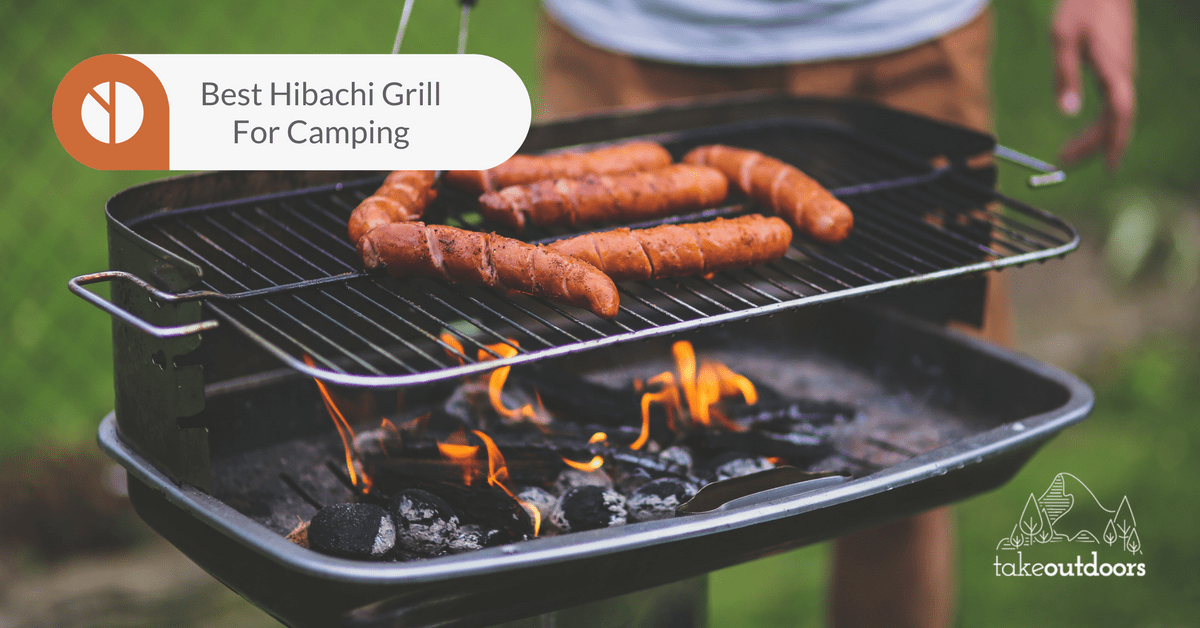
  • What are the Best Hibachi Grills for Camping?

    What are the Best Hibachi Grills for Camping?

    In North America, a Hibachi grill refers to a compact cooking stove that you can fire up with charcoal. If you’ve been to teppanyaki stalls, it can also mean those iron plate that they use. Hibachi grills are excellent at providing efficient grilling in a small space. Being small and easy-to-use makes them great for camping. Here are three of the best Hibachi grills available.

    (more…)