Category: Camping Guides

  • Best Campgrounds with Lodging in U.S.

    Best Campgrounds with Lodging in U.S.

    Imagine waking up to the gentle rustling of leaves, stepping out of your tent, cozy yurt, or rustic cabin, and breathing in the crisp morning air of the great outdoors. This is the magic of camping with comfortable lodging – a perfect blend of natural immersion and modern convenience that allows you to experience nature without completely sacrificing the comforts of home. Whether you’re a seasoned outdoor enthusiast, a family seeking new adventures, or a couple looking for a romantic getaway, campgrounds with diverse lodging options offer unique ways to enjoy the beauty of America’s natural landscapes.

    In this comprehensive guide, we’ll take you on a journey through 25 of the best campgrounds with lodging across the United States. From the enchanted forests of the Pacific Northwest to the sun-kissed shores of Florida, we’ve handpicked a diverse array of destinations that showcase the country’s stunning natural beauty. Each campground offers its own unique blend of amenities, activities, and breathtaking scenery, ensuring there’s a perfect spot for every type of traveler.

    Our curated list includes everything from primitive campsites in remote wilderness areas to luxurious lodges with all the comforts of home. We’ll explore options in iconic national parks, state forests, and private resorts, giving you a taste of the incredible variety of outdoor lodging experiences available across America. You’ll find information on tent camping, RV sites, yurts, cabins, and park lodges, allowing you to choose the level of comfort that suits your style. Along the way, we’ll share insider tips on the best times to visit, must-try activities, and how to make the most of your stay at each location.

    So, whether you’re dreaming of stargazing from a mountaintop campsite in the Rockies, roasting marshmallows with your family in a cozy yurt, or waking up to ocean views in a beachside lodge, this guide has you covered. Pack your sense of adventure and join us as we uncover the best places to create unforgettable memories in the great outdoors, all while enjoying a range of comfortable lodging options!

    Disney’s Fort Wilderness Resort & Campground

    (Lake Buena Vista, Florida)

    The sign for (and logo of) Disney's Fort Wilderness Resort and Campground in Walt Disney World; picture taken at night.
    Photo by Katie Rommel-Esham via WikiCommons

    Nestled in the heart of Walt Disney World, Disney’s Fort Wilderness Resort & Campground offers a magical blend of outdoor adventure and Disney enchantment. This 750-acre resort is a hidden gem that combines the rustic charm of cabin camping with the world-famous Disney experience. The centerpiece of Fort Wilderness is its collection of cozy, well-appointed cabins that sleep up to six adults comfortably, providing a perfect home base for your Disney adventure.

    These charming “Wilderness Cabins” offer a unique lodging experience, marrying the feel of a rustic retreat with modern comforts. Each cabin features a full kitchen, a living area with a television, a private bedroom, and a full bathroom. The cabins also boast a private patio or deck, complete with a picnic table, perfect for enjoying meals outdoors or simply relaxing after a day of excitement. Despite their rustic exterior, these cabins are fully climate-controlled, ensuring comfort regardless of the Florida weather.

    Amenities and Activities

    Fort Wilderness is more than just a place to stay; it’s a destination in itself. The resort boasts two heated swimming pools, including one with a corkscrew waterslide. Outdoor enthusiasts can enjoy activities such as horseback riding, archery, and canoeing on Bay Lake. For a unique experience, don’t miss the Hoop-Dee-Doo Musical Revue, a beloved dinner show that’s been entertaining guests for decades.

    The campground also features:

    • Chip ‘N Dale’s Campfire Sing-A-Long, a free nightly event
    • Bike rentals for exploring the resort’s scenic trails
    • Fishing excursions on Bay Lake
    • A beach area for sunbathing and volleyball
    • Nightly outdoor movies under the stars

    Nearby Attractions

    Of course, the main draw is the proximity to Walt Disney World’s theme parks. Complimentary boat transportation is available to Magic Kingdom, while buses connect you to other Disney parks and attractions. After a day of excitement, you can retreat to the tranquility of your cabin, offering the best of both worlds.

    Best Time to Visit

    While Fort Wilderness is magical year-round, consider visiting during the fall for milder temperatures and festive Halloween decorations, or during the winter holidays when the resort is beautifully adorned with Christmas lights.

    Insider Tips

    • Book well in advance, especially for peak seasons, as these cabins are in high demand.
    • Consider renting a golf cart to easily navigate the expansive resort grounds.
    • Don’t miss the Electrical Water Pageant, visible from the resort’s beach at night.

    Winding River Resort

    (Grand Lake, Colorado)

    Nestled in the heart of the Rocky Mountains, Winding River Resort offers a quintessential Colorado cabin camping experience. Located in close proximity to Rocky Mountain National Park and the charming town of Estes Park, this family-owned resort provides a perfect camping spot for the entire family.

    The park’s cozy cabins feature a mix of queen beds and bunk beds, comfortably accommodating groups of various sizes. With great amenities including propane fire pits and a heated pool, Winding River Resort ensures a memorable stay for both first-time campers and seasoned outdoor enthusiasts.

    Amenities and Activities

    Winding River Resort is a paradise for outdoor enthusiasts. The resort offers a wide range of activities that allow guests to fully immerse themselves in the beauty of the Colorado Rockies:

    • Horseback riding tours through scenic mountain trails
    • Fishing in the resort’s stocked pond or in nearby rivers
    • Hayrides and chuck wagon rides for a taste of the Old West
    • Animal farm where kids can interact with friendly farm animals
    • Hiking and wildlife viewing in the adjacent national forest

    The resort also features a general store for basic supplies and souvenirs, as well as laundry facilities for guest convenience.

    Nearby Attractions

    The prime location of Winding River Resort puts some of Colorado’s most stunning natural attractions right at your doorstep:

    • Rocky Mountain National Park, offering world-class hiking, wildlife viewing, and scenic drives
    • Grand Lake, Colorado’s largest and deepest natural lake, perfect for boating and fishing
    • The quaint mountain town of Grand Lake, with its charming shops and restaurants
    • Arapaho National Forest, providing additional opportunities for hiking, fishing, and wildlife spotting

    Best Time to Visit

    While Winding River Resort is open year-round, the best time to visit depends on your preferred activities:

    • Summer (June-August) is ideal for hiking, horseback riding, and water activities
    • Fall (September-October) offers stunning foliage and elk bugling in Rocky Mountain National Park
    • Winter (December-March) is perfect for snowshoeing, cross-country skiing, and cozy cabin evenings

    Insider Tips

    • Book your cabin well in advance, especially for summer and fall visits
    • Bring warm layers, as mountain weather can be unpredictable even in summer
    • Take advantage of the resort’s proximity to Rocky Mountain National Park by planning early morning visits to avoid crowds
    • Don’t miss the opportunity to stargaze – the clear mountain skies offer spectacular views of the Milky Way

    Tall Pines Campground and River Adventures

    (Bainbridge, New York)

    Nestled in the picturesque Catskill Mountains of upstate New York, Tall Pines Campground and River Adventures offers a perfect blend of outdoor recreation and comfortable accommodations. This family-friendly campground is situated along the banks of the Delaware River, providing guests with easy access to water activities and scenic beauty.

    Tall Pines features spacious RV sites and tent camping areas, allowing guests to enjoy the natural surroundings. Each site is uniquely positioned to provide privacy and stunning views of the surrounding forest and river.

    Amenities and Activities

    Tall Pines Campground is renowned for its array of on-site activities and amenities:

    • River tubing and kayaking adventures on the Delaware River
    • Spacious RV sites for those bringing their own accommodations
    • A well-stocked camp store for essentials and souvenirs
    • Playground and game room for family entertainment
    • Seasonal events and activities for guests of all ages
    • Fire rings at each site for evening campfires and s’mores

    Nearby Attractions

    The campground’s location in the Catskills offers easy access to numerous attractions:

    • Hiking trails in the nearby Catskill Forest Preserve
    • Fishing in the Delaware River, known for its excellent trout fishing
    • Scenic drives through the charming towns of the Catskills
    • Local farmers markets and artisan shops
    • Historical sites and museums showcasing the region’s rich history

    Best Time to Visit

    Tall Pines Campground is typically open from May through October:

    • Summer (June-August) is perfect for water activities and enjoying the lush greenery
    • Fall (September-October) offers spectacular foliage and cooler temperatures ideal for hiking
    • Spring (May) provides a peaceful experience with blooming wildflowers and fewer crowds

    Insider Tips

    • Book your cabin early for peak summer weekends and holiday periods
    • Bring water shoes for river activities, as the riverbed can be rocky
    • Check the campground’s event calendar for special activities during your stay
    • Consider a midweek visit for a quieter, more relaxed experience
    • Don’t forget your camera – the scenery is particularly photogenic during sunrise and sunset

    Big Sur Campground & Cabins

    (Big Sur, California)

    Big sur campground stream flowing through trees
    Big Sur Campground Stream, Photo by Brian Lopez via WikiCommons

    Nestled among towering redwoods along the banks of the Big Sur River, Big Sur Campground & Cabins offers a magical escape into one of California’s most iconic landscapes. This family-owned and operated campground provides a perfect blend of rustic charm and modern comfort, allowing guests to immerse themselves in the natural beauty of Big Sur while enjoying cozy accommodations.

    The campground features a variety of cabin options, from simple rustic cabins to more modern units with kitchenettes. Each cabin is thoughtfully positioned to provide privacy and easy access to the river and surrounding redwood groves, offering a true forest retreat experience.

    Amenities and Activities

    Big Sur Campground & Cabins offers a range of on-site activities and amenities:

    • River tubing and swimming in the Big Sur River
    • Playground and basketball court for family fun
    • Camp store stocked with essentials and local souvenirs
    • Laundry facilities for guest convenience
    • Free Wi-Fi in common areas
    • Seasonal activities including outdoor movies and nature talks

    Nearby Attractions

    The campground’s prime location in Big Sur provides easy access to numerous attractions:

    • Hiking trails in Pfeiffer Big Sur State Park
    • Scenic drives along the iconic Pacific Coast Highway
    • Beautiful beaches including Pfeiffer Beach and Andrew Molera State Beach
    • Point Sur Lighthouse tours
    • Local art galleries and unique dining experiences

    Best Time to Visit

    Big Sur Campground & Cabins is open year-round:

    • Summer (June-August) offers warm weather perfect for river activities
    • Fall (September-November) provides mild temperatures and fewer crowds
    • Winter (December-February) can be cool and rainy, but offers a serene, misty forest experience
    • Spring (March-May) brings wildflowers and comfortable hiking weather

    Insider Tips

    • Book well in advance, especially for summer months and holidays
    • Bring layers, as coastal weather can be changeable
    • Take advantage of the campground’s tubing rentals for a fun river experience
    • Don’t miss the opportunity to stargaze in the clear Big Sur night sky
    • Be prepared for limited cell phone service in the area

    Custer State Park Resort

    (Custer, South Dakota)

    Custer State Park Resort, located in the heart of the Black Hills of South Dakota, offers a truly unique cabin camping experience. This expansive resort, set within one of America’s largest state parks, provides visitors with the opportunity to immerse themselves in the rugged beauty of the Black Hills while enjoying comfortable accommodations and modern amenities.

    The resort features a variety of cabin options, from historic stone and wood cabins built by the Civilian Conservation Corps in the 1930s to more modern, spacious lodges. Each cabin type offers its own charm, with many providing stunning views of the surrounding forests, meadows, and wildlife.

    Amenities and Activities

    Custer State Park Resort offers a wealth of activities and amenities:

    • Four scenic lakes for fishing, swimming, and boating
    • Miles of hiking and biking trails
    • Horseback riding tours
    • Buffalo safari jeep tours
    • Rock climbing in the Needles area
    • On-site restaurants featuring local cuisine
    • Visitor centers with educational exhibits

    Nearby Attractions

    The resort’s location provides easy access to numerous Black Hills attractions:

    • Mount Rushmore National Memorial
    • Crazy Horse Memorial
    • Jewel Cave National Monument
    • Wind Cave National Park
    • Badlands National Park
    • Historic Deadwood

    Best Time to Visit

    Custer State Park Resort is open year-round, with each season offering unique experiences:

    • Summer (June-August) is perfect for outdoor activities and wildlife viewing
    • Fall (September-October) offers beautiful foliage and the annual Buffalo Roundup
    • Winter (December-February) provides opportunities for cross-country skiing and snowshoeing
    • Spring (April-May) brings wildflowers and newborn wildlife

    Insider Tips

    • Book your cabin well in advance, especially for summer and during the Sturgis Motorcycle Rally
    • Take the Wildlife Loop Road for the best chance to see bison, pronghorns, and other wildlife
    • Don’t miss the spectacular Needles Highway scenic drive
    • Bring binoculars for wildlife viewing and stargazing
    • Check the park’s event calendar for ranger-led programs and special events

    Yogi Bear’s Jellystone Park

    (Cave City, Kentucky)

    Statue of Yogi Bear greeting visitors at the entrance of Jellystone Park at Cave City, Kentucky,
    Photo by -stk, CC via WikiCommons

    Yogi Bear’s Jellystone Park in Cave City offers a family-friendly cabin camping experience with a fun, themed twist. The park’s water slides and splash areas provide endless fun for the whole family, making it a great place for first-time campers to experience the joy of outdoor adventures. Located near Mammoth Cave National Park, this campground combines the excitement of a theme park with the natural beauty of Kentucky’s cave country.

    The park offers a range of accommodation choices, from cozy cabins to full hook-up sites in the RV park, ensuring great experiences for all types of campers.

    Amenities and Activities

    • Water park with slides, pools, and splash areas
    • Mini-golf course and gem mining
    • Playground and jump pad
    • Outdoor movies and themed weekends
    • Camp store and snack bar
    • Pedal cart rentals and basketball court

    Nearby Attractions

    • Mammoth Cave National Park
    • Kentucky Action Park
    • National Corvette Museum
    • Dinosaur World
    • Kentucky Down Under Adventure Zoo

    Best Time to Visit

    • Summer (June-August) for peak water park fun
    • Spring and Fall for milder temperatures and themed events
    • Winter for a quieter experience and holiday-themed activities

    Insider Tips

    • Book early for themed weekends and holiday periods
    • Bring swimwear for the water park, even in cooler months
    • Check the activity schedule for special Yogi Bear appearances
    • Consider a cave tour package for the full Mammoth Cave experience

    Golden Gate Canyon State Park

    (Golden, Colorado)

    Golden Gate Canyon State Park offers a true Rocky Mountain cabin camping experience just 30 miles from Denver. Located within easy driving distance of both downtown Denver and Colorado Springs, this park offers a convenient escape to nature. The park features a variety of lodging options, including well-equipped cabins and tent sites, catering to different camping preferences.

    Facilities include vault toilets and water spigots throughout the grounds, ensuring a comfortable stay. Whether you’re planning an overnight stay or a longer vacation, Golden Gate Canyon State Park provides a beautiful setting for your outdoor adventure.

    Amenities and Activities

    • Over 35 miles of hiking trails
    • Fishing in stocked ponds
    • Rock climbing areas
    • Wildlife viewing opportunities
    • Visitor center with educational exhibits
    • Picnic areas and group facilities

    Nearby Attractions

    • Rocky Mountain National Park
    • City of Boulder
    • Red Rocks Park and Amphitheatre
    • Clear Creek History Park
    • Colorado Railroad Museum

    Best Time to Visit

    • Summer (June-August) for hiking and fishing
    • Fall (September-October) for stunning foliage
    • Winter (December-March) for cross-country skiing and snowshoeing
    • Spring (April-May) for wildflowers and wildlife viewing

    Insider Tips

    • Reserve cabins well in advance, especially for summer and fall weekends
    • Bring warm layers, as mountain weather can change quickly
    • Check for fire restrictions before planning campfires
    • Don’t miss the panoramic view from Panorama Point Scenic Overlook

    McArthur-Burney Falls Memorial State Park

    (Burney, California)

    McArthur-Burney Falls Memorial State Park is home to one of California’s most beautiful waterfalls and offers a serene cabin camping experience. The park’s cabins are nestled among ancient oaks and pines, providing a comfortable base for exploring this natural wonder.

    The cabins are rustic yet comfortable, offering a true wilderness experience with basic amenities to ensure a pleasant stay.

    Amenities and Activities

    • Hiking trails, including the waterfall overlook trail
    • Fishing in Lake Britton and Burney Creek
    • Swimming and boating on Lake Britton
    • Visitor center with interpretive displays
    • Camp store for supplies and souvenirs

    Nearby Attractions

    • Lassen Volcanic National Park
    • Subway Cave Lava Tubes
    • Hat Creek Rim Overlook
    • Ahjumawi Lava Springs State Park
    • Lava Beds National Monument

    Best Time to Visit

    • Summer (June-August) for warm weather and water activities
    • Spring (April-May) for peak waterfall flow and wildflowers
    • Fall (September-October) for fewer crowds and pleasant temperatures
    • Winter (November-March) for a quiet retreat and possible snow views

    Insider Tips

    • Book cabins early, especially for summer weekends
    • Bring a camera for stunning waterfall photography
    • Pack layers, as temperatures can vary significantly between day and night
    • Don’t miss the short hike to the base of Burney Falls

    Kring Point State Park

    (Redwood, New York)

    Photo by Lallint, CC0, via Wikimedia Commons

    Kring Point State Park, located in the heart of the Thousand Islands region, offers a unique cabin camping experience on a small peninsula jutting into the St. Lawrence River. The park’s waterfront cabins provide stunning views and easy access to water activities.

    These cozy cabins blend rustic charm with modern amenities, offering a comfortable retreat after days filled with outdoor adventures.

    Amenities and Activities

    • Sandy beach for swimming
    • Boat launch and docking facilities
    • Fishing opportunities
    • Picnic areas with grills
    • Playground and playing fields
    • Nature trails for hiking and wildlife viewing

    Nearby Attractions

    • Boldt Castle on Heart Island
    • Alexandria Bay for shopping and dining
    • Wellesley Island State Park
    • Antique Boat Museum in Clayton
    • Singer Castle on Dark Island

    Best Time to Visit

    • Summer (June-August) for peak water activities and warmest temperatures
    • Fall (September-October) for beautiful foliage and fewer crowds
    • Spring (May) for bird watching and emerging wildflowers

    Insider Tips

    • Reserve cabins well in advance, especially for summer months
    • Bring binoculars for bird watching and ship spotting
    • Consider renting a boat to fully explore the Thousand Islands
    • Don’t forget your passport if you plan to visit Canadian islands

    Big Arm State Park

    (Big Arm, Montana)

    Big Arm State Park, situated on the shores of Flathead Lake, offers a unique camping experience with its premium yurts. These circular, tent-like structures provide a cozy and memorable stay in one of Montana’s most scenic locations.

    The yurts at Big Arm are equipped with basic amenities and offer stunning views of the lake and the surrounding Mission Mountains. Each site includes a fire ring, perfect for evening gatherings. Big Arm is also a great site for larger groups, with a dedicated group site available for reservation, making it ideal for family reunions or group retreats.

    Amenities and Activities

    • Sandy beach for swimming and sunbathing
    • Boat ramp and marina
    • Hiking trails with scenic viewpoints
    • Fishing opportunities
    • Picnic areas and fire rings
    • Wildlife viewing, including osprey and bald eagles

    Nearby Attractions

    • Flathead Lake State Park units
    • National Bison Range
    • Glacier National Park
    • Bigfork Village for art galleries and dining
    • Wild Horse Island State Park

    Best Time to Visit

    • Summer (June-August) for warm weather and water activities
    • Fall (September-October) for beautiful colors and fewer crowds
    • Spring (May) for wildflowers and bird watching
    • Winter (December-February) for a serene, snow-covered landscape

    Insider Tips

    • Don’t miss the opportunity to visit Wild Horse Island by boat
    • Book yurts well in advance, especially for summer weekends
    • Bring warm sleeping bags, as nights can be cool even in summer
    • Consider renting kayaks or paddleboards to explore the lake

    Flowing Lake County Park

    (Snohomish, Washington)

    Flowing Lake County Park offers a classic Pacific Northwest camping experience in a tranquil forest setting. The park provides tent and RV sites that serve as a comfortable base for exploring the lake and surrounding woodland.

    These well-maintained sites offer a perfect blend of rustic charm and basic amenities, allowing visitors to enjoy nature without sacrificing too much comfort.

    Amenities and Activities

    • Fishing and boating on Flowing Lake
    • Hiking trails through lush forests
    • Playground and sports fields
    • Picnic areas and shelters
    • Boat launch and rentals
    • Wildlife viewing opportunities

    Nearby Attractions

    • Snohomish River Valley
    • Historic downtown Snohomish
    • Centennial Trail for biking and hiking
    • Seattle Premium Outlets in Tulalip
    • Wallace Falls State Park

    Best Time to Visit

    • Summer (July-August) for warmest temperatures and water activities
    • Fall (September-October) for beautiful foliage and fewer crowds
    • Spring (April-June) for wildflowers and bird watching
    • Winter (November-March) for a quiet retreat and possible snow activities

    Insider Tips

    • Reserve cabins early, especially for summer weekends
    • Bring binoculars for bird watching and wildlife spotting
    • Check out the park’s fishing pier for easy lake access
    • Don’t forget rain gear, as the Pacific Northwest can be wet year-round

    Acadia National Park

    (Mount Desert Island, Maine)

    Man on a large stone bridge in the woods in Acadia National Park, Maine
    Acadia National Park, Maine. Photo by Victoria Stauffenberg

    Acadia National Park offers a truly unique camping experience on the rugged coast of Maine. While the park itself doesn’t have cabin rentals, it provides several campgrounds that allow visitors to stay within the park’s boundaries. Additionally, there are numerous lodging options in the surrounding areas, providing easy access to the park’s stunning landscapes.

    These accommodations, ranging from rustic campsites to luxurious nearby hotels, offer a comfortable base for exploring the diverse ecosystems and dramatic coastline of Acadia.

    Amenities and Activities

    • Miles of hiking trails, including the famous Precipice Trail
    • Scenic Park Loop Road for driving tours
    • Sandy and rocky beaches for relaxation and exploration
    • Biking on historic carriage roads
    • Ranger-led programs and naturalist tours
    • Stargazing at one of the darkest sky locations on the East Coast

    Nearby Attractions

    • Bar Harbor for dining, shopping, and whale watching tours
    • Schoodic Peninsula for a less crowded park experience
    • Bass Harbor Head Lighthouse
    • Atlantic Brewing Company
    • Abbe Museum for Native American history and culture

    Best Time to Visit

    • Summer (June-August) for warmest temperatures and full access to park facilities
    • Fall (September-October) for spectacular foliage and fewer crowds
    • Spring (April-May) for wildflowers and bird migrations
    • Winter (December-March) for cross-country skiing and a serene, snow-covered landscape

    Insider Tips

    • Book accommodations well in advance, especially for summer and fall
    • Visit popular spots like Cadillac Mountain early in the morning to avoid crowds
    • Take advantage of the free Island Explorer shuttle bus to avoid parking issues
    • Don’t miss the opportunity to watch the sunrise from Cadillac Mountain

    Lake Wapello State Park

    (Drakesville, Iowa)

    Lake Wapello State Park offers a serene cabin camping experience in the rolling hills of southern Iowa. The park features modern, cedar-sided family cabins that provide a comfortable base for exploring the 289-acre lake and surrounding forest.

    These cabins blend seamlessly with the natural environment, offering modern amenities while maintaining a rustic charm that complements the park’s beauty.

    Amenities and Activities

    • Fishing in Lake Wapello, known for its trophy-sized bass
    • Sandy beach for swimming
    • Boat ramps and rentals
    • Hiking trails through diverse landscapes
    • Picnic areas and shelters
    • Playground for children

    Nearby Attractions

    • American Gothic House Center in Eldon
    • Lacey-Keosauqua State Park
    • Villages of Van Buren County
    • Davis County Courthouse
    • Honey Creek Resort State Park

    Best Time to Visit

    • Summer (June-August) for water activities and warmest temperatures
    • Fall (September-October) for beautiful foliage and comfortable hiking weather
    • Spring (April-May) for wildflowers and bird watching
    • Winter (December-February) for a quiet retreat and possible ice fishing

    Insider Tips

    • Reserve cabins early, especially for summer weekends and holidays
    • Bring fishing gear to take advantage of the excellent bass fishing
    • Check out the park’s naturalist programs for guided hikes and nature talks
    • Don’t miss the stunning sunsets over Lake Wapello

    Robert H. Treman State Park

    (Ithaca, New York)

    Robert H. Treman State Park, located in the Finger Lakes region, offers a unique cabin camping experience amidst stunning gorges and waterfalls. The park’s rustic cabins provide a minimalist retreat for those looking to connect closely with nature.

    These primitive cabins offer basic shelter in a spectacular setting, allowing campers to immerse themselves in the park’s natural beauty while enjoying some basic comforts.

    Amenities and Activities

    • Hiking trails featuring 12 waterfalls, including the 115-foot Lucifer Falls
    • Natural swimming area beneath a waterfall
    • Fishing in Enfield Creek
    • Picnic areas with grills
    • Nature programs and guided tours
    • Playground for children

    Nearby Attractions

    • Ithaca’s famous gorges and waterfalls
    • Cornell University and Ithaca College
    • Finger Lakes wine region
    • Buttermilk Falls State Park
    • Museum of the Earth

    Best Time to Visit

    • Summer (June-August) for swimming and warmest temperatures
    • Fall (September-October) for spectacular foliage and comfortable hiking
    • Spring (April-May) for rushing waterfalls and wildflowers
    • Winter (December-February) for a serene, snow-covered landscape (limited facilities)

    Insider Tips

    • Book cabins well in advance for summer and fall weekends
    • Bring appropriate footwear for hiking on potentially slippery trails
    • Take advantage of the park’s naturalist-led gorge tours
    • Don’t miss the opportunity to swim beneath a waterfall in the summer

    Zion National Park

    (Springdale, Utah)

    Angels Landing trail looking northward to the Narrows, Zion National Park, Utah, USA
    Angels Landing trail looking northward to Narrows, Zion National Park, Utah, USA; Photo by Tobias Alt, CC BY-SA 4.0 via Wikimedia Commons

    While Zion National Park itself doesn’t offer cabin rentals, the surrounding areas provide numerous options for cabin stays that serve as excellent basebases for exploring this stunning park. These cabins range from rustic retreats to luxury accommodations, all offering easy access to Zion’s iconic red rock landscapes.

    Staying in a cabin near Zion allows visitors to enjoy the comforts of home while being just minutes away from the park’s breathtaking scenery and outdoor adventures.

    Amenities and Activities

    • Hiking trails for all skill levels, including the famous Angels Landing and The Narrows
    • Scenic drives through towering sandstone cliffs
    • Rock climbing and canyoneering opportunities
    • Ranger-led programs and guided tours
    • Horseback riding trails
    • Stargazing in one of the darkest sky regions in the country

    Nearby Attractions

    • Bryce Canyon National Park
    • Grand Staircase-Escalante National Monument
    • Coral Pink Sand Dunes State Park
    • Grafton Ghost Town
    • Snow Canyon State Park

    Best Time to Visit

    • Spring (March-May) for mild temperatures and blooming wildflowers
    • Fall (September-November) for comfortable hiking weather and fewer crowds
    • Summer (June-August) for warmest temperatures and full access to all park areas
    • Winter (December-February) for a unique, snow-dusted landscape and solitude

    Insider Tips

    • Book accommodations well in advance, especially for spring and fall
    • Use the park’s shuttle system during peak seasons to avoid traffic and parking issues
    • Start hikes early in the morning to avoid heat and crowds
    • Don’t miss the scenic drive through Zion-Mount Carmel Highway and Tunnel

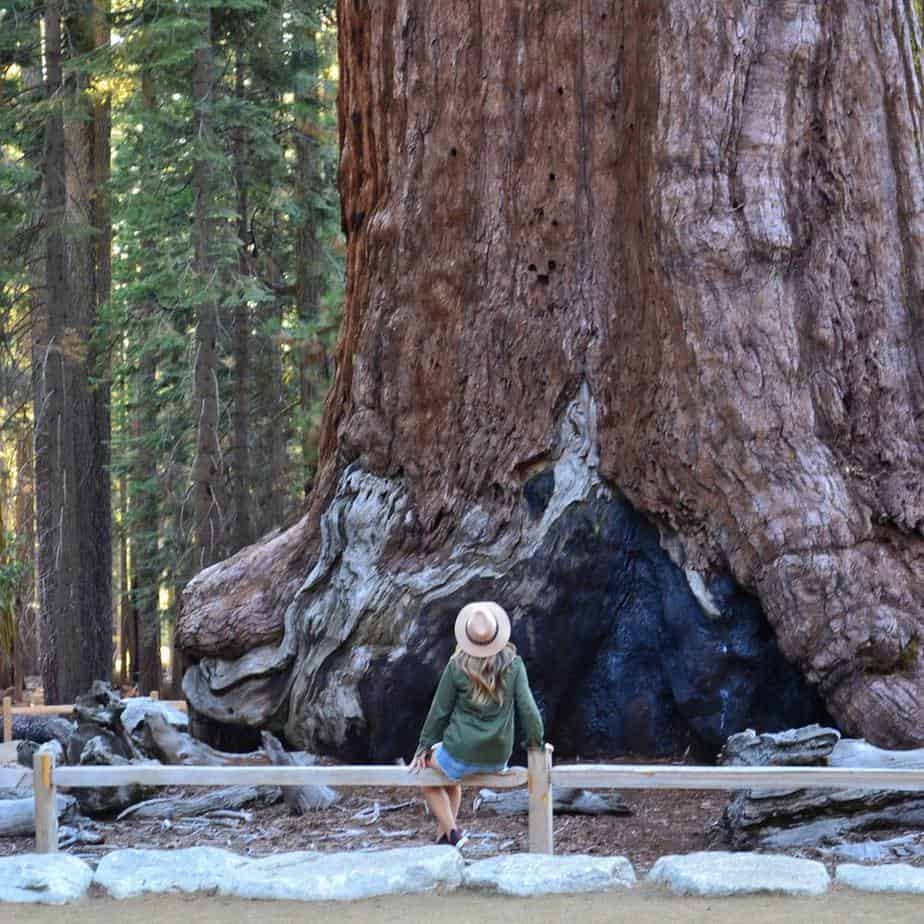
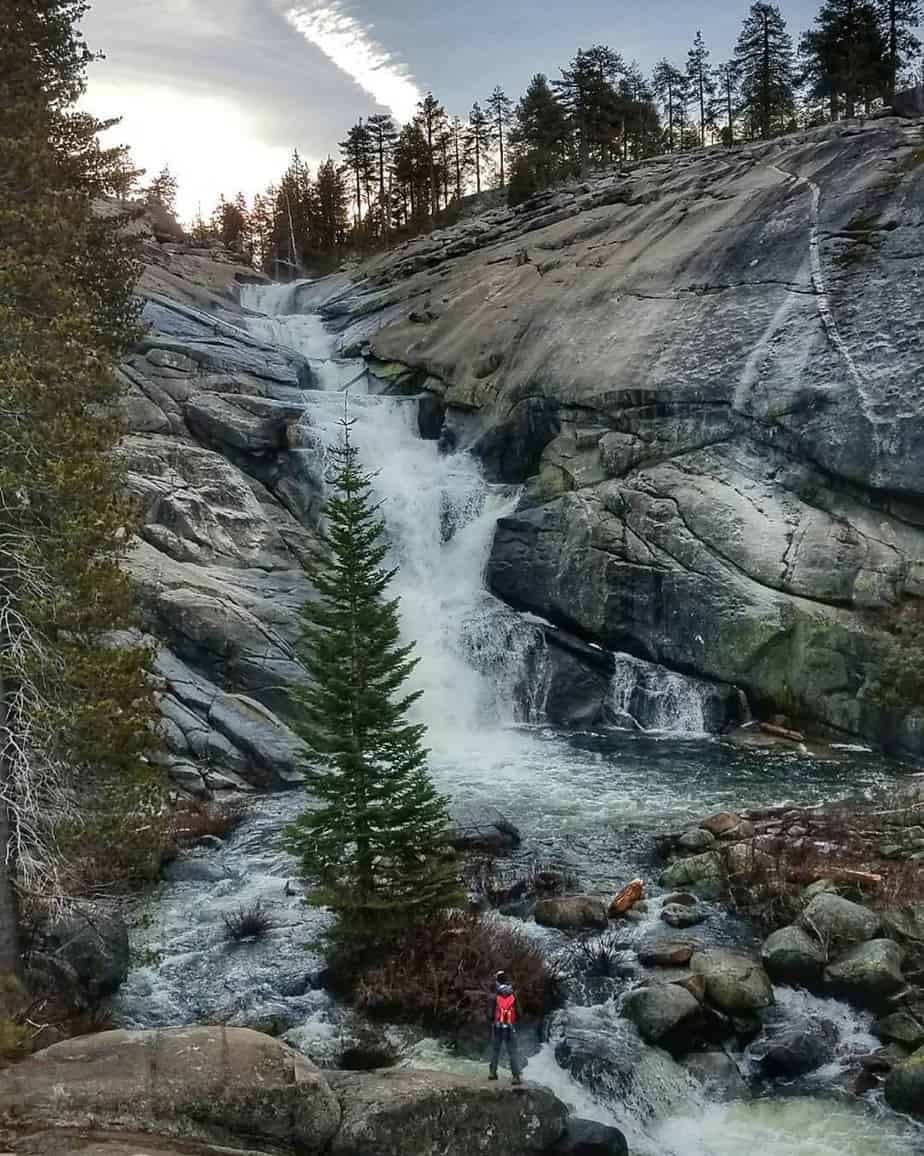
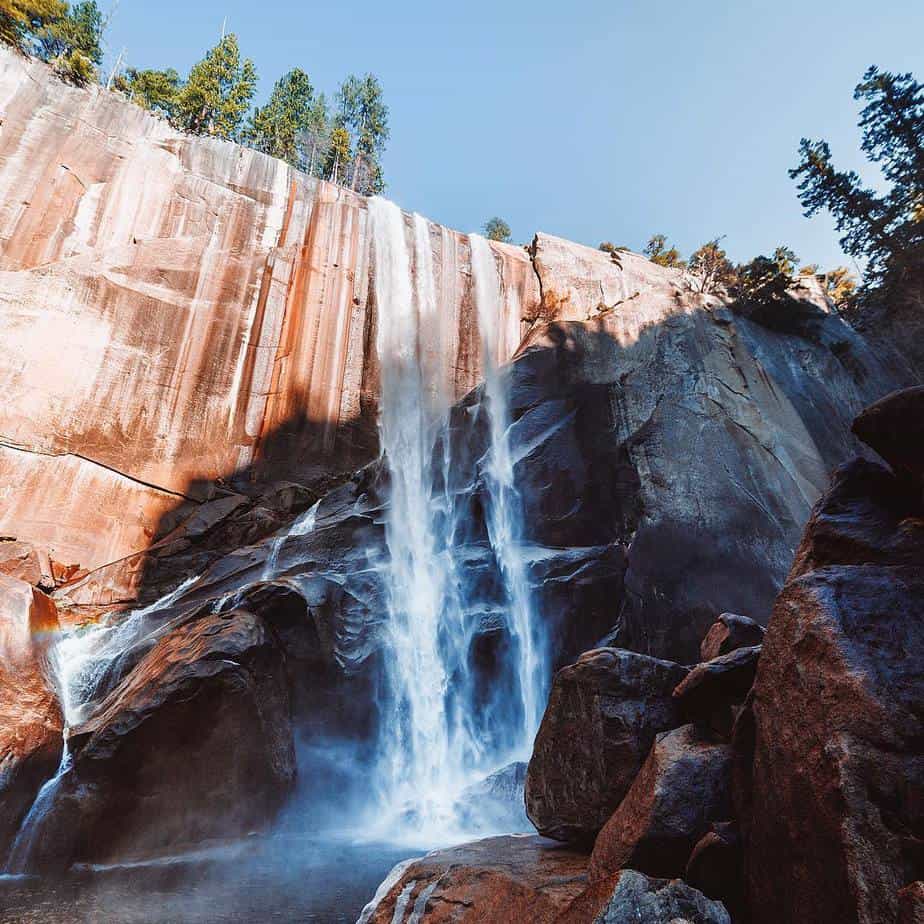
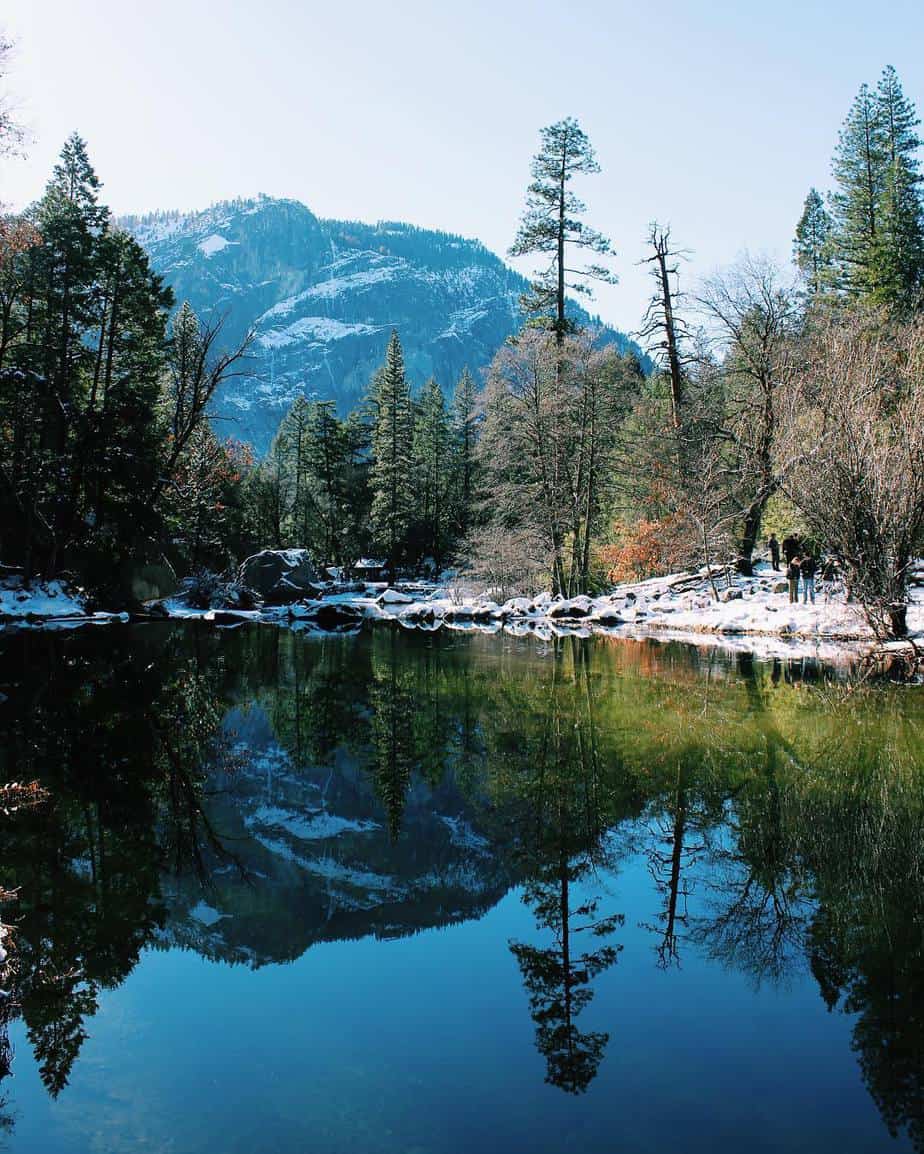
    Yosemite National Park

    (Yosemite Valley, California)

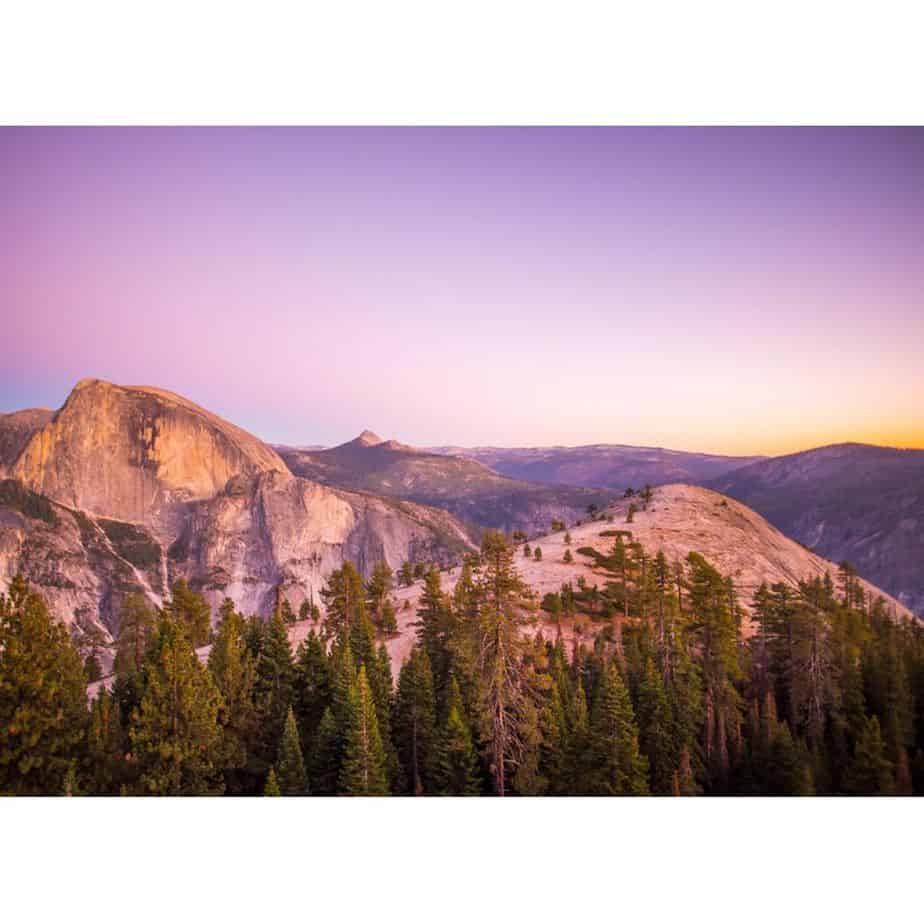
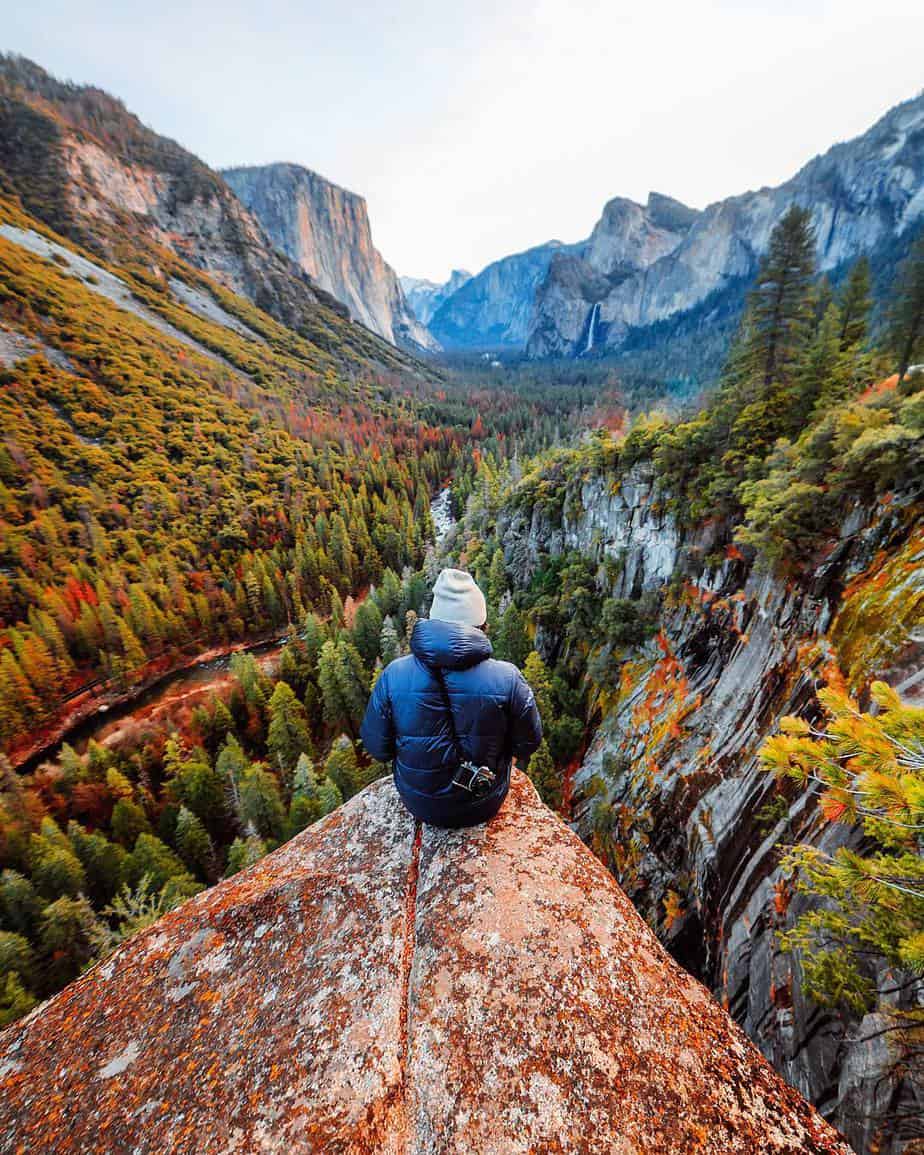
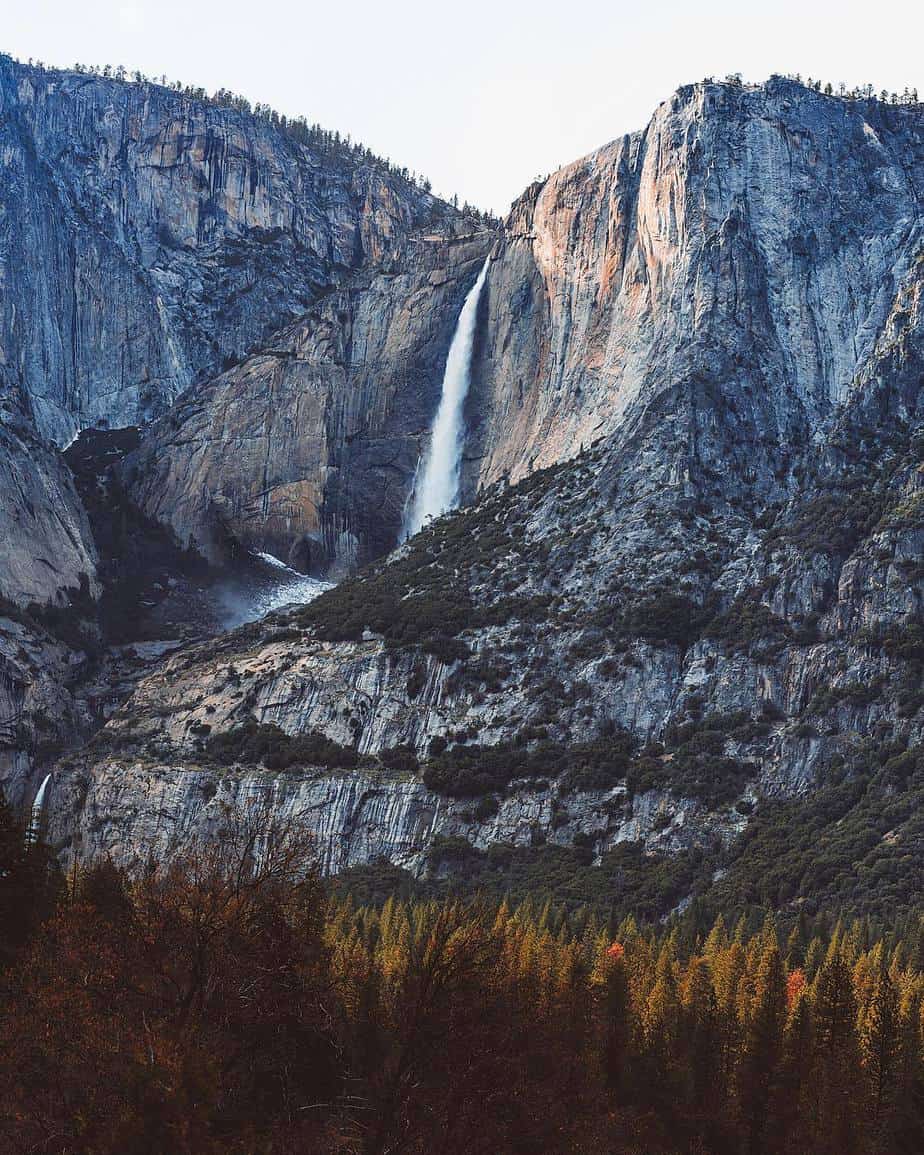
    Yosemite National Park, renowned for its granite cliffs, waterfalls, and diverse ecosystems, offers a range of accommodations both within the park and in nearby areas. These options provide comfortable lodging for visitors looking to explore one of America’s most iconic national parks.

    From rustic canvas-sided tent cabins to more luxurious lodges, Yosemite’s accommodations cater to a variety of preferences and budgets, all while offering easy access to the park’s natural wonders.

    Amenities and Activities

    • Miles of hiking trails for all skill levels, including the famous Half Dome hike
    • Rock climbing in world-class locations
    • Scenic drives, including Tioga Road and Glacier Point Road
    • Ranger-led programs and guided tours
    • Biking on paved trails in Yosemite Valley
    • Wildlife viewing and bird watching

    Nearby Attractions

    • Sequoia and Kings Canyon National Parks
    • Mono Lake
    • Bodie State Historic Park
    • Sierra Nevada Brewing Company
    • California State Mining and Mineral Museum

    Best Time to Visit

    • Spring (April-May) for gushing waterfalls and blooming wildflowers
    • Summer (June-August) for warmest temperatures and full access to all park areas
    • Fall (September-October) for fewer crowds and beautiful fall colors
    • Winter (November-March) for snow activities and a serene, less crowded experience

    Insider Tips

    • Reserve accommodations well in advance, especially for summer months
    • Use the park’s free shuttle system to avoid traffic and parking issues in Yosemite Valley
    • Visit popular spots early in the morning or later in the evening to avoid crowds
    • Don’t miss the opportunity to stargaze in Yosemite’s dark skies

    Olympic National Park

    (Port Angeles, Washington)

    Olympic National Park, known for its diverse ecosystems ranging from rugged coastline to temperate rainforests and alpine peaks, offers various lodging options in and around the park. These include campgrounds within the park and lodges that provide comfortable bases for exploring the park’s unique landscapes and abundant wildlife.

    From rustic campsites to cozy lodge rooms, Olympic’s lodging options allow visitors to immerse themselves in the park’s natural beauty while enjoying comfortable accommodations.

    Amenities and Activities

    • Hiking trails through rainforests, along beaches, and in alpine areas
    • Wildlife viewing, including Roosevelt elk and black bears
    • Tide pooling along the rugged coastline
    • Scenic drives, including Hurricane Ridge Road
    • Ranger-led programs and guided tours
    • Fishing in the park’s rivers and lakes

    Nearby Attractions

    • Sol Duc Hot Springs Resort
    • Lake Crescent
    • Hoh Rain Forest
    • Ruby Beach
    • Port Angeles and Forks for dining and supplies

    Best Time to Visit

    • Summer (July-August) for warmest and driest weather
    • Spring (April-June) for wildflowers and rushing waterfalls
    • Fall (September-October) for fewer crowds and fall colors
    • Winter (November-March) for storm watching on the coast and snow activities in the mountains

    Insider Tips

    • Book accommodations well in advance, especially for summer months
    • Bring rain gear, as the Olympic Peninsula can be wet year-round
    • Check road conditions before visiting, as some roads close seasonally
    • Don’t miss the opportunity to experience both the mountains and the coast

    Shenandoah National Park

    (Luray, Virginia)

    The view from Eaton Hollow Overlook looking west. Eaton Hollow Overlook is on the west side of Skyline drive at mile 70.3. Shenandoah National Park, Virginia.
    The view from Eaton Hollow Overlook on Skyline Drive in Shenandoah National Park; Photo by G. Edward Johnson via Wikimedia Commons

    Shenandoah National Park, stretching along the Blue Ridge Mountains, offers a variety of lodging accommodations both within the park and in nearby areas. These include rustic huts along the Appalachian Trail and more comfortable lodges, providing cozy retreats after days spent exploring the park’s scenic beauty and abundant wildlife.

    From historic lodges built in the 1930s to modern hotels in nearby towns, Shenandoah’s lodging options offer a range of experiences for visitors seeking to immerse themselves in the beauty of the Appalachian Mountains.

    Amenities and Activities

    • Over 500 miles of hiking trails, including a section of the Appalachian Trail
    • Scenic Skyline Drive for breathtaking views
    • Wildlife viewing, including black bears and white-tailed deer
    • Fishing in mountain streams
    • Ranger-led programs and guided tours
    • Horseback riding trails

    Nearby Attractions

    • Luray Caverns
    • Charlottesville and Monticello
    • Shenandoah River for canoeing and kayaking
    • Virginia wineries and cideries
    • New Market Battlefield State Historical Park

    Best Time to Visit

    • Spring (April-May) for wildflowers and flowing waterfalls
    • Summer (June-August) for warmest temperatures and full access to facilities
    • Fall (September-October) for spectacular fall foliage
    • Winter (November-March) for solitude and occasional snow-covered landscapes

    Insider Tips

    • Reserve cabins well in advance, especially for fall foliage season
    • Drive Skyline Drive early in the morning or late evening for the best wildlife viewing
    • Check for any trail closures or bear advisories before hiking
    • Don’t miss the opportunity to stargaze in the park’s dark skies

    Gatlinburg/Pigeon Forge KOA

    (Gatlinburg/Pigeon, Forge Tennessee)

    The Gatlinburg/Pigeon Forge KOA offers a family-friendly cabin camping experience in the heart of the Great Smoky Mountains. This campground provides a perfect blend of outdoor adventure and modern comfort, with easy access to popular attractions in Gatlinburg and Pigeon Forge.

    The KOA’s deluxe cabins offer a range of amenities, from basic camping cabins to fully-equipped deluxe cabins, catering to various preferences and budgets.

    Amenities and Activities

    • Swimming pool and hot tub
    • Playground and game room
    • Bike rentals
    • Camp store and snack bar
    • Pet-friendly accommodations available
    • Seasonal activities and events

    Nearby Attractions

    • Great Smoky Mountains National Park
    • Dollywood theme park
    • Ober Gatlinburg Amusement Park & Ski Area
    • Ripley’s Aquarium of the Smokies
    • Gatlinburg Space Needle

    Best Time to Visit

    • Summer (June-August) for warmest temperatures and full access to attractions
    • Fall (September-November) for spectacular foliage and fewer crowds
    • Spring (March-May) for wildflowers and mild temperatures
    • Winter (December-February) for holiday lights and potential snow activities

    Insider Tips

    • Book cabins well in advance, especially for summer and fall weekends
    • Take advantage of the KOA’s shuttle service to avoid parking hassles in Gatlinburg
    • Check the campground’s activity schedule for family-friendly events
    • Don’t miss the opportunity to explore Great Smoky Mountains National Park

    Hocking Hills State Park

    (Logan, Ohio)

    Hocking Hills State Park, known for its stunning rock formations, waterfalls, and dense forests, offers a variety of cabin rentals that provide a perfect base for exploring this natural wonderland. The park’s cabins range from rustic to luxurious, catering to different preferences and group sizes.

    These cozy cabins, nestled in the Hocking Hills region, offer visitors a chance to immerse themselves in nature while enjoying comfortable accommodations.

    Amenities and Activities

    • Miles of hiking trails showcasing unique geological features
    • Rock climbing and rappelling opportunities
    • Fishing and boating on Rose Lake
    • Archery range
    • Naturalist programs and guided hikes
    • Winter activities including ice fishing and cross-country skiing

    Nearby Attractions

    • Conkle’s Hollow State Nature Preserve
    • Hocking Valley Scenic Railway
    • Zipline canopy tours
    • Hocking Hills Winery
    • Athens for its vibrant college town atmosphere

    Best Time to Visit

    • Summer (June-August) for warmest temperatures and full access to activities
    • Fall (September-October) for spectacular foliage and comfortable hiking weather
    • Spring (April-May) for flowing waterfalls and blooming wildflowers
    • Winter (November-March) for a serene, potentially snow-covered landscape

    Insider Tips

    Don’t miss the opportunity to stargaze in the park’s dark skies

    Reserve cabins well in advance, especially for summer and fall weekends

    Visit popular sites like Old Man’s Cave early in the morning to avoid crowds

    Bring proper footwear for potentially slippery trails

    Red River Gorge Cabin Rentals

    (Slade, Kentucky)

    Red River Gorge, known for its stunning sandstone arches and rugged cliffs, offers a variety of cabin rentals that serve as perfect basecamps for outdoor adventures. These cabins range from cozy, rustic retreats to luxury accommodations with modern amenities, all nestled in the beautiful Daniel Boone National Forest.

    The cabin rentals provide a comfortable and scenic stay, allowing visitors to immerse themselves in the natural beauty of the Gorge while enjoying home-like comforts.

    Amenities and Activities

    • World-class rock climbing and bouldering
    • Miles of hiking trails, including the famous Natural Bridge
    • Scenic drives through the Daniel Boone National Forest
    • Kayaking and canoeing on the Red River
    • Zip line tours through the forest canopy
    • Wildlife viewing and bird watching

    Nearby Attractions

    • Natural Bridge State Resort Park
    • Kentucky Reptile Zoo
    • Nada Tunnel
    • Gladie Visitor Center
    • Miguel’s Pizza (a climber’s institution)

    Best Time to Visit

    • Spring (April-May) for wildflowers and comfortable temperatures
    • Fall (September-November) for spectacular foliage and ideal climbing weather
    • Summer (June-August) for warmest temperatures and water activities
    • Winter (December-March) for solitude and occasional snow-covered landscapes

    Insider Tips

    • Book cabins well in advance, especially for fall weekends
    • Bring proper footwear for potentially slippery trails
    • Check for any climbing restrictions or closures before your visit
    • Don’t miss the opportunity to watch the sunset from one of the many overlooks

    Letchworth State Park

    (Castile, New York)

    Letchworth State Park, often called the “Grand Canyon of the East,” offers modern cabin rentals that provide comfortable accommodations amidst stunning natural beauty. These cabins overlook the scenic Genesee River gorge, offering visitors a unique perspective on one of New York’s most impressive landscapes.

    The park’s cabins range from rustic to modern, providing options for various preferences and group sizes, all while maintaining easy access to the park’s many attractions.

    Amenities and Activities

    • Hiking trails with views of three major waterfalls
    • Whitewater rafting and kayaking (seasonal)
    • Hot air balloon rides for aerial views of the park
    • Winter activities including cross-country skiing and snow tubing
    • Nature center with educational programs
    • Guided tours and ranger programs

    Nearby Attractions

    • Mount Morris Dam and Recreation Area
    • Genesee Country Village & Museum
    • Finger Lakes Wine Country
    • Rochester for city amenities and cultural attractions
    • National Warplane Museum

    Best Time to Visit

    • Summer (June-August) for warmest temperatures and full access to activities
    • Fall (September-October) for spectacular foliage and comfortable hiking weather
    • Spring (April-May) for flowing waterfalls and emerging wildflowers
    • Winter (December-March) for snow activities and serene landscapes

    Insider Tips

    • Reserve cabins well in advance, especially for summer and fall weekends
    • Visit the Middle Falls at night to see it illuminated
    • Take advantage of the park’s shuttle service during peak seasons
    • Don’t miss the opportunity to view the park from the Portageville Bridge

    Cascadia State Park

    (Sweet Home, Oregon)

    Cascadia State Park, nestled in the foothills of the Cascade Mountains, offers a peaceful retreat in a lush, forested setting. While the park doesn’t offer cabins, it provides beautiful campsites that allow visitors to immerse themselves in nature.

    The park’s campsites offer a simple yet comfortable base for exploring the area’s natural beauty and rich history.

    Amenities and Activities

    • Hiking trails through old-growth forests
    • Fishing in the South Santiam River
    • Picnicking areas with scenic views
    • Interpretive trails highlighting the area’s geology and history
    • Wildlife viewing and bird watching
    • Nearby hot springs for relaxation

    Nearby Attractions

    • Willamette National Forest
    • Sweet Home for supplies and local culture
    • Santiam State Forest
    • Oregon Cascades Birding Trail
    • Waterfall scenic route along Highway 20

    Best Time to Visit

    • Summer (July-August) for warmest and driest weather
    • Spring (April-June) for wildflowers and flowing creeks
    • Fall (September-October) for fall colors and fewer crowds
    • Winter (November-March) for a quiet retreat and possible snow activities

    Insider Tips

    • Book cabins in advance, especially for summer weekends
    • Bring appropriate footwear for potentially muddy trails
    • Check for any trail closures or advisories before your visit
    • Don’t miss the short hike to Soda Creek Falls within the park

    Humboldt Redwoods State Park

    (Weott, California)

    Humboldt Redwoods State Park, southern Humboldt County, California, USA.
    Photo by Daderot, CC0, via Wikimedia Commons

    Humboldt Redwoods State Park, home to the largest remaining stand of virgin redwoods in the world, offers cabin rentals that provide a comfortable base for exploring this awe-inspiring forest. These cabins, nestled among the towering redwoods, offer a unique opportunity to stay in one of the most impressive natural settings in California.

    The park’s cabins range from rustic to more modern options, all providing easy access to the park’s numerous trails and attractions.

    Amenities and Activities

    • Miles of hiking trails through old-growth redwood forests
    • Avenue of the Giants scenic drive
    • Eel River for swimming, fishing, and kayaking
    • Visitor center with educational exhibits
    • Horseback riding trails
    • Biking along the Avenue of the Giants

    Nearby Attractions

    • Shrine Drive-Thru Tree
    • Rockefeller Forest, the world’s largest remaining contiguous old-growth redwood forest
    • Richardson Grove State Park
    • Benbow Lake State Recreation Area
    • Lost Coast Brewery in nearby Eureka

    Best Time to Visit

    • Summer (June-August) for warmest temperatures and full access to facilities
    • Fall (September-October) for fewer crowds and mild weather
    • Spring (April-May) for wildflowers and flowing streams
    • Winter (November-March) for a serene, misty forest experience

    Insider Tips

    • Reserve cabins well in advance, especially for summer months
    • Bring layers, as temperatures can be cool even in summer due to coastal influence
    • Take advantage of the park’s Junior Ranger programs if visiting with children
    • Don’t miss the opportunity to see Rockefeller Forest, home to some of the tallest trees on Earth

    Mount Rainier National Park

    (Ashford, Washington)

    While Mount Rainier National Park itself doesn’t offer cabin rentals, it provides campgrounds within the park and there are numerous options for stays in the surrounding areas, providing easy access to this iconic park. These range from rustic campsites to more luxurious lodges, all offering stunning views and proximity to the park’s many attractions.

    Staying near Mount Rainier allows visitors to enjoy comfortable accommodations while being just minutes away from the park’s breathtaking landscapes and outdoor adventures.

    Amenities and Activities

    • Extensive network of hiking trails, including the famous Wonderland Trail
    • Wildlife viewing opportunities, including black bears and mountain goats
    • Wildflower meadows in summer (Paradise and Sunrise areas)
    • Winter activities including snowshoeing and cross-country skiing
    • Ranger-led programs and guided tours
    • Mountain climbing for experienced mountaineers

    Nearby Attractions

    • Northwest Trek Wildlife Park
    • Mount St. Helens National Volcanic Monument
    • Grove of the Patriarchs
    • Gifford Pinchot National Forest
    • Sunrise Visitor Center for panoramic views

    Best Time to Visit

    • Summer (July-August) for warmest temperatures and wildflower blooms
    • Fall (September-October) for fall colors and fewer crowds
    • Winter (December-March) for snow activities and dramatic landscapes
    • Spring (April-June) for waterfalls and emerging wildlife

    Insider Tips

    • Don’t miss the opportunity to stargaze on clear nights – the park offers excellent dark sky viewing
    • Book accommodations well in advance, especially for summer weekends
    • Check road conditions and park alerts before your visit, as weather can be unpredictable
    • Visit popular areas like Paradise early in the morning to avoid crowds

    Conclusion: Your Perfect Outdoor Getaway Awaits

    As we’ve journeyed across the United States, from the magical realms of Disney’s Fort Wilderness to the towering redwoods of Humboldt, it’s clear that campgrounds with diverse lodging options offer an unparalleled blend of comfort and adventure. These 25 destinations represent just a fraction of the incredible outdoor experiences awaiting you in America’s great outdoors.

    Whether you’re seeking the tranquility of a lakeside retreat, the thrill of mountain adventures, or the wonder of our national parks, there’s a perfect lodging option out there for every type of traveler. From primitive campsites that bring you closer to nature, to luxurious lodges outfitted with modern amenities, the options are as diverse as the landscapes they inhabit.

    Remember, camping isn’t just about where you stay—it’s about the memories you create. It’s about gathering around a crackling campfire under a starry sky, waking up to the sound of birdsong, and having a comfortable base to return to after a day of exploration. It’s about disconnecting from the digital world and reconnecting with nature, your loved ones, and yourself.

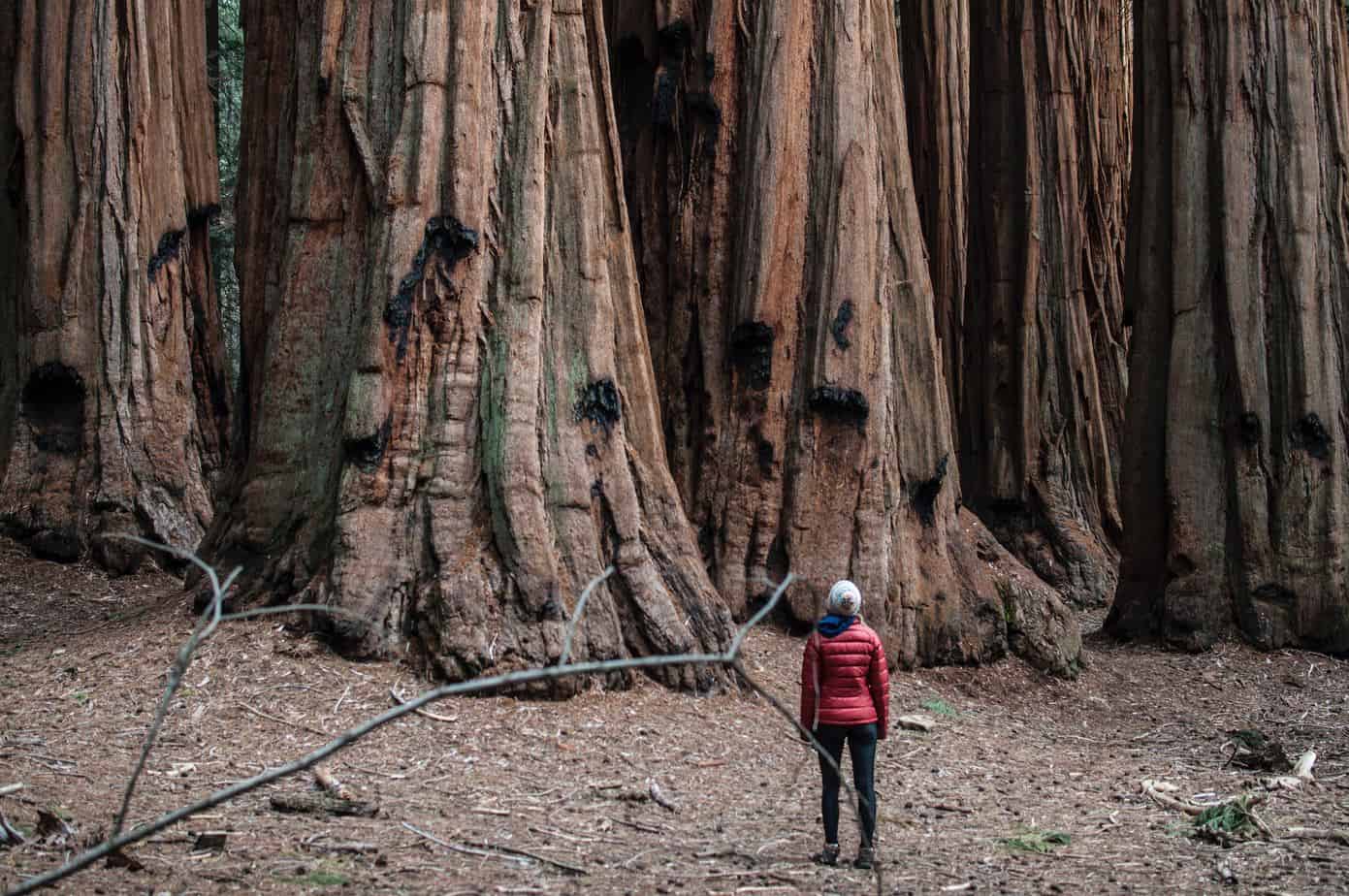
    As you plan your next outdoor adventure, consider the unique experiences each of these locations offers. Will you be marveling at the giant sequoias in Yosemite from a canvas tent cabin, hiking the stunning trails of Zion while staying at a nearby lodge, or perhaps enjoying the family-friendly fun of a Jellystone Park in a fully-equipped RV? The choice is yours, and the possibilities are endless.

    So pack your bags, lace up your hiking boots, and get ready to create lasting memories in some of America’s most beautiful settings. Your perfect outdoor getaway is waiting for you—all you have to do is answer the call of the great outdoors. Whether you prefer the simplicity of tent camping, the comfort of a yurt, the convenience of an RV, or the coziness of a cabin, there’s a lodging option that will make your camping experience unforgettable. Happy camping!

  • Easy Camping Lunch Ideas

    Easy Camping Lunch Ideas

    There’s nothing quite like the thrill of embarking on a camping adventure—the crisp morning air, the scent of pine trees, the crackle of a campfire, and the endless possibilities that the great outdoors offer. Amidst all the excitement of hiking rugged trails, paddling across serene lakes, or simply soaking in the beauty of nature, one thing is certain: you’ll need a satisfying lunch to keep your energy levels up. But planning meals away from the comforts of a kitchen can seem daunting. Fear not! With a sprinkle of creativity and some easy-to-pack ingredients, crafting delicious and hearty lunches can be one of the most enjoyable parts of your camping experience.

    Imagine biting into a juicy grilled sandwich filled with melted cheese and fresh veggies, all prepared over an open flame. Or perhaps assembling colorful wraps brimming with your favorite proteins and crisp greens, enjoyed while overlooking a breathtaking vista. Maybe a zesty pasta salad or a warm, comforting bowl of campfire chili is more your style. Whether you’re a fan of classic sandwiches, love the convenience of wraps, crave the freshness of salads, or desire something more substantial to refuel after a morning of adventure, there’s a wealth of options at your fingertips.

    Key Takeaways

    • Creative sandwiches like Turkey and Avocado Wraps and Grilled Cheese Sandwiches are easy and tasty options for camping lunches.
    • Quick and easy wraps such as Chicken Caesar Wraps and Breakfast Burrito Wraps are perfect for on-the-go meals.
    • Quesadillas, including Cheese and Chicken Quesadillas, are simple to make and can be customized with various fillings.
    • Healthy salads like Greek Salad and Taco Salad offer refreshing and nutritious lunch options.
    • Hearty soups and stews, such as Chili and Chicken Noodle Soup, can be prepared ahead of time and reheated at camp.
    • Foil packet meals, like Foil Packet Nachos and Shrimp Boil Foil Packets, are convenient and require minimal cleanup.
    • Classic hot dog recipes, including Pigs in a Blanket and Chili Cheese Dogs, are fun and easy to prepare.
    • No-cook options like Cold Cut Sandwiches and Hummus and Veggies are perfect for quick and effortless lunches.

    Creative Sandwich Ideas for Camping Lunches

    Turkey and Avocado Wraps

    Turkey and avocado wrap on a wooden table outdoors.

    Turkey and avocado wraps are a healthy and easy meal option! Start by laying out a tortilla and spreading a thin layer of mayo and/or mustard. Layer on slices of turkey, then add a few slices of avocado (or pre-made guacamole). Add lettuce, tomato, and sliced cheese, and sprinkle on some salt and pepper. Roll up the tortilla tightly, tucking in the sides as you go, and cut it in half.

    Pesto Chicken Sandwiches

    Pesto chicken sandwich with vibrant ingredients on rustic bread.

    Pesto chicken sandwiches are a delicious and easy camping lunch. Mix canned chicken with a little bit of mayo and pesto. Season with salt and pepper. Put it onto the bread, add a slice of cheese, and enjoy. For an extra treat, butter the bread and grill it until the cheese melts and the bread is crispy.

    BBQ Chicken Sandwiches

    BBQ chicken sandwich by a campfire outdoors.

    For another easy camping lunch, buy tubs of already-cooked BBQ chicken that you can reheat over a stove and then spoon into hamburger buns. Pair with side items like corn on the cob or pasta salad for a complete meal.

    Grilled Cheese Sandwiches

    Grilled cheese sandwich cooking over a campfire in a skillet.

    Grilled cheese sandwiches are a classic camping lunch. Heat them over your camp stove or campfire. They are especially delicious for a chilly camping trip. Keep in mind, this isn’t an ideal plan if you’re feeding a crowd and can only make a couple of sandwiches at a time.

    Meat, Cheese, and Veggie Sandwiches

    This is as simple as it sounds, but stack those toppings high and it’ll be a deluxe camping lunch. Slice all the veggies at home, and don’t skimp! Onion, peppers, lettuce, tomato, cucumber, and black olives all make great additions.

    Peanut Butter and Jelly Sandwiches

    A classic and ever so delicious. Peanut butter and jelly sandwiches are easy to make and perfect for a quick camping lunch. They require no refrigeration and can be made in a matter of minutes.

    Delicious and Simple Quesadillas

    Quesadillas are a fantastic camping lunch option because they are quick, easy, and versatile. You can prepare most of the ingredients at home, making assembly at the campsite a breeze. Here are some delicious and simple quesadilla ideas to try on your next camping trip.

    Cheese Quesadillas

    Cheese quesadillas are the simplest and most classic version. Just heat a tortilla on a skillet, sprinkle a generous amount of cheddar cheese on one half, and fold the tortilla over. Cook until the cheese is melted and the tortilla is golden brown. Serve with salsa or sour cream for dipping.

    Chicken Quesadillas

    Delicious quesadillas with fresh veggies at a campsite.

    For a heartier option, add cooked chicken to your cheese quesadilla. You can use leftover grilled chicken or even canned chicken for convenience. Add the chicken along with the cheese, and cook until everything is heated through and the cheese is melted. This is the perfect way to use up any leftover chicken from dinner.

    Veggie Quesadillas

    Veggie quesadillas are a great way to pack in some extra nutrients. Fill your quesadilla with a mix of sautéed vegetables like bell peppers, onions, and mushrooms, along with your favorite cheese. Cook until the veggies are tender and the cheese is melted. Serve with a side of sour cream or guacamole.

    Black Bean Quesadillas

    Black bean quesadillas are a tasty and protein-packed option. Spread some black beans on one half of the tortilla, sprinkle with cheddar cheese, and fold over. Cook until the cheese is melted and the tortilla is crispy. These are great served with salsa and a dollop of sour cream.

    Breakfast Quesadillas

    Breakfast quesadilla with eggs, cheese, and bacon.

    Breakfast quesadillas are a fun twist on a morning meal. Fill your tortilla with scrambled eggs, cheddar cheese, and any other breakfast favorites like bacon or sausage. Cook until the cheese is melted and the tortilla is golden brown. Serve with a side of salsa for a delicious breakfast treat.

    Shrimp Quesadillas

    For a seafood twist, try shrimp quesadillas. Sauté shrimp with some garlic and spices, then add them to your quesadilla along with cheddar cheese. Cook until the shrimp are heated through and the cheese is melted. These are delicious served with a squeeze of lime and a side of sour cream.

    Healthy Salad Options for Camping Lunches

    Salads are a fantastic way to enjoy a healthy and refreshing meal while camping. They are easy to prepare, require minimal cooking, and can be packed with nutrients. Here are some delicious and healthy salad options to consider for your next camping trip.

    Mediterranean Pasta Salad

    Mediterranean Pasta Salad with fresh vegetables and feta cheese.

    This hearty salad combines cooked pasta with a variety of fresh ingredients like cherry tomatoes, cucumbers, olives, red onions, and feta cheese. Tossed in a light dressing of olive oil, lemon juice, garlic, and herbs like oregano and basil, it offers a burst of Mediterranean flavors. Easy to prepare ahead of time, it stores well in a cooler and provides a satisfying mix of carbohydrates and vegetables to keep you energized during your camping activities.

    Quinoa and Black Bean Salad

    Packed with protein and fiber, this salad features fluffy quinoa mixed with black beans, corn kernels, diced bell peppers, and chopped cilantro. Dressed with a zesty lime and cumin vinaigrette, it delivers a refreshing and filling meal that’s also vegetarian-friendly. Quinoa cooks quickly and can be prepared at the campsite or in advance, making this salad a convenient option for a nutritious lunch or dinner in the great outdoors.

    Grilled Chicken Caesar Salad

    Grilled Chicken Caesar Salad with lettuce, chicken, and dressing.

    For a classic option with a camping twist, try a Grilled Chicken Caesar Salad. Grill chicken breasts over the campfire, then slice them over a bed of crisp romaine lettuce. Add shaved Parmesan cheese, crunchy croutons, and drizzle with Caesar dressing (which can be store-bought for convenience). This salad offers a satisfying combination of flavors and textures, and the grilled chicken adds a hearty element that makes it a complete meal ideal for refueling after a day of adventure.

    Hearty and Filling Soups and Stews

    When camping, a warm bowl of soup or stew can be incredibly comforting and satisfying. These hearty options are perfect for feeding a large group or enjoying a cozy meal by the campfire. They are easy to prepare and can be made ahead of time for convenience.

    Campfire Chilli

    Campfire Chili in a Dutch oven over a campfire.

    A camping classic, Campfire Chili is a hearty stew packed with ground beef (or a meat substitute), kidney beans, tomatoes, and a blend of spices like cumin and chili powder. Cooked slowly over an open flame, this chili develops a rich, smoky flavor that’s both warming and satisfying. It’s easy to prepare in one pot and can be customized with toppings like shredded cheese, sour cream, or chopped green onions. Plus, leftovers taste even better the next day, making it a convenient option for multi-day trips.

    Hearty Vegetable Stew

    This robust stew is loaded with a variety of fresh vegetables such as carrots, potatoes, celery, and tomatoes, simmered together in a savory broth seasoned with herbs like thyme and bay leaves. For added protein and fiber, you can toss in some lentils or beans. It’s a one-pot wonder that’s not only nutritious but also deeply satisfying, providing the energy you need for your outdoor adventures.

    Chicken and Wild Rice Soup

    Chicken and Wild Rice Soup in a Dutch oven over campfire.

    Combining tender chunks of chicken with earthy wild rice, this soup is both comforting and filling. It’s enriched with mushrooms, carrots, and celery, all simmered in a flavorful broth. A touch of cream can be added for extra richness. This soup is easy to make ahead of time and reheat over the campfire, offering a warm, homey meal that feels gourmet despite the rustic setting.

    Beef and Barley Stew

    This stew features succulent pieces of beef slow-cooked with barley, onions, and root vegetables like parsnips and turnips. The barley adds a delightful texture and helps thicken the stew, making it extra hearty. Seasoned with rosemary and a splash of red wine (optional), this dish develops deep, robust flavors as it cooks. It’s an ideal meal to prepare in a Dutch oven over the fire, filling the campsite with an irresistible aroma.

    Tasty and Convenient Foil Packet Meals

    Foil packet meals are a fantastic option for camping lunches. They are easy to prepare, require minimal cleanup, and can be customized to suit everyone’s tastes. Just assemble, wrap, cook, and you’re all set. Here are some delicious foil packet meal ideas to try on your next camping trip.

    Foil Packet Nachos

    Foil packet nachos are a fun and easy meal that everyone will love. Simply layer tortilla chips, cheese, cooked ground beef or chicken, and your favorite nacho toppings in a foil packet. Seal the packet and cook over the campfire or on a grill until the cheese is melted and bubbly. Serve with salsa, sour cream, and guacamole for a tasty treat.

    Chicken and Veggie Foil Packets

    Chicken and veggie foil packets are a healthy and delicious option for camping lunches. Combine chicken breasts, sliced vegetables (such as bell peppers, zucchini, and onions), and your favorite seasonings in a foil packet. Cook over the campfire or on a grill until the chicken is cooked through and the vegetables are tender. This meal is not only tasty but also packed with nutrients.

    Shrimp Boil Foil Packets

    Shrimp boil foil packets bring the flavors of a classic shrimp boil to your campsite. In each foil packet, combine shrimp, sliced sausage, corn on the cob pieces, and baby potatoes. Add a sprinkle of Old Bay seasoning and a pat of butter. Cook over the campfire or on a grill until the shrimp is pink and the potatoes are tender. This meal is sure to be a hit with seafood lovers.

    Steak and Potato Foil Packets

    Steak and potato foil packets are a hearty and satisfying meal for camping. Combine cubed steak, diced potatoes, and your favorite vegetables (such as carrots and green beans) in a foil packet. Season with salt, pepper, and garlic powder. Cook over the campfire or on a grill until the steak is cooked to your liking and the potatoes are tender. This meal is perfect for meat lovers.

    BBQ Chicken Foil Packets

    BBQ chicken foil packets are a flavorful and easy meal for camping. Combine chicken breasts, your favorite BBQ sauce, and sliced vegetables (such as bell peppers and onions) in a foil packet. Cook over the campfire or on a grill until the chicken is cooked through and the vegetables are tender. Serve with a side of coleslaw for a complete meal.

    Sausage and Pepper Foil Packets

    Sausage and pepper foil packets are a simple and tasty meal for camping. Combine sliced sausage, bell peppers, onions, and your favorite seasonings in a foil packet. Cook over the campfire or on a grill until the sausage is cooked through and the vegetables are tender. This meal is quick to prepare and full of flavor.

    Foil packet meals are a great way to enjoy delicious and convenient meals while camping. With a little preparation, you can have a variety of tasty meals ready to cook over the campfire or on a grill. Just remember to bring along some heavy-duty foil and a pie iron for the best results.

    Classic and Fun Hot Dog Recipes

    Hot dogs are a classic car camping meal that brings joy to both kids and adults. There’s something timeless about gathering around a campfire, roasting hot dogs on sticks, and enjoying them under the open sky. The simplicity of grilling a juicy hot dog over an open flame and topping it with the standard ketchup, mustard, and relish combo makes for an easy and satisfying meal that everyone loves. The familiar flavors and the hands-on experience of cooking together add a touch of nostalgia and fun to any camping trip.

    But why stop at the basics when you can elevate this camping staple with some delicious twists? If you’re looking to add more flavor and excitement to your campfire cuisine, consider trying these two mouthwatering hot dog recipes: Campfire Chili Cheese Dogs and Bacon-Wrapped Hotdogs with Caramelized Onions. These options take the humble hot dog to the next level, making your camping meals even more memorable.

    Campfire Chili Cheese Dogs

    Campfire chili cheese dog with toppings in a bun.

    Give your traditional hotdogs a hearty upgrade with Campfire Chili Cheese Dogs. Start by roasting your hotdogs over the campfire until they’re nicely browned. Warm up a pot of chili—either canned or pre-made at home—in a skillet over the fire. Place each hotdog in a bun, spoon generous amounts of warm chili over it, and sprinkle shredded cheddar cheese on top. For added flavor, you can include diced onions, jalapeños, or a dollop of sour cream. This meal is not only delicious but also incredibly satisfying after a day of outdoor activities.

    Bacon-Wrapped Hotdogs with Caramelized Onions

    Add a smoky twist to your campfire meal with Bacon-Wrapped Hotdogs. Wrap each hotdog with a strip of bacon, securing it with toothpicks if needed. Grill them over the fire, turning frequently to ensure the bacon cooks evenly without burning. In a cast-iron skillet, caramelize sliced onions with a bit of butter or oil until they’re golden and tender. Once the hotdogs are ready, place them in buns and top with the caramelized onions. You can also add your favorite condiments like mustard, ketchup, or barbecue sauce. The combination of crispy bacon and sweet onions makes this a campsite favorite.

    No-Cook Camping Lunch Ideas

    When you’re out in the wild, sometimes you need lunch fast. These easy camping lunch ideas require no cooking, making them perfect for your next camping trip. Whether you’re on a family camping trip or enjoying solo outdoor activities, these options will keep you fueled and ready for adventure.

    Cold Cut Sandwiches

    Cold cut sandwiches are a classic and simple camping lunch. Just pack your favorite deli meats, cheeses, and some fresh bread. Add some lettuce, tomatoes, and condiments for a quick and satisfying meal.

    Hummus and Veggies

    Hummus served with fresh sliced vegetables.

    Hummus and veggies are a healthy and refreshing option. Pack a container of hummus and a variety of sliced vegetables like carrots, cucumbers, and bell peppers. This is a great way to get your veggies in while enjoying a tasty snack.

    Cheese and Crackers

    Cheese and crackers are an easy and portable option. Bring a selection of your favorite cheeses and some crackers. This is a great snack to enjoy while taking a break from your outdoor activities.

    Fruit and Nut Mix

    A fruit and nut mix is a perfect no-cook option. Combine your favorite nuts, dried fruits, and maybe even some chocolate chips for a sweet and salty treat. This mix is easy to pack and provides a quick energy boost.

    Peanut Butter and Banana Sandwiches

    Peanut butter and banana sandwiches are a delicious and filling option. Spread peanut butter on slices of bread and add banana slices. This combination is not only tasty but also provides a good amount of energy for your camping adventures.

    Bagels with Cream Cheese

    Toasted bagels with cream cheese and smoked salmon.

    Bagels with cream cheese are a simple and satisfying option. Pack some bagels and a tub of cream cheese. You can also add some smoked salmon or sliced tomatoes for extra flavor.

    These no-cook camping lunch ideas are perfect for those moments when you need a quick and easy meal. They are simple to prepare and require minimal effort, allowing you to spend more time enjoying your camping experience.

    Remember, these easy camping recipes are designed to make your camping trip more enjoyable and less stressful. So, pack these easy camping meals and enjoy your time in the great outdoors!

    Simple and Tasty Pasta Dishes

    Spaghetti with Marinara

    Spaghetti with marinara sauce on a camping plate.

    Spaghetti with marinara is a classic and easy camping lunch. Cook the spaghetti noodles at home and store them in a container. At camp, heat up your favorite marinara sauce and mix it with the noodles. Top with parmesan cheese for extra flavor.

    Pesto Pasta

    Pesto pasta is a flavorful and simple dish. Prepare the pasta at home and toss it with pesto sauce. Add cherry tomatoes and kalamata olives for a Mediterranean twist. This dish can be enjoyed cold or heated up at camp.

    Mac and Cheese

    Mac and cheese is a favorite among kids and adults. You can use a boxed version or make it from scratch. For a camping twist, cook the pasta at home and mix it with cheese sauce. At camp, heat it up and enjoy a comforting meal.

    Chicken Alfredo

    Creamy Chicken Alfredo pasta on a camping table.

    Chicken Alfredo is a rich and satisfying dish. Cook the pasta and chicken at home. At camp, heat up the Alfredo sauce and mix it with the pasta and chicken. Sprinkle with parmesan cheese for a delicious finish.

    Pasta Primavera

    Pasta Primavera is a healthy and colorful option. Cook the pasta and chop the veggies at home. At camp, sauté the veggies and mix them with the pasta. Add a light sauce or olive oil for a fresh and tasty meal.

    Tuna Pasta Salad

    Tuna pasta salad is a great no-cook option. Mix cooked pasta with canned tuna, cherry tomatoes, and a light dressing. This dish is perfect for a quick and easy camping lunch.

    Grilled Delights for Camping Lunches

    When you’re out in the great outdoors, nothing beats the taste of food cooked over an open fire. Here are some grilled delights that are perfect for your next camping lunch.

    Grilled Veggies

    Grilled vegetables are a healthy and delicious option for a camping lunch. Simply slice your favorite veggies like bell peppers, zucchini, and mushrooms, toss them in olive oil, and season with salt and pepper. Grill them over the campfire until they are tender and slightly charred.

    Grilled Bánh Mì

    Grilled Bánh Mì sandwich with pork and pickled veggies.

    Prep all the ingredients ahead of time, and you’ll be amazed at how easy it is to make Grilled Bánh Mì Sandwiches at camp! This recipe uses a sweet and salty marinade for the pork and includes pickled veggies for that zesty crunch. Just grill the pork at camp (or cook it on a cast iron griddle on the stove) and assemble on sandwich rolls.

    Grilled Cheese Sandwiches

    Grilled cheese sandwiches are a camping classic! Butter one side of each bread slice and place a meltable cheese (like cheddar or American) in between, buttered sides facing out. Heat a cast iron skillet or griddle over your campfire or camp stove on low heat. Carefully place the sandwich in the skillet and cook until the bread turns golden brown, then flip and cook the other side. Once the cheese is melted and both sides are crispy, your grilled cheese is ready to enjoy!

    Grilled Halloumi Tacos

    Grilled halloumi tacos with fresh veggies and lime.

    Grilled Halloumi Tacos are a unique and tasty option for a camping lunch. Slice the halloumi cheese and grill it until it has nice grill marks. Serve it in warm tortillas with fresh veggies and a squeeze of lime for a refreshing and satisfying meal.

    Grilled Chicken Sandwiches

    Grilled chicken sandwiches are a hearty and filling option for a camping lunch. Marinate chicken breasts in your favorite sauce, then grill them over the campfire until they are cooked through. Serve on a bun with lettuce, tomato, and your favorite condiments.

    Grilled Fish Tacos

    Grilled fish tacos are a light and flavorful option for a camping lunch. Season fish fillets with a blend of spices, then grill them over the campfire until they are flaky and cooked through. Serve in tortillas with a fresh slaw and a squeeze of lime for a delicious meal.

    Hearty and Satisfying Burger Ideas

    Classic Beef Burgers

    Classic beef burger with fresh toppings on a wooden table.

    Nothing beats the classic beef burger when you’re out camping. Homemade burger patties will make your campout feel extra-special. Season your ground beef with salt, pepper, and any other spices you like. Cook the patties over your campfire or portable grill until they reach your desired doneness. Top with lettuce, tomato, and red onion for a simple yet delicious meal.

    Veggie Burgers

    Veggie burgers are a healthy vegetarian lunch option! Prepare your favorite veggie burger patties ahead of time or bring store-bought ones for convenience. Heat a skillet, griddle, or grill grate over your campfire or camp stove on medium heat. Cook the veggie patties for about 4-6 minutes per side, or until heated through and slightly crispy on the outside. Toast your burger buns lightly over the fire or stove, then assemble your veggie burgers with lettuce, tomato, onion, and your favorite condiments.

    Chicken Burgers

    Grilled chicken burger with fresh toppings on a wooden table.

    Chicken burgers are a great alternative to beef. Use ground chicken to form patties and season them with your favorite spices. Cook them over the campfire or on a portable grill until they are fully cooked. Add some fresh lettuce, tomato, and a slice of cheese for a tasty and healthy meal.

    Turkey Burgers

    Turkey burgers are another healthy option. Use ground turkey to make your patties and season them well. Cook them over the campfire or on a portable grill until they are done. Top with avocado slices, lettuce, and tomato for a delicious and nutritious meal.

    BBQ Jackfruit Burgers

    BBQ jackfruit burger with coleslaw and sweet potato fries.

    For a unique twist, try BBQ jackfruit burgers. Jackfruit has a texture similar to pulled pork and is a great meat substitute. Cook the jackfruit with your favorite BBQ sauce and serve it on a bun with coleslaw for a flavorful and satisfying meal.

    Cheese-Stuffed Burgers

    Cheese-stuffed burgers are a fun and delicious option. Form your ground beef into patties and place a piece of cheese in the center before sealing it up. Cook the patties over the campfire or on a portable grill until they are done and the cheese is melted. Serve with your favorite toppings for a gooey and tasty treat.

    Preparing your burger patties at home and bringing them to the campsite is a good idea. This way, you can simply reheat and enjoy them without much hassle.

    Creative and Fun Pizza Recipes

    Campfire Pizza

    Pizza in a cast iron skillet, perfect for camping.

    Campfire pizza is a must-try for any camping trip. Start by prepping your ingredients at home. Use mini pizza crusts and individual packets of pizza sauce for convenience. Heat your cast iron skillet and lid, assemble your pizza with your favorite toppings, and cook for about 10-15 minutes over low heat. This method ensures a crispy crust and melty cheese, making it a favorite recipe for many campers.

    Grilled Pizza

    Grilled pizza is another fantastic option. Preheat your grill and place the pizza dough directly on the grates. Once the bottom is cooked, flip it and add your toppings. Close the grill lid to melt the cheese and heat the toppings. This method gives your pizza a smoky flavor that’s hard to beat.

    Flatbread Pizza

    Flatbread pizza with colorful toppings in a camping setting.

    Flatbread pizza is perfect for a quick and easy meal. Use store-bought flatbreads, spread on some tomato sauce, and add your favorite toppings. Cook them on a grill or in a skillet until the cheese is melted and bubbly. It’s a simple yet delicious option for any camping lunch.

    Breakfast Pizza

    Breakfast pizza with eggs, bacon, and cheese outdoors.

    Why not start your day with a breakfast pizza? Use a pre-made pizza crust, spread a layer of scrambled eggs, and top with bacon, cheese, and any other breakfast favorites. Cook it over the campfire or on a portable stove for a hearty and satisfying meal.

    Veggie Lovers Pizza

    For a healthier option, try a veggie lovers pizza. Load your pizza crust with a variety of fresh vegetables like bell peppers, onions, mushrooms, and spinach. Add a sprinkle of cheese and cook until the veggies are tender and the cheese is melted. It’s a nutritious and delicious choice for any camper.

    Pepperoni and Cheese Pizza

    You can’t go wrong with a classic pepperoni and cheese pizza. Use a pre-made crust, spread on some tomato sauce, and layer with pepperoni slices and mozzarella cheese. Cook it over the campfire or on a portable stove until the cheese is melted and bubbly. It’s a simple and satisfying meal that everyone will love.

    Nutritious and Filling Grain Bowls

    Quinoa and Veggie Bowl

    Quinoa and veggie bowl with colorful vegetables and feta.

    Quinoa is a healthy whole grain loaded with protein, making it a great base for a filling bowl. Cook quinoa at home and mix it with chopped veggies like tomatoes, lightly sautéed zucchini, thinly sliced carrots, bell peppers, fresh parsley, or chopped kalamata olives. Toss with a lemony vinaigrette. This bowl is great cold and even better with some crumbled feta or freshly grated parmesan cheese!

    Chicken and Rice Bowl

    A chicken and rice bowl is a simple yet hearty option. Cook some rice and top it with grilled chicken, steamed broccoli, and a sprinkle of sesame seeds. Drizzle with a bit of soy sauce or teriyaki sauce for added flavor. This meal is both satisfying and nutritious.

    Beef and Barley Bowl

    Beef and barley bowl with vegetables in a rustic setting.

    For a more robust option, try a beef and barley bowl. Cook barley according to package instructions and mix it with sautéed beef strips, mushrooms, and onions. Add a handful of spinach and a dash of balsamic vinegar for a tasty and filling meal.

    Mediterranean Couscous Bowl

    Couscous is quick to prepare and pairs well with Mediterranean flavors. Combine cooked couscous with cherry tomatoes, cucumber, red onion, and feta cheese. Add a few olives and a drizzle of olive oil and lemon juice. This bowl is light yet filling.

    Taco Rice Bowl

    Colorful taco rice bowl with toppings in a rustic setting.

    A taco rice bowl is a fun and flavorful option. Start with a base of rice and add seasoned ground beef or turkey, black beans, corn, and diced tomatoes. Top with shredded cheese, avocado slices, and a dollop of sour cream. Customize it for the family by adding your favorite taco toppings.

    Sweet Potato and Black Bean Bowl

    This is a hearty bowl that will leave you feeling amazing and healthy! Roast sweet potato cubes and mix them with black beans, quinoa, and a handful of spinach. Drizzle with a creamy chipotle dressing for a delicious and nutritious meal.

    Grain bowls are a versatile and easy option for camping lunches. They can be made ahead of time and customized to suit your taste preferences. Don’t forget to pack some granola bars for a quick and easy snack!

    Fun and Interactive DIY Lunches

    Picnic with pre-made lunches on a checkered blanket.

    Camping is a great time to get creative with your meals. DIY lunches are not only fun but also allow everyone to customize their food just the way they like it. Here are some exciting ideas to try on your next camping trip.

    Cracker Stackers

    Create your own version of Lunchables with a variety of crackers, cheeses, and meats. Include some nuts, dried fruits, and maybe even some chocolate for a sweet treat. This is a great way to keep things simple and tasty.

    DIY Sandwich Bar

    Set up a sandwich bar with different types of bread, meats, cheeses, and veggies. Don’t forget the condiments like mustard, mayo, and hummus. Everyone can build their perfect sandwich, making it a hit for all ages.

    DIY Taco Bar

    DIY taco bar with colorful toppings at a campsite.

    A taco bar is a fun and interactive way to enjoy lunch. Provide tortillas, seasoned meat or beans, cheese, lettuce, tomatoes, and salsa. Let everyone assemble their tacos just the way they like them.

    DIY Salad Bar

    For a healthier option, set up a salad bar. Include a variety of greens, veggies, proteins like grilled chicken or tofu, and a selection of dressings. This is a great way to ensure everyone gets their veggies in a fun and engaging way.

    DIY Wrap Station

    Similar to the sandwich bar, a wrap station allows for endless creativity. Provide tortillas, a variety of fillings like turkey, avocado, and hummus, and let everyone roll their own wraps. It’s a simple and delicious option.

    DIY Pizza Station

    DIY pizza station with toppings at a campsite.

    Who doesn’t love pizza? Set up a pizza station with mini pizza crusts, tomato sauce, cheese, and various toppings. Cook them over the campfire or on a portable grill for a fun and tasty lunch.

    Setting up a DIY lunch station is a great way to make meal prep easy and enjoyable. It allows everyone to participate and ensures that there’s something for everyone to enjoy.

    Conclusion

    As your journey through the great outdoors comes full circle, remember that crafting delightful meals can be as rewarding as the adventures themselves. With a bit of foresight and a handful of simple ingredients, you can whip up tasty and satisfying lunches that keep everyone energized and excited for what lies ahead. From the comforting layers of a classic sandwich to the inventive flair of creative wraps and the wholesome goodness of hearty salads, there’s something to tantalize every camper’s taste buds.

    So, as you lace up your hiking boots and set your sights on the horizon, let these easy camping lunch ideas elevate your outdoor dining experience. Embrace the joy of cooking amidst nature’s backdrop, turning every meal into a memorable feast. Here’s to delicious food, unforgettable adventures, and the stories you’ll share around the campfire. Happy camping and happy eating!

    Frequently Asked Questions

    What are some easy camping lunch ideas?

    Some easy camping lunch ideas include sandwiches, wraps, quesadillas, salads, soups, foil packet meals, hot dogs, skillet meals, no-cook options, pasta dishes, grilled foods, snacks, tacos, smoothies, burgers, one-pot meals, pizzas, grain bowls, stir-fries, pre-made lunches, DIY lunches, and cold lunches.

    How do I make a turkey and avocado wrap?

    To make a turkey and avocado wrap, lay out a tortilla and spread a thin layer of mayo or mustard. Add slices of turkey, avocado, lettuce, tomato, and cheese. Sprinkle with salt and pepper, then roll up the tortilla tightly and cut it in half.

    Can I prepare camping lunches ahead of time?

    Yes, many camping lunches can be prepared ahead of time. For example, you can pre-make sandwiches, salads, and wraps, or cook and freeze meals like soups and stews. This makes it easier to have quick and delicious meals while camping.

    What are some no-cook camping lunch ideas?

    No-cook camping lunch ideas include cold cut sandwiches, hummus and veggies, cheese and crackers, fruit and nut mix, peanut butter and banana sandwiches, and bagels with cream cheese.

    How can I make grilled cheese sandwiches while camping?

    To make grilled cheese sandwiches while camping, heat a skillet over your campfire or camp stove. Butter the outside of the bread slices, place cheese between them, and cook in the skillet until the bread is golden brown and the cheese is melted.

    What are some healthy salad options for camping lunches?

    Healthy salad options for camping lunches include Greek salad, chicken Caesar salad, quinoa salad, pasta salad, Caprese salad, and taco salad.

    How do I make foil packet meals for camping?

    To make foil packet meals, lay out a sheet of heavy-duty aluminum foil and add your ingredients, such as meat, veggies, and seasonings. Fold the foil over the ingredients and seal the edges tightly. Cook the packets over a campfire or grill until everything is cooked through.

    What are some easy and flavorful skillet meals for camping?

    Easy and flavorful skillet meals for camping include ramen noodle stir-fry, chicken and rice skillet, beef and broccoli skillet, shrimp and grits skillet, sausage and potato skillet, and veggie stir-fry skillet.

    Can I make pasta dishes while camping?

    Yes, you can make pasta dishes while camping. Some easy options include spaghetti with marinara, pesto pasta, mac and cheese, chicken Alfredo, pasta primavera, and tuna pasta salad.

    What are some fun and interactive DIY lunch ideas for camping?

    Fun and interactive DIY lunch ideas for camping include cracker stackers, DIY sandwich bar, DIY taco bar, DIY salad bar, DIY wrap station, and DIY pizza station.

    How do I make a simple quesadilla for camping?

    To make a simple quesadilla for camping, place a tortilla in a heated skillet, sprinkle cheese and your choice of fillings (like cooked chicken or veggies) on one half, fold the tortilla over, and cook until the cheese is melted and the tortilla is golden brown.

    What are some refreshing and nutritious smoothie ideas for camping?

    Refreshing and nutritious smoothie ideas for camping include berry blast smoothie, green detox smoothie, tropical mango smoothie, peanut butter banana smoothie, chocolate protein smoothie, and strawberry oat smoothie.

  • Easy Camping Breakfast Ideas

    Easy Camping Breakfast Ideas


    Camping mornings have a unique magic—there’s nothing quite like waking up to the crisp morning air, the sounds of nature, and the glow of a rising sun. And when it comes to starting your day off right, a delicious breakfast can take that experience to the next level. Whether you’re cooking over an open campfire or using a trusty portable stove, the possibilities for tasty morning meals are endless. Imagine the smell of sizzling bacon, freshly brewed coffee, or sweet French toast drifting through your campsite. From quick and easy treats for those eager to hit the trails, to hearty, filling meals that will keep you fueled for your outdoor adventures, this list has something to suit every camper’s taste. So, get ready to fire up the grill or stoke the fire because these breakfast ideas will make your camping mornings even more memorable.

    Key Takeaways

    • There are classic campfire breakfasts like skillets and hash that are easy to make and very filling.
    • Sweet breakfast options such as French toast sticks and cinnamon rolls can make mornings more enjoyable.
    • For a healthy start, try recipes like chickpea hash or overnight oats packed with nutrients.
    • Breakfast sandwiches can be both hearty and convenient, perfect for a quick meal before a day of activities.
    • Foil packet breakfasts are great for minimal cleanup and can be cooked directly over the fire.

    Campfire Classics

    Mountain Breakfast Skillet

    Mountain Breakfast Skillet with eggs, sausage, and veggies.

    Start your day in the great outdoors with a hearty Mountain Breakfast Skillet. This camping recipe is perfect for those who love a mix of flavors. Using a cast iron skillet, cook up some potatoes, bell peppers, onions, and sausage over an open fire. Crack a few eggs on top and let them cook to your liking. This dish is not only delicious but also provides the energy needed for your outdoor activities.

    Dutch Oven Cheesy Bacon & Eggs

    Dutch oven with cheesy bacon and eggs outdoors.

    For a cheesy delight, try the Dutch Oven Cheesy Bacon & Eggs. Layer bacon at the bottom of your Dutch oven, then add a mix of beaten eggs and shredded cheese. Place the Dutch oven over your heat source and let it cook until the eggs are set and the cheese is melted. This dish is sure to be a hit on your next camping trip.

    Campfire Hash

    Delicious campfire hash in a skillet outdoors.

    Campfire Hash is a classic that never disappoints. Using a cast iron skillet, cook diced potatoes, onions, and your choice of meat over an open fire. Once everything is cooked through, crack a few eggs on top and let them cook until set. This meal is perfect for those chilly mornings when you want to stay in your cozy sleeping bag just a little longer.

    There’s nothing like starting your day with a warm, hearty breakfast cooked over an open fire. These campfire meals not only taste amazing but also create lasting memories of your camping experiences.

    Sweet Morning Treats

    French Toast Sticks

    Delicious French toast sticks with syrup and berries.

    French toast sticks are a fun and easy way to enjoy a classic breakfast favorite while camping. Simply dip slices of bread into a mixture of eggs, milk, and a touch of brown sugar. Cook them on a griddle until golden brown. Serve with maple syrup for a sweet start to your day.

    Blueberry-Cinnamon Campfire Bread

    Blueberry-cinnamon campfire bread with blueberries and cinnamon sticks.

    This delicious campfire bread combines the flavors of blueberries and cinnamon for a warm and comforting treat. Layer slices of cinnamon bread with fresh blueberries and an egg mixture. Wrap it all in foil and cook over the campfire. The result is a delightful breakfast that pairs perfectly with the fresh air of the outdoors.

    Dutch Oven Cinnamon Rolls

    Dutch oven cinnamon rolls in a camping setting.

    Dutch oven cinnamon rolls are a camping breakfast classic. Prepare the dough ahead of time and let it rise overnight. In the morning, place the rolls in a Dutch oven and bake over the campfire. The smell of freshly baked cinnamon rolls will have everyone eager to start the day. For an extra treat, sprinkle some chocolate chips on top before baking.

    There’s nothing quite like enjoying a sweet breakfast treat in the great outdoors. These recipes are sure to make your camping mornings special.

    Hearty Breakfast Sandwiches

    Apple Maple Sausage Breakfast Sandwiches

    Apple maple sausage breakfast sandwich with egg and apple slices.

    Prepare the maple & apple sausage patties at home before your trip. When it’s time for breakfast, simply heat them up and fry an egg. These sandwiches are a perfect blend of sweet and savory, making them a good camping breakfast option.

    Avocado Toast Breakfast Sandwich

    Avocado toast sandwich with fried egg and fresh veggies.

    For a healthy and hearty breakfast, try an avocado toast sandwich. Mash some ripe avocados and spread them on toasted bread. Add a fried egg and some fresh veggies like tomatoes and spinach. This sandwich is not only delicious but also packed with nutrients.

    Halloumi Breakfast Sandwich

    Halloumi cheese is a great addition to any breakfast sandwich. Grill the halloumi until it’s golden brown and layer it with some cooked sausage, a fried egg, and fresh greens. This sandwich is a full-fledged breakfast that will keep you energized for your outdoor adventures.

    A good breakfast is essential for a day full of activities. These hearty breakfast sandwiches are easy to make and will give you the energy you need to explore the great outdoors.

    Healthy and Nutritious Options

    Starting your day with a healthy and nutritious breakfast is essential, especially when you’re out camping. Here are some great options to fuel your adventures.

    Chickpea Hash with Summer Veggies

    Chickpea hash with summer veggies in a rustic bowl.

    This protein-packed breakfast hash is a fantastic way to kickstart your morning. Made with chickpeas and a variety of summer vegetables, it’s both filling and nutritious. Simply sauté your veggies in a bit of olive oil, add the chickpeas, and cook until everything is heated through. This dish is not only delicious but also provides a good amount of the daily values you need.

    Johnny Apple Seed Oatmeal

    Campfire oatmeal with apples and spices in nature.

    Leaning into the flavors of autumn, this apple-spiced oatmeal is a warm and comforting way to start your day. It features a mix of flax, chia, and hemp seeds, giving it a bump of protein. Plus, it’s easy to prepare with ingredients you can find at any grocery store. Just cook your oats, stir in the spices and seeds, and top with some fresh fruit for added sweetness.

    Great Granola

    Granola is a versatile and easy-to-make breakfast option that’s perfect for camping. You can prepare it ahead of time and store it in an airtight container. This recipe includes oats, nuts, seeds, and a touch of honey for sweetness. It’s a great way to get a mix of nutrients and can be enjoyed with yogurt or milk. Plus, it’s easy to customize based on the available nutrient data and your personal consumption needs.

    Eating healthy while camping doesn’t have to be complicated. With a bit of planning, you can enjoy delicious and nutritious meals that will keep you energized for all your outdoor activities.

    Quick and Easy Breakfasts

    When you’re out camping, you want to start your day with a meal that’s both delicious and easy to prepare. Here are some easy camping breakfast ideas that will have you ready to tackle the day’s adventures without spending too much time cooking.

    Overnight Oats

    Overnight oats with fruits and nuts in a camping setting.

    Overnight oats are a fantastic option for a simple camping breakfast. Just mix oats with your choice of milk or yogurt, add some fruits or nuts, and let it sit overnight. By morning, you’ll have a nutritious and tasty breakfast ready to go. This is one of the best overnight oats recipes for camping because it requires no cooking and minimal cleanup.

    Banana Oat Breakfast Cookies

    Banana oat breakfast cookies on a wooden table.

    These cookies are not only delicious but also packed with energy. Made with ripe bananas, oats, and a touch of honey, they are perfect for a grab-and-go breakfast. Plus, they are easy to make ahead of time, so you can enjoy a simple camping breakfast without any hassle.

    Dried Fruit Energy Bars

    Energy bars are a great way to get a quick boost in the morning. These bars are made with dried fruits, nuts, and seeds, providing a balanced mix of carbohydrates, protein, and fats. They are easy to pack and don’t require refrigeration, making them ideal for camping.

    Breakfast is often considered the most important meal of the day, especially when you’re camping. These quick and easy options ensure you start your day right without spending too much time cooking.

    Whether you’re looking for easy camping breakfast ideas or just want something quick and nutritious, these recipes have got you covered. Enjoy your camping trip with these hassle-free breakfast options!

    One-Pan Wonders

    Cooking while camping can be a breeze with these one-pan wonders. Using just a single frying pan or skillet, you can whip up delicious and hearty breakfasts that will fuel your adventures. These recipes are not only easy to make but also minimize cleanup, making them a great way to start your day right.

    Chorizo and Sweet Potato Hash

    Chorizo and sweet potato hash in a skillet outdoors.

    This dish combines spicy chorizo with sweet potatoes and other veggies for a filling breakfast. Start by cooking the chorizo in a pan, then add diced sweet potatoes, onions, and bell peppers. Cook until the potatoes are tender, adding a little water if needed to prevent sticking. This hash is perfect for a protein-packed morning meal.

    Veggie Frittata

    Veggie frittata with fresh vegetables and cheese.

    A veggie frittata is a versatile and nutritious breakfast option. Whisk together eggs, milk, and your favorite vegetables, then pour the mixture into a hot pan. Cook on low heat until the eggs are set, then finish under the broiler for a golden top. This frittata is a great way to use up any leftover veggies and can be customized to your liking.

    One-pan breakfasts are a camper’s best friend. They save time, reduce cleanup, and still deliver on flavor and nutrition.

    Pancake Perfection

    Banana Bread Pancakes

    Banana bread pancakes with syrup and bananas outdoors.

    These banana bread pancakes are a delightful twist on the classic pancake recipe. They are sweet, fluffy, and perfect for a morning at the campsite. Just mix your dry ingredients at home, and you’ll be ready to whip up a batch in no time. Don’t forget to bring some good maple syrup to drizzle on top!

    Blueberry Banana Pancakes

    Blueberry banana pancakes with syrup in a camping setting.

    Combining the best of both worlds, these blueberry banana pancakes are a treat for your taste buds. The blueberries add a burst of flavor, while the bananas keep the pancakes moist and delicious. Cook them on a cast-iron skillet for the best results.

    Cinnamon Apple Pancakes

    Light and fluffy, these cinnamon apple pancakes are packed with apple flavor and a hint of cinnamon. They are the perfect fall-weather camping breakfast. If you love spiced apple cider, you’ll adore these pancakes. Serve them with a dollop of cream cheese for an extra special touch.

    Pancakes are a versatile and easy-to-make breakfast option that can be customized to suit any taste. Whether you prefer fruity, sweet, or spiced flavors, there’s a pancake recipe for everyone.

    Foil Packet Breakfasts

    Foil packet breakfasts are a fantastic way to enjoy a hearty meal with minimal cleanup. These meals are easy to prepare and cook right over the campfire, making them perfect for camping trips. Here are some delicious foil packet breakfast ideas to get you started.

    Foil-Packet Potatoes and Sausage

    Foil-Packet Potatoes and Sausage meal ready for camping.

    This versatile meal is a great place to start. Load up your foil packs with potatoes and breakfast sausage. For an extra touch, crack an egg inside when the cooking time is almost up. This dish can also be adapted for dinner by adding slices of kielbasa and extra veggies.

    Campfire Cheese Hash Brown Packets

    Cheese and hash browns in foil over a campfire.

    Cheese and hash browns are a match made in heaven. Simply mix shredded hash browns with cheese and your favorite seasonings, then wrap them in aluminum foil. Cook over the campfire until the cheese is melted and the hash browns are crispy.

    Breakfast Burritos

    Breakfast burritos on a picnic table in nature.

    Prepare your breakfast burritos ahead of time by filling tortillas with scrambled eggs, cheese, and your choice of meats or veggies. Wrap each burrito in foil and heat them over the campfire for a warm, satisfying breakfast. These are perfect for a quick meal when you’re on the go.

    Foil packet breakfasts are not only convenient but also customizable. You can prepare them with a variety of ingredients to suit everyone’s tastes.

    Don’t forget to pack a plastic bag for easy cleanup and a bunch of cereal bars for a quick snack later in the day. And if you’re looking for a sweet treat, consider bringing a box of pop tarts or some french toast sticks to enjoy with your morning coffee.

    International Inspirations

    Camp Stove Chilaquiles

    Camp stove chilaquiles with eggs and cheese outdoors.

    Chilaquiles are a great idea for a hearty breakfast. This Mexican dish combines crispy tortilla chips with a rich tomato sauce, topped with eggs and cheese. It’s a flavorful way to start your day and can be easily made on a camp stove.

    Shakshuka with Avocados

    Salsa Shakshuka with poached eggs and avocado slices.

    Shakshuka is a Middle Eastern dish that features poached eggs in a spicy tomato sauce. Adding avocados gives it a creamy texture and extra flavor. This dish is not only delicious but also packed with nutrients, making it a perfect camping breakfast. Pair it with crusty sourdough bread for the ultimate meal – the bread’s tangy flavor complements the rich tomato sauce beautifully, and its sturdy texture is ideal for dipping and scooping up every last bit of sauce and runny egg yolk. 

    Pie Iron Peanut Butter & Jelly French Toast

    This twist on a classic French toast uses a pie iron to create a warm, gooey breakfast treat. The combination of peanut butter and jelly inside the French toast is sure to be a hit with both kids and adults. It’s a simple yet satisfying meal that can be prepared quickly over a campfire.

    Kid-Friendly Favorites

    Campfire Pancakes with Peanut Maple Syrup

    Campfire pancakes with peanut maple syrup and berries.

    Start your day with Campfire Pancakes topped with a delicious peanut maple syrup. These pancakes are easy to make and only require a few ingredients. In just 20 minutes, you can have a stack of 8 pancakes ready to go. This is one of the best things you can make for breakfast while camping, and your kids will love it!

    Campfire Cinnamon Twists

    Campfire Cinnamon Twists are a fun and tasty treat for kids. Simply wrap some dough around a stick, sprinkle with cinnamon and sugar, and cook over the campfire. These twists are sure to be a hit and are super easy to make.

    Egg & Spinach Breakfast Burritos

    Egg and spinach breakfast burrito on a wooden table.

    For a more savory option, try Egg & Spinach Breakfast Burritos. These burritos are packed with protein and veggies, making them a healthy choice. You can prepare the filling ahead of time and just warm them up over the campfire. This makes them a convenient and nutritious breakfast option for your camping trip.

    When camping with kids, it’s important to have meals that are both fun and easy to make. These kid-friendly favorites are sure to make your mornings enjoyable and stress-free.

    Make-Ahead Meals

    No Bake Nutella S’mores Granola Bars

    Nutella s'mores granola bars with chocolate and marshmallows.

    These are a perfect treat to prepare before your camping trip. They combine the classic flavors of s’mores with the convenience of a granola bar. Simply mix the ingredients in a medium bowl, press into a pan, and let them set. It’s a good idea to wrap them individually for easy snacking.

    Oatmeal Breakfast Bars

    Oatmeal breakfast bars with dried fruits and nuts.

    Oatmeal Breakfast Bars are a fantastic option for a quick and nutritious breakfast. Prepare them at home by mixing oats, honey, and your favorite dried fruits. Bake and cut into bars. These bars are easy to pack and provide a hearty start to your day.

    Coconut Chocolate Granola

    Coconut Chocolate Granola with fruits in a camping setting.

    Coconut Chocolate Granola is a delicious and versatile make-ahead meal. Mix oats, shredded coconut, and chocolate chips, then bake until golden. Store in an airtight container and enjoy with yogurt or milk for a quick breakfast or snack.

    Prepping meals ahead of time can make your camping trip more enjoyable and stress-free. With these make-ahead options, you can spend more time enjoying the great outdoors and less time cooking.

    Conclusion

    Starting your day with a tasty and filling breakfast can make all the difference on a camping trip. Whether you prefer something sweet like French toast sticks or hearty like a mountain breakfast skillet, there are plenty of easy and delicious options to choose from. These recipes are designed to be simple, requiring minimal ingredients and effort, so you can spend more time enjoying the great outdoors. So next time you head out on a camping adventure, try one of these breakfast ideas and make your mornings as memorable as the rest of your trip.

    Frequently Asked Questions

    What are some easy camping breakfast ideas?

    Some quick and easy camping breakfasts include overnight oats, banana oat breakfast cookies, and dried fruit energy bars. These can be prepped ahead of time and are perfect for busy mornings at the campsite.

    How can I make breakfast over a campfire?

    You can make breakfast over a campfire using cast-iron skillets or foil packets. Popular options include campfire hash, foil-packet potatoes and sausage, and campfire pancakes with peanut maple syrup.

    What are some kid-friendly camping breakfast recipes?

    Kids will love campfire pancakes with peanut maple syrup, campfire cinnamon twists, and egg & spinach breakfast burritos. These recipes are simple and fun for kids to help make.

    Can I prepare any camping breakfasts ahead of time?

    Yes, many camping breakfasts can be prepared ahead of time. Options include no-bake Nutella s’mores granola bars, oatmeal breakfast bars, and coconut chocolate granola. Simply make them at home and bring them along on your trip.

    What are some healthy camping breakfast options?

    Healthy camping breakfasts include chickpea hash with summer veggies, Johnny Apple Seed oatmeal, and great granola. These options are packed with nutrients to keep you energized for outdoor activities.

    How do I make breakfast sandwiches while camping?

    Breakfast sandwiches can be made by cooking ingredients like sausage, eggs, and cheese over a campfire or camp stove. Try recipes like apple maple sausage breakfast sandwiches, avocado toast breakfast sandwiches, and halloumi breakfast sandwiches.

    What equipment do I need for cooking breakfast while camping?

    Essential equipment for cooking breakfast while camping includes a cast-iron skillet, a Dutch oven, and aluminum foil. These tools will help you make a variety of meals, from skillets to foil packet breakfasts.

    Are there any international camping breakfast recipes?

    Yes, you can try international-inspired recipes like camp stove chilaquiles, salsa shakshuka with avocados, and pie iron pea

  • How to Keep Food From Freezing When Winter Camping

    How to Keep Food From Freezing When Winter Camping

    By its very nature, winter camping entails having to endure a few mild hardships and inconveniences. Temps are lower, our packs are heavier, progress on the trails is slower, and daylight hours are far shorter than in any of year’s other, more meteorologically-friendly hiking and camping seasons. 

    (more…)
  • Yosemite Winter Camping Sites

    Yosemite Winter Camping Sites

    Yosemite Park is a place of rest, a refuge from the roar and dust and weary, nervous, wasting work of the lowlands, in which one gains the advantages of both solitude and society. Nowhere will you find more company of a soothing peace-be-still kind. Your animal fellow beings, so seldom regarded in civilization, and every rock-brow and mountain, stream, and lake, and every plant soon come to be regarded as brothers; even one learns to like the storms and clouds and tireless winds. This one noble park is big enough and rich enough for a whole life of study and aesthetic enjoyment. It is good for everybody, no matter how benumbed with care, encrusted with a mail of business habits like a tree with bark. None can escape its charms. Its natural beauty cleans and warms like a fire, and you will be willing to stay forever in one place like a tree – John of the Mountains: The Unpublished Journals of John Muir

    Photo credit: Glenn Lee Robinson

    Sheer walls of granite, ancient giant Sequoias, roaring waterfalls, and flowing mountain rivers giving birth to babbling brooks — the beauty of Yosemite National Park is unparalleled. That is perhaps why Yosemite is one of the nation’s most visited national parks. Each year, over four million people come to Yosemite, allured by this gargantuan marvel of creation. Many people come just for the day, but with over 748,000 acres to explore — more than 1,000 square miles — you could spend months in the park and not experience everything that Yosemite has to offer.

    However, because, rather, unfortunately, most of us don’t have months to spend basking in nature, camping is one of the best ways to get the most out of your trip to Yosemite National Park. Not only does camping give you the opportunity to experience the sights and sounds of Yosemite at night, but it also puts you in proximity to some of the park’s points of interest.

    The National Park Service operates and maintains 13 campgrounds at Yosemite. During peak season, between Memorial Day and Labor Day, the campgrounds accommodate an average of 67,748 tent campers per month. However, during the winter months, December through March, tent camping in Yosemite National Park plummets to about 5,241 tent campers per month.

    Apart from avoiding the crowds, there are many reasons to camp in Yosemite during the winter. During the winter, four of Yosemite’s 13 campgrounds remain open: Upper Pines, Camp 4, Hodgdon Meadow, and Wawona. Find out which Yosemite winter camping site is best for you.

    Camp 4

    If you are a rock climber and want to channel some positive climbing vibes, you’ll definitely want to camp at Camp 4. For several months, Camp 4  was home to the Stone Masters — the “founding fathers” of rock climbing as a sport. Climbing legends like John Bachar, John Long, Lynn Hill, and Jim Bridwell all made their home at Camp 4 while making first ascents and setting new routes along Yosemite’s iconic big walls. Because of Camp 4’s role in the development of rock climbing as a sport, the campground is listed on the National Register of Historic Places.

    Located in Yosemite Valley near Yosemite Valley Lodge, Camp 4 is a walk-in campground with 35 shared walk-in sites. RVs and trailers are not permitted at Camp 4; the campground only accommodates tent campers. Because Camp 4 is a walk-in campground, you cannot pull your car up to your campsite. Instead, the parking area is adjacent to the campground and only a short walk to the campsites.

    Each campsite contains a fire pit, picnic table, and four shared food lockers. Only six people (including children) are allowed at each campsite. A bathroom with drinking water and flushing toilets is within walking distance. Showers are available at Half Dome Village. Camp 4 operates on a first-come, first-served basis, and advanced reservations are not available.

    Points of Interest and Popular Hikes near Camp 4

    Yosemite Valley is one of the most-visited places in Yosemite National Park. Hence, there are several incredible hikes and points of interest near Camp 4.

    Four Mile Trail

    The Four Mile Trail (which is actually 4.8 miles) begins near the base of Sentinel Rock and gains approximately 3,200 feet in elevation to the top of Yosemite Valley at Glacier Point. Along the trail, hikers are rewarded with spectacular views of Yosemite Valley, El Capitan, Yosemite Falls, and Half Dome. The trail is considered strenuous in difficulty, and visitors should allow between 3-4 hours one-way, or 6-8 hours round trip to complete the hike.

    Four Mile Trail by HikerTom
    Four Mile Trail, Photo credit: Hiker Tom

    North Dome Trail

    Want to get away from the crowds? Take the North Dome Trail for perhaps the best view of Half Dome. Start your hike up Yosemite Falls Trail near the back of Camp 4 to the top of Yosemite Falls and onto Yosemite Point. Continue three miles to the base of North Dome.

    From North Dome, visitors can see Half Dome from a stunning perspective. You will also be able to see Basket Dome, Tenaya Canyon, and Clouds Rest. The trail is approximately 9 miles one way and is rated moderate difficulty.

    View from North Dome Trail by Anish Mittal
    View from North Dome Trail, Photo credit: Anish Mittal

    Indian Rock Trail

    Check out Indian Rock, the largest natural arch in all of Yosemite National Park. Continue on the North Dome Trail, and watch for signs pointing to Indian Rock. From the North Dome Trail, the hike out to Indian Rock and back is less than a mile. It’s definitely worth a trip on this sparsely populated trail.

    Hodgdon Meadow

    Wanting to get away from the crowds in the Valley? Then Hodgdon Meadow Campground might be the spot for you. This Yosemite winter camping site is located off of Big Oak Flat Road (Highway 120) and is approximately 45 minutes northwest of Yosemite Valley. The campground features 105 sites which can accommodate tents, RVs up to 35 feet in length, and trailers up to 27 feet in length. RVs and tent campers are welcome all year. However, the group sites typically close sometime in the middle of October.

    Each campground has a fire ring, picnic table, and food locker. Bathrooms with drinking water and flushing toilets are within walking distance. A maximum of six people (including children) are permitted at each campsite. There is no limit on the number of tents at each site so long as the tents do not encroach into neighboring sites. You can also bring your pets as long as they are leashed at all times. Wood and charcoal fires are permitted year round. From mid-October until mid-April, campsites at Hodgdon Meadow are available on a first-come, first-served basis.

    Points of Interest and Popular Hikes near Hodgdon Meadow

    Tuolumne Grove of Giant Sequoias

    Hike down 400 feet to the Tuolumne Grove of Giant Sequoias. Here, you can check out several dozens of mature Giant Sequoias including a dead one with a passage through its base that visitors can walk through. Although the Tuolumne Grove is generally not as crowded as the Mariposa Grove of Giant Sequoias, it’s definitely worth a visit, especially if you’re camping at Hodgdon Meadow Campground. The trail is only 2.5 miles round trip and takes about an hour and a half to complete.

    Big tree

    Carlon Falls

    The trailhead to Carlon Falls is outside of Yosemite, but the falls are inside the park. Only 20 to 30 feet tall, Carlon Falls is not the most spectacular waterfall in Yosemite, but it’s a short and easy hike — 3.8 miles roundtrip taking between one to two hours — and gets you away from the swarms during peak season. Plus, in the warmer months, you can enjoy a swim at the base of the falls.

    Carlon Falls by Ben Davies
    Photo credit: Ben Davies

    Wawona

    If falling asleep to the sound of rushing river water is your thing, then Wawona Campground is the spot for you. Located alongside the South Fork of the Merced River, Wawona Campground is usually not as crowded as Camp 4, Upper Pines, and other campgrounds in Yosemite Valley. Forty-five minutes south of the Valley along the Wawona Road, this secluded campground is forested with a mix of White Fir, Incense-Cedar, Ponderosa Pine, and Whiteleaf Manzanita.

    Although loops B and C close around the end of September, Loop A and the group site remain open year-round. Though reservations are required between April and September, the campsites are available on a first-come, first-served basis from October through March.

    Wawona Campground has 93 campsites that can accommodate a tent, RV, or trailer. However, there are no hook-ups for RV campers. Each campsite contains a picnic table, fire pit, and a food locker. Bathrooms with drinking water and flushing toilets are also within walking distance.

    There is a six-person maximum at each campsite. There is no limit as to how many tents can be on each campsite as long as they all fit into the campsite. Wood and charcoal fires are permitted all year, and pets are allowed, but they must be leashed at all times. If you need groceries, there is a general store and a gas station near the Big Trees Lodge.

    Points of Interest and Popular Hikes near Wawona Campground

    Tunnel View

    Tunnel View provides one of the most complete views of Yosemite Valley. Located along the Wawona Road at the end of the Wawona Tunnel, from Tunnel View you can see popular sites such as El Capitan, Cathedral Rocks, Clouds Rest, Half Dome, Bridalveil Falls, and Leaning Tower.

    Tunnel View by Glenn Lee
    Photo credit: Glenn Lee Robinson

    Mariposa Grove of Giant Sequoias

    The Mariposa Grove of Giant Sequoias is at the southern portion of Yosemite National Park and home to over 500 mature giant Sequoias. Some of the trees here are over 2,000 years old and stand almost 300 feet tall. There are several easy hiking trails meandering through the grove. Just be sure to stay on the marked trails to eliminate potentially damaging the trees’ root systems.

    Tall Tree at Mariposa by Jackie Morelott
    Photo Credit: Jackie More-Lott

    Chilnualna Falls

    Mist Trail in Yosemite Valley is not the only trail with waterfalls. Follow the 4.2-mile (8.4 miles roundtrip) Chilnualna Falls Trail to see the spectacular falls, which present themselves in a series of pools and cascades. The hike to the falls is rather strenuous due to its length and elevation gain of 2,300 feet.

    Chilnualna Falls by Anthony Nguyen
    Chilnualna Falls, Photo credit: Anthony Nguyen

    Upper Pines

    Wanting to camp in Yosemite Valley? We don’t blame you. Upper Pines is the largest reservation campground in Yosemite Valley and offers spectacular views of the surrounding iconic landmarks. Plus, you’ll be within walking distance to several Yosemite trailheads.

    The campground has 238 sites for RV, tents, and trailers. However, between December to mid-February, only the first two loops of Upper Pines are open (about 50 campsites). Each campsite has a fire pit, picnic table, and food locked. There is also a bathroom with drinking water and flushing toilets within walking distance. For those camping in RVs, there is a dump station at the entrance of Upper Pines, but none of the campgrounds have hook-ups.

    Groceries are available nearby at Yosemite Village and Half Dome Village. Showers are available for a small fee at Half Dome Village. Pets are permitted at Upper Pines Campground but must be on a leash at all times.

    Points of Interest and Popular Hikes near Upper Pines Campground

    Mist Trail to Vernal Falls and Nevada Falls

    Hike to two stunning Yosemite waterfalls along the Mist Trail. Aptly named, visitors walking along the trail get so close to Vernal Falls and Nevada Falls that they are sprayed with mist from the massive falls. The Mist Trail starts at Happy Isles trailhead and is a 7-mile roundtrip hike. The trail is heavily populated, so visit early in the morning or later in the afternoon if you’re visiting Yosemite during peak season.

    Vernal Falls by Glenn Lee
    Vernal Falls, Photo credit: Glenn Lee Robinson

    Mirror Lake Trail

    Nestled between Half Dome and North Dome, Mirror Lake is a seasonal pool which doubles the splendor of Yosemite National Park. From the “lake” you’ll get awesome views of Mount Watkins, Ahwiyah Point, and Half Dome. The hike to Mirror Lake from the trailhead is relatively easy and only 2.4 miles roundtrip.

    Mirror Lake by Mckenzie Jane Renshaw
    Photo credit: McKenzie Renshaw

    Yosemite Valley Loop Trail

    Hike along the Merced River and catch glorious glimpses of Sentinel Rock, Cathedral Rocks, Bridalveil Falls, El Capitan, Three Brothers, Yosemite Falls, and other Yosemite icons. The full loop takes about six hours to complete and is approximately 11 miles. You can also do the half loop. It’s a pretty flat trail but rated moderate in difficulty because of its length.

    Yosemite by Glenn Lee
    Photo credit: Glenn Lee Robinson

    There are perks to visiting Yosemite National Park any time of year. Whether admiring the snow-capped peaks during the winter or basking in the sun amidst fields of wildflowers in the spring, your next adventure awaits in Yosemite.

  • The Ultimate Guide to Winter Camping for Beginners

    The Ultimate Guide to Winter Camping for Beginners

    When the cold weather kicks in and the first snowfalls of the year cloak the backcountry in its winterly garb, many outdoors-goers are apt to condemn their camping kit to a store cupboard until the return of more clement conditions.

    Not all, however, and those who choose to carry on getting their camping fix in the year’s colder months reap many very worthwhile rewards: uncrowded campsites, quieter trails, the opportunity to pretend they’re a small tribe of White Walkers or Wildlings from Game of Thrones, and that super-snug, cocoon-like feel of being cozied up inside a tent while the worst conditions the weather gods can throw at you rage outside.

    Kieran going for his Skiing trip

    On a personal note, some of my most enjoyable experiences camping have happened during the winter. Two particular occasions come to mind: the first a single overnighter in the Italian Alps when I just needed a break from all the hassles and troubles of life in the city; the second during a particularly chilly January in Yosemite National Park.

    Both occasions were particularly kind to me, grant both a heightened sense of self-reliance and an experience of wilderness I surely wouldn’t have found had I been in either location during more temperate months.

    Many of my summer camping trips are now beginning to ebb in memory, but every winter trip I’ve made has been so unique, life-affirming, and exhilarating as to be truly unforgettable.

    Not yet convinced?

    We didn’t expect so…! In the following article, however, we aim to work our powers of persuasion, bringing you a thorough guide to winter camping for those keen to make the jump from regular, warmer-weather camping to the more extreme kind.

    Our aim?

    To equip you with all the know-how and skills you need to keep your camping adventures going long after the thermometers start taking their annual turn south.

    Before we get down to all that, let’s start with a quick look at what this winter camping business is all about.

    Winter Camping – What is it?

    Header Image for What is Winter Camping

    For an overnighter in the wild to be classified as a bona fide “winter” camp, one very simple criterion needs to be fulfilled: the presence of snow.

    While the intuitive (and logical) thought is to assume that winter camping is determined by the season in which you do it, it’s in fact the doing it in the white stuff that matters. A more accurate designation, in fact, might be “winter condition camping”, but that just doesn’t have quite the same ring to it, does it?

    Also, winter conditions vary wildly across the globe — camping in January in Alaska, for example, is more likely to yield true winter conditions than in Florida, Portugal, or other more southern and temperate locations in the same month.

    This distinction is important to the following guide, all of which is aimed at preparing you to get your camp on in more extreme conditions and in the presence of snow.

    Now that that’s settled, let’s take a quick peek at why you might want to give winter camping a try.

    Ten Reasons Winter Camping is Wonderful

    1. Lower Campsite Charges
      Camping in the off-season is usually far cheaper than busier months if you’re using established, paid campsites
    2. Quieter Campsites
      And there aren’t so many people around to disturb your sleep or kill your Zen
    3. Quieter Trails
      No crowds here either…
    4. Snowshoeing is Great Fun
      It really is. You may look like an oversized, slightly awkward duck, but it’s a hell of a lot better than being a human who’s thigh deep in huge accumulations of ice crystals and going nowhere in a hurry.
    5. A Different Perspective
      Landscapes take on a whole new look when clothed in their winter attire. Even those that are somewhat bland the rest of the year can take on a Narnia-like appearance with just a light dusting of the white stuff.
    6. No Bugs
      They’re sleeping.
    7. No Bears or Snakes
      As are they…
    8. It’s Great for Getting Rid of the Festive-Season Gut…
      …in a far more fun, healthy, and adventurous way than hitting the gym.
    9. Earn Yourself Some Serious Kudos Among Fellow Campers
      They’ll think you’re a legend. Expect red carpets at future camping meets and the addition of the title “Badass” to your name (i.e. “Badass Brian”).
    10. Snow!
      Considering it’s little more than an accumulation of frozen ice crystals, is very cold, and somewhat dangerous, the white stuff is remarkably fun and pretty to look at.

    Three-Season Camping Vs. Summer Camping Comparison

    Quick overview of winter camping vs summer camping

    Now that we’ve covered the basics with a more lighthearted look at the differences between regular camping and winter camping, let’s put on our serious faces for a few minutes while we run through the more grave and grim aspects we need to take into account before venturing out to lose our winter camping virginities — we wouldn’t be doing our duty as conveyers of crucial camping wisdom without it.

    You’d better take a seat…

    Temperatures

    While this may seem like a no-brainer, many first-time winter campers are taken aback by just how chilly it can get in the year’s cooler months, particularly at night. The take-home from this observation is this:

    Cut no corners and take every feasible measure to ensure you’re going stay warm for the duration of your trip, particularly on your first few outings. The temperature swing between summer nights and winter nights can be huge. As such, we’d suggest breaking yourself into winter camping gradually by first taking some shoulder season trips to acclimatize yourself to colder conditions.

    Conditions

    Cool temps, sadly, rarely come alone. Their entourage is composed of further elements of meteorological mischief that can make life all but unbearable if you’re unprepared. This entourage can take varying forms, but in most portions of the globe manifests in falling snow, lying snow, ice, sleet, rain, and driving, frigid winds.

    Each of the above calls for adequate equipment to mitigate the threat posed and we’ll take a closer look at the kit required to keep you safe below. For now, we’ll leave you with the short version, which is something we like to call The Cardinal Quaternity of Winter Camping: weather protection, insulation, safety, efficiency (WISE).

    [su_list icon=”icon: chevron-right” icon_color=”#ce6d39″]

    • Weather Protection — “Bombproof” tent, waterproof clothing, and boots
    • Insulation — Sleeping bag, sleeping mat, and meaty midlayers
    • Safety — Crampons, ice-ax, snow shovel, avalanche probe, avalanche beacon
    • Efficiency — Knowing how to use each of the above appropriately and to maximize their effectiveness

    [/su_list]

    Costs

    Winter camping isn’t cheap. Assembling the kit that will keep you safely protected from the elements and warm on your trips requires some serious investment, as not only will your standard, warm-weather gear not cut it in the cold, but winter clothing and camping kit tend to be a lot pricier, too. On the ‘plus’ side, any gear you do buy is more likely to be tougher built to deal with harsher conditions and so, in many cases, far more likely to last you a lifetime.

    Safety

    Looking after yourself while winter camping takes a significant amount of know-how and extra vigilance. While many of the mistakes you might make in summer months might result in mild inconveniences (wet feet, lost maps, misplaced matches, for example), winter conditions are far less forgiving and the same mistakes could prove fatal.

    Experience

    While conditions underfoot maybe mean you’re unlikely to venture as far afield as during summer months, when winter camping you’re sure to find yourself one of few at your chosen camping spot (if not entirely alone), no matter how popular the area. For loners, peace-lovers, misanthropes, or those who just like their scenery served minus the side of multiple others photo-bombing their snaps and generally impinging on the feeling of wilderness, the novelty of winter camping is one that’s both immediately endearing and doesn’t wear off with time.

    But…

    Do bear in mind that this last-human-on-earth kinda feeling can be accompanied by true isolation, meaning you’re more likely to be a long way from help if you need it and might just go bat-s**t crazy without anyone to speak to but yourself.

    Planning and Prep

    Owing to the added risks and variables entailed in winter camping, we have to do a commensurate amount of planning and preparation. From resealing tents and renewing DWR finishes on our jackets to checking snow conditions, stocking up on fuel, and researching avalanche-free routes to take on our way to our camping spot, pre-trip to-do lists for winter outings can often run a few pages long.

    Know-how

    Winter camping requires almost a whole new skill set and degree of degree of smarts compared to summer camping. Some things you might need to learn include:

    [su_list icon=”icon: chevron-right” icon_color=”#ce6d39″]

    • How to avoid, diagnose, and deal with cold-related ailments like frostbite, hypothermia, and snow blindness
    • How to assess avalanche conditions and find a safe route over avalanche territory
    • Emergency measures such as digging a snow hole and avalanche rescue
    • How to maximize your gear’s water and windproofing capacities
    • How to keep yourself warm when temperatures really plummet

    [/su_list]

    Phew! Now we’ve got that over and done with, let’s move onto our guide to winter camping gear!

    Winter-Camping Gear: Kitting Yourself Out for the Cold

    As an intro to what’s to follow, let’s start with two charts showing you how cold is it in popular camping destinations in winter time…

    Average Nighttime Temperatures in Popular Camping Destinations

    Northern Hemisphere

    [visualizer id=”3150″]

    Southern Hemisphere

    [visualizer id=”3154″]

    Sources:

    • www.usclimatedata.com
    • https://en.climate-data.org
    • https://www.yr.no
    • https://weather-and-climate.com

    If the above figures haven’t already convinced you, we’ll reiterate the point now:

    Getting the right gear for winter-time camping is absolutely essential.

    While in summer months we might get away with cutting a few corners or erring on the “easy-carry” side of things, in winter months the consequences of such a lackadaisical approach could be deadly. Literally. To help you avoid such inconveniences as frostbite, hypothermia, a stinker of a cold, and death, below we’ve included a thorough guide to help you get the gear you need to make winter camping not just non-fatal, but downright enjoyable.

    Costs

    If you’re new to the game of winter camping, the chances are you won’t want to bankrupt yourself buying new kit before you know it’s going to be something you’re likely to do on a more regular basis in future. Here we find ourselves in something of a Catch-22 situation: we don’t have the gear required to give full-on winter camping a try, and yet using our three-season gear on any experimental adventure is not only risky but also likely to put us off the whole enterprise.

    So, what to do?

    To get around this conundrum, we’d recommend borrowing or renting winter kit for a few trips before investing in your own kit. If this isn’t possible, try a few nights camping in the shoulder seasons to gain some experience camping on snow, in slightly colder conditions, and in more isolated environments, but without the true shock to the system of diving in at the deep end that is bleak midwinter. Taking this approach will not only give you a taste for things before you take the financial plunge but maybe also save you a finger/toe or two.

    Clothing for Winter Camping

    Unless you happen to be Wim Hof or that crazy dude we saw last February strolling around the snowy streets of Chamonix in shorts and a vest, then winter conditions mean winter clothing. Choosing the right clothing and using the layering system effectively are crucial to ensuring your winter overnighters are comfortable, safe, and don’t end with an unscheduled visit to the emergency room.

    To make sure you’re on the right track, the following guide covers the basics of clothing for winter camping.

    Winter Layering Guide Infographics

    Baselayer

    Depending on where you are in the world and just how cold conditions are, the intuitive thought for most winter wanderers is that cooler weather means less need for moisture management, which is, of course, the baselayer’s raison d’être.

    Here are a few reasons why it remains as crucial as ever:

    1. Due to the fact that in winter you’ll be wearing heavier insulating layers and probably a hardshell outer layer, then the chances of working up a significant sweat are just as high as in warmer seasons.
    2. That sweat can be deadly, and not just because of its less-than-sweet scent. When sweat saturates a layer of clothing, there’s no real danger so long as we’re on the move and still generating enough body heat to keep the moisture warm. When, however, we’re forced to take a break, stop to take photos, or grab a bite to eat and we begin to cool down, however, things can go south very quickly.

      According to research from Princeton University, water can conduct heat away from your body up to 27 times faster than air, which makes staying sweat-free with a high-wicking baselayer all but essential at any time of year.

    The best baselayers for winter camping, therefore, are not only distinguished by being full-length and thick enough to provide a solid foundation of insulation, but also by being breathable enough and with sufficient wicking capacity to keep you dry throughout the day (a point especially worth noting if you happen to have a long hike into your chosen camping spot).

    The top performers in terms of wicking, breathability, comfort, and warmth tend to be baselayers made with merino wool or high-wicking polyester. Products like the Smartwool Merino 250 Baselayer and Icebreaker Tech Pullover are good bets for your top half, while the Smartwool Merino 150 Pants and Icebreaker Oasis Leggings will do the same for your legs, butts, and “bits”.

    Midlayer

    The midlayer is all about insulation. As with your sleeping bag, a midlayer provides warmth by preventing your body heat from escaping rather than by actively producing heat. As such, the best insulating midlayers tend to be those made with thicker materials that trap warm air but retain a decent degree of breathability in case you happen to work up a sweat.

    The ideal midlayer choices for winter campers are puffy jackets with down or synthetic insulation or heavyweight varieties of fleece. How thick and warm you want to go will depend on how cold you anticipate the temperatures will be in your intended camping destination, but to play things safe we’d recommend plumping for down jackets with high-density fills (600-900 fill power), comparable synthetic-filled jackets, and 250-400 g/m2 fleeces.

    Outer Layer/Shell Layer

    The outer or shell layer is all about protection from the elements. In winter, the potential for encounters with snow, sleet, rain, and wind, or some combination of all four, means that most summer jackets and waterproof pants just aren’t going to cut it.

    As we mentioned in the section on baselayers, the presence of water inside your layers is an almost sure-fire way to book yourself a bout of the chills and maybe even hypothermia. As such, the shell jacket and pants you use in winter need to be fully waterproof as opposed to merely water-resistant, and also highly breathable to ensure the moisture passing through your baselayer and midlayer can escape and evaporate on your shell layer’s surface.

    In short:

    This is your first and last line of defense against the elements — if it’s breached, the battle is all but over!

    (So you’d better make sure it’s a good one.)

    I can already hear your next question:

    But what kind of jacket’s capable of providing such stellar all-round performance?

    The short answer to the above is this: a great many of them.

    The longer answer goes as follows:

    Top-performing winter shells come in many shapes and forms. The best of them, however, usually boast a three-layer construction that sandwiches a waterproof/breathable membrane (such as those used by brands such as Gore-Tex, eVent, and PreCip) between an inner layer that wicks moisture from your body and protects the membrane from sweat, dirt, and grease, and an outer layer that protects the membrane from scuffs and scrapes whilst boosting waterproofing with a DWR coating.

    While these membranes vary in their specifics, each performs admirably in terms of both waterproofing and breathability. The ratings that quantify the waterproofing and breathability capacities of outer layers are as follow:

    Breathability

    Breathability ratings are given as a figure followed by either g/m2/d or g/m2/24h (i.e. 5,000 g/m/d). In short, the higher the number, the more breathable a product will be. Most breathability ratings range between 10,000 and 20,000 g/m2/d. To give you an idea of how these figures translate into performance out on the trail, we’ve added a short description of what we can usually expect both ratings to deliver.

    • 10,000 g/m2/d — While unlikely to be suitable for highly aerobic activities like ski-mountaineering, jackets with this breathability rating are usually better for colder conditions and activities that are normally more slow-paced or have frequent pauses (i.e. general hiking, snowshoeing, and ice-climbing).
    • 20,000 g/m2/d — This rating usually appears in jackets that are made for fast-movers and more aerobic activities such as trail running. While capable of conducting most of the heat and water vapor your body produces outside in a hurry, jackets with this rating often compromise on waterproofing and windproofing to achieve their superior breathability. A notable exception to this rule is Gore-Tex’s Pro fabrics, which provide excellent waterproofing in combination with a 20K breathability rating.

    Waterproofing

    The waterproofing capacities of any shell layer are quantified in the hydrostatic head (HH) rating, which is given in millimeters (i.e. 10,000 mm). This figure reveals how much water pressure the material of any garment managed to withstand in laboratory tests before letting water penetrate — the higher the number, the more waterproof the fabric.

    Below, we’ve added a quick guide to help you see how HH ratings translate into performance out on the trails and mountainside.

    The bare minimum HH rating required for manufacturers to advertise their product as “waterproof” is 1,500mm, but garments with this rating are very rare and capable of dealing with only very short or moderate precipitation. The most common ratings found on outdoor garments range from 10,000m to 30,000mm:

    [su_list icon=”icon: chevron-right” icon_color=”#ce6d39″]

    • 10,000 mm — This relatively low waterproof rating is commonly found in many standard, everyday rain jackets or in high-performance jackets that place a greater emphasis on breathability as opposed to waterproofing. While many garments with this rating are ideal for high-intensity sports like trail running and ski-mountaineering, they probably won’t be able to deal with steady exposure to rainfall or snow.In short: not the best for winter-time backcountry adventures.
    • 20,000 mm — 20k-rated garments provide a happy half-way house between the light waterproofing of 10k models and the virtually impregnable waterproofing of 30k models. Usually, jackets with this rating are most suitable for hikers who don’t expect to be in very extreme environments (such as those encountered in serious mountaineering) or require the high breathability often found in models with a lower HH rating.
    • 30,000 mm — Usually the highest rating you’ll find on both pants and jackets, this rating denotes absolutely solid waterproofing that can withstand heavy, sustained showers, snow, sleet, hail, and pretty much anything else in liquid form you might wish to throw at it.

    [/su_list]

    Footwear

    Depending on the conditions underfoot, many hikers could feasibly get away with a pair of standard, 3-season hiking boots while winter camping. If, however, the trail to your campsite is under more than an inch or two of snow and temperatures are below freezing, then shooting for a sturdier, better-insulated pair of four-season boots is highly recommended. Our favorite boots for any winter outings are the very warm, very reliable, and incredibly durable La Sportiva Nepal.

    Accessories

    Accessories for the Winter

    [su_spoiler title=”Hat” icon=”chevron” class=”accordion-header”]

    A simple wool or synthetic beanie hat will usually do the trick, but make sure to try the hat on first to make sure it isn’t too itchy and that it’s big enough to cover your ears. In particularly blustery conditions, an old-school balaclava can work wonders in keeping the worst of the wind away from your face while protecting your ears and head at the same time.

    [/su_spoiler]

    [su_spoiler title=”Gloves” icon=”chevron” class=”accordion-header”]

    For winter conditions, insulated gloves or mitts with a waterproof outer layer or at least a DWR (Durable Water Repellent) finish work best, providing enough warmth to stop your digits turning to icicles and enough weather resistance to keep out the wind, rain, and snow. Just in case you happen to get your gloves wet (easily done), we’d highly recommend always carrying a second pair.

    [/su_spoiler]

    [su_spoiler title=”Socks” icon=”chevron” class=”accordion-header”]

    As with all items of gear, avoiding cotton is of the essence when choosing socks for your winter adventures. If your budget allows it, shoot for a pair of thicker merino socks and always carry a second pair in case of any mishaps.

    [/su_spoiler]

    [su_spoiler title=”Gaiters” icon=”chevron” class=”accordion-header”]

    This often overlooked gear item is all but essential when hiking in deep snow in order to keep that snow where it belongs, i.e. outside your boots rather than inside them.

    [/su_spoiler]

    [su_spoiler title=”Goggles/Sunglasses” icon=”chevron” class=”accordion-header”]

    Many hikers are apt to think that the cooler conditions found in winter mean there’s less need to protect their eyes from the sun. While this seems perfectly logical, the truth is that winter conditions are more conducive to eye damage due to the reflection of the sun’s rays on snow.

    To keep your eyes well protected, we’d recommend a pair of glacier glasses with protective side panels to keep out reflections and with VLT (Visible Light Transmission) of about 0 – 30%. For those who envision encountering more extreme conditions, a pair of ski-goggles are a more practical option, providing more wind protection and preventing wind-blown snow from sneaking into your eyes via the gaps around the rim.

    [/su_spoiler]

    Winter Camping Gear

    Tents

    Header Image for Winter Tents

    While many campers in warmer parts of the world could get away with using a 3-season tent for winter camping, for everyone else and to play things safe we’d recommend investing in a 4-season tent of the “bombproof” variety to ensure your trip doesn’t take a turn for the terrible in the middle of stormy night (or at any other time, for that matter).

    So, what exactly makes a tent worthy of the designation “bombproof”?

    Below, we’ll take you through the components and characteristics that make a tent a true backcountry castle in winter conditions.

    Four-Season Rating

    Four-season tents are, generally speaking, designed to withstand the worst conditions the weather gods can throw at you even when in their most mischievous and malignant moods.

    On the whole, four-season tents are distinguished from the three-season variety by their heavier weight, highly durable fabrics, stronger poles, and use of fabrics that provide superior and more reliable waterproofing and windproofing.

    As with waterproof jackets, hydrostatic head rating is important in gauging a tent’s weather-resistance, but it doesn’t give us the full picture – as explained in the following, quirky little video:

    Size

    For the most part, winter camping gear (sleeping bags, mats, and clothing) is bulkier than the gear we use throughout the rest of the year. As such, those keen on getting into winter camping should seriously consider investing in a more sizable tent — in terms of floor area and headroom — to make things more comfortable. If you happen to get snowed in or otherwise trapped inside waiting for the foul weather to clear, a few extra square feet will make life a lot more bearable and maybe save you from the ills of “cabin fever”. As a rough guide, somewhere around 40 square feet is a reasonable space for two people.

    Durability

    Tough conditions call for tough builds. Strong winds, accumulations of snow, and driving rain are just a few of the potential assailants of your tent in winter months that add to the regular wear and tear it can be exposed to at other times of the year. Withstanding the efforts of these aggressors in the long-term usually means choosing a tent that’s built with heavier fabric — usually in the 60 to 80-denier range. Sadly, such hard-wearing tents tend to be heavier and more expensive than models built for less extreme environments but, as the old saying goes, you don’t want to take a knife to a gunfight…

    Weight

    With the exception of mountaineering models intended for use on airy perches on the edge of cliffs and high mountain ridges, winter tents tend to be much heavier than their three-season counterparts. In most cases, however, this additional weight translates directly into enhanced weather protection, added floor space and headroom, and all-in-all a build more able to withstand the rigors of exposure to harsher environments and conditions.

    If you plan on camping near the trailhead or where you park the car, heavier “basecamp” varieties are your best bet for protection and spaciousness, but if you’re likely to be traveling long distances on foot before pitching up, “alpine” or “treeline” models will likely save you a few pounds of pack weight (but also shave off a few square feet of space).

    Features

    [su_list icon=”icon: chevron-right” icon_color=”#ce6d39″]

    • Doors – While one-doored tents are adequate for solo campers, if camping in a group of two or more then a second door will save you the inconvenience of being crawled over or stood on by your partners if they need to leave the tent during the night (and facing their ire if you have to do so yourself).
    • Vestibules – Large vestibules make for ideal changing rooms in the morning when your partners are still sleeping and also provide a sheltered, safe spot to do your cooking.
    • Storage – Given the amount of kit you’re likely to be taking with you while winter camping, having a few places where you store more important items is a very handy and welcome feature.

    [/su_list]

    Sleeping Bags

    Header Image for Winter Sleeping Bag

    One expression you are highly unlikely to ever hear from winter camper is “Gee, I wish I’d brought a sleeping bag that wasn’t quite so warm.” Winter, indeed, is no time to be messing around when it comes to taking care of your well-being, and the first and most significant step towards doing that is kitting yourself out with gear that cuts will cut the mustard at the time when temps are lowest and you need it most: night-time.

    While winter sleeping bags can be a touch on the heavy and expensive side, this is one item of kit you really don’t want to scrimp on — if you do, you might not simply be signing yourself for a very uncomfortable and sleepless night but maybe even a dose of hypothermia (or worse).

    When shopping for your winter sleeping bag, be sure to pay particular attention to these features and characteristics:

    Season Rating/Comfort Rating

    In the product description of most sleeping bags, would-be buyers are provided both a season rating and a comfort rating. Season ratings are fairly straightforward, with a 2-season bag being suitable for summer conditions in most parts of the world, 3-season bags adequate for shoulder-season overnighters, and 4-season bags built to let you enjoy a satisfactory slumber when temps drop closer to, or below, freezing.

    But it ain’t quite so simple…

    Many manufacturers will advertise their product as “4-season” on account of its water-resistant properties or sometimes even just to boost sales, while in reality the lowest temperature at which their sleeping bag should be used is equal to or significantly higher than bags given a 3-season rating by more reliable (and honest) brands.

    To avoid falling foul of the above misinformation and marketing trickery, we’d recommend going by the temperature ratings, which are usually given in three figures: low, comfort, and high.

    [su_list icon=”icon: chevron-right” icon_color=”#ce6d39″]

    • Low — The absolute minimum temperature at which the sleeping bag should be used.
    • Comfort — The temperature at which the sleeping bag is designed to provide a comfortable night’s sleep.
    • High — The highest temperature at which the sleeping bag will remain comfortable. Even if you think there’s a chance that the temperatures where you are heading may surpass the ‘high’ rating, you can always cool off by making use of every sleeping bag’s built-in AC — a.k.a. the zipper! — when need be.

    [/su_list]

    Insulation Type

    The materials used in your sleeping bag go a long way to determining its best usage, practicality, and overall suitability for winter camping.

    The most common types of insulation used in sleeping bags are down and synthetic materials, both of which have several advantages and disadvantages.

    Down Insulation Vs. Synthetic Insulation

    Traditionally, down products have been the preferred choice of outdoors-goers due to their excellent warmth-to-weight ratio and small pack size but snubbed by others owing to their high price and inability to provide insulation when wet. Recent “waterproof down” bags have solved the latter problem but only exacerbated the former one by using water-repellent finishes that add a small handful of $ to the original variety’s price tag.

    Synthetic sleeping bags are usually slightly bulkier and heavier but also cheaper and boast the added bonus of insulating even when wet. Although down has long been considered the best insulation type for sleeping bags, more and more synthetic sleeping bags that give down products a serious run for their money performance-wise are now beginning to appear on the market.

    The bottom line?

    The insulation type you choose will ultimately come down to personal preference, the amount of weight you’re willing to carry, and your budget. If money’s no issue, we’d opt for a down bag with a high fill and then do everything we can to ensure we keep it dry (buying a waterproof stuff sack’s a good start!).

    Design and Size

    Many hikers harbor a few misconceptions above how insulation actually works. Rather than actively providing heat, an insulating layer (such as a sleeping bag or jacket) provides warmth by keeping in the heat produced by your body. This being so, the sleeping bags that provide the best insulation are usually those in the “mummy-style” design with a hood that pulls over your head and can be cinched closed over your face. This leaves a gap that allows you to breathe without difficulty but less room for cold ambient air to enter and undo the good work of the insulating fabric. Some standard rectangular sleeping bags, on the other hand, offer a great deal of meaty insulation, but let themselves down with an entry/exit opening at the top of the bag which can let in frigid air while you (try to) sleep, particularly if you tend to be a tosser and turner.

    Sleeping bags normally come in two sizes — standard (S) and long (L). For people under six feet, standard bags usually provide ample room; for those over six feet an ‘L’ is a safer bet. Another point worth noting is that if you tend to feel the cold more than most, then you might benefit from shooting for a larger bag size, thereby leaving yourself enough space to throw on an extra layer or two of clothing when hitting the sack on particularly chilly nights.

    Sleeping Mat/Pad

    A thick, comfortable sleeping pad can make a huge difference to your night’s sleep while winter camping. No matter how cozy your sleeping bag or how good your tent, all their goodness and insulation will go to waste without the addition of a substantial, supportive buffer that lifts you above the freezing ground and stops it sucking the warmth from your body like a smoothie through a straw.

    When buying a sleeping pad a few factors need to be taken into consideration to make sure you get the best your money can buy, most notably thickness, R-Value, length, and width.

    Thickness

    Generally speaking, the thicker your pad is the better it will be for winter camping. Not only do thicker pads lift you further from the ground and reduce the potential for parts of your body to come into contact with it as you shift your weight throughout the night, but they’re also usually the most comfortable. As a general rule, a winter sleeping pad should have at least three inches of loft for normal sleepers and as much as five for side sleepers, who are more likely to put added pressure onto the pad in certain points (at the hips and shoulders).

    R-Value

    A sleeping pad’s ability to insulate isn’t wholly determined by its thickness. To get the full picture, we have to look at its R-value, which takes into account all the factors — materials, loft, design — that influence a pad’s insulating capacities and quantifies them with a number rating from 1 to 5+. As you might have guessed, the higher the number, the more insulation the pad provides against the cold ground or snow beneath your tent.

    For winter camping, we’d highly recommend plumping for a pad with a rating of at least 4 — any less and the chances are you’ll be in for some very long, cold, sleepless nights.

    Length & Width

    While length is a serious consideration if you happen to be particularly tall, far more important to your pad’s suitability for winter camping is its width. If you’re a back sleeper, then your arms are likely to fall off a standard, narrower pad during the night, leaving them exposed to the chilly air rising through the floor of your tent. If you’re a tosser and turner, then the same fate could await your whole body!

    Safety

    Avalanche Awareness

    Those venturing into the mountains or hillier portions of backcountry to do their winter camping need to be aware of the risks posed by snow conditions and be able to take appropriate action to both avoid being caught in an avalanche and to carry out avalanche rescue if and when need be.

    Although we would highly recommend taking a course in avalanche safety, the following are a few basic tips to get you started:

    Get the Right Gear

    Avalanche safety gear is essential to anyone who wants carry on hiking throughout the winter months. While there are lots of gear items that you could add to your kit to make things more convenient and safer, the following are the true essentials:

    Gear for Checking Avalanche Safety

    Check avalanche forecasts for you area

    Typical Avalanche Map

    Most mountainous zones around the globe provide avalanche forecasts. If possible, try to cross check one forecast with another and, if the reading’s high, staying at home is the best bet if your trail is likely to cover steeper, avalanche-prone ground. Here’s a good place to start!

    Dig a snow pit

    Digging a snow pit is a simple means of assessing the stability of the snowpack, and it’s much easier to do than it may appear.

    Infographic Guide to Digging a Snow Pit

    Rutschblock Test

    If your initial tests of the snowpack turn up a few crusty or soft layers, then the next step is the Rutschblock or Sliding Pack test, with which you can gauge how much pressure is required to make the snow on any given angle of slope slide.

    Here’s how it’s done:

    Infographic Guide to the Rutschblock Test

    Extended Column Test (ECT)

    An easier alternative to the Rutschblock Test, the ECT allows you to assess but the stability of the snowpack’s layers and gauge the size of any potential avalanche that may occur on slopes with a similar aspect and angle.

    Here’s how it’s done:

    Infographic Guide to Extended Column Test

    Identifying Avalanche Terrain

    Identifying avalanche-prone terrain is a tricky business because different angles and aspects of slope will be more or less likely to slide under certain conditions and a number of variables can come into play.

    Infographic Guide to Identify Avalanche Terrains

    Curb Your Enthusiasm

    Many winter hikers are apt to overlook the risks involved in traveling in avalanche territory and let their eagerness to complete their chosen route take them into terrain they know to be sketchy.

    Our advice? Curb your enthusiasm. It may be a Saturday, the sun may be shining, and all else may be in top condition for a wonderfully fun winter wander, but if the snow conditions aren’t with you, every other factor in the day’s favor count for precisely zero.

    In short, any day is a better day to go hiking, snowshoeing, or skiing than a day when the avalanche risk is above normal.

    Cold-Related Injuries and Illnesses

    Cold related injuries and illnesses header

    Frostbite

    Frostbite is the result of the freezing of bodily tissue and most commonly occurs on the fingers, toes, and ears.

    Symptoms of Frostbite

    [su_list icon=”icon: chevron-right” icon_color=”#ce6d39″]

    • Waxy and pale skin
    • Pain, tingling, or numbness
    • Soft-feeling skin if partially frozen
    • Hard, wooden-like feel if fully frozen
    • The formation of blisters after thawing in more serious cases

    [/su_list]

    How to Treat Frostbite

    Frostbite occurs in three stages: frostnip, superficial frostbite, and deep frostbite.

    [su_list icon=”icon: chevron-right” icon_color=”#ce6d39″]

    • Frostnip
      This is the mildest form of frostbite, and symptoms can be alleviated by gently warming the affected area and covering any exposed skin. An old mountaineer’s trick is to place frostnipped feet or fingers in your armpits or between your partner’s legs. Although the intuitive response of most is to try to rub heat into the affected area, this is highly likely to damage the tissue in the affected area. If possible, try to restore warmth with lukewarm (not hot) water.
    • Superficial and Deep Frostbite
      This is diagnosed by the failure of treatment for frostnip mentioned above, and the appearance of blisters in and around the affected area. Should this happen, your only recourse is to get to a hospital as soon as possible. One point well worth noting is that reheating frostnipped areas can worsen the situation if the area is then exposed again. This being so, only begin to treat frostnipped or frostbitten areas if you’re sure you will be able to avoid a recurrence before finding your way to safety.

    [/su_list]

    Hypothermia

    Hypothermia occurs when the body’s core temperature drops below 95F/35C (normal body temperature is 98.6F/37C). Hypothermia can strike at any time of year, but in winter the odds are especially high due to the cooler ambient air and humidity. Moderate cases of hypothermia can be treated in situ, but more severe symptoms require hospitalization and can, in very extreme cases, result in death.

    Symptoms of Hypothermia

    [su_list icon=”icon: chevron-right” icon_color=”#ce6d39″]

    • Shivering
    • Confusion, changes in mood
    • Poor coordination
    • Disorientation
    • Slurred speech
    • Weak pulse
    • Drowsiness
    • Loss of consciousness

    [/su_list]

    How to Treat Hypothermia

    [su_list icon=”icon: chevron-right” icon_color=”#ce6d39″]

    • Limit your exposure to wind, rain, snow, and cold as much as possible and take cover
    • Remove wet clothing and replace it with dry clothing
    • Eat and drink (hot stuff if possible) — this not only increases diet-induced thermogenesis (DIT) but also gives your body the energy required to shiver, which is its natural way of attempting to generate heat
    • Wrap yourself (or the stricken team member) in an emergency blanket
    • If the above measures prove futile, it’s time to call the emergency services or get the stricken member of your team to a hospital as soon as possible

    [/su_list]

    Snow Blindness

    Snow blindness is essentially sunburn on the cornea of your eyes. In winter conditions, hikers are at increased risk of snow blindness due to the reflection of the sun’s ultraviolet rays on snow. Although snow blindness normally self-heals after 1-2 days and only very rarely causes permanent eye damage, even a mild dose can be very scary, cause extreme pain, and have far more serious knock-on effects with regard to navigation and walking to safety under your own steam.

    Snow Blindness Symptoms

    [su_list icon=”icon: chevron-right” icon_color=”#ce6d39″]

    • Pain in the eyes (usually several hours after first exposure to the sun)
    • Watery and bloodshot eyes
    • Swelling around the eyes
    • Itchy sensation in the eyes
    • Blurry vision
    • Sensitivity to light

    [/su_list]

    How to Treat Snow Blindness

    [su_list icon=”icon: chevron-right” icon_color=”#ce6d39″]

    • Avoid the temptation to rub your eyes
    • Place cool, damp compresses over the eyes to cool them down
    • Take painkillers
    • Use gauze bandages to cover the eyes and ensure they are not exposed to more sunlight

    [/su_list]

    How to Prevent Snow Blindness

    [su_list icon=”icon: chevron-right” icon_color=”#ce6d39″]

    • Wear sunglasses that do not allow any sunlight or reflections to enter around the rims — glacier glasses, goggles, wraparound sunglasses work best
    • Choose darker lenses with a low level (less than 40%) of Visible Light Transmission (VLT)
    • Keep your sunglasses/goggles on even when there’s substantial cloud cover — UV rays can penetrate cloud and low cloud can actually intensify the sun’s rays due to the effects of diffraction
    • If you happen to lose your glasses, wear a peaked cap if you have one and/or improvise a pair of emergency goggles by either wrapping a bandana, scarf, or shirt around your head and leaving small openings for your eyes or by cutting eye holes in a piece of cardboard and securing it to your face with tape or string, leaving the “flaps” from the holes in place to provide shade for your eyes

    [/su_list]

    Ethical Winter Camping

    Many of the ethical considerations that apply to winter camping are the same as those for the rest of the year. Below, however, we’ve included a short list of ethical actions specific to winter.

    1. Dispose of gas canisters responsibly at the appropriate recycling facility.
    2. Never cut branches from live trees. Period.
    3. Never bury trash in the snow.
    4. Take care to avoid camping on fragile vegetation in shallow snow.
    5. Urinate at least 200 feet from any streams or lakes (no matter how frozen) and plan to carry out scat in durable plastic bags — just because you can cover it with snow doesn’t mean it isn’t there and doesn’t pose the same threat to nearby water sources.
    6. Biodegradable items such as orange peel and banana skins will decompose far more slowly in sub-zero temps and thus leave a longer-lasting blemish on the landscape — pack them up and carry them out.
    7. Only start campfires where permitted by local laws or park area regulations.
    8. Respect wildlife: approaching wild animals can cause them to use up the already depleted energy reserves that they require to survive the winter.

    Got all that? Great! To round things off, let’s finish up with a comprehensive list of tips that can make your winter camping trips a whole lot safer, less stressful, and more fun than you could ever have imagined.

    Top Tips for Successful Winter Camping

    1. Use gear that’s fit to task — we’ve said it before, but it’s a point well worth reiterating.
    2. Leave your route with someone back home. In the event of an injury or weather-related incident, this way rescue services will be able to locate you and that little note will become your lifeline
    3. Don’t let yourself get cold before taking action — staying warm is far easier than getting warm once you’ve allowed your core temperature to drop.
    4. Pack plenty of firewood if headed to a tree-free area (or when deadwood is likely to be damp or buried in snow).
    5. Choose a suitable and safe spot to pitch your tent — that is, one that’s far from any slope that might avalanche, sheltered from the wind, and not under any trees (snow-laden branches have a tendency to fall off — being under a big one when it does so equals big trouble).
    6. Provide your camp with further wind protection by building a small wall with snow or pitching up next to a natural wind block such as a cluster of trees, a large boulder, or a hollow in the terrain.
    7. Stomp down the snow before you pitch your tent to avoid a squidgy — and uncomfortable — foundation for your tent.
    8. Make sure your camping spot is in a location that will catch the sunrise.
    9. Stay hydrated and eat plenty to help you stay warm — your body generates heat in the process of digesting food.
    10. Bring extra items for your extremities (gloves, hat, socks) in case of loss or saturation by water.
    11. If your hands are cold despite wearing gloves, this is usually a sign that your core temperature is low and you need to throw on another top layer, not that you need an extra or better pair of gloves.
    12. Wear a pair of glove liners underneath your insulating gloves or mitts so you can perform more delicate tasks without exposing your skin.
    13. Leave sharp items like ice axes, crampons, and snowshoes outside the tent or in the vestibule — a small rip in your tent could spell disaster in especially harsh conditions.
    14. Before going to bed, eat a snack and do a quick bit of exercise (star jumps, running on the spot, push-ups) to heat yourself up — if you go to “bed” cold it’s likely you’ll remain that way for most of the night.
    15. Bring enough fuel to allow you to melt plenty of water.
    16. Bring a pee bottle (seriously…) to save having to get out of the tent in the middle of the night to answer nature’s calls.
    17. Invest in a set of snow stakes — standard tent stakes or pegs are all but useless in the white stuff.
    18. While hiking, limit your breaks to a few minutes at a time to avoid cooling down excessively.
    19. Use bottles instead of hydration bladders — the tubes on the latter are apt to freeze over and, thus, deprive you of your hydration. Water freezes from the top down, so by stowing bottles upside down you can prevent the bottle’s lid from freezing over and refusing to open.
    20. Invest in a sleeping bag liner to boost the warmth of your sleeping bag.
    21. Choose your fuel wisely — liquid fuel works well in freezing conditions but is heavy and slower; butane is lighter and more energy-efficient but can stop working in slow temps (easily overcome if you’re brave enough to bring it into your sleeping bag with you at night!); propane is good down to -43F but burns fairly quickly.
    22. Bring matches and stow them in a waterproof bag. If that fails, grab yourself a chunk of ice and see if you can’t get your fire going with that (see this page for details).
    23. Consider using a sled if you’re carrying a particularly heavy load.
    24. Invest in snowshoes if hiking/camping in an area where snow cover is particularly deep.
    25. Carry batteries close to your body and take them into your sleeping bag with you at night — cold temperatures can sap battery power in a hurry.
    26. Use a groundsheet to boost insulation and spread extra items of clothing across the floor of your tent to provide an added buffer while moving around inside.
    27. Bring everything into the tent with you — not only will this stop it freezing, but also give you less space to heat with your body temperature.
    28. Bring a hot water bottle — this small addition to your kit can make a big difference at bedtime.
    29. Carry an emergency blanket/shelter — this very light, cheap addition to your kit could be a lifesaver should things go seriously awry.
    30. Never, never, never do any cooking inside your tent or use your stove as a heat source — doing so could easily result in carbon monoxide poisoning.
    31. Go home. Seriously…go home. If conditions are awful and you’re having a lousy time, rather than rough it out and risk losing your appetite for winter camping (or suffering a serious injury or illness), pack up your gear and make a beeline for civilization. The hills, mountains, and wilderness aren’t going anywhere and will be there when you return!
    Kieran enjoying his mountain climbing trip!

    Kieran James Cunningham is a climber, mountaineer, camper, and all-round lover of all things wild and wonderful. He’s climbed a handful of 6,000-meter peaks in the Himalaya, 4,000ers in the Alps, and 14,000-footers in the Rockies and currently lives in the Italian Alps.

  • All About Bear-Proof Camping

    All About Bear-Proof Camping

    In this article, we will tell you everything you need to know about bears, how to bear-proof your campsite and how to react when you encounter one. If you are heading to a bear county, read on further.

    Attacks, Car Damage, Fear, Respect

    The journey from largest omnivorous land animal in North America to snuggly nighttime buddy, is a matter that should confuse us all about North American Bears. While these creatures are some of the most beautiful on the planet we should never make the mistake of assuming they are as benign as the plush toy that sat on our pillow as a youngster.

    Unfortunately, all too often, people make these mistakes with bears and get too close. Most times they are merely charged but every so often someone gets mauled to death by the apex predator. Make no mistakes about it, the bear is an apex predator.

    All bears are not stone-cold killers, in fact, only about 3 people are mauled to death by bears each year. In 2005 we had our biggest year for the North American continent which saw a total of 6 deaths. Most of the time you can scare them off or take actions to deter them from bothering you, if you know how.

    Do you?

    Just because bears only kill three people a year doesn’t mean they are quiet for the rest of the year. Bear interaction and aggression are up as humans continue to close in on their territory. We are even seeing these creatures show up in backyards in places like New Jersey.

    A mauling can leave you devastated, scarred and even disabled. While it may not result in death, it could get really bad.

    Don’t forget about your car either. Bears do some severe damage to personal property each year. They can wreck your car in a hurry if you make the mistake of leaving food inside. They might smell out fragrance, perfume or leftover food and assume it might be tasty. Even with the windows up bears can rip and gnash at a car to see what’s inside.

    (more…)

  • Which Backcountry Water Treatment is Right for You?

    Which Backcountry Water Treatment is Right for You?

    If you’ve ever gone on an overnight backpacking trip, you know how important it is to make your own clean, safe drinking water from a pond, lake or stream nearby your campsite. Microscopic organisms like protozoa, bacteria, and viruses can lurk inside even the most pristine alpine creeks, and a crucial element of any outdoors-person’s kit is a good water treatment system.

    (more…)

    If you’ve ever gone on an overnight backpacking trip, you know how important it is to make your own clean, safe drinking water from a pond, lake or stream nearby your campsite. Microscopic organisms like protozoa, bacteria, and viruses can lurk inside even the most pristine alpine creeks, and a crucial element of any outdoors-person’s kit is a good water treatment system.

    (more…)
  • How to Keep Snakes Away from Your Campsite

    How to Keep Snakes Away from Your Campsite

    Having a phobia of snakes is one of the most common fears in the world; recent studies believe that this could even be a natural fear instinctive from birth. With this in mind, I’d say a snake probably wouldn’t be the most welcome visitor to your campsite! However, an encounter with snakes is always possible if you camp near their natural habitat. It is therefore best to be prepared, should this ever happen. This guide is full of tips and advice to not only keep snakes out of your campsite but also handle them if you do meet one along the way.

    (more…)

    Having a phobia of snakes is one of the most common fears in the world; recent studies believe that this could even be a natural fear instinctive from birth. With this in mind, I’d say a snake probably wouldn’t be the most welcome visitor to your campsite! However, an encounter with snakes is always possible if you camp near their natural habitat. It is therefore best to be prepared, should this ever happen. This guide is full of tips and advice to not only keep snakes out of your campsite but also handle them if you do meet one along the way.

    (more…)
  • What are the Best Board Games for Camping?

    What are the Best Board Games for Camping?

    Camping is a so much fun, isn’t it? With all of the fire building, the whittling, the foraging, the hiking – could there even be room for any more fun? Actually, there is!

    With board games!

    Board games are an amazing way to bring the whole camping team together when it rains when there is downtime, or just because it’s a like, super fun! They require no electricity, and they’re a really good way to pass the time.

    They don’t exclude anyone ( apart from babies, who are having too much fun wiggling and giggling and crying and pooping!) even your great grandma can get in on the action without even having to get out of her chair.

    Cozy on up under that tarp, inside the RV or on the camping table and get ready to game the original way with our list of best board games for camping rundown:

    (more…)

    Camping is a so much fun, isn’t it? With all of the fire building, the whittling, the foraging, the hiking – could there even be room for any more fun? Actually, there is!

    With board games!

    Board games are an amazing way to bring the whole camping team together when it rains when there is downtime, or just because it’s a like, super fun! They require no electricity, and they’re a really good way to pass the time.

    They don’t exclude anyone ( apart from babies, who are having too much fun wiggling and giggling and crying and pooping!) even your great grandma can get in on the action without even having to get out of her chair.

    Cozy on up under that tarp, inside the RV or on the camping table and get ready to game the original way with our list of best board games for camping rundown:

    (more…)