Category: Hiking Guides

  • Best Hiking Trails in Poway California

    Best Hiking Trails in Poway California

    Poway, California, nestled in San Diego County, offers a diverse array of hiking trails waiting to be explored. Known as “The City in the Country,” Poway boasts over 55 miles of trails suitable for various skill levels, from casual weekend hikers to experienced trekkers. Let’s discover why Poway deserves a spot on your list of best hikes in Southern California.

    Poway: Where Urban Meets Wild

    Before we explore the trails, let’s get acquainted with Poway. This 39.4-square-mile area balances urban conveniences with natural beauty. Home to around 50,000 residents, this community has worked diligently to preserve its open spaces, creating an ideal setting for outdoor enthusiasts.

    The City of Poway’s landscape features rolling hills covered in chaparral, valleys dotted with oak trees, and peaks offering panoramic views from the Pacific Ocean to the desert. The area is home to diverse wildlife, including mule deer, coyotes, and various bird species.

    Now, let’s explore some of Poway’s notable trails.

    Top Hiking Trails in Poway

    1. Iron Mountain Trail: Poway’s Premier Hiking Experience

    Black Mountain Summit Views of Iron Mountain Trail
    Photo by The Fun Chronicles

    The Iron Mountain Trail is often considered the standout hiking experience in Poway, offering a good balance of challenge and reward.

    Trail Stats:

    • Distance: 5.7 miles round trip
    • Elevation Gain: 1,030 feet
    • Difficulty: Moderate
    • Average Time: 2.5 to 3 hours

    The trail begins at a spacious parking area with restroom facilities. It starts wide and gradually narrows and steepens as you ascend. Along the way, you’ll encounter diverse vegetation typical of Southern California’s chaparral ecosystem, including manzanita, sage, and occasionally wild lilac. Be cautious of poison oak, which can be found along some sections of the trail.

    The final half-mile to the summit presents the greatest challenge, with steep hills and rocky sections. However, the scenic views from the top make the effort worthwhile. On a clear day, hikers can see from the Pacific Ocean to the Cuyamaca Mountains, and even catch a glimpse of downtown San Diego.

    Tips for Iron Mountain:

    1. An early start is recommended to avoid midday heat, especially during the summer months.
    2. Bring ample water – there are no water sources along the trail.
    3. Wear sturdy hiking shoes with good traction for the rocky sections.
    4. Consider using trekking poles for the steeper parts of the trail.

    2. Mount Woodson Trail: Home of the Famous Potato Chip Rock

    Potato Chip Rock
    Photo by Hpolaris

    The Mt. Woodson Trail has gained popularity in recent years, thanks in part to the unique photo opportunities at the famous Potato Chip Rock.

    Trail Stats:

    • Distance: 7.5 miles round trip (from Lake Poway)
    • Elevation Gain: 2,000 feet
    • Difficulty: Challenging
    • Average Time: 4 to 5 hours

    Starting from Lake Poway, this trail presents a significant challenge with its relentless incline. The path offers a variety of terrains, including dirt trails, granite stairs, and boulder-strewn sections. As you ascend, take time to appreciate the changing vegetation and expanding views.

    Near the summit, you’ll reach Potato Chip Rock, a thin sliver of granite that juts out from the mountain, creating a popular photo spot.

    Important Notes for Mount Woodson:

    1. This trail can get crowded, especially on weekends and holidays. Mount Woodson crowds can be significant, so for a quieter experience, consider hiking on weekdays or early mornings.
    2. Bring more water than you think you’ll need – the constant uphill climb can be dehydrating.
    3. Be prepared for a wait at Potato Chip Rock if you want to take photos.
    4. Exercise caution when posing on Potato Chip Rock – while it’s sturdier than it appears, it’s still a natural formation with inherent risks.
    5. There’s little shade on this trail, so sun protection is crucial.

    3. Lake Poway Loop: A Family-Friendly Option

    Lake Poway
    Photo by Byron Hetrick

    For those seeking a more relaxed hiking experience or a family-friendly option, the Lake Poway Loop Trail offers a good blend of scenic beauty and accessibility.

    Trail Basics:

    • Distance: 2.8 miles
    • Elevation Gain: 425 feet
    • Difficulty: Easy to Moderate
    • Average Time: 1 to 1.5 hours

    The Lake Poway Trail circles the picturesque Lake Poway, offering pleasant views and opportunities for wildlife spotting. This trail is suitable for beginners, families with children, or anyone looking for a peaceful nature walk without too much exertion.

    As you circle the lake, you’ll encounter a mix of paved and single-track trail sections, with some gently rolling hills. The western side of the lake offers shade from oak trees, making it a good spot for a picnic area or a rest stop.

    Highlights of the Lake Poway Loop:

    1. Fishing: Lake Poway is stocked with trout and bass, making it popular among anglers.
    2. Picnic Areas: There are several picnic spots around the shore of the lake.
    3. Paddling: Rental boats are available for those who want to explore the lake from the water.
    4. Wildlife Viewing: Besides birds, you might spot rabbits, squirrels, and occasionally mule deer.

    4. Blue Sky Ecological Reserve: A Diverse Habitat Experience

    Main entrance trail at the Blue Sky Ecological Reserve
    Photo by Stickpen

    While not as well-known as some of Poway’s other trails, the Blue Sky Ecological Reserve offers a unique hiking experience through a lush riparian habitat.

    Trail Details:

    • Distance: Various trails, ranging from 1 to 5 miles
    • Elevation Gain: Varies, generally minimal
    • Difficulty: Easy to Moderate
    • Average Time: 1 to 3 hours, depending on the trail

    The Blue Sky Ecological Reserve is a 700-acre natural area featuring several interconnected trails that wind through oak and sycamore groves, alongside seasonal creeks, and through open grasslands. The reserve is home to a diverse array of plant and animal species, making it a favorite spot for nature enthusiasts and birdwatchers.

    One popular route is the trail to Lake Ramona, a 5-mile out-and-back hike that offers a good mix of shade and open areas. The trail gradually climbs to Lake Ramona, providing beautiful views of the surrounding hills along the way.

    What Makes Blue Sky Special:

    1. Diverse Ecosystems: Experience multiple habitats in one hike.
    2. Wildlife Viewing: Keep an eye out for mule deer, coyotes, and various bird species.
    3. Educational Opportunities: The reserve often hosts guided nature walks and educational programs.
    4. Seasonal Beauty: Visit in spring to see wildflowers in bloom, or in fall to witness the changing colors of the deciduous trees.

    5. Twin Peaks: A Quick Summit with Rewarding Views

    For those short on time but still wanting to get their heart rate up and enjoy some panoramic views, the Twin Peaks trail is an excellent option.

    Trail Info:

    • Distance: 1.2 miles round trip
    • Elevation Gain: 500 feet
    • Difficulty: Moderate
    • Average Time: 45 minutes to 1 hour

    The Twin Peaks trail is short but steep, quickly climbing to the summit of one of Poway’s most recognizable landmarks. Despite its short distance, this hike offers a good workout and rewards hikers with 360-degree views of Poway and beyond.

    The trail begins behind Silverset Park and quickly begins to climb. The path is well-defined but can be rocky in places, so sturdy shoes are recommended. As you ascend, you’ll be treated to increasingly expansive views of the surrounding area.

    At the summit, take time to enjoy the panoramic vistas. On clear days, you can see all the way to the ocean to the west and the Cuyamaca Mountains to the east.

    Twin Peaks Tips:

    1. This trail is particularly beautiful at sunset, but bring a flashlight for the descent if you stay for twilight views.
    2. There’s no shade on this trail, so bring sun protection and avoid hiking during the hottest parts of the day in warm weather.
    3. The park gates close at sunset, so if you’re planning an evening hike, park outside the park to avoid getting locked in.

    6. Goodan Ranch and Sycamore Canyon Preserve: A Tranquil Wilderness Experience

    For those seeking a more secluded hiking experience, the Goodan Ranch and Sycamore Canyon Preserve offers a network of trails through a beautiful, protected natural area.

    Trail Details:

    • Distance: Various trails, ranging from 2 to 10 miles
    • Elevation Gain: Varies, generally moderate
    • Difficulty: Easy to Moderate
    • Average Time: 1 to 5 hours, depending on the trail

    The preserve spans over 2,200 acres of diverse habitats, including riparian areas, oak woodlands, and coastal sage scrub. Hikers can choose from several trails, each offering a unique perspective on this beautiful wilderness area.

    One popular route is the Cardiac Hill Trail, a challenging 2.5-mile one-way trail that climbs from the valley floor to the ridgeline, offering sweeping views of the preserve. For a longer adventure, consider the Martha’s Grove Trail, which leads to a picturesque grove of coast live oaks.

    Highlights of Goodan Ranch and Sycamore Canyon:

    1. Historical Sites: Visit the ruins of the old Goodan Ranch house and learn about the area’s ranching history.
    2. Wildlife Viewing: The preserve is home to numerous animal species, including mule deer, coyotes, and various raptors.
    3. Mountain Biking: Many trails in the preserve are open to mountain bikes, offering great opportunities for off-road cycling.
    4. Guided Hikes: The preserve regularly offers ranger-led hikes, providing detailed information about the area’s ecology and history.

    Notable Hiking Areas Near Poway

    While Poway itself offers an abundance of excellent hiking trails, the surrounding areas also boast some noteworthy paths that are worth exploring. Here are some notable hiking areas near Poway that offer unique experiences and stunning views:

    1. Green Valley Truck Trail

    Located just southwest of Poway, the Green Valley Truck Trail is a popular route for both hikers and mountain bikers.

    Trail Details:

    • Distance: Varies, up to 10 miles out-and-back
    • Elevation Gain: Approximately 1,000 feet
    • Difficulty: Moderate

    The Green Valley Truck Trail offers a less crowded alternative to some of Poway’s more popular hikes. This wide, well-maintained trail winds through the hills, providing beautiful views of the surrounding valleys and mountains. The trail is particularly lovely in spring when wildflowers bloom along the path.

    What makes it special:

    • Diverse landscapes, from chaparral-covered hills to oak-lined creeks
    • Opportunities for wildlife spotting, including birds of prey and deer
    • Connects to other trails in the area, allowing for longer hikes or loop options

    Tips:

    • The trail has little shade, so bring sun protection and plenty of water
    • Mountain bikers also use this trail, so be aware and share the path

    2. Cowles Mountain

    Cowles Mountain over Lake Murray
    Photo by Bill Rand

    While not in Poway itself, Cowles Mountain is a nearby landmark that’s visible from many Poway trails and offers a rewarding hiking experience.

    Trail Details:

    • Distance: 3 miles round trip (main trail)
    • Elevation Gain: 950 feet
    • Difficulty: Moderate to Challenging

    Cowles Mountain is the highest point within the city limits of San Diego, standing at 1,593 feet. The hike to the summit is steep but relatively short, rewarding hikers with panoramic views of San Diego County, including views of Poway to the north.

    What makes it special:

    • 360-degree views from the summit, including the ocean on clear days
    • Illuminated trail markers for early morning or twilight hikes
    • Multiple trail options to the summit, varying in difficulty

    Tips:

    • This is a very popular trail, so expect crowds, especially on weekends
    • Start early to avoid the heat and the busiest times
    • Bring water and sun protection, as there’s very little shade on the trail

    3. Fry-Koegel Trail

    The Fry-Koegel Trail is part of the San Dieguito River Park, offering a more secluded hiking experience not far from Poway.

    Trail Details:

    • Distance: Approximately 3 miles one-way
    • Elevation Gain: Minimal, mostly flat
    • Difficulty: Easy to Moderate

    This trail follows an old ranch road through a beautiful oak woodland along Santa Maria Creek. It’s a less-traveled path that offers a peaceful escape into nature.

    What makes it special:

    • Shaded path through mature oak trees, providing relief on hot days
    • Opportunities for bird watching and wildlife viewing
    • Historical significance, passing by the site of the old Fry-Koegel homestead

    Tips:

    • The trail can be muddy after rains, so check conditions before you go
    • Bring insect repellent, especially during warmer months
    • Consider combining this trail with others in the San Dieguito River Park for a longer hike

    Seasonal Considerations for Hiking in Poway

    Fall landscape in the Adirondack Mountains New York.
    Adirondack Mountains in NY, Photo by Amy Sabattis

    Poway’s Mediterranean climate makes hiking enjoyable year-round, but each season brings unique challenges and rewards. Whether you’re chasing wildflower blooms in spring or seeking cooler winter hikes, knowing what to expect in each season will help you make the most of your adventure.

    Spring (March to May)

    Spring is one of the most beautiful times to hike in Poway. Mild temperatures, lush green hills, and a blanket of wildflowers transform the trails into a natural paradise. The rolling hills of Iron Mountain and Lake Poway become even more scenic with vibrant blooms of California poppies and lupine. Be prepared for occasional muddy trails after winter rains, but the reward is well worth the minor inconvenience.

    Pro Tip: Start early in the day to enjoy cooler temperatures, and don’t forget your camera to capture the stunning wildflower displays.

    Summer (June to August)

    Summer hiking in Poway can be intense, with temperatures soaring into the high 90s and minimal shade on many trails. While the long daylight hours are tempting, it’s best to hit the trails early in the morning or late in the afternoon to avoid the worst heat. For a refreshing break, the shaded areas along the Blue Sky Ecological Reserve offer a great escape from the sun.

    Pro Tip: Bring more water than you think you’ll need, and opt for trails like Lake Poway Loop or Blue Sky Ecological Reserve for shorter, shaded hikes during the hottest months.

    Fall (September to November)

    As temperatures begin to cool, fall offers some of the most comfortable hiking weather in Poway. The trails are less crowded, and the golden light of the season makes the views even more stunning, especially at sunset. However, this season also brings the risk of dry conditions and Santa Ana winds, which can create dusty trails and increase the fire hazard.

    Pro Tip: Check the weather forecast and local fire warnings before hitting the trail. Carry extra layers for cooler morning hikes, and enjoy the tranquility of less crowded trails like Twin Peaks.

    Winter (December to February)

    Winter is one of the most underrated hiking seasons in Poway. After a good rain, the hills transform into a lush green landscape, and cool temperatures make even the steepest climbs more bearable. Trails like Mount Woodson and Iron Mountain are ideal for winter hikes, offering clear, crisp views after rainfall.

    Pro Tip: Some trails can get muddy after heavy rains, so wear sturdy shoes with good traction. Keep an eye out for seasonal waterfalls and streams, especially in the Blue Sky Ecological Reserve.

    Essential Hiking Tips for Poway Trails

    Mount Woodson Trail in Poway, California.
    Photo by chrisinphilly5448

    To ensure a safe and enjoyable hiking experience in Poway, proper preparation is key. Whether you’re tackling the challenging climb to Potato Chip Rock or enjoying a leisurely loop around Lake Poway, following these tips will help you make the most of your adventure.

    Stay Hydrated

    Poway’s trails can be deceivingly dry, and many lack natural water sources. Always bring more water than you think you’ll need, especially during summer hikes. A good rule of thumb is to carry at least 2 liters for moderate hikes like Iron Mountain and even more for longer, exposed trails like Mount Woodson.

    Pro Tip: For summer hikes, freeze a water bottle overnight so you’ll have cool water throughout the hike.

    Protect Yourself from the Sun

    Poway’s trails offer minimal shade, so sun protection is crucial. Sunscreen, a wide-brimmed hat, and UV-protective clothing are essential. Even in cooler months, the sun can be intense at higher elevations, like the summit of Iron Mountain or Twin Peaks.

    Pro Tip: Wear lightweight, moisture-wicking clothing to stay cool and comfortable, especially during those summer hikes.

    Start Early

    Especially in the warmer months, starting your hike early in the morning will help you avoid the worst of the heat and the crowds. Trails like Mount Woodson and Iron Mountain get busy, particularly on weekends, so an early start also guarantees better parking and a quieter hike.

    Pro Tip: Aim to start before sunrise during the summer to catch the cooler part of the day and enjoy the early morning light.

    Wear the Right Footwear

    Poway’s trails vary from smooth, easy paths like the Lake Poway Loop to rocky, steep ascents like Mount Woodson. Sturdy hiking shoes with good traction are a must for handling rocky sections, especially on trails with significant elevation gain.

    Pro Tip: If you plan on tackling some of Poway’s steeper trails, consider using trekking poles to help with balance and reduce strain on your knees.

    Check Trail Conditions

    Before you head out, check for any trail closures or special conditions. Seasonal rains can cause some trails to become muddy or slippery, and fire risks in the fall can lead to temporary closures.

    Pro Tip: Always check the local visitor center or parks department website for up-to-date trail information and any potential weather hazards.

    Conservation Efforts and Responsible Hiking

    Light painted letters LNT in front of boulders and desert night sky.
    Photo by Joshua Tree National Park

    Preserving Poway’s stunning trails and natural spaces isn’t just the responsibility of local organizations—it’s something every hiker plays a role in. By practicing responsible hiking and supporting conservation efforts, you can help ensure that these beautiful areas remain untouched for future generations to enjoy. Here’s how you can be a steward of the land while making the most of your time on the trails.

    Volunteer for Trail Preservation

    Local organizations like the San Dieguito River Valley Conservancy and Friends of Los Peñasquitos Canyon Preserve are leading the charge in trail maintenance and habitat restoration efforts. These groups often organize volunteer events where you can get hands-on experience in preserving the trails you love. Whether it’s clearing debris, repairing trail erosion, or planting native vegetation, volunteering is a rewarding way to give back.

    Pro Tip: Volunteering is a great way to meet fellow outdoor enthusiasts and learn more about the ecosystems that make Poway special. Check out local parks’ websites or community boards for upcoming volunteer events.

    Support Local Conservation Efforts

    You don’t need to be out on the trail with a shovel to make a difference. Supporting conservation organizations through donations or memberships is an easy way to contribute to ongoing preservation work. Even small contributions help fund critical projects that maintain and protect these natural areas.

    Pro Tip: Consider donating to or becoming a member of organizations like The San Dieguito River Park JPA or The Nature Conservancy to directly support conservation in the Poway area.

    Practice Leave No Trace

    Every step you take on Poway’s trails impacts the environment. By following the Leave No Trace principles, you can minimize your footprint and help keep the trails pristine. Always pack out what you pack in, stay on designated trails to avoid damaging vegetation, and give wildlife the space they need to thrive.

    Pro Tip: Bring a small trash bag with you to help pick up litter along the way, leaving the trail even cleaner than you found it.

    Spread Awareness of Responsible Hiking

    Educating others about the importance of responsible hiking can have a ripple effect in protecting these trails. Whether it’s sharing your knowledge of Leave No Trace principles or encouraging friends to volunteer, you can play a pivotal role in fostering a culture of conservation.

    Pro Tip: Use your social media platforms to share conservation tips and your experiences volunteering or hiking responsibly. A quick post about a volunteer event or a reminder to pack out trash can inspire others to do the same.

    Report Trail Issues

    If you encounter any problems on the trails—such as excessive litter, trail damage, or safety hazards—be sure to report these issues to the local parks department. Timely reporting allows for quicker response and helps prevent small issues from becoming larger problems. Most parks and reserves have online portals or visitor centers where you can easily submit reports.

    Pro Tip: Save the contact information of local parks and trail management on your phone before your hike so you can quickly report any issues you come across.

    Stay Informed on Conservation News

    Keeping up with local conservation news is one of the most impactful ways to support long-term preservation efforts. Understanding the challenges facing the area’s natural habitats, such as drought or wildfire risks, can help you make informed choices as a hiker and advocate for better land use policies. Attend community meetings, follow local conservation groups online, and participate in discussions about environmental policies that affect Poway’s open spaces.

    Pro Tip: Sign up for newsletters from local conservation organizations to stay updated on important initiatives, upcoming events, and opportunities to get involved.

    Final Thoughts: Protect What You Love

    Every time you step onto a trail, you’re part of a larger community of hikers and outdoor enthusiasts who share a responsibility to protect these natural spaces. Whether it’s through volunteering, educating others, or simply practicing Leave No Trace principles, your actions help preserve Poway’s trails for future generations. By being mindful stewards of the environment, we ensure that these beautiful landscapes remain a source of inspiration and adventure for years to come.

    So next time you hit the trail, remember: the small steps you take toward conservation today will leave a lasting impact on the Poway trails we all love.

    Conclusion: Embracing Poway’s Natural Wonders

    Poway’s trail system is a living testament to the community’s commitment to preserving natural beauty while making outdoor adventure accessible to all. From the steep climbs of Iron Mountain to the tranquil paths of the Blue Sky Ecological Reserve, each trail offers a glimpse into Southern California’s diverse ecosystems and a chance to immerse yourself in the rugged beauty that defines the area.

    As you explore these trails, you’ll discover more than just panoramic views and wildlife encounters. You’ll experience a deep connection to the land, a sense of personal achievement, and perhaps an enhanced appreciation for the delicate balance between nature and development. While Potato Chip Rock may attract the crowds and Instagram-worthy moments, it’s often the quieter experiences—a mule deer at dawn, the breeze through the oaks, or a burst of wildflowers in spring—that leave the most profound, lasting impressions.

    Whether you’re a seasoned hiker seeking your next challenge or a family in search of a peaceful weekend outing, Poway’s trails have something for everyone. Each step you take on these paths brings you closer to the heart of the land, weaving your own story into the rich tapestry of Poway’s natural and cultural history. As you hike, remember that you are more than just a visitor—you are a steward of these beautiful spaces, helping to protect them for future generations.

    So lace up your boots, pack your essentials, and set off on your own Poway adventure. The trails are calling, offering discovery, serenity, and the pure joy of connecting with nature. Who knows? Your next favorite hike could be just a turn away on one of Poway’s unforgettable trails. Happy hiking, and may your journeys through Poway’s wild landscapes be filled with wonder, respect, and memories to cherish.

  • Exploring the Palmetto Trail

    Exploring the Palmetto Trail

    If you’re an avid hiker, the Palmetto Trail is a must-know destination, beginning at the serene coastline of Awendaw and ending at the breathtaking Blue Ridge Mountains. In this article, we will uncover the trail’s stunning natural landscapes, delve into its rich historical context, and offer vital tips and insights to ensure your hiking journey is unforgettable. Whether you’re a veteran trekker or just starting out, this guide will provide you with all the tools necessary to fully embrace the beauty of the Palmetto Trail.

    What is the Palmetto Trail?

    Palmetto Trail Pomaria Section
    Photo by Brian Stansberry

    The Palmetto Trail is a remarkable pathway that stretches across South Carolina, offering hikers a unique opportunity to explore diverse landscapes. Spanning over 500 miles, the trail is still under construction, with 380 miles currently complete. This extensive trail connects the mountains to the seacoast, providing a variety of experiences for outdoor enthusiasts.

    History and Significance

    The Palmetto Trail has been in existence since 1994, with sections being completed over the years. It is South Carolina’s longest pedestrian and bicycle trail, and it holds great significance for both locals and visitors. The trail not only promotes outdoor activities but also helps in preserving the natural beauty of the state.

    Best Times to Hike

    The best time to hike the Palmetto Trail varies depending on the section you’re exploring and your personal preferences. Here’s a breakdown by season:

    Fall (September to November): This is generally considered the ideal season for hiking most sections of the trail. The weather is cooler and drier, with comfortable daytime temperatures and lower humidity. Fall foliage in the Upstate sections can be particularly beautiful in October and early November.

    Winter (December to February): Winter can be a good time for hiking, especially in the Lowcountry and Midlands sections. Temperatures are mild, and there’s less chance of encountering snakes or insects. However, be prepared for occasional cold snaps, especially in the Upstate. Some sections may have icy conditions at higher elevations.

    Spring (March to May): Spring offers pleasant temperatures and blooming wildflowers. However, it’s also the rainiest season, so be prepared for muddy trails and potential storms. This is a great time for birdwatching as migratory species return.

    Summer (June to August): Summer hiking can be challenging due to high temperatures and humidity, especially in the Lowcountry and Midlands. If hiking during this season, start early in the day, bring plenty of water, and be aware of the risks of heat exhaustion. Coastal sections may offer some relief with sea breezes.

    Additional Considerations:

    • Hunting seasons (typically fall and winter) may affect some trail sections. Always wear bright colors and check local regulations.
    • Hurricane season (June to November) can impact coastal sections. Check weather forecasts and trail conditions before your trip.
    • Crowd levels are generally lower in winter and higher during holidays and summer weekends.

    For the best experience, check current trail conditions, weather forecasts, and local events before your hike. Each season offers unique experiences on the Palmetto Trail, so choose based on your comfort level and the specific section you plan to hike.

    Breathtaking Landscapes Across the Trail

    Peak to Prosperity Passage Palmetto Trail
    Photo by Evanoco

    The trail traverses several distinct geographical regions, each presenting unique natural features and ecosystems. In the upstate, hikers encounter the southern Appalachian Mountains, characterized by forested peaks, cascading waterfalls, and scenic overlooks. As the trail progresses eastward, it passes through the Piedmont region, featuring rolling hills, hardwood forests, and meandering rivers.

    Further east, the trail enters the Sandhills, a transition zone between the Piedmont and Coastal Plain. This area is known for its distinctive sandy soils and longleaf pine ecosystems. Finally, the trail reaches the Coastal Plain, where it winds through swamps, marshes, and coastal forests before terminating at the Atlantic Ocean.

    Majestic Mountain Ranges

    The Palmetto Trail traverses several notable mountain ranges in South Carolina, primarily in the northwestern part of the state. These mountains are part of the southern Appalachian chain and offer hikers diverse terrain and scenic vistas.

    The Blue Ridge Mountains form the most prominent range encountered on the trail. This section of the Palmetto Trail includes parts of the Foothills Trail, which winds through the southernmost reaches of the Blue Ridge. Hikers can experience elevations ranging from 1,000 to over 3,000 feet, with Sassafras Mountain, the highest point in South Carolina at 3,553 feet, accessible via a spur trail.

    The Chattooga Ridge, part of the Blue Ridge escarpment, is another significant feature along the trail. This area is characterized by steep slopes, deep gorges, and numerous waterfalls, offering challenging terrain and breathtaking views.

    Further east, the trail passes through the lower-elevation mountains of the Piedmont region. While not as tall as the Blue Ridge, these mountains, such as Paris Mountain near Greenville, provide significant elevation changes and scenic overlooks.

    Throughout these mountain sections, hikers can expect to encounter diverse ecosystems, including mixed hardwood forests, pine stands, and unique mountain bogs. The trail offers numerous opportunities to experience the beauty of these mountain landscapes, from panoramic vistas to secluded coves and valleys.

    The Piedmont Plateau

    The Piedmont Plateau is characterized by several key features. The terrain consists of low hills and ridges, with elevations typically ranging from 300 to 1,000 feet above sea level, gradually becoming less hilly as one moves eastward.

    Major rivers, such as the Broad, Saluda, and Catawba, traverse the region, carving scenic valleys and creating numerous waterfalls as they descend from the uplands. Geologically, the bedrock is primarily composed of metamorphic and igneous rocks, which are often visible in outcroppings and quarries throughout the area.

    Notable landscapes along the Palmetto Trail in the Piedmont region include Croft State Park, which features a mix of hardwood forest and open fields with Fairforest Creek running through it; the Sumter National Forest – Enoree District, known for its blend of pine and hardwood forests, streams, and diverse wildlife habitats; and Lake Greenwood, where the trail offers views of the large reservoir and surrounding woodlands.

    Additionally, Kings Mountain State Park, located on the border with North Carolina, showcases rocky outcrops and mixed forests typical of the upper Piedmont, while Sesquicentennial State Park, near Columbia, highlights the sandy soils and pine forests characteristic of the transition zone between the Piedmont and Sandhills.

    Overall, the Piedmont section of the Palmetto Trail provides hikers with a diverse landscape that combines natural beauty with glimpses of the region’s agricultural and industrial heritage, offering a pleasant and varied hiking experience representative of South Carolina’s heartland.

    The Coastal Plains

    The Coastal Plain is the easternmost region of South Carolina that the Palmetto Trail traverses, extending from the Sandhills to the Atlantic Ocean. This area is characterized by its flat to gently rolling terrain, diverse ecosystems, and rich coastal habitats. Key features of the Coastal Plain include topography that is generally flat with elevations rarely exceeding 300 feet above sea level, a mix of pine forests, hardwood bottomlands, swamps, and coastal marshes as its ecosystems, and slow-moving, meandering rivers with wide floodplains that are common in this region.

    Notable landscapes along the Palmetto Trail in the Coastal Plain include Francis Marion National Forest, which showcases diverse ecosystems, including longleaf pine savannas, cypress-tupelo swamps, and coastal marshes, with the trail winding through parts of this forest, offering hikers a chance to experience its varied landscapes. The Awendaw Passage, a coastal section of the trail, provides stunning views of salt marshes, tidal creeks, and the Intracoastal Waterway, culminating at the charming fishing village of Buck Hall.

    While not directly on the trail, the nearby Cape Romain National Wildlife Refuge is accessible and offers a glimpse into pristine coastal habitats, including barrier islands, salt marshes, and maritime forests. Four Hole Swamp, part of the Edisto River basin, features a unique blackwater ecosystem with cypress-tupelo swamps and is home to diverse wildlife. The trail also passes near Lake Moultrie, a large freshwater lake that offers views of open water and surrounding wetlands, and Santee State Park, located on Lake Marion, which showcases the transition between the inner Coastal Plain and the Santee River delta.

    The Coastal Plain section of the Palmetto Trail provides hikers with a dramatically different landscape from the upstate regions, offering opportunities to observe diverse wildlife, experience unique coastal ecosystems, and enjoy the serene beauty of South Carolina’s lowcountry. The trail’s terminus at the coast provides a fitting end to the cross-state journey, connecting the mountains to the sea.

    Wildlife and Flora Along the Palmetto Trail

    White-tailed Deer common sight Palmetto Trail
    Photo by Paul Danese

    The Palmetto Trail offers hikers a unique opportunity to experience a diverse range of wildlife and plant species, making it a true haven for nature enthusiasts. As you traverse the trail, you’ll encounter various ecosystems, each with its own distinct flora and fauna.

    Common Wildlife Sightings:

    Along the Palmetto Trail, you’re likely to encounter a variety of wildlife. Mammals such as white-tailed deer, river otters, raccoons, and eastern gray squirrels are frequently spotted in different sections of the trail. Bird enthusiasts will delight in sightings of pileated woodpeckers, barred owls, great blue herons, and various songbirds. Reptiles also make their presence known, with Eastern box turtles and Eastern painted turtles often seen basking in the sun. Occasionally, hikers might glimpse non-venomous snakes like black racers, though these tend to be shy and quick to retreat.

    Notable Plant Species:

    The trail showcases a rich diversity of plant life. Majestic trees like longleaf pines, live oaks, and sweetgums dominate many sections, providing shade and habitat for wildlife. Flowering plants add splashes of color throughout the seasons, with wild azaleas, cardinal flowers, and swamp roses being particularly eye-catching. In the Lowcountry sections, unique coastal plants such as sweetgrass and sea oats can be observed, adding to the trail’s botanical variety.

    Seasonal Highlights:

    Each season brings its own natural wonders to the Palmetto Trail. Spring heralds the arrival of blooming wildflowers and the return of migratory birds, filling the air with color and song. Summer sees the landscape at its most lush, with full green foliage and active wildlife, especially during the cooler early morning and evening hours. Fall transforms sections of the trail, particularly in the Upstate, with vibrant foliage in deciduous forests. Winter, while less colorful, offers clearer views through leafless trees and makes it easier to spot year-round resident birds.

    Ecosystem Variety:

    The Palmetto Trail traverses a remarkable range of ecosystems, showcasing South Carolina’s diverse landscapes. In the Lowcountry, hikers can explore coastal marshes and maritime forests, rich in unique flora and fauna adapted to the coastal environment. The Midlands sections feature expansive hardwood forests and wetlands, home to a wide array of wildlife. As the trail enters the Upstate, it winds through mountain coves and along ridges, offering yet another distinct ecological experience.

    Remember to practice Leave No Trace principles to protect these diverse ecosystems. Bring binoculars for better wildlife viewing, and a field guide can enhance your experience by helping you identify various species. Wildlife activity is often highest during early morning and late afternoon hours.

    Note: Wildlife sightings are never guaranteed and depend on various factors including season, time of day, and specific trail section. Always maintain a safe distance from wildlife and never feed or approach wild animals.

    Top Sections of the Palmetto Trail to Explore

    Awendaw Passage Palmetto Trail
    Photo by Evanoco

    The Palmetto Trail offers a variety of sections, each with its own unique charm and challenges. Here are some of the top sections you sThe Palmetto Trail offers a variety of sections, each with its own unique charm and challenges. Here are some of the top sections you should consider exploring:

    Awendaw Passage

    This 7-mile trail takes hikers through coastal marshes, maritime forests, and pine plantations. The diverse terrain and occasional boardwalks create an engaging hiking experience. It’s a great spot for those looking to enjoy diverse Lowcountry landscapes and spot wildlife. This passage is the easternmost section of the Palmetto Trail, ending at the Atlantic Ocean.

    Wateree Passage

    Near Columbia, this 7.2-mile section traverses through bottomland hardwood forests and offers views of Lake Wateree. The trail includes a visit to Molly’s Rock, one of the highest points in Sumter County. This passage is perfect for a day hike and offers a mix of easy to moderate trails, showcasing the beauty of the Midlands region.

    Sassafras Mountain Passage

    This 4.4-mile linear trail leads to South Carolina’s highest point, Sassafras Mountain (3,553 feet). While relatively short, it offers a challenging hike with significant elevation gain. An observation tower at the summit provides panoramic views of South Carolina, North Carolina, and Georgia. This section is ideal for experienced hikers looking for a rewarding day trip in the Upstate region.

    Each of these passages offers a unique glimpse into South Carolina’s diverse landscapes, from coastal plains to the highest peaks. Remember to check current trail conditions and bring appropriate gear for your hike.

    Preparing for a Multi-Day Hike on the Palmetto Trail

    Santee Passage Palmetto Trail
    Photo by Evanoco

    Embarking on a multi-day hike on the Palmetto Trail is an exciting adventure that requires careful planning and preparation. Here’s a guide to help you get ready for your journey.

    Planning Your Route

    Before setting out, it’s crucial to plan your route. The Palmetto Trail offers various sections, each with unique features. Research the trail sections and decide which parts you want to explore. Consider the entire Swamp Fox Passage, which is just over 47 miles and is the longest section of the trail. Make sure to check the trail conditions and any permits required.

    Camping Spots and Shelters

    Identifying camping spots and shelters along your route is essential for a successful multi-day hike. The Palmetto Trail has several designated camping areas and shelters. Plan your daily hikes to end at these spots to ensure you have a safe and comfortable place to rest. Remember to follow Leave No Trace principles to keep the trail clean and enjoyable for everyone.

    Food and Water Supplies

    Packing enough food and water is vital for a multi-day hike. Plan your meals and snacks to keep your energy levels up. Consider lightweight, high-calorie options like trail mix, energy bars, and dehydrated meals. Water sources may not always be available, so carry a water filter or purification tablets. Staying hydrated is crucial, especially during long hikes.

    Preparing for a multi-day hike on the Palmetto Trail requires careful planning, from choosing your route to packing the right supplies. With the right preparation, you’ll be ready to enjoy the beauty and challenge of this incredible trail.

    Challenges and Rewards of Hiking the Palmetto Trail

    Diverse Terrain and Elevation

    The trail spans a variety of landscapes, from coastal marshes and hardwood forests to pine plantations and mountain ridges. This diversity presents unique challenges, particularly in sections with significant elevation changes. The Sassafras Mountain Passage, for instance, leads to the highest point in South Carolina at 3,553 feet, offering a challenging climb but rewarding hikers with panoramic views of three states.

    Weather Considerations

    South Carolina’s climate can be unpredictable, with hot, humid summers and mild winters. Hikers should be prepared for sudden weather changes, especially during the spring and fall transition seasons. It’s crucial to check weather forecasts before your hike and pack appropriate gear including rain protection, sun gear, and layered clothing.

    Personal Growth and Accomplishments

    Many hikers find that the Palmetto Trail offers more than just a physical challenge. Completing sections of the trail, or even the entire 500-mile journey, can lead to significant personal growth and a sense of achievement. The trail’s varied terrain and length make it suitable for both casual day-hikers and those seeking a more intense, multi-day experience.

    Connecting with the Hiking Community

    Hikers walking on a forest trail

    Joining Local Hiking Groups

    Organizations like the Palmetto Conservation Foundation often organize group hikes and events. These can be excellent opportunities to meet fellow hikers, learn about the trail, and participate in guided experiences.

    Participating in Trail Events

    Keep an eye out for official Palmetto Trail events, which may include guided hikes, educational workshops, and volunteer opportunities. These events are great for learning more about the trail’s ecology, history, and conservation efforts.

    Sharing Your Experiences

    Many hikers share their Palmetto Trail experiences through social media, blogs, or local meetups. This not only helps you connect with other enthusiasts but also contributes to the trail’s community and may inspire others to explore.

    Conservation Efforts and Responsible Hiking

    Leave No Trace Principles

    The Palmetto Trail, as a significant natural and recreational resource in South Carolina, benefits from various conservation efforts and relies on responsible hiking practices. Several organizations and initiatives are dedicated to preserving and enhancing this 500-mile trail system.

    Palmetto Conservation Foundation (PCF): The Palmetto Conservation Foundation is the primary organization responsible for the Palmetto Trail. Founded in 1989, PCF’s mission extends beyond just trail management to include broader conservation efforts across South Carolina. Their initiatives include:

    1. Trail Maintenance Program: PCF organizes regular trail maintenance events, inviting volunteers to participate in activities such as clearing overgrown vegetation, repairing trail surfaces, and maintaining trail markers.
    2. Adopt-a-Passage Program: This initiative allows individuals, groups, or businesses to “adopt” a section of the trail, committing to its upkeep and reporting any issues to PCF.
    3. Trail Ambassador Program: Trail Ambassadors are volunteers who hike designated sections regularly, providing updates on trail conditions and assisting other hikers.
    4. Education and Outreach: PCF conducts workshops and educational programs about trail ecology, Leave No Trace principles, and the importance of conservation.

    Friends of the Palmetto Trail: This volunteer group works closely with PCF to support trail maintenance and promotion. They organize regular “work and play” days, combining trail maintenance with group hikes.

    South Carolina State Parks: Many sections of the Palmetto Trail pass through or connect state parks. The South Carolina State Parks Service collaborates with PCF on trail maintenance within park boundaries and helps promote responsible use of the trail.

    Leave No Trace Center for Outdoor Ethics: While not specific to the Palmetto Trail, this organization provides guidelines that are crucial for all hikers. The Palmetto Trail actively promotes the seven Leave No Trace principles:

    1. Plan Ahead and Prepare
    2. Travel and Camp on Durable Surfaces
    3. Dispose of Waste Properly
    4. Leave What You Find
    5. Minimize Campfire Impacts
    6. Respect Wildlife
    7. Be Considerate of Other Visitors

    Specific Conservation Initiatives:

    1. Waterway Protection: Sections of the trail that run along rivers or through wetlands are part of broader water conservation efforts. For example, the Wateree Passage near Columbia is involved in projects to protect the Wateree River watershed.
    2. Wildlife Corridors: The trail serves as a wildlife corridor in many areas. Conservation efforts focus on maintaining these corridors, particularly in sections like the Awendaw Passage, which is crucial for coastal wildlife.
    3. Native Plant Restoration: In areas where invasive species have become problematic, there are ongoing efforts to restore native plant communities. Hikers can participate in organized “invasive plant removal” days.
    4. Historical Preservation: Some sections of the trail, such as the Capital City Passage, include historical sites. Conservation efforts here extend to preserving these cultural resources.

    Responsible Hiking Practices:

    1. Stay on Designated Trails: This helps prevent erosion and protects sensitive plant life.
    2. Proper Waste Disposal: Pack out all trash, including biodegradable items like fruit peels.
    3. Wildlife Observation: Observe wildlife from a distance and never feed animals.
    4. Campfire Regulations: Use established fire rings where permitted and fully extinguish fires.
    5. Respect Private Property: Some trail sections cross private land. Stay on the trail and respect landowners’ rights.
    6. Water Conservation: When collecting water from natural sources, do so away from the source and use filtration or purification methods.
    7. Seasonal Awareness: Be mindful of hunting seasons and wear bright colors when necessary.

    How Hikers Can Get Involved:

    The Palmetto Trail thrives on the active involvement of its community and there are numerous ways for hikers and nature enthusiasts to contribute to its preservation and enhancement.

    The Palmetto Conservation Foundation (PCF) regularly organizes volunteer days for trail maintenance, offering hands-on opportunities to care for the trail you love. For those seeking a more dedicated role, becoming a Trail Ambassador through PCF allows you to serve as an official steward of the trail, sharing your knowledge and passion with fellow hikers.

    Even during your regular hikes, you can make a difference by reporting any trail issues you encounter using the Palmetto Trail app or website, ensuring prompt attention to maintenance needs. Many sections of the trail are also part of important biodiversity monitoring programs, and your wildlife sightings, reported through designated apps, can contribute valuable data to these citizen science initiatives.

    If you’re unable to volunteer your time, consider supporting the trail through a donation to PCF or becoming a member, providing crucial financial support for ongoing conservation efforts. By engaging in these conservation activities and practicing responsible hiking, you play a vital role in preserving the Palmetto Trail.

    Your involvement ensures that this incredible resource continues to offer outstanding opportunities for outdoor recreation, environmental education, and wildlife conservation for generations to come. Whether you’re a seasoned hiker or a newcomer to the trail, your contribution, no matter how small, makes a significant impact. Join the community of dedicated individuals working to protect and enhance the Palmetto Trail – your participation is not just welcomed, it’s essential for the trail’s future.

    Conclusion

    The Palmetto Trail offers a unique journey through South Carolina’s diverse landscapes, from the coastal plains to the Blue Ridge Mountains. Its 500 miles of trails provide opportunities for hikers of all levels, whether you’re looking for a short day hike or a challenging multi-week adventure.

    As you explore the Palmetto Trail, you’ll encounter a rich tapestry of ecosystems, historical sites, and breathtaking views. The trail not only offers physical challenges but also opportunities for personal growth, community connection, and a deeper appreciation of South Carolina’s natural heritage.

    Remember to plan your hike thoroughly, respect the environment, and engage with the trail community. Whether you’re tackling your first section or completing the entire trail, the Palmetto Trail promises an unforgettable experience that combines natural beauty, physical challenge, and a sense of accomplishment.

    By hiking responsibly and supporting conservation efforts, you’ll help ensure that the Palmetto Trail remains a treasured resource for generations to come. So lace up your boots, pack your gear, and set out to discover the wonders that await you on South Carolina’s premier hiking trail.Frequently Asked Questions

    What is the Palmetto Trail?

    The Palmetto Trail is a 350-mile hiking trail in South Carolina that stretches from the coast to the Blue Ridge Mountains.

    Do I need a permit to hike the Palmetto Trail?

    Yes, you need a $5/day permit to park at certain trailheads, such as the Trailhead Nature Center.

    What kind of gear should I bring for hiking the Palmetto Trail?

    You should bring proper footwear, comfortable clothing, navigation tools, and a safety kit. Don’t forget water and snacks!

    What wildlife can I expect to see on the Palmetto Trail?

    You can see a variety of wildlife including deer, squirrels, and many types of birds. The flora is also diverse with unique plant species.

    Are there camping spots along the Palmetto Trail?

    Yes, there are several camping spots and shelters along the trail for multi-day hikes.

    How can I connect with other hikers on the Palmetto Trail?

    You can join local hiking groups, participate in trail events, and share your experiences online to connect with other hikers.

  • Hiking Trails on Whidbey Island

    Hiking Trails on Whidbey Island

    Exploring the Trails of Whidbey Island

    Whidbey Island
    Photo by J Brew

    Nestled in the heart of Puget Sound, Whidbey Island in Western Washington State is a paradise for hiking enthusiasts. As the third largest island in Washington, it boasts an array of miles of trails, diverse ecosystems, stunning coastal views, and serene forests—offering something for everyone. Whidbey Island entices outdoorsy types with verdant landscapes and enchanting state parks. Imagine walking through lush green trails that lead you to panoramic vistas of the surrounding waters and the majestic Olympic Mountains—it’s an experience that rejuvenates the soul. Whether you’re a seasoned hiker or just looking to reconnect with nature, Whidbey Island, including the charming town of Oak Harbor, welcomes you with open arms.

    “Whidbey Island is a place of peace, a place of beauty, a place of discovery. Its landscapes are filled with mysteries waiting to be uncovered.” – Elizabeth George

    As you lace up your hiking boots and set out to explore, you’ll discover trails that wind through ancient forests, across sandy dunes, and along breathtaking bluffs. Each step you take carries you deeper into a world where the only sounds are the rustling of leaves and the calls of native birds. It’s not just a hike; it’s a journey through some of the most mesmerizing landscapes the Pacific Northwest has to offer. And if you’re also into cycling, don’t miss out on the incredible bike trails that crisscross the island, offering even more ways to enjoy this natural paradise. 

    Discover Ebey’s Landing National Historical Reserve

    View from the bluff at Ebey's Landing National Historic Reserve
    Photo by NorthwestNative

    Ebey’s Landing offers more than just stunning views; it immerses you in rich history and diverse ecosystems. Set on a bluff overlooking Puget Sound, this reserve provides a variety of terrains—from coastal bluffs and prairie lands to forested areas. Whether you’re an avid hiker or a casual walker, you’ll find a trail suited to your pace and interest. 

    Prairie Overlook Trail

    Imagine strolling through fields where golden grasses sway gently in the breeze, and the sky feels like it stretches on forever. That’s precisely the magic you’ll experience on the Prairie Overlook Trail. As you wander along this trail, the gentle hum of nature around you is a soothing backdrop, perfectly complementing the sweeping vistas of Ebey’s Prairie and the Salish Sea. 

    The trail begins with a gradual climb, but don’t worry—it’s nothing too strenuous. Before you know it, you’ll find yourself atop a bluff, overlooking a patchwork quilt of farmland set against the bluest of skies. It’s one of those spots where you can’t help but take a moment to breathe it all in. The historical essence of this area is palpable, making you appreciate the heritage and the natural beauty that coexist so harmoniously here. 

    If you’re lucky, you might even spot a bald eagle soaring above, adding a touch of awe to your peaceful hike. This trail is your gateway to a simpler time, where the hustle and bustle fade away, leaving you with nothing but pure, unspoiled nature. 

    Trail Length: 5.6 miles

    Difficulty: Moderate

    Ebey’s Landing Bluff Trail 

    Imagine this: golden grasses swaying in the breeze, stunning panoramic views of Puget Sound, and Mount Rainier majestically in the distance. That’s what awaits you on the Ebey’s Landing Bluff Trail. This hike is a treat for all your senses. As you walk, you’ll see the contrasts of lush green fields, the sparkling blue of the water, and the occasional bald eagle soaring overhead. We can’t forget the historical riches of the area, so make sure to keep an eye out for interpretive signs that provide a glimpse into the island’s past. 

    The trail itself forms a pleasant loop, which identifies it as perfect for a day hike with the family or a quick solo escape into nature. It’s about 5.6 miles long, and while it does have some elevation gain, it’s nothing too intense. Classified as moderate in difficulty, it ensures an accessible adventure for many hikers. Don’t forget your camera – the scenic views, especially at sunset, are simply spellbinding.

    Trail Length: 5.6 miles 

    Difficulty: Moderate

    Hiking Through Deception Pass State Park

    Goose Rock Trail Deception Pass Park
    Photo by Ricardo Martins

    If you’re seeking a blend of breathtaking coastal views and lush forests, Deception Pass State Park is the place to be. This park, known for its iconic bridge and swirling waters, offers a variety of trails that cater to all levels of hikers. 

    Cranberry Lake Trail 

    One of the hidden gems within Deception Pass State Park is the Cranberry Lake Trail. This serene path loops around Cranberry Lake, offering tranquil views and a peaceful atmosphere. You can enjoy a leisurely walk, spot local wildlife, and even pause for a relaxing picnic by the water. It’s perfect for families and those looking for a gentle, scenic hike.

    Trail Length: 1.2 miles 

    Difficulty Level : Easy

    Goose Rock Trail 

    One of the must-try trails here is the Goose Rock Trail. This moderate hike ascends to the highest point on Whidbey Island, rewarding you with panoramic views of the San Juan Islands, Mount Baker, and the stunning blue waters below. The mix of forested paths and open rock faces keeps the hike interesting and the vistas at the top are simply unforgettable. 

    Trail Length: Approximately 2.2 miles round trip 

    Difficulty Level: Moderate 

    Sand Dune Interpretive Trail 

    For those looking for a shorter, more leisurely walk, the Sand Dune Interpretive Trail is an excellent choice. This easy, kid-friendly loop winds through sand dunes and offers interpretive signs that educate you on the unique ecosystem of the area. It’s a fantastic way to appreciate the natural beauty without strenuous effort, making it perfect for families with young children or those looking for a gentler adventure. 

    Trail Length: Approximately 1 mile round trip 

    Difficulty Level: Easy 

    Bowman Bay/Rosario Head Trail 

    Don’t miss the Bowman Bay/Rosario Head Trail. This trail offers a bit of everything—beaches, tide pools, and lovely forested areas. As you hike along, take a moment to soak in the views of the rugged coastline and possibly spot some local wildlife. The trail is manageable for most fitness levels, ensuring everyone can enjoy the park’s natural splendor. 

    Trail Length: Approximately 2.5 miles round trip 

    Difficulty Level: Easy to Moderate

    Lighthouse Point Trail 

    We can’t talk about Deception Pass State Park without mentioning the Lighthouse Point Trail. This picturesque trail provides dramatic views of Deception Pass Bridge and the surrounding waters. It’s a relatively short hike but packed with scenic rewards. The trail takes you through forests and out to rocky outcrops where you can watch boats navigate the pass below. 

    Trail Length: Approximately 1.5 miles round trip 

    Difficulty Level: Moderate

    Whether you’re in it for the challenge or just the chill vibes, Deception Pass State Park has a trail for you. Lace-up those hiking boots and get ready to explore!

    Scenic Views at Fort Ebey State Park

    Fort Ebey State Park
    Photo by Joe Mabel

    Fort Ebey State Park is a treasure trove for hiking enthusiasts. Perched on the western edge of Whidbey Island, it offers breathtaking coastal views and a diverse array of trails that cater to all skill levels. Whether you’re an avid hiker or just looking for a leisurely walk, this park has something for everyone. 

    Bluff Trail

    One of the most popular hikes is the Bluff Trail. This relatively easy trail takes you along the high bluffs overlooking the stunning Strait of Juan de Fuca. Imagine walking with the gentle sea breeze on your face, the sound of waves crashing below, and eagles soaring overhead. It’s like a scene out of a nature documentary! 

    Trail Length: 2.5 miles

    Difficulty: Easy

    Kettles Trail 

    If you’re up for a bit more of a challenge, try the Kettles Trail. One of the inland trails on the island, this trail meanders through a unique landscape of dense forest lands and kettle ponds formed by retreating glaciers thousands of years ago. The terrain here is more rugged, with steep inclines that reward you with panoramic views of the island and the surrounding waters. 

    Trail Length: 3 miles

    Difficulty: Moderate

    And don’t forget the beach! The trails at Fort Ebey often lead to secluded beaches where you can relax, dip your toes in the water, or hunt for seashells. It’s the perfect spot for a picnic or just to unwind after a fulfilling hike. 

    So, lace up your hiking boots, pack a picnic, and get ready to explore Fort Ebey State Park. Its wide-ranging trails and stunning views are sure to leave you with unforgettable memories and perhaps a new favorite hiking spot!

    Meandering Through South Whidbey State Park

    Western Redcedar in South Whidbey State Park
    Photo by Jtmorgan

    South Whidbey State Park, partially managed by the Department of Natural Resources, offers trails that invite you to lose yourself in nature’s embrace. Located on the southern end of the island, South Whidbey State Park offers something for every hiker. Whether you’re a seasoned adventurer or just looking for a leisurely stroll, you’ll discover trails here that deliver serenity and beauty in spades. This park is a favorite spot for anyone seeking tranquility amidst lush landscapes.

    Wilbert Trail  

    If you’re seeking a peaceful trek through towering old-growth forests, the Wilbert Trail is an absolute gem. This trail is perfect for those who want to immerse themselves in a tranquil woodland setting. The sound of chirping birds and the sight of ancient trees provide a rejuvenating escape from the hustle and bustle of daily life. Be sure to keep an eye out for the occasional deer grazing quietly in the underbrush! 

    Length: 1.2 miles

    Difficulty: Easy

    Fern Gully Trail  

    The name says it all: lush, verdant ferns blanket the forest floor on this delightful hike. The Fern Gully Trail offers an enchanting walk suitable for all ages. This trail winds through a diverse ecosystem, allowing you to appreciate the rich biodiversity of the Pacific Northwest. It’s a short hike, but it packs a lot of natural beauty into its brief span, making it ideal for a quick nature fix. 

    Length: .4 miles

    Difficulty: Easy

    Beach Trail 

    For those who can’t resist the allure of the sea, the Beach Trail offers a short but rewarding hike down to the shoreline. This trail is a great place to enjoy direct access to the sandy beaches, where you can explore tidal pools, watch for marine wildlife, or simply enjoy the relaxing sound of waves lapping against the shore. Pack a picnic or just bring a camera to capture the stunning coastal views. 

    Length: 0.5 miles

    Difficulty: Easy

    Joseph Whidbey State Park

    Beach at Joseph Whidbey State Park
    Photo by ECTran71

    Ready to dive into more natural beauty? Joseph Whidbey State Park offers a delightful mix of forest and shoreline trails that are perfect for every type of hiker. Let’s explore some of the absolute must-trek paths in this serene park. 

    Coastal Trail  

    Imagine a leisurely stroll with the sea breeze gently sweeping across your face. The Coastal Trail provides stunning views of the ocean, intertwined with opportunities to spot an array of wildlife along the driftwood-strewn beach. Starting from the seaside parking lot, it’s an easy, mostly flat trail, making it accessible for everyone. Don’t forget your camera!

    Length: 2 miles

    Difficulty: Easy

    Forest Loop Trail

    If you’re looking to immerse yourself in lush greenery, the Forest Loop Trail is your go-to. This moderate hike takes you through towering trees and thick, vibrant undergrowth. The sounds of rustling leaves and bird songs accompany you as you make your way along the well-marked path. It’s a wonderful, meditative escape. 

    Length: 2 miles 

    Difficulty: Moderate 

    Dike Trail 

    This trail is ideal if you crave variety. Following the dike along the shoreline offers panoramic views of both the expansive wetlands and the distant snow-capped peaks. The Dike Trail showcases Whidbey Island’s diverse landscapes in one beautiful package. It’s great for photography enthusiasts and nature lovers alike. 

    Length: 1.5 miles 

    Difficulty: Easy 

    Wetland Interpretive Trail 

    Curious about the local ecology? The Wetland Interpretive Trail is perfect for you. As you meander along this short, informative path, interpretive signs offer fascinating insights into the park’s wetland ecosystem. It’s not just a walk; it’s an educational experience. Kids especially love identifying the various plants and animals highlighted along the way. 

    Length: 0.5 miles 

    Difficulty: Easy 

    Family-Friendly Hikes on Whidbey Island

    South Whidbey State Park
    Photo by Joe Mabel

    Whidbey Island isn’t just for the seasoned hiker; it’s also a perfect destination for families looking to bond over nature walks and mild trails. Whether you’re accompanied by little ones eager to explore or simply seeking an easy-going trek, these trails will ensure everyone has a fantastic time. 

    Price Sculpture Forest 

    Ever thought a trail could double as an art gallery? At the Price Sculpture Forest, art and nature blend seamlessly. As you walk through this forest, you’ll encounter whimsical and inspiring sculptures that capture the imagination. The pathways are well-maintained and easy to navigate, making it an engaging and leisurely walk for kids and adults alike. Don’t forget your camera; the sculptures and natural beauty make for fantastic photo opportunities!  

    Trail Length: 0.6 miles 

    Difficulty: Easy 

    Earth Sanctuary 

    If you’re looking for a hike that offers peace and reflection, Earth Sanctuary is the place to go. This trail is filled with tranquility, featuring meditation spots, meadows, and beautiful wetlands. The walk itself is gentle and calming, perfect for a family day out. As you wander, take a moment at the stone circles and labyrinths, and see if you can spot a heron or two in the wetland areas.  

    Trail Length: 2.5 miles 

    Difficulty: Easy 

    South Whidbey State Park – Forest Discovery Trail 

    An enriching experience for families, the Forest Discovery Trail offers a short, looped hike that introduces you to the diverse flora of the Pacific Northwest. Interpretive signs along the trail provide educational tidbits about the local ecosystem, making this both a fun and informative outing. Kids will enjoy spotting various plants and perhaps even a few critters along the way!  

    Trail Length: 1.2 miles 

    Difficulty: Easy

    Best Hikes for Stunning Sunsets

    Whidbey Island Sunset
    Photo by Leslie Seaton

    Imagine ending your day with a breathtaking sunset over the waters of the Puget Sound. Whidbey Island offers some perfect trails to catch that golden hour glow. 

    Useless Bay Tidelands Trail

    Imagine standing on a serene beach with a breathtaking view of the Puget Sound—this is what you’ll find at the Useless Bay Tidelands Trail. Nestled near the south end of Whidbey Island, this trail offers a unique experience for nature lovers. It’s an excellent choice for a leisurely day trip, allowing you to fully immerse yourself in the island’s natural beauty. 

    Though the Useless Bay Tidelands Trail is not to be confused with the nearby Double Bluff Beach, it’s definitely a hike worth adding to your itinerary. Double Bluff County Park, famous for its stunning beach, is only a short drive away. You can easily include both destinations in your journey for a full day of exploring some of the best Whidbey Island hikes. 

    This trail takes you through tidal flats teeming with wildlife. Watch for herons, eagles such as Bald Eagles, and a variety of shorebirds as you make your way along the shore. It’s a great place for both casual walkers and avid bird watchers. The relatively flat terrain makes it accessible for hikers of all skill levels, ensuring everyone can enjoy this coastal gem. 

    Trail Length: 2 miles (round trip)

    Difficulty: Easy

     Ebey’s Landing Bluff Trail

    For those who crave a slightly more challenging hike with rewarding vistas, the Ebey’s Landing Bluff Trail is a fantastic choice. The trail offers panoramic views of the water, fields, and distant islands. Arrive a bit earlier to walk the loop, and then settle in at one of the high points to watch the sky ignite with color. It’s a serene, almost magical experience you won’t soon forget. 

    Trail Length: 5.6 miles (loop) 

    Difficulty: Moderate

    Fort Casey State Park 

    Not only is Fort Casey brimming with history, but it also boasts some of the most stunning sunset views on the island. The park’s open fields and historic fortifications create a picturesque setting. Wander along the trails, explore the gun batteries, and then find your perfect spot. From here, you can watch the sun sink below the horizon, bathing everything in hues of orange and pink. It’s the perfect end to an adventurous day. 

    Don’t forget your camera! These sunset hikes are picture-perfect. The island is practically begging you to capture these moments. So lace up your hiking boots, grab your friends, and head out for an unforgettable sunset adventure on Whidbey Island.

    Conclusion

    So, there you have it! Whidbey Island is truly a hiker’s paradise, offering an impressive range of trails that cater to all levels and interests. From the north end of the island at Joseph Whidbey State Park to the stunning vistas at Fort Ebey, each trail brings something unique to your adventure in the great outdoors. Washington State Parks like Deception Pass and South Whidbey amplify this with paths meandering through forested landscapes, coastal views, and serene wetlands. Whether you’re chasing family-friendly trails or seeking that perfect sunset peek, Whidbey Island’s trails promise unforgettable experiences. The southern end of the island offers equally compelling hikes, adding to the diverse natural beauty waiting to be explored. So lace up those hiking boots and let the island’s natural beauty unfold one step at a time!

  • Best Hiking Trails in Tennessee

    Best Hiking Trails in Tennessee

    Great Smokey Mountains in Tennessee
    Photo by Mark Leckington

    Tennessee is a paradise for hikers, especially in the trails of the Smokies, a beautiful area that beckons adventurers with its steep climbs and hidden backcountry shelters. The Great Smokies, with their lush greenery and breathtaking vistas, provide a perfect backdrop for those seeking both challenge and tranquility. However, the state also boasts other stunning locations such as the picturesque Roan Mountain, known for its rhododendron gardens, and the rugged trails of the Cherokee National Forest, which offer a more secluded hiking experience.

    As you traverse these trails, you’ll encounter a diverse array of wildlife, cascading waterfalls, and panoramic views that will take your breath away. Notably, the Appalachian Trail section that runs through Tennessee offers a unique opportunity to experience the beauty of the mountains while connecting with fellow hikers from all walks of life. Whether you’re a newbie or a seasoned adventurer, the Volunteer State offers hikes that will leave you in awe, inviting you to explore its natural wonders and immerse yourself in the serenity of the great outdoors.

    “I think the Smoky Mountains are one of the most beautiful places in the world. It’s God’s country.” – Dolly Parton

    From the rolling hills to the rugged peaks, every step you take in Tennessee’s wilderness reveals beautiful views and a journey through time and nature. As you navigate these trails, you’ll find that Tennessee is not just a destination; it’s an adventure waiting to unfold, filled with beautiful views and memories that will last a lifetime. Lets dive into some of the best hikes in Tennessee.

    The Great Smokey Mountains National Park Trails

    Laurel Falls Trail

    Laurel Falls TN

    Laurel Falls Trail is a popular hiking destination in Tennessee, also located in the Great Smoky Mountains National Park. This trail is well-known for its beautiful waterfall and scenic views. The trail is a 2.6-mile loop, making it a great option for a day hike.

    The Laurel Falls Trail is 2.6-miles roundtrip hike with an elevation gain of 314 feet, categorized as easy to moderate in difficulty. This trail is particularly notable for leading to the breathtaking Laurel Falls, which cascades down 80 feet and is divided into an upper and lower section, creating a picturesque setting that attracts many visitors. The path is paved, ensuring accessibility for strollers and wheelchairs, although hikers should be prepared for some steep areas along the way.

    Wildlife sightings are a common occurrence on this trail, with black bears being a notable presence. Hikers are encouraged to stay alert and adhere to park guidelines to ensure their safety and the well-being of the wildlife.

    The trail’s combination of natural beauty and accessibility makes it one of the best hiking options near Laurel Falls, appealing to a wide range of outdoor enthusiasts. In addition to its stunning waterfall, the Laurel Falls Trail offers a serene environment where visitors can immerse themselves in the sights and sounds of nature. The surrounding landscape is rich with diverse flora and fauna, providing ample opportunities for photography and wildlife observation. Whether you’re a seasoned hiker or simply seeking a leisurely stroll, the Laurel Falls Trail is an exceptional choice for anyone looking to explore the Great Smoky Mountains.

    Abrams Falls Trail

    Abram Falls in Tennessee

    Located in Maryville, within the Great Smoky Mountains National Park, Abrams Falls Trail is a 5.2-mile round-trip out-and-back trail. This moderately challenging hike is perfect for those looking to enjoy a fun and scenic route to a popular waterfall.

    The trail starts at the Abrams Falls trailhead parking area and follows Abrams Creek. Initially, the path runs parallel to the creek before gradually descending through the woods. In spring, the creek can be high, and blooming rhododendron bushes add a magical touch to the trail. Be prepared for muddy conditions by wearing waterproof boots.

    After about 2.5 miles, you’ll reach Abrams Falls, a 20-foot-tall waterfall that plunges into a large pool. Swimming in the pool is a great way to cool down on a hot day. The area around the falls is ideal for relaxing, having lunch, and exploring. However, be cautious as the rocks can be very slippery.

    When you’re ready to head back, simply retrace your steps to return to the starting point. The entire hike takes an average of 2 hours and 4 minutes to complete.

    Nearby Trails

    Anthony Creek Trailhead is a popular starting point for hikers in the Great Smoky Mountains National Park. Located in the Cades Cove area, this trailhead offers access to several scenic trails and serves as a gateway to some of the park’s most beautiful backcountry areas.

    Chimney Tops Trail

    Chimney Tops Trail in Tennessee

    Nestled in the picturesque landscape near Gatlinburg, Tennessee, the Chimney Tops Trail stands out as a highly sought-after hiking destination within the Great Smoky Mountains National Park. Spanning an impressive 3.6 miles in an out-and-back format, this trail is renowned for its demanding and rugged terrain, which presents a true challenge to avid hikers while rewarding them with stunning panoramic views that are simply unforgettable.

    With a significant elevation gain of 1,306 feet, Chimney Tops is particularly well-suited for those who are in search of a strenuous and invigorating trek that tests their physical limits. The optimal time to embark on this adventure is during the late afternoon hours, as this timing not only enhances the hiking experience but also helps to circumvent the crowds of visitors that frequently converge on the area during the bustling peak summer and vibrant fall seasons.

    This trail offers stunning vistas, particularly near the summit, showcasing the peak of natural beauty that captivates hikers and nature enthusiasts alike. The trailhead is conveniently located just a short drive from Gatlinburg, making it easily accessible for visitors. This accessibility, combined with the breathtaking views and diverse wildlife, makes it a favored choice for both locals and tourists seeking outdoor adventure.

    Grotto Falls Trail

    Grotto Falls in Tennessee
    Photo by Brian Stansberry

    Grotto Falls Trail is a great place for a moderately challenging hike, spanning 1.83 miles as part of the Trillium Gap Trail near Gatlinburg, Tennessee. The trail features an elevation gain of 577 feet and typically takes about 3 hours and 14 minutes to complete.

    Hikers can expect a moderate difficulty level, making it suitable for a wide range of outdoor enthusiasts. As you traverse the trail, you will encounter four stream crossings that enhance the natural beauty of the landscape, which is often adorned with vibrant wildflowers, particularly in late spring.

    The scenic views and diverse flora make this hike a delightful experience for nature lovers and photographers alike. One of the trail’s highlights is the opportunity to walk behind the cascade of water at Grotto Falls, providing a unique perspective of the waterfall. This feature, combined with the overall picturesque setting, makes Grotto Falls Trail a fantastic option for those looking to explore the natural beauty of Tennessee, whether as a local or a visitor.

    Alum Cave Trail to Mount LeConte

    Alum Cave Trail Ascending to Mt. Leconte
    Photo by AppalachianCentrist

    The Alum Cave Trail to Mt. Leconte is one of the best overnight hikes in Tennessee. This 10.7-mile round-trip trail is located in the Great Smoky Mountains National Park and is known for its challenging terrain and stunning views. Starting at the Alum Cave Trailhead, the trail follows Alum Cave Creek and gradually climbs in elevation. The first major landmark is Arch Rock, a natural rock formation with stairs and a cable railing. Continuing on, hikers reach Inspiration Point, offering breathtaking views of the surrounding mountains and old-growth forest. The trail’s namesake, Alum Cave Bluffs, is an 80-foot tall and 500-foot long bluff that was mined for alum, saltpeter, and Epsom salt during the Civil War. This spot is a popular turnaround point for those looking for a shorter hike. For those continuing to the summit, the trail skirts Peregrine Peak and follows a ridgeline with occasional openings that provide glimpses of the mountains. The hike ends at the summit of Mt. Leconte, where you can take a short detour to the Cliff Top Viewpoint for incredible panoramic views. If you are looking for a great summit experience, spending the night at the summit of Mt. Leconte offers the chance to witness breathtaking sunsets and sunrises from one of the highest peaks in the Smoky Mountains.

    There are various options for accommodations, including LeConte Lodge. The LeConte Lodge is the highest guest lodge in the eastern United States. Staying here provides a truly unique experience, though reservations are highly competitive and should be made well in advance. For those unable to secure a reservation at the lodge, a backcountry shelter, the LeConte Shelter, is near the summit and is available on a first-come, first-served basis. A backcountry permit is required to stay here.

    Cades Cove Loop

    east end of Cades Cove in Great Smoky Mountains National Park
    Photo by Famartin

    Cades Cove Loop, an 11-mile scenic drive nestled in the heart of Great Smoky Mountains National Park, stands as a testament to the raw beauty and rich history of Eastern Tennessee. This paved, one-way loop road winds through a lush valley surrounded by majestic mountain peaks, offering visitors a chance to step back in time while immersing themselves in nature’s grandeur. Renowned for its year-round accessibility, Cades Cove provides a unique outdoor experience that changes with each season, from the vibrant wildflower blooms of spring to the snow-dusted landscapes of winter.

    As one of the park’s most popular destinations, Cades Cove serves as a haven for wildlife enthusiasts and nature photographers alike. The expansive meadows and forested areas along the loop are home to a diverse array of animals, including white-tailed deer, black bears, coyotes, and numerous bird species. Lucky visitors might catch glimpses of these creatures in their natural habitat, particularly during the quieter early morning or late evening hours.

    The loop’s cultural significance is equally compelling, with several well-preserved 19th-century structures dotting the landscape. These historic buildings, including log cabins, barns, and churches, offer a tangible connection to the area’s pioneer past. Interpretive signs and guided tours provide insights into the lives of early settlers, making Cades Cove an outdoor museum that brings history to life.

    For those seeking a more active experience, Cades Cove offers a network of hiking trails suitable for various skill levels. From short nature walks to challenging backcountry treks, these trails showcase the area’s diverse ecosystems and provide access to hidden waterfalls, quiet forests, and panoramic mountain vistas. The 5-mile roundtrip hike to Abrams Falls is particularly popular, rewarding hikers with views of a picturesque 20-foot waterfall.

    Clingmans Dome

    Clingmans Dome Observation Tower
    Photo by Acroterion

    Clingmans Dome is the highest point in the Great Smoky Mountains National Park, standing at an impressive elevation of 6,643 feet. This iconic peak is not only a natural wonder but also a popular destination for hikers and nature enthusiasts. The summit offers breathtaking panoramic views that stretch for miles, allowing visitors to witness the stunning beauty of the surrounding landscape, which is often shrouded in a mystical blue haze due to the unique atmospheric conditions of the region. The journey to Clingmans Dome is accessible via a paved path that leads to an observation tower at the summit. This half-mile trail is steep but manageable, making it suitable for most visitors. Along the way, hikers can enjoy the diverse flora and fauna that thrive in this high-altitude environment. The area is home to a variety of plant species, including rare and endangered ones, as well as numerous wildlife species, such as black bears and deer, which can often be spotted in the vicinity. Clingmans Dome is not only a natural landmark but also holds significant cultural and historical importance. The site was named after Thomas Clingman, a prominent 19th-century surveyor and politician. Additionally, the observation tower, built in the 1950s, is a testament to the efforts made to enhance visitor experiences in the park. The combination of its natural beauty, recreational opportunities, and historical significance makes Clingmans Dome a must-visit destination for anyone exploring the Great Smoky Mountains.

    South Cumberland State Park Trails

    Fiery Gizzard Trail

    Hikers under Fiery Gizzard Overhang
    Photo by Kerry Vaughan

    Considered by many to be one of the top trails in Tennessee, the Fiery Gizzard Trail is a challenging 9.1-mile loop located near Tracy City. This trail is known for its rugged terrain and is best suited for experienced hikers. The trail features stunning views, unique rock formations, and lush woodlands.

    Hikers will pass through several notable areas, including the Foster Falls Recreation Area, Little Gizzard Creek Small Wild Area, and Grundy Forest State Natural Area. The trail is part of the larger South Cumberland State Park, which spans over 30,000 acres.

    The hike begins at the Foster Falls Recreation Area, where you can enjoy a view of the 60-foot-tall Foster Falls. As you continue, you’ll cross multiple creeks and ascend steep trails. Around 2.5 miles in, the trail descends into the Laurel Branch drainage before climbing back out. This section can be strenuous, but the trail levels out for the next 5 miles.

    For a quick side trip, take a left onto Raven’s Point Overlook Trail for a good view of the gorge. After returning to the main trail, follow the Fiery Gizzard Trail as it drops steeply to Big Fiery Gizzard Creek. The trail then parallels the creek, winding through the gorge and gradually climbing to reach Grundy Forest State Natural Area. You’ll pass several waterfalls and Chimney Rocks before reaching the Grundy Forest Day Loop. Follow this loop for the remaining 0.6 miles to the Grundy Forest parking lot.

    Stone Door Trail

    Savage Gulf State Natural Area in TN
    Photo by Sharon Mollerus

    The Stone Door Trail, located in the Savage Gulf State Natural Area which is part of South Cumberland State Park, is a captivating hiking path that offers stunning views and unique geological features. This trail is known for its impressive stone formations and lush surroundings, making it a favorite among nature enthusiasts. As you traverse the trail, you’ll encounter various landscapes, from dense forests to open vistas, each providing a different perspective of the natural beauty. Hikers on the Stone Door Trail, which is approximately 1.9 miles long, can expect an easy level of difficulty, making it accessible for most outdoor adventurers.

    The trail is well-marked, ensuring that visitors can navigate easily while enjoying the sights and sounds of the wilderness. Along the way, there are several resting spots where you can pause to take in the scenery and recharge before continuing your journey. Wildlife is abundant along the Stone Door Trail, with opportunities to spot various birds, deer, and other native species. The changing seasons also bring different colors and experiences, making each visit unique.

    Foster Falls Trail

    Foster Falls Trail is an extremely popular hike located in the South Cumberland State Park system. This 2-mile loop trail starts at the Foster Falls parking spot and offers a stunning view of the 60-foot-tall Foster Falls right from the beginning. The trail is a great hike for those looking to enjoy both hiking and rock climbing.

    The trail passes through the Foster Falls recreation area, providing access to the Little Gizzard Creek Small Wild Area and Grundy Forest State Natural Area. These areas are part of the discontinuous South Cumberland State Park, making the hike diverse and scenic.

    The trail is generally considered a moderately challenging route, making it suitable for most hikers. However, it can be strenuous in some parts, so be prepared for a bit of a workout.

    If you plan to hike this trail, it’s a good idea to arrive early to secure a parking spot, especially during peak seasons. The trail is well-marked and features several bridges that keep you safe and dry as you cross numerous creeks cascading into the ravine below.

    Other Notable Trails of Tennessee

    Virgin Falls Trail

    Virgin Falls in Tennessee
    Photo by Brian Stansberry

    Virgin Falls Trail is a challenging yet rewarding hike located in the Virgin Falls State Natural Area. This 8-mile round-trip trail is known for its stunning scenery and the impressive 110-foot waterfall at its end.

    The trail starts at the Scott Gulf Road parking area and winds through the forest, following a small stream alongside Big Laurel Creek. Hikers will encounter narrow paths, boulder fields, and elevation changes, making it a strenuous journey. The trail also passes by Big Laurel Falls, a great spot for overnight stays.

    As you continue, the trail follows the edge of the ravine of the Caney Fork River, offering views of caves and small waterfalls. The highlight of the hike is Virgin Falls, where an underground stream pours out of a cave and drops 110 feet before disappearing into another cave.

    Virgin Falls Trail is part of the larger Virgin Falls State Natural Area, which is adjacent to the Bridgestone-Firestone Centennial Wilderness. This area offers numerous trails and recreation opportunities, making it a great destination for those seeking a rugged outdoor experience.

    Hikers should be prepared for a full day out, bringing plenty of water, food, and layers. The trail is generally considered a challenging route, so it’s best suited for experienced hikers looking for an adventure in one of Tennessee’s beautiful national parks.

    Cummins Falls Trail

    Cummins Falls Trail, located in Cummins Falls State Park, is a scenic 2.4-mile out-and-back trail located near Bloomington Springs, Tennessee. This trail is generally regarded as moderately challenging, and hikers typically complete it in an average time of 1 hour and 4 minutes. The trail features breathtaking views of Cummins Falls, which is celebrated as one of Tennessee’s most stunning waterfalls, cascading dramatically into the river below. The adventure begins at the parking lot, where the trail quickly leads hikers to the rim of the river gorge, offering a spectacular bird’s eye view of the falls. From this vantage point, hikers can follow the clearly marked path that descends to the river’s edge, allowing them to continue on to the base of the falls for an up-close experience of the natural beauty. It is important to note that the terrain along the trail can be rocky and slippery, making proper footwear essential for a safe and enjoyable hiking experience.

    Nearby Trails

    • Collins Gulf Trail: Another great option for those looking to explore more of Tennessee’s natural beauty.
    • Jake’s Creek Trailhead: Offers additional hiking opportunities in the area.

    Cummins Falls Trail is perfect for those seeking a moderately challenging hike with the reward of a stunning waterfall view at the end. Make sure to bring plenty of water and wear appropriate footwear for a safe and enjoyable hike.

    Roan Highlands: Carvers Gap to US 19E via Appalachian Trail

    Roan Mountain
    Photo by Brian Stansberry

    The Roan Highlands present a breathtaking segment of the Appalachian Trail, stretching 14.7 miles from Carvers Gap to US 19E near Bakersville, North Carolina. This trail features a significant elevation gain of 2,598 feet, making it a challenging hike that typically takes around 7 hours and 59 minutes to complete. The route is renowned for its grassy balds, which rise between 5,000 and 6,000 feet, offering hikers stunning panoramic views of the surrounding mountains. As hikers embark on this journey, they begin at Carvers Gap, situated on the border of Tennessee and North Carolina. The trail leads them through notable landmarks such as Round Bald, Jane Bald, and Grassy Ridge Bald. Each of these points provides unique vistas and opportunities to appreciate the diverse flora that thrives in this region, including vibrant rhododendron gardens and striking flame azaleas, which bloom in abundance during the warmer months. For those looking to extend their adventure, the Roan Highlands are suitable for an overnight trip. This allows hikers to fully immerse themselves in the natural beauty and tranquility of the area, making it a perfect destination for both day hikers and those seeking a more extended experience in the great outdoors.

    Arches Loop Trail 

    The Big South Fork National River & Recreational Area is a stunning natural area that offers a variety of outdoor activities, including the Arches Loop Trail. This trail is renowned for its breathtaking views and unique geological formations, making it a popular destination for hikers and nature enthusiasts. Spanning approximately 4.5 miles, the Arches Loop Trail features several natural arches and rock formations that have been shaped by years of erosion, providing visitors with a glimpse into the area’s geological history. The trail is well-marked and offers a moderate level of difficulty, making it accessible for both novice and experienced hikers alike.

    As you traverse the Arches Loop Trail, you will encounter diverse ecosystems that are home to a wide range of flora and fauna. The lush forests surrounding the trail are filled with towering trees, vibrant wildflowers, and various wildlife species, including deer, birds, and even the occasional black bear. The Big South Fork National River itself adds to the scenic beauty of the area, with its clear waters winding through the landscape, providing opportunities for fishing, kayaking, and other water-based activities.

    The combination of the river and the trail creates a perfect setting for outdoor adventures and relaxation in nature. In addition to its natural beauty, the Big South Fork National River area is rich in cultural history. The region was once inhabited by Native American tribes, and remnants of their presence can still be found along the Arches Loop Trail.

    Visitors can explore ancient rock art and other archaeological sites that tell the story of the people who once called this area home. The trail not only offers a chance to connect with nature but also provides an educational experience about the history and culture of the region, making it a must-visit destination for anyone exploring the Big South Fork National River.

    Tips for Hikers

    • Start your hike just before sunset to enjoy a quieter experience.
    • Wear sturdy hiking boots due to the rocky and steep sections.
    • Bring plenty of water and snacks, and check the weather forecast.
    • Be prepared for a strenuous climb, especially near the top, and watch out for Poison Ivy.
    • Consider using trekking poles for added stability on uneven terrain.
    • Always let someone know your hiking plans and estimated return time for safety.
    • Pack a first aid kit for minor injuries and blisters.
    • Take breaks to enjoy the scenery and stay hydrated throughout your hike.

    Conclusion

    Tennessee is a hiker’s paradise with its diverse landscapes and stunning trails. From the majestic Appalachian Mountains in the east to the serene river valleys in the west, there’s a hike for everyone. Whether you’re a seasoned adventurer or just starting out, the Volunteer State offers trails that cater to all skill levels. So lace up your hiking boots, grab your backpack, and explore the natural beauty that Tennessee has to offer. Happy hiking!

    Frequently Asked Questions

    What is the best time of year to hike in Tennessee?

    The best time to hike in Tennessee is generally in the spring and fall. During these seasons, the weather is mild, and the scenery is beautiful with blooming flowers in spring and colorful leaves in fall.

    Are there any easy hikes for beginners in Tennessee?

    Yes, there are many easy hikes suitable for beginners in Tennessee. Trails like the Laurel Falls Trail and the Grotto Falls Trail are great options for those just starting out.

    Can I bring my dog on these hikes?

    Many trails in Tennessee are dog-friendly, but it’s important to check the specific trail regulations before you go. Always keep your dog on a leash and clean up after them.

    What should I bring on a hike in Tennessee?

    When hiking in Tennessee, it’s a good idea to bring water, snacks, a map, a first aid kit, and appropriate clothing for the weather. Don’t forget sturdy hiking shoes and a camera to capture the beautiful scenery!

    Are there any guided hikes available in Tennessee?

    Yes, there are guided hikes available in Tennessee. Many local organizations and parks offer guided tours, which can be a great way to learn more about the area and hike safely.

    Is it safe to hike alone in Tennessee?

    While many people hike alone safely in Tennessee, it’s always best to go with a buddy, especially if you’re unfamiliar with the area. If you do hike alone, let someone know your plans and carry a fully charged phone.

    Do I need a permit to hike in Tennessee?

    Most hikes in Tennessee do not require a permit, but some areas, especially those in national parks, might. It’s a good idea to check the regulations for the specific trail you plan to hike.

    What wildlife might I see while hiking in Tennessee?

    While hiking in Tennessee, you might see a variety of wildlife including deer, black bears, wild turkeys, and many types of birds. Always keep a safe distance from wildlife and never feed them.

  • The Best Hikes in Georgia

    The Best Hikes in Georgia

    Georgia is a hiker’s paradise with its diverse landscapes, ranging from mountains to swamps. Whether you’re an experienced hiker or just starting out, there are trails for everyone. This guide will take you through the best hikes in Georgia, highlighting what makes each one special.

    Key Takeaways

    • Georgia offers a variety of hiking experiences, from mountains to swamps.
    • The Appalachian Trail in Georgia is a must-visit for serious hikers.
    • Amicalola Falls State Park features stunning waterfalls and scenic views.
    • Chattahoochee National Forest is great for camping and seasonal activities.
    • Tallulah Gorge provides breathtaking views and challenging trails.

    Discovering the Appalachian Trail in Georgia

    Appalachian Trail sign - Harpers Ferry
    Photo by APK

    The Appalachian Trail in Georgia offers a unique experience for hikers of all levels. This section of the trail is known for its stunning views and diverse landscapes. Whether you’re a seasoned hiker or a beginner, there’s something for everyone to enjoy.

    Trail Overview

    The Appalachian Trail in Georgia spans approximately 79 miles, starting at Springer Mountain and ending at the North Carolina border. This trail section is well-maintained and marked, making it accessible for hikers of all skill levels. Along the way, you’ll encounter a variety of terrains, from dense forests to open meadows. For those looking to explore the Appalachian Trail and enjoy the stunning views, there are several options to consider. You can take guided hikes that provide insights into the local flora and fauna, or opt for self-guided adventures that allow you to explore at your own pace. Additionally, many hikers recommend packing a picnic to enjoy at one of the scenic overlooks along the way.

    Key Highlights

    Springer Mountain: Renowned as the southern terminus of the Appalachian Trail, it not only offers breathtaking views but also instills a profound sense of accomplishment for those embarking on their journey. Blood Mountain: Standing as the highest peak in the Georgia section of the trail, it rewards hikers with stunning panoramic views that stretch across the surrounding landscape. Neels Gap: A beloved stop for hikers, this location features a well-known outfitter, providing essential gear and supplies, as well as a welcoming opportunity to rest and recharge.

    Best Time to Visit

    The best time to hike the Appalachian Trail in Georgia is during the spring and fall. During these seasons, the weather is mild, and the scenery is at its most beautiful. Before you go, make sure to check the weather forecast and trail conditions. It’s also a good idea to join a hiking group or club, as they often provide valuable safety tips and equipment advice. Additionally, it’s important to pack the right gear for your hike. Essentials include a first aid kit, a map or GPS device, and appropriate clothing for changing weather conditions. Always inform someone about your hiking plans and expected return time for safety.

    The Appalachian Trail in Georgia is a must-visit for any nature lover. With its diverse landscapes and well-maintained paths, it offers a memorable hiking experience for all.

    Exploring Amicalola Falls State Park

    New Appalachian Approach Trail stairs and decks
    Amicalola Falls. Photo by Bill Golladay

    Waterfall Trails

    Amicalola Falls State Park is home to some of the most beautiful waterfall trails in Georgia. Amicalola, derived from a Cherokee Indian term signifying “tumbling waters,” aptly describes the 729-foot falls, which rank as the third-highest cascading waterfall east of the Mississippi River (Amicalola Offiical Page). The Amicalola Falls via East Ridge Loop Trail is a popular choice for visitors. This beautiful and scenic trail offers a moderately challenging hike that rewards adventurers with breathtaking and stunning panoramic views of the majestic falls. According to the comprehensive information available on AllTrails.com, this is the only running trail in the entire park.

    Scenic Views

    The park offers breathtaking scenic views that are perfect for nature lovers. From the top of the falls, you can see miles of lush forest and rolling hills. The observation deck provides a great spot for taking in the scenery and snapping some photos. The park also features various amenities, including picnic areas, restrooms, and guided tours, zip lines, and accommodations that enhance the visitor experience.

    Wildlife Spotting

    Wildlife enthusiasts will enjoy the variety of animals that can be spotted in the park. Keep an eye out for deer, birds, and even the occasional black bear. Early morning or late afternoon are the best times for wildlife spotting. Consider bringing binoculars for a closer look at the wildlife, and always respect their natural habitat. Remember to follow the Leave No Trace principles to preserve the beauty of the park for future visitors.

    Amicalola Falls State Park is a must-visit for anyone who loves nature and outdoor adventures. The combination of beautiful trails, scenic views, and abundant wildlife makes it a perfect destination for a day trip or a weekend getaway.

    Adventuring in the Chattahoochee National Forest

    Lake Winfield Scott, photo by Mitch Cohen

    Popular Trails

    The Chattahoochee National Forest is home to some of the best trails in Georgia. Among the top trails, the East Palisades Trail and Bamboo Forest stand out. Open year-round, this 4.2 mile loop trail offers a unique experience with its lush bamboo groves and scenic river views.

    Another favorite is the Vickery Creek Trail, a 3.5 mile loop renowned for its stunningly beautiful waterfalls that cascade gracefully down the rocks. The historic mill ruins tell the story of the area’s rich past, showcasing the heritage and significant events that have shaped the community. This trail is perfect for those looking to enjoy a moderately challenging hike while taking in the sights and sounds of nature. With its well-maintained paths and informative signage, it’s also an excellent choice for experienced families.

    Camping Options

    Camping in the Chattahoochee National Forest is a great way to immerse yourself in nature. There are several campgrounds available, each offering different amenities. Some popular options include:

    • Lake Winfield Scott Campground: Known for its serene lake views and fishing opportunities.
    • DeSoto Falls Campground: Famous for its proximity to stunning waterfalls.
    • Andrews Cove Campground: A quieter option, perfect for a peaceful retreat.

    Seasonal Activities

    The forest offers a variety of activities throughout the year. In the spring, wildflower hikes are a must. Summer is perfect for swimming and kayaking in the rivers. Fall brings breathtaking foliage, making it an ideal time for photography. Winter, though quieter, offers a peaceful escape with opportunities for bird watching and enjoying the crisp air.

    The Chattahoochee National Forest is a treasure trove of natural beauty and adventure, offering something for everyone, no matter the season.

    Uncovering the Beauty of Tallulah Gorge

    Clouds in Tallulah Gorge
    Clouds in Tallulah Gorge

    Tallulah Gorge Trail

    The Tallulah Gorge Trail is a must-see for anyone visiting Tallulah Gorge State Park. This trail takes you through some of the most stunning parts of the gorge, offering breathtaking views, including several waterfalls and the beautiful forest of North Georgia. It’s a challenging hike, but the views are worth it. This popular hike offers incredible views of the Tallulah Gorge, several waterfalls, and beautiful north Georgia forest. If you’re looking for a workout, climbing in and out of the gorge is sure to get you sweating.

    Waterfalls and Views

    Tallulah Gorge is famous for its beautiful waterfalls and scenic views. As you travel through trails and waterfalls, you’ll uncover the rugged beauty of the area. The waterfalls are especially stunning after a rain, when the water is flowing at its strongest.

    If you are planning to take your dogs, keep in mind that dogs are permitted on the rim trails, but not on the gorge floor.

    Safety Tips

    The Tallulah Gorge can be a breathtaking and beautiful destination, but like many natural sites, it does have its risks. The gorge features steep cliffs, fast-moving waters, and potential for slippery rocks, which can pose dangers for hikers and visitors. It’s essential to stay on marked trails, be aware of weather conditions, wear sturdy shoes with good grip, and heed any warnings or guidelines provided by park staff to ensure a safe visit. If you’re planning a trip, making sure you are prepared and aware of your surroundings is key. Enjoy the beauty, but always prioritize safety!

    Wandering Through Cloudland Canyon State Park

    Cloudland Canyon State Park
    Photo by R. McClenny

    Canyon Trails

    Cloudland Canyon State Park offers a variety of trails that cater to all skill levels. The Cloudland Canyon West Rim Loop is a must-see, taking you through a 4.7 loop that showcases the breathtaking scenery of the canyon, the forests, and cascading waterfalls. This trail is perfect for those who want to experience the park’s natural beauty up close. Leashed dogs are also welcome.

    Unique Geology

    The park is known for its unique geology, featuring stunning rock formations and deep gorges. Hikers can explore these geological wonders while enjoying the diverse landscapes that the park has to offer. The combination of rock formations and lush greenery makes for a truly unique hiking experience.

    Photography Spots

    For photography enthusiasts, Cloudland Canyon State Park is a paradise. The park offers numerous spots that are perfect for capturing the beauty of nature. From the canyon overlooks to the waterfall trails, there are plenty of opportunities to take stunning photos. Don’t forget to bring your camera and capture the memories of your visit.

    Experiencing the Cohutta Wilderness

    Remote Trails

    The Cohutta Wilderness offers some of the most remote trails in Georgia. One popular option is the Jacks River Day Hike, a 4.1-mile out-and-back trail near McCaysville. This trail is generally considered easy and takes about 1 hour and 29 minutes to complete. To get the most out of this trail, visit between March and October.

    Flora and Fauna

    This beautiful wilderness is home to many plants and animals, each adding to the rich life around us. As you explore this landscape, you might see deer roaming, black bears searching for food, and various birds flying through the trees and sky. The area is also full of colorful wildflowers that bloom in spring, creating a stunning sight that attracts nature lovers.

    Trail Difficulty Levels

    Trails in the Cohutta Wilderness range from easy to very hard. It’s important to choose a trail that matches your skill level. Always check trail conditions before you go, as they can change with the weather.

    Trekking the Pine Mountain Trail

    Pine Mountain Trail
    Pine Mountain Trail

    Trail Features

    The Pine Mountain Trail at F.D. Roosevelt State Park offers a variety of features that make it a favorite among hikers. Generally considered a challenging trail, this trail is almost 23 miles long point to point and takes about 10 hours to complete on average. The trail is well-marked and maintained.

    Historical Significance

    Pine Mountain Trail is not just about natural beauty; it also has a rich history. The trail passes through areas that were significant during the Civil War. Hikers can find informational plaques along the way that provide insights into the historical events that took place here.

    Trail Access

    Accessing the Pine Mountain Trail is straightforward. There are multiple entry points, and parking is available at the trailheads. The most popular starting point is the Pine Mountain Summit via West Loop, which is a very popular area for hiking. Make sure to arrive early, especially on weekends, to secure a parking spot.

    Strolling Along the Blue Ridge Scenic Railway

    Railway History

    The Blue Ridge Scenic Railway offers a unique way to explore the beauty of Georgia. This historic railway takes you on a journey through the scenic landscapes of the Blue Ridge Mountains. The train ride spans 26 miles (4 hours for the round trip) meandering alongside the picturesque Toccoa River. Passengers can choose between vintage, climate-controlled rail cars or open-air cars for their trip.

    Scenic Stops

    During the ride, there are several scenic stops where you can get off the train and explore. These stops often include charming small towns, picturesque views, and local shops. It’s a great way to experience the local culture and enjoy the natural beauty of the area.

    Hiking Opportunities Nearby

    If you’re a hiking enthusiast, you’ll be pleased to know that there are several hiking trails near the railway stops. The Blue Ridge Railroad Historical Trail is 4.1 mile out-and-back trail that is considered moderately challenging. This trail is open year-round and welcomes dogs as long as they are on a leash.
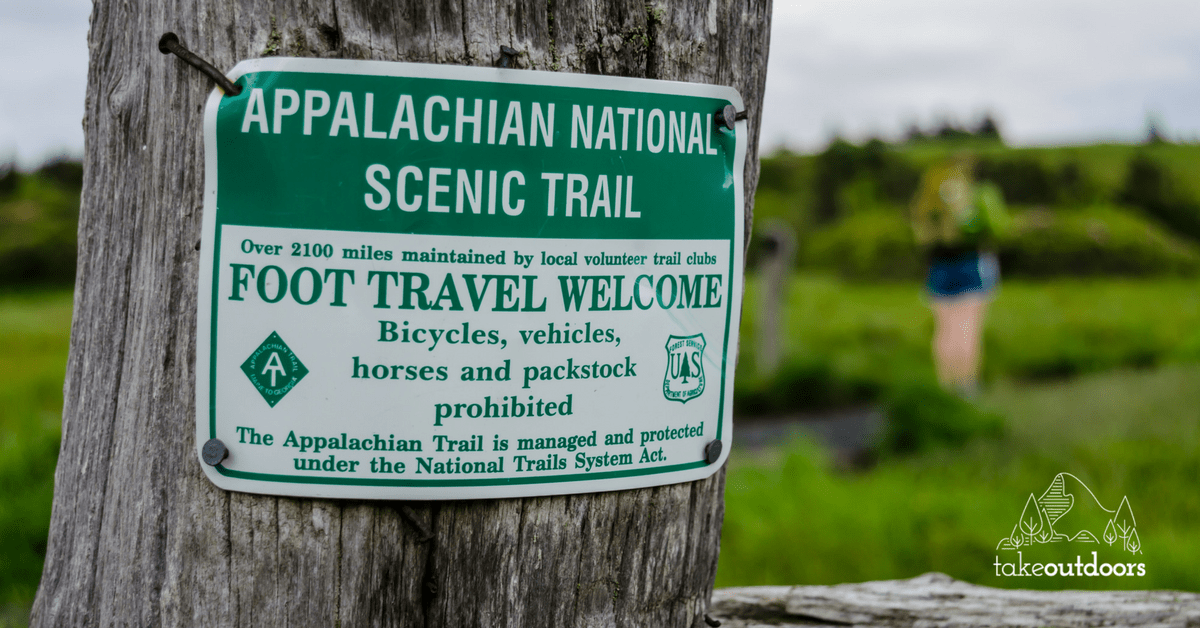
    Navigating the Kennesaw Mountain National Battlefield Park

    Kennesaw Mountain National Battlefield Park, Cobb County, Georgia, US
    Kennesaw Mountain National Battlefield Park, Photo by Judson McCranie

    Historical Trails

    Hiking the trails at Kennesaw Mountain National Battlefield Park is an awesome way to learn about the battles that occurred here during the Civil War. The park offers several trails that take you through key historical sites, providing a unique blend of nature and history. Kennesaw Mountain National Battlefield Park is, personally, is one of my all-time favorite places to hike. I’ve seen quite a bit of wildlife through there and there are quite a few trail options to pick from.

    Civil War Significance

    Kennesaw Mountain played a crucial role in the Civil War. The park preserves the battlefield where Union and Confederate forces clashed. Visitors can explore the well-preserved earthworks and cannons, gaining a deeper understanding of this pivotal moment in American history.

    Family-Friendly Hikes

    The park features a variety of trails suitable for all ages and skill levels. From easy, short walks to more challenging hikes, there’s something for everyone. Families can enjoy a day out in nature while learning about the past. Don’t forget to grab a trail map at the visitor center to help navigate the park’s many paths.

    Exploring the Okefenokee Swamp

    Georgia, Okefenokee Swamp.
    Okefenokee Swamp, Photo by Riis2602

    Swamp Trails

    The Okefenokee Swamp, one of the largest and most well-preserved swamp ecosystems in North America, offers a diverse array of trails catering to all skill levels, making it an ideal destination for outdoor enthusiasts. One particularly popular option is the Trembling Earth Nature Trail, a scenic 0.9-mile loop located near Fargo, Georgia. This easy route, which typically takes about 15 minutes to complete, is perfect for a quick nature walk and allows visitors to immerse themselves in the unique flora and fauna of the swamp. The trail features interpretive signs that educate hikers about the rich biodiversity of the area, including the various species of birds, reptiles, and plants that thrive in this wetland habitat.

    Wildlife Viewing

    The swamp is home to a diverse range of wildlife. Visitors can expect to see alligators, birds, and even black bears. Keep your eyes peeled and your camera ready for some amazing shots.

    Guided Tours

    For those who prefer a more structured experience, guided tours are available. These tours provide valuable insights into the swamp’s ecosystem and history. They are a great way to learn more while enjoying the natural beauty of the area.

    The Okefenokee Swamp is a must-visit for nature lovers. Its unique ecosystem and abundant wildlife make it a fascinating destination.

    Hiking in the North Georgia Mountains

    North Georgia Mountains
    North Georgia Mountains, Photo by Roman Babylon

    Mountain Views

    The North Georgia Mountains offer some of the most breathtaking views in the state, attracting thousands of visitors each year who come to experience their natural beauty. From the top of Mount Yonah, which stands at an impressive elevation of 4,000 feet, you can see for miles, with panoramic vistas that stretch across the rolling hills and valleys below. The scenery is especially beautiful in the fall when the leaves change colors, transforming the landscape into a vibrant tapestry of reds, oranges, and yellows, making it a prime destination for leaf peepers and photographers alike.

    Challenging Trails

    For those looking for a tough hike, the Panther Creek Trail is a great choice. It’s a hard trail but worth it for the stunning waterfall at the end. Another challenging hike is the Brasstown Falls Trail, which is also highly rated.

    Local Flora

    The trails in North Georgia are home to a variety of plants and trees. You’ll see everything from wildflowers to tall pines. The Rabun Bald via Bartram Trail is a good spot to see a mix of local flora. Keep an eye out for unique plants along the way.

    Conclusion

    Exploring Georgia’s top hikes is a fantastic way to connect with nature. Each trail offers something unique, from stunning waterfalls to breathtaking mountain views. Whether you’re a seasoned hiker or just starting out, these trails provide a perfect escape from the hustle and bustle of everyday life. So, lace up your hiking boots, grab your backpack, and set out on an adventure. You’ll not only get some exercise but also create memories that will last a lifetime. Happy hiking!

    Frequently Asked Questions

    What is the best time to hike in Georgia?

    The best time to hike in Georgia is during the spring and fall when the weather is mild and the scenery is beautiful.

    Are there any family-friendly hikes in Georgia?

    Yes, many trails in Georgia are perfect for families. Places like Kennesaw Mountain National Battlefield Park offer easy and fun hikes for all ages.

    Do I need special gear for hiking in Georgia?

    Basic hiking gear like sturdy shoes, water, and a map is usually enough. For tougher trails, you might need more gear like trekking poles.

    Can I see wildlife while hiking in Georgia?

    Yes, Georgia is home to many animals. You might see deer, birds, and even bears in some areas. Always keep a safe distance.

    Are there camping options near hiking trails in Georgia?

    Yes, many hiking spots like Chattahoochee National Forest offer camping areas where you can stay overnight.

    Is it safe to hike alone in Georgia?

    Hiking alone can be safe if you take precautions. Always tell someone where you’re going, bring a phone, and stay on marked trails.

    How long are the hiking trails in Georgia?

    The length of trails varies. Some are short and easy, while others, like parts of the Appalachian Trail, can be very long and challenging.

    Do I need a permit to hike in Georgia?

    Most trails in Georgia do not require a permit, but some areas, especially in state parks, might have entry fees or require a permit for camping.

  • Best Hikes on the Appalachian Trail

    Best Hikes on the Appalachian Trail

    The Appalachian Trail (A.T.) is a symbol of North America’s rugged wilderness, stretching 2,190 miles from Georgia’s Springer Mountain to Maine’s Mount Katahdin. This legendary footpath weaves through 14 states, offering hikers a journey that transcends physical endurance. At its core, the A.T. invites discovery, drawing millions of visitors—day-trippers and thru-hikers alike—each seeking something unique.

    For some, it’s about testing their limits on the trail’s demanding terrain. For others, it’s a chance to reconnect with nature and the ancient Appalachian Mountains. For many, the A.T. becomes a spiritual pilgrimage, offering solitude and reflection amidst breathtaking vistas.

    Hikers traverse diverse ecosystems, from Southern hardwood forests to New England’s rugged alpine zones. Along the way, welcoming trail communities celebrate the hiking culture that defines the A.T.
    Iconic landmarks like Clingmans Dome, the highest point on the trail, reward hikers with some of the best views that capture the grandeur of this vast wilderness.

    Whether you’re planning a short day hike or the five- to seven-month challenge of a thru-hike, the A.T. offers more than just a walk in the woods. It’s a journey through America’s natural heritage—a chance to build lasting friendships and experience personal transformation. This guide will walk you through the trail’s rich history, essential planning tips, must-see landmarks, best hikes, and safety considerations.

    The Rich History of the Appalachian Trail

    Springer Mountain AT Plaque

    The story of the Appalachian Trail begins long before it became a hiking path. The Appalachian Mountains formed over 480 million years ago, setting the stage for what would become one of America’s most beloved trails.

    In 1921, regional planner Benton MacKaye introduced the idea of “An Appalachian Trail: A Project in Regional Planning.” His vision was to create a trail connecting a series of work, study, and recreation camps along the Appalachian Mountains—an escape from urban life that would foster a deeper connection with nature.

    Inspired by MacKaye’s ambitious plan, the Appalachian Trail Conference (now the Appalachian Trail Conservancy) was formed in 1925. Volunteers and hiking clubs worked tirelessly to make the dream a reality, and by 1937, the trail was fully blazed, stretching continuously from Maine to Georgia.

    The Appalachian Trail gained national recognition in 1968, when the National Trails System Act designated it as the first National Scenic Trail. This brought increased protection and resources to maintain the trail, safeguarding it for future generations.

    Over the following decades, efforts to protect the trail corridor intensified. The National Park Service began acquiring land to establish a protected corridor, and in 2014, the final stretch of land was secured, ensuring that the entire trail is now federally protected wilderness.

    Today, the Appalachian Trail is a living legacy—shaped by visionaries, maintained by volunteers, and cherished by those who seek a deep connection with nature. It continues to evolve, with ongoing maintenance and reroutes designed to enhance the hiking experience and preserve its fragile ecosystems.

    Planning Your Appalachian Trail Adventure

    A Person Cooking Food in the Camping Site
    Photo by Taryn Elliott

    Thru-hikers, those who complete the entire Appalachian Trail (A.T.), often begin their journey in Georgia in late March or early April, heading northward. This monumental adventure typically costs $5,000 or more, covering essential gear, food, and occasional lodging. To succeed, hikers need well-broken-in boots, a reliable shelter like a lightweight tent or hammock, and navigation tools such as detailed trail maps or a GPS device.

    Resupplying on the trail requires careful planning. Many hikers arrange mail drops to replenish provisions in the small towns along the route, as supplies can be limited. You’ll also need high-calorie, nutrient-dense food, aiming for about 3,000 to 4,000 calories per day. Water purification is essential, so carry a water filter or purification tablets along with water bottles or a hydration bladder.

    TIP: Mail drop strategies are a great way to manage food resupplies in remote areas along the trail.

    With around 250 shelters and numerous primitive camping spots along the trail, hikers can find rest between stretches of challenging terrain. For more comfort, hostels along the route, especially near Fontana Dam, offer showers and beds, while budget-conscious hikers can seek out donation-based accommodations. Trekking poles, essential for reducing strain on your knees, and a bear canister (required in some areas) are also recommended.

    Each year, over four million people experience the A.T., but only around 2,000 attempt to thru-hike the entire trail in one season. The journey takes five to seven months, with only about 25% of attempts ending in success. Physical conditioning and mental preparation are crucial. Testing your gear on shorter hikes beforehand will help you get used to carrying a fully loaded pack and prepare for the physical demands of long-distance hiking.

    To assist with planning, the Appalachian Trail Conservancy offers an interactive map that highlights key landmarks, route options, and trail services. Many trail towns provide shuttle services to help hikers access trailheads and resupply points. Make sure to familiarize yourself with Leave No Trace principles to ensure you hike responsibly, preserving the trail for future adventurers.

    Safety Considerations on the Appalachian Trail

    Tent infront of snowy mountain


    The Appalachian Trail (A.T.) offers an incredible adventure, but it’s important to be prepared for potential risks. Understanding the challenges posed by weather, terrain, and wildlife can help ensure a safe and enjoyable experience.

    Weather-Related Hazards

    The A.T.’s diverse geography means hikers can encounter a wide range of weather conditions. Hypothermia is a risk in any season, particularly at higher elevations. Dress in layers with moisture-wicking base layers and waterproof outer layers. Always carry emergency shelter and fire-starting materials, and avoid cotton clothing, which loses its insulating properties when wet.

    In summer, heat exhaustion and heat stroke are common concerns. Stay hydrated, drink water before you feel thirsty, and hike during cooler parts of the day. Wearing light-colored, breathable clothing and a wide-brimmed hat will protect you from the sun. Thunderstorms can develop quickly, especially in mountainous areas. If caught in a storm, descend from ridgelines and peaks, avoid tall trees, and spread out if hiking in a group to reduce the risk of lightning strikes

    Trail Hazards

    The A.T.’s rocky and uneven terrain presents physical challenges. Falls are one of the most common sources of injury, so use trekking poles for balance and wear appropriate footwear with good traction. Take your time on difficult sections, especially when you’re tired or carrying a heavy pack.

    Water crossings can be dangerous, particularly after heavy rainfall. Before crossing, unbuckle your pack’s waist strap and use trekking poles for balance. If the water is above your knees or moving swiftly, wait for conditions to improve or find an alternative route.

    Although the trail is well-marked with white blazes, it’s still possible to lose your way. Always carry detailed maps, a compass, and know how to use them. Be aware of elevation changes and elevation profiles for safety. Inform someone of your hiking plans before setting out, and carry a charged cell phone or satellite communication device for emergencies.

    Health Considerations

    Long-distance hikers face specific health risks, including Lyme disease, which is transmitted by ticks. Wear long pants and long-sleeved shirts, use insect repellent containing DEET, and perform daily tick checks. Remove any attached ticks promptly.

    Water-borne illnesses like Giardia are another concern. Always treat water from natural sources with a reliable water filter, chemical treatment, or by boiling. Be cautious of water sources near heavily used campsites or agricultural areas.

    To prevent injury, proper physical conditioning is crucial. Start with shorter hikes and gradually increase distance and difficulty. Strength training for your legs and core will help prepare your body for the physical demands of long-distance hiking. Practice hiking with a fully loaded pack to get accustomed to the weight.

    Mental Health and Trail Psychology

    The mental challenges of long-distance hiking can be as tough as the physical ones. Set realistic goals and remain flexible with your plans. Hiking with a partner or joining trail communities can provide valuable social support. Bringing small comforts, like a favorite book or snack, can help boost your morale on difficult days.

    Remember, it’s okay to take rest days or even leave the trail if you’re feeling overwhelmed. The Appalachian Trail will always be there for future adventures. Preparing for both the physical and mental demands of the hike is key to maximizing your enjoyment of the trail.

    Wildlife Encounters on the Trail

    Barred Owl
    Photo by Andrew Patrick Photography

    The Appalachian Trail (A.T.) offers hikers a unique opportunity to experience a variety of wildlife in their natural habitats. From mammals to birds, the trail teems with biodiversity that can make every hike an unforgettable experience. However, while appreciating this wildlife, it’s essential to be aware of the potential risks and know how to stay safe.

    Birdwatching Opportunities

    The Appalachian Trail is a paradise for birdwatchers, boasting a wide array of species from tiny warblers to majestic birds of prey. Early mornings are particularly ideal for spotting vibrant species like the scarlet tanager, or for hearing the melodious call of the wood thrush echoing through the forest. Raptors such as red-tailed hawks and peregrine falcons can be seen soaring high above, while migratory species frequent the trail during certain seasons. Birdwatching on the A.T. provides both seasoned birders and casual hikers with a chance to engage deeply with nature’s avian wonders. Carry binoculars for better viewing, and make sure to be quiet and observant—many birds are shy and easily startled.

    Black Bears

    Black bears are one of the most common large predators found along the Appalachian Trail. While bear attacks on humans are rare, it’s critical to take precautions, especially in areas known for bear activity. Store all food in bear-resistant containers or hang food bags at least 200 feet away from your campsite. Make noise while hiking to avoid surprising bears, and if you do encounter one, remain calm. Speak softly, make yourself appear bigger, and slowly back away. Never run from a bear, as this can trigger their instinct to chase.

    Venomous Snakes

    The A.T. is home to venomous snakes, including timber rattlesnakes and copperheads, particularly in the southern regions. To minimize the risk of bites, stick to established trails and be vigilant about where you step, especially in rocky or overgrown areas. Wearing sturdy boots and long pants in snake-prone sections of the trail is a good preventive measure. In the unlikely event of a snakebite, seek medical attention immediately and try to note the snake’s appearance for identification.

    Other Wildlife Hazards

    While bears and snakes may be the most talked-about wildlife risks, the trail also hosts other animals that can pose dangers if not respected. Wild boars, found primarily in southern regions, can be aggressive if approached, while moose in the northern sections, especially in Maine, can become dangerous during mating season. Always keep a safe distance from wildlife and never attempt to feed or interact with animals.

    By following these guidelines and maintaining a respectful distance, hikers can safely enjoy the diverse wildlife that makes the Appalachian Trail a special place. The key is to observe without disturbing, allowing both you and the wildlife to coexist peacefully along the trail.

    Preserving the Trail

    The monumental task of managing and maintaining the Appalachian Trail is a collaborative effort involving multiple organizations. The U.S. Forest Service, National Park Service, Appalachian Trail Conservancy, and thousands of dedicated volunteers work tirelessly to preserve this national treasure for hikers and outdoor enthusiasts. Thirty-one trail clubs contribute to trail maintenance and organize various activities. These clubs also serve as excellent resources for gear recommendations and information on resupply locations. If you’ve enjoyed the trail, consider giving back through donations or volunteer efforts to ensure its future.

    The Appalachian Trail Experience

    Appalachian trail at Newfound Gap, atop the Great Smoky Mountains.
    Photo by Chris Light

    The Appalachian National Scenic Trail, often simply called the A.T., offers a diverse range of experiences for hikers of all levels. Whether you’re out for a day hike or attempting a thru-hike, the trail provides unique rewards and challenges as it winds through several national parks and state parks.

    Day Hikers: Nature’s Beauty Unveiled

    For day hikers, the A.T. is a gateway to natural wonders. The trail offers inspiring vistas, babbling streams, and an incredible array of plant life. Many visitor centers along the trail provide comprehensive guides to help plan your journey, including information on favorite day hikes and water sources. Wildlife sightings are common, giving hikers the chance to observe animals in their natural habitats. More developed sections of the trail provide perfect opportunities for leisurely walks through scenic woodlands, with easy access points in many A.T. communities.

    Multi-Day Adventures: A Test of Skill and Will

    For those seeking a greater challenge, multi-day hikes along the A.T. offer a true test of outdoor skills and determination. Many hikers opt for section hikes, tackling the trail in manageable segments. Setting up camp in the wilderness, cooking over an open fire, and covering miles of trail each day can be immensely satisfying. Thru-hikers take on the ultimate challenge, attempting to cover all 2,190 miles of the trail. While not all complete the journey, many find a sense of accomplishment in the distance they do achieve.

    A Spiritual Journey

    Many hikers find a spiritual dimension to their A.T. experience. The trail offers a chance to disconnect from the bustle of everyday life and find serenity in nature. Whether hiking alone or with a small group, many find that the quiet of the forest provides an ideal setting for introspection and contemplation. This connection with nature often leads to a sense of inner peace and a renewed joy for life.

    Breathtaking Landscapes and Iconic Landmarks of the Appalachian Trail

    Group gathered on McAfee's Knob
    McAfee’s Knob, Photo by Idawriter

    The Appalachian Trail is renowned for its diverse and stunning landscapes, offering hikers a visual feast as they journey from Georgia to Maine. From majestic mountain ranges to lush forests and picturesque waterfalls, the trail showcases some of the most beautiful natural scenery in the eastern United States. Along this 2,190-mile journey, several locations stand out as must-see destinations, combining natural beauty with historical or cultural significance.

    Mountain Vistas and Challenging Peaks

    The A.T. traverses some of the most impressive mountain ranges in the eastern United States, offering hikers both challenges and rewards:

    • Max Patch (North Carolina): A high grassy bald offering open views of the surrounding mountains, particularly stunning at sunrise and sunset.
    • Clingmans Dome (6,643 feet, Tennessee/North Carolina): The highest point on the entire trail, located near Newfound Gap in the Great Smoky Mountains National Park. Its observation tower provides panoramic views of the surrounding Smokies.
    • Mount Washington (6,288 feet, New Hampshire): Known for its erratic weather, it offers hikers a true alpine experience in the White Mountains.
    • McAfee Knob (3,197 feet, Virginia): One of the most photographed spots on the trail, this distinctive rock outcropping provides a 270-degree view of the Catawba Valley and surrounding mountains.

    Lush Forests and Diverse Flora

    The trail winds through vibrant, diverse forests that change with the seasons and elevation gain, creating a varied hiking experience:

    • Shenandoah National Park (Virginia): Offers 101 miles of well-maintained trail with frequent wildlife sightings and beautiful hardwood forests.
    • Green Mountains (Vermont): Known as the “Green Tunnel” for its dense, lush forests.
    • 100-Mile Wilderness (Maine): The most remote section of the trail, offering a true wilderness experience through pristine forests.

    Picturesque Waterfalls and Scenic Spots

    Numerous waterfalls and scenic areas dot the Appalachian Trail, adding to its natural allure:

    • Linville Falls (North Carolina): One of the most iconic waterfalls, with impressive cascades plunging dramatically over rugged cliffs.
    • Kent Falls (Connecticut): A series of waterfalls dropping 250 feet in under a quarter mile.
    • Crabtree Falls (Virginia): One of the tallest sets of cascading waterfalls east of the Mississippi River.

    Cultural and Historical Landmarks

    The trail also passes through areas of significant cultural and historical importance:

    • Harpers Ferry (West Virginia): Often considered the psychological midpoint of the trail, this historic town played a crucial role in the Civil War and is home to the Appalachian Trail Conservancy headquarters.
    • Bear Mountain State Park (New York): The lowest elevation point on the entire trail (124 feet), featuring a zoo and spectacular views of the Hudson River.
    • Mount Greylock (Massachusetts): The state’s highest peak, topped with a distinctive war memorial tower.

    Unique Ecosystems

    The A.T. showcases several unique ecosystems that are worth experiencing:

    • Grayson Highlands State Park (Virginia): Famous for its wild ponies and expansive mountain meadows, offering a landscape unlike any other on the trail.
    • Roan Mountain (Tennessee/North Carolina): Known for its stunning rhododendron gardens and grassy balds, providing some of the most beautiful vistas on the southern portion of the trail.
    • Franconia Ridge (New Hampshire): A spectacular above-treeline traverse in the White Mountains, offering panoramic views and a true alpine hiking experience.

    These breathtaking landscapes and iconic landmarks make the Appalachian Trail much more than just a long-distance footpath. They provide hikers with unforgettable experiences, challenging climbs, and moments of awe-inspiring natural beauty. Whether you’re a day-hiker or a thru-hiker, these locations offer some of the most rewarding and memorable moments on the trail, showcasing the diverse natural heritage of the Appalachian Mountain chain.

    Best Hikes of the Appalachian Trail

    Clingmans Dome Observation Tower
    Clingmans Dome, Photo by Acroterion

    The Appalachian Trail offers a variety of unforgettable hiking experiences, from challenging mountain climbs to serene forest walks. Whether you’re looking for a strenuous adventure or a relaxing day in nature, here are some of the best hikes along the A.T. that every hiker should consider:

    McAfee Knob (Virginia)

    McAfee Knob is one of the most iconic spots on the entire trail, famous for its panoramic views and distinctive rock outcropping. It’s also one of the most photographed locations along the A.T., making it a must-see for both casual hikers and serious trekkers. The hike spans 8.8 miles round trip and is moderately challenging.

    Franconia Ridge Loop (New Hampshire)

    For those seeking a true alpine experience, Franconia Ridge offers some of the most breathtaking views in the White Mountains. The exposed ridge provides sweeping 360-degree vistas of the surrounding wilderness, but be prepared for challenging terrain. The 8.9-mile loop is strenuous, but the rewards are worth the effort.

    Max Patch (North Carolina)

    Max Patch is a high grassy bald that offers stunning 360-degree views of the surrounding mountains. This relatively short hike is perfect for families or those looking for an easy, rewarding walk, especially at sunrise or sunset. The main route is 1.5 miles round trip, with longer loop options available for those wanting to explore more.

    Clingmans Dome (Tennessee/North Carolina)

    As the highest point on the Appalachian Trail, Clingmans Dome boasts spectacular panoramic views of the Smoky Mountains, especially rewarding on a clear day. The hike is just 1 mile round trip along a paved path, making it accessible to visitors of all ages. The observation tower at the summit offers breathtaking scenery, especially on clear days.

    Shenandoah National Park (Virginia)

    Shenandoah National Park covers 101 miles of the Appalachian Trail and offers some of the most well-maintained and scenic sections. With frequent wildlife sightings and plenty of viewpoints, this stretch is ideal for both day hikes and section hikes. Whether you’re hiking a few miles or tackling a longer section, Shenandoah provides a perfect blend of nature and accessibility.

    100-Mile Wilderness (Maine)

    The 100-Mile Wilderness is the most remote section of the Appalachian Trail and provides a true wilderness experience for those seeking a challenge. Spanning 100 miles, this rugged stretch offers solitude, pristine landscapes, and the chance to fully immerse yourself in nature. It’s a multi-day adventure that tests even experienced hikers, making it one of the most rewarding sections of the trail.

    Roan Mountain Highlands (Tennessee/North Carolina)

    Roan Mountain is known for its open grassy balds and stunning rhododendron blooms in late spring. This beautiful hike features sweeping views and unique flora, making it one of the most scenic sections in the southern Appalachian Mountains. The main trail is about 5 miles, with various loop options available for longer hikes.

    Choosing the Right Hike for You

    Whether you’re seeking a challenging summit, a peaceful walk through the forest, or a multi-day adventure, the Appalachian Trail offers hikes to suit every level of experience. Each hike presents its own unique rewards, from the thrill of conquering a rugged mountain peak to the serenity of a quiet woodland path. Pick a hike that matches your skill level and time frame, and prepare for a journey that will leave you with unforgettable memories.

    The Cultural Tapestry of the Appalachian Trail

    Harpers Ferry WV
    Harpers Ferry, Photo by Acroterion

    The Appalachian Trail is more than just a path through wilderness; it’s a journey through the heart of Appalachian culture. As hikers make their way along the trail, they encounter a rich tapestry of communities, traditions, and experiences that add depth to their adventure.

    Trail Towns: The Heartbeat of the A.T.

    Dotted along the Appalachian Trail are numerous small towns that have embraced their role as hiker havens. These communities offer essential services and unique cultural experiences that enrich a hiker’s journey. Here are some of the most iconic trail towns along the A.T.:

    Hot Springs, North Carolina

    Hot Springs seamlessly blends outdoor adventure with small-town charm. The A.T. runs directly through the main street, allowing hikers to literally walk through town. The town’s natural hot mineral springs offer a soothing respite for weary travelers.

    Damascus, Virginia

    Nicknamed “Trail Town USA,” Damascus is famous for its annual “Trail Days” festival, which draws thousands of hikers and outdoor enthusiasts each May. It’s also a gateway to the Virginia Creeper Trail, providing even more outdoor recreation opportunities.

    Harpers Ferry, West Virginia

    Harpers Ferry is rich in Civil War history and serves as the psychological midpoint of the trail. It’s home to the Appalachian Trail Conservancy headquarters, making it a must-visit landmark for many hikers.

    Hanover, New Hampshire

    As the trail enters New England, Hanover offers a blend of academic atmosphere and outdoor culture. Home to Dartmouth College, the town is famous for its “hiker box” at Lou’s Restaurant, where hikers can enjoy a free breakfast.

    Monson, Maine

    At the northern end of the trail, Monson serves as the gateway to the “100-Mile Wilderness” and the last resupply point before Mount Katahdin for northbound hikers. The town is home to several hiker hostels, including the historic Shaw’s Lodging, a favorite among A.T. hikers.

    Trail Magic and Trail Angels

    One of the most cherished aspects of Appalachian Trail culture is the phenomenon known as “Trail Magic.” This term refers to unexpected acts of kindness towards hikers, often in the form of food, drinks, or rides into town. The people behind these acts of generosity are affectionately called “Trail Angels.”

    Trail Magic can take many forms, from a cooler of cold drinks left at a road crossing to an impromptu barbecue hosted by local residents. Some Trail Angels even offer hikers a place to stay for the night. This culture of generosity is a unique and treasured part of the Appalachian Trail experience, providing both physical and emotional boosts to weary hikers.

    Festivals and Events: Celebrating Trail Culture

    Many towns along the Appalachian Trail host festivals and events that celebrate both the trail and local culture. The aforementioned Trail Days in Damascus is the largest, but it’s far from the only one. The Appalachian Trail Conservancy holds a Biennial Conference at rotating locations, offering educational workshops, group hikes, and entertainment for trail enthusiasts from across the country.

    In Georgia, the Dahlonega Trail Fest celebrates the outdoors with a focus on the nearby A.T. southern terminus. This September event includes talks by experienced hikers and outdoor experts. Meanwhile, the Duncannon Appalachian Trail Festival in Pennsylvania offers a more intimate, small-town festival experience with local crafts, food, music, and guided hikes.

    Culinary Traditions of the Appalachian Trail

    The Appalachian region is renowned for its distinct culinary traditions, and exploring local food is a highlight for many hikers. In the southern states, hikers can sample authentic barbecue and country ham with biscuits. As they move north, they might taste local specialties like apple butter or traditional Appalachian stack cake.

    New England offers its own culinary delights, from fresh lobster rolls in Maine to maple syrup products in Vermont. Many trail towns have restaurants that cater specifically to hikers, offering large portions and hiker-friendly atmospheres. These establishments often become legendary within the hiking community.

    Some culinary experiences have even become trail traditions. For instance, many hikers attempt the “Half-Gallon Challenge” at Pine Grove Furnace State Park in Pennsylvania, trying to eat a half-gallon of ice cream at the trail’s midpoint.

    Appalachian Music and Arts

    The Appalachian Trail passes through regions rich in musical and artistic traditions. Hikers may have the opportunity to attend local bluegrass or old-time music jam sessions, particularly in the southern portions of the trail. Many towns feature artisan shops showcasing traditional Appalachian crafts like quilting, woodworking, and pottery.

    Some communities along the trail host storytelling events, keeping alive the oral traditions of the Appalachian region. These cultural experiences offer hikers a deeper understanding of the landscapes they’re traversing and the communities that have long called these mountains home.

    By engaging with these various aspects of Appalachian culture – from visiting trail towns and experiencing trail magic to participating in local events and sampling regional cuisine – hikers can gain a richer, more comprehensive understanding of the Appalachian Trail. This cultural journey complements the physical challenge of the hike, creating a truly holistic adventure through America’s Eastern wilderness.

    Conservation Efforts

    Preserving the trail’s natural beauty and ecological integrity is crucial. Organizations like the National Park Service, Sierra Club, and Appalachian Trail Conservancy work tirelessly to protect wildlife habitats and maintain the trail. Their efforts include habitat restoration, wildlife monitoring, shelter construction, and path maintenance. These initiatives ensure that future generations can enjoy the same rich wildlife encounters and breathtaking landscapes that make the Appalachian Trail a national treasure.

    Planning Your Hike

    Whether you’re planning one of the best hikes of your life or looking for shorter hikes, proper preparation is key. Many hikers begin their journey at Springer Mountain in Georgia, while others might start at scenic spots like Davenport Gap in Tennessee. For those interested in section hikes, consider exploring regions like New Jersey or the challenging terrains of New England.

    Remember to check contact information for local trail clubs and visitor centers along your route. They can provide up-to-date trail conditions, suggest spur trails worth exploring, and offer advice on nearby amenities like Big Creek Campground in the Smoky Mountains.

    By thoroughly researching and planning your hike, whether it’s a day trip or a longer adventure, you’ll be well-prepared to enjoy the natural wonders and unique experiences that the Appalachian Trail has to offer.

    Hiking the Appalachian Trail: What to Expect

    The Appalachian Trail traverses the dense, moss-covered spruce-fir understory near the summit of Old Black in the Great Smoky Mountains of Tennessee.
    Photo by Brian Stansberry

    The Appalachian Trail (A.T.) offers an unparalleled hiking experience, challenging adventurers with its diverse terrain and rewarding them with breathtaking vistas. Whether you’re planning a day hike, a section hike, or dreaming of a thru-hike, understanding what lies ahead is crucial for a successful journey.

    Trail Difficulty Levels

    The A.T.’s 2,190-mile span presents a wide range of difficulty levels, catering to hikers of all abilities. It’s important to know your limits and choose sections that align with your fitness and experience.

    Easy Sections

    • Southern Pennsylvania: Known for its gentle terrain and well-maintained trails.
    • Maryland: Offers relatively flat hiking with beautiful views of the Potomac River.

    Moderate Challenges

    • Georgia and North Carolina: Rolling hills and moderate climbs introduce hikers to mountain terrain.
    • Virginia: Long stretches of ridge walking with occasional steep ascents.

    Strenuous Segments

    • White Mountains of New Hampshire: Rocky terrain and exposed ridges demand advanced hiking skills.
    • Maine’s 100-Mile Wilderness: Remote and rugged, testing even experienced hikers.

    Time Frame for Hiking the Appalachian Trail

    The time required to hike the A.T. varies greatly depending on your goals and hiking style:

    Thru-Hikes

    • Typical Duration: 5-7 months
    • Average Pace: 15-20 miles per day
    • Popular Timeframes:
      • Northbound (NOBO): March-April start, finishing in September-October
      • Southbound (SOBO): June start, finishing in November-December

    Section Hikes

    • Duration: Varies from days to years
    • Flexibility: Can be completed over multiple trips
    • Popular Sections:
      • Shenandoah National Park (101 miles)
      • Great Smoky Mountains National Park (71 miles)
      • White Mountains (161 miles)

    Day Hikes

    • Duration: Few hours to full day
    • Accessibility: Many trailheads offer easy access for shorter hikes
    • Popular Day Hikes:
      • McAfee Knob, Virginia (8.8-mile round trip)
      • Franconia Ridge Loop, New Hampshire (8.9-mile loop)

    Seasonal Changes and Their Impact

    Spring Blooms and Wildlife Activity

    Spring on the Appalachian Trail is a time of renewal. As the snow melts, wildflowers such as Trillium, Bloodroot, and Virginia Bluebells begin to bloom, painting the trail with vibrant colors (Appalachian Trail Conservancy). Hikers can spot a variety of wildlife emerging from hibernation, including deer and black bears. This season is perfect for birdwatching, as many species, like the Eastern Phoebe and the Scarlet Tanager, return from their winter migrations.

    Summer Adventures and Heat Management

    Summer brings longer days and warmer temperatures. While this is a popular time for hiking, it’s important to manage the heat. Hikers should start early in the morning to avoid the midday sun and stay hydrated. Wearing light, breathable clothing can also help. Remember, some sections of the trail can be quite challenging in the summer heat.

    Autumn Colors and Winter Challenges

    Autumn is perhaps the most picturesque time on the trail. The leaves change to brilliant reds, oranges, and yellows, offering breathtaking views. However, as the season progresses, the weather can become unpredictable. Winter brings its own set of challenges, including snow and ice. Hikers need to be prepared with the right gear and knowledge to navigate these conditions.

    The Backbone of the Appalachian Trail: Volunteers and Organizations

    Volunteers maintaining the Appalachian Trail

    The Appalachian Trail’s existence and maintenance rely heavily on the dedication of volunteers and various organizations. This collective effort ensures that the trail remains a pristine and accessible natural wonder for generations to come.

    Trail Maintenance and Conservation

    The heart of the Appalachian Trail’s upkeep lies in its volunteer workforce. Dedicated trail crews join multi-day projects to repair paths, construct bridges, and clear debris, often engaging in strenuous work in remote areas. Ridgerunners, seasonal employees, hike sections of the trail, educating visitors and reporting on trail conditions. Local hiking clubs adopt sections of the trail, committing to regular maintenance and improvements.

    The impact of this volunteer work is substantial. Over 6,000 volunteers contribute more than 270,000 hours annually, maintaining over 250 backcountry shelters and 500+ campsites. They also construct and maintain thousands of rock steps and water bars to prevent erosion, ensuring the trail’s longevity and safety for hikers.

    Community Involvement

    The trail’s 2,190-mile journey connects numerous communities, each playing a vital role in its preservation and promotion. Trail towns along the A.T. often host events and provide services catering to hikers, boosting local economies while supporting the trail. The Appalachian Trail Conservancy (ATC) serves as the primary non-profit organization overseeing the management and conservation of the trail.

    Over 30 local hiking clubs are responsible for specific trail sections, organizing maintenance activities and promoting local engagement. Community initiatives include annual festivals like “Trail Days” in Damascus, Virginia, hiker-friendly businesses offering specialized services, and local conservation efforts to protect surrounding landscapes.

    Educational Programs

    Education plays a crucial role in preserving the trail and fostering a new generation of outdoor enthusiasts and conservationists. Experienced volunteers lead interpretive hikes, teaching about local flora, fauna, and trail history. Organizations like the ATC offer curriculum-based programs for K-12 students, focusing on environmental education and outdoor skills. Regular workshops cover topics such as trail maintenance techniques, wilderness first aid, and Leave No Trace principles.

    These educational efforts have a significant impact, with thousands of students participating in trail-based programs annually. They increase public awareness of conservation issues affecting the Appalachian Mountains and train new volunteers to ensure continued trail maintenance and stewardship.

    Sustainable Practices for Trail Users

    Preserving the Appalachian Trail for future generations requires every hiker to adopt sustainable practices. The Leave No Trace principles form the foundation of these practices, guiding hikers to minimize their impact on the environment. These principles include planning ahead, traveling and camping on durable surfaces, proper waste disposal, leaving natural objects undisturbed, minimizing campfire impacts, respecting wildlife, and being considerate of other visitors.

    Hikers can further support sustainability by using reusable or biodegradable containers, choosing eco-friendly gear, supporting local economies, and participating in trail maintenance events. Learning about and respecting local ecosystems, reporting invasive species, and participating in citizen science projects also contribute to the trail’s long-term health.

    The Future of the Appalachian Trail

    As the Appalachian Trail enters its second century, it faces new challenges and opportunities. Ongoing conservation efforts include land acquisition, ecological restoration, and climate change adaptation. Technological advances in trail management, such as GIS mapping, mobile apps, and remote sensing, are enhancing the hiking experience and aiding in trail maintenance.

    Community engagement remains a key focus, with diversity initiatives aimed at making the trail more accessible and welcoming to diverse communities. Youth engagement programs like “Trail to Every Classroom” connect younger generations with the trail, while economic development efforts work with trail communities to develop sustainable tourism practices.

    The Appalachian Trail stands as a testament to the power of volunteerism and community effort. Its future depends on the continued dedication of individuals and organizations committed to preserving this natural treasure. By embracing sustainable practices and supporting conservation efforts, hikers can ensure that the Appalachian Trail remains a source of adventure, inspiration, and natural beauty for generations to come.

    Are You Ready to Try It?

    Now’s the time to lace up your boots and embark on the adventure of a lifetime. Whether you’re planning a day hike through scenic woodlands, a multi-day section hike, or dreaming of conquering the entire 2,190 miles, the Appalachian Trail is calling. The trail offers more than just breathtaking landscapes—it’s a chance to challenge yourself, reconnect with nature, and discover what you’re truly capable of.

    From the lush forests of Georgia to the rugged peaks of Maine, every step along the A.T. is an opportunity for growth and transformation. So, why wait? Grab your gear, plan your route, and take that first step into an experience that could redefine your perspective on adventure. Whether it’s a brief escape or a long journey, the trail is waiting to inspire, challenge, and reward you in ways you never imagined.

    The Appalachian Trail awaits your story—whether it’s a day, a week, or months in the making. It’s your adventure, and it’s time to start!

  • How To Navigate In The Woods – The Traditional Way

    How To Navigate In The Woods – The Traditional Way

    Once upon a time, a camping trip started out as a gathering of supplies: Tent. Stakes. Rope. A Swiss Army Knife, for sure. Perhaps a grate that could be set over a roaring campfire plus the usual provisions that range from toilet tissue and matches to sleeping bags and provisions.

    (more…)
  • The Last Englishman: A Thru-Hiking Adventure on the Pacific Crest Trail Review

    The Last Englishman: A Thru-Hiking Adventure on the Pacific Crest Trail Review

    I had the opportunity to work with Keith and he has gladly shared one of his bestselling books on Amazon with me. It is such an entertaining book that I can’t recommend it enough.

    (more…)